
Roofing Manufacturers in Columbia, MO
A manufacturer name is only one part of a roof decision. The installed system, substrate, attachment, drainage, edge details, penetrations, and repair history determine whether a product or repair method fits. We inspect the roof and document the condition before specifying work. Columbia’s spring storms can bring hail or tornado conditions; summer heat, localized downpours, and winter freeze-thaw cycles add separate exposures. Those patterns guide inspection, not a conclusion about a particular roof. Manufacturer references include GAF, Carlisle SynTec, Johns Manville, and Holcim Elevate.
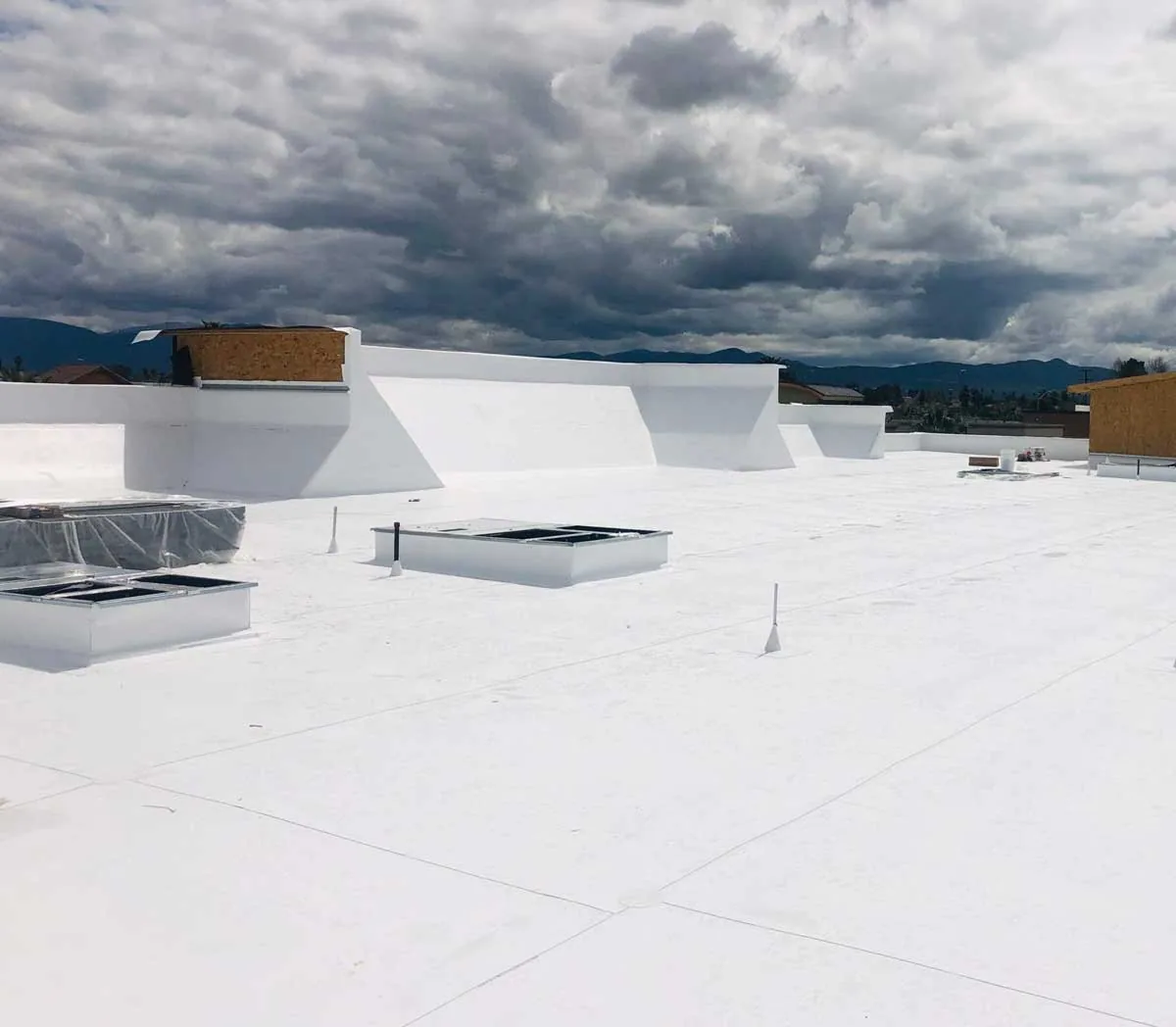
GAF Commercial Roofing
Review GAF commercial membrane options, seam conditions, repair boundaries, and project records for a Columbia roof before selecting a system or scope.
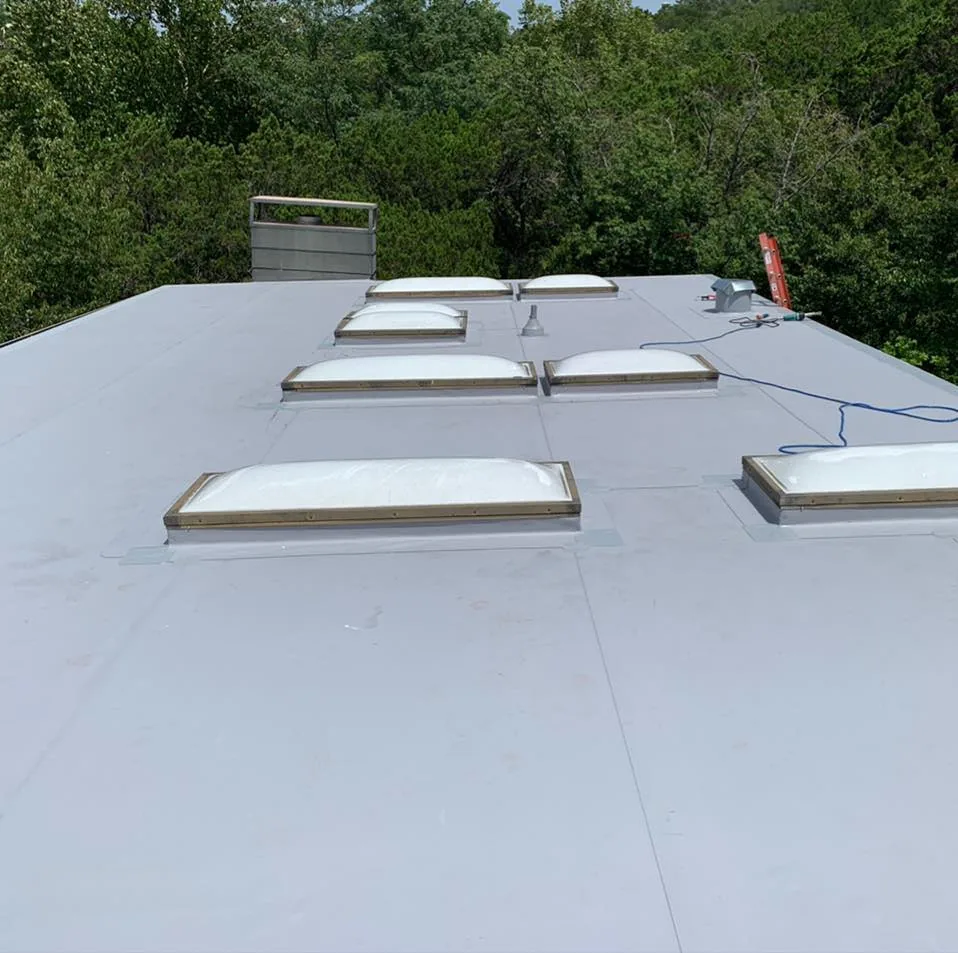
Carlisle SynTec Commercial Roofing
Review Carlisle SynTec membrane choices, attachment details, repairs, and roof history for Columbia properties before approving a repair or reroof scope.
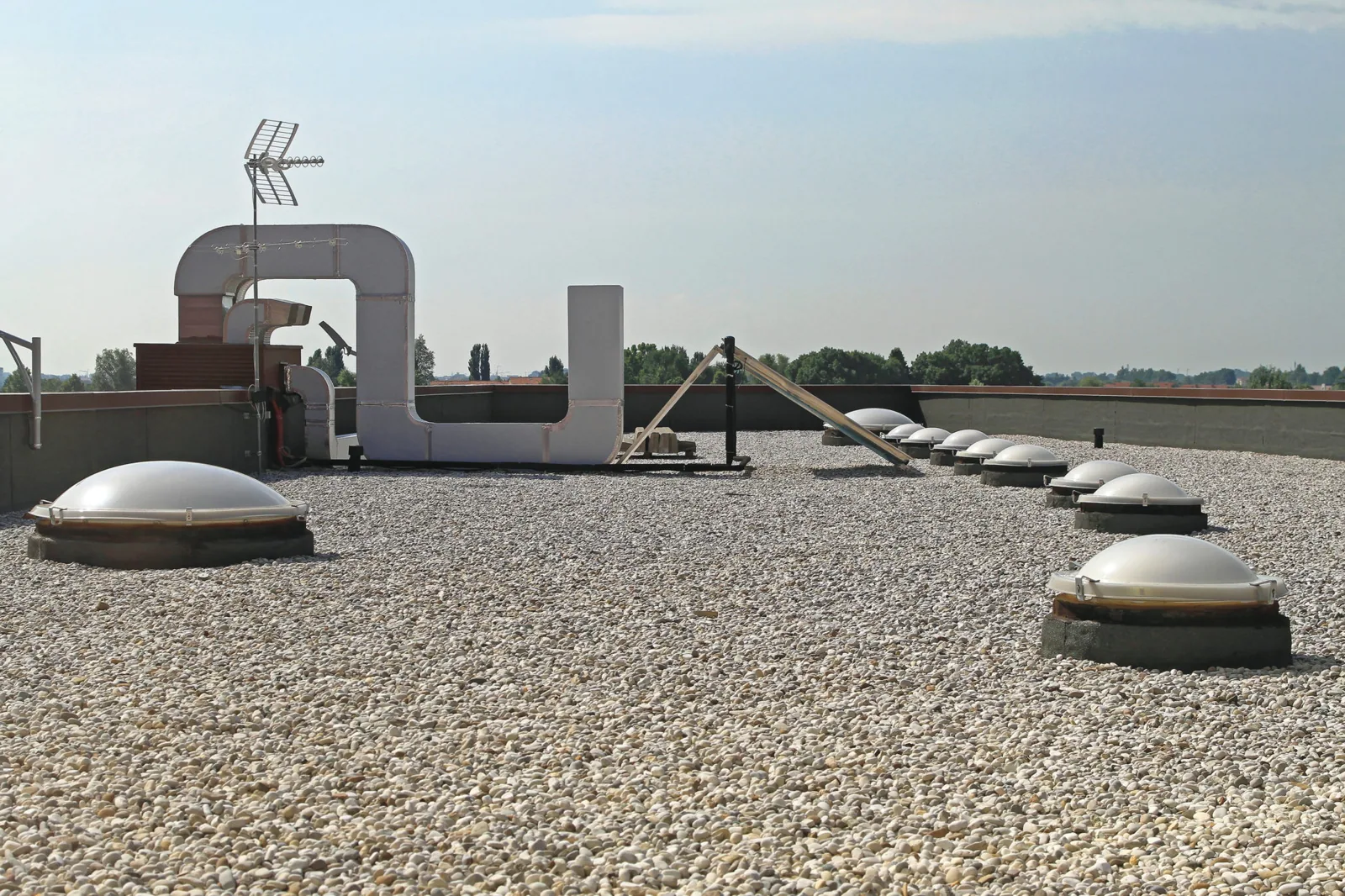
Johns Manville Commercial Roofing
Evaluate Johns Manville membrane and bituminous roof assemblies in Columbia by system, substrate, repair history, and documented field conditions.
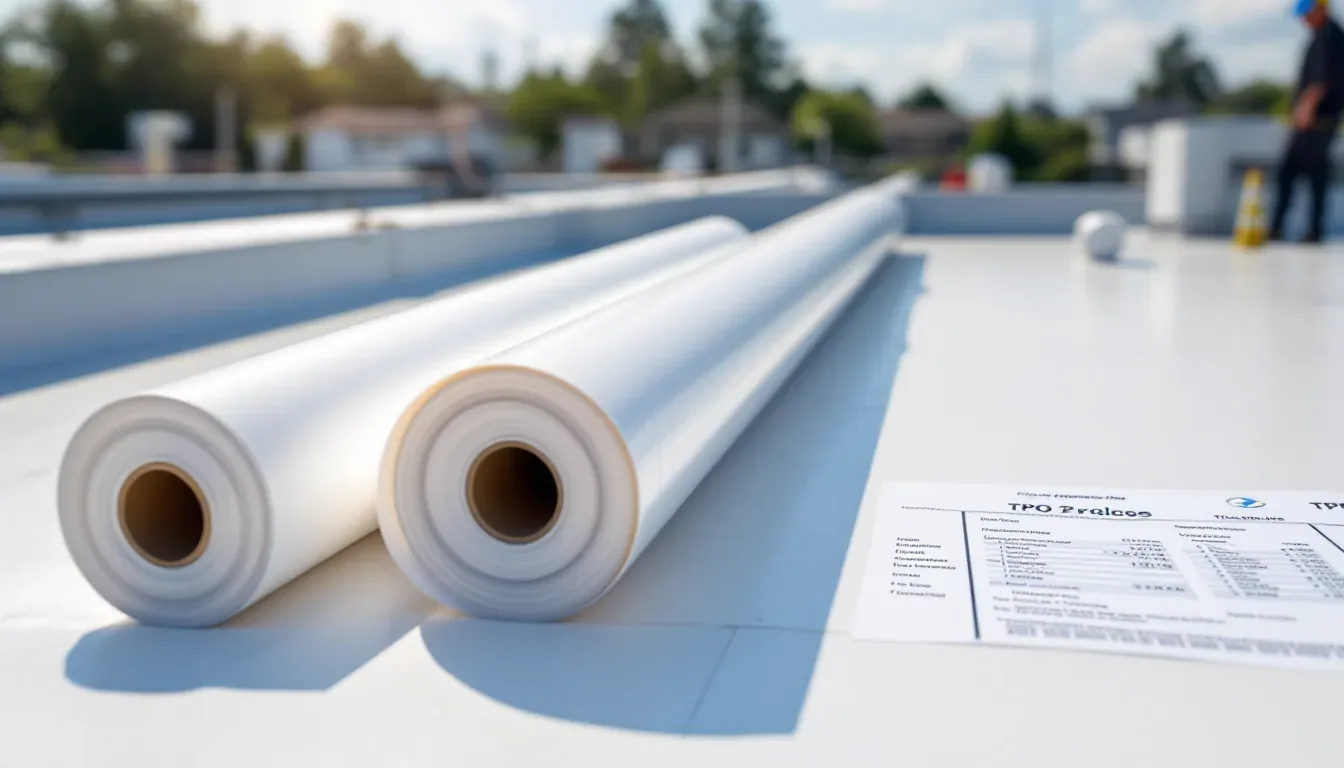
Holcim Elevate Commercial Roofing
Review Holcim Elevate EPDM, TPO, PVC, and asphalt roof options in Columbia against the installed assembly, field condition, and project details.
Sika Sarnafil Commercial Roofing
Inspect Sika Sarnafil PVC, liquid-applied, and modified-bitumen systems in Columbia with a roof-specific record of seams, details, and repair limits.
Versico Commercial Roofing
Review Versico EPDM, TPO, PVC, and fleece-backed roof systems in Columbia by installed assembly, field condition, seam detail, and repair history.
SOPREMA Commercial Roofing
Review SOPREMA modified-bitumen, PVC, and liquid-applied roof systems in Columbia by substrate, detail condition, and documented project scope.
Duro-Last Commercial Roofing
Assess Duro-Last PVC sheets, factory-fabricated details, field seams, and repair records for a Columbia commercial roof before work is specified.
Check compatibility against the roof
Repairs need materials and details compatible with the existing assembly. A similar-looking membrane may still require a particular primer, seam preparation, or flashing detail. We confirm the system where records and field details allow, then define repair boundaries and list any uncertainty. Sika Sarnafil, Versico, Soprema, and Duro-Last each have manufacturer-specific product information that should be matched to the project. We do not infer an approval tier or warranty from a brand name. The owner’s documents and applicable system requirements should be reviewed as part of the scope. If drawings, invoices, or prior repair records are unavailable, document that gap and inspect an accessible area before selecting materials. A controlled test can help identify layers or surface preparation requirements when the result changes the proposal. The owner should receive the basis for the selected product and the limitations that apply to the repair area.
Use field records to support product choices
A product comparison should identify existing materials, repair preparation, insulation and substrate condition, tie-in details, drainage, and the limits of the proposed work. If moisture may extend beneath the surface, testing can change the recommendation. A photo report should state what is visible and what remains concealed. Columbia’s City review package includes commercial, existing-building, and energy provisions; the project designer confirms how those apply to an alteration. For facilities such as the University of Missouri campus or Mexico’s industrial service area, the building contact also confirms access and work sequencing. Those requirements are property-specific. The same manufacturer system is not automatically suitable for every asset or for a repair over an unknown assembly.
Keep warranty and maintenance records together
Keep product and installation records, photographs, repair boundaries, and any owner-provided warranty documents with the facility’s roof history. Warranty management can organize those records, while restoration work requires confirmation that the existing surface and details can support the proposed system. We document any unverified condition instead of implying a warranty outcome. A follow-up inspection can compare the repaired zone after Columbia’s wet spring or a later wind event. That helps the owner understand which product was used, where it was installed, and what remains to monitor.
How is the installed product identified?
Product names on an old invoice may not describe every layer now on the roof. We compare submittals, labels, repair records, visible membrane characteristics, and field details, then state what is confirmed and what remains uncertain. A sample or manufacturer guidance may be needed where the distinction changes compatibility. The repair scope should name only materials that the evidence supports and specify the tie-in required at the existing assembly.
Commercial Roofing Questions
Does naming a manufacturer indicate a formal relationship?
No. A product name identifies a system or manufacturer, not a credential or business relationship. The project documents establish the requirements for the installation.
Can two membranes that look alike use the same repair method?
Not necessarily. Surface appearance does not establish chemistry, backing, or seam requirements. We identify the existing assembly and confirm compatible preparation and materials.
What should happen when product records are missing?
We inspect visible labels and details, compare available repair history, and mark any unresolved identification. If needed, testing or product guidance can narrow the choice.
Does a product name establish the warranty status?
No. Warranty status depends on the project documents and owner records. We retain the paperwork supplied and describe the roof condition observed during inspection.