
Commercial Roofing for Logistics and 3PL Operators in Columbia, MO
A wet area beside a dock door can create a scheduling problem before anyone knows whether the roof, wall, or door assembly is involved. We inspect the reported zone, compare roof details above it, and record what the evidence supports. Columbia's employment network includes the I-70 and U.S. 63 crossroads, East Columbia / East Area Plan, and industrial sites near Highway 763. The city's information about these places describes a regional business setting, not the roof assembly at a specific warehouse. A logistics operator should have each building, dock, roof section, and reported leak labeled independently. We document access limits, drainage, seams, penetrations, edge conditions, and any testing needed to confirm moisture below the membrane. That makes the repair boundary visible to operations staff and preserves a dated record when a later shift, tenant, or property manager takes over the issue. Keep roof identifiers consistent with the dispatch system, but do not let a ticket label substitute for a field observation. An asset might have several dock elevations, a separate office section, or a canopy that requires a different access plan. The inspection should specify which of these areas was reached and whether water was visible at the time. If a facility contact reports more than one active location, we record each separately, because one repair visit may resolve one path while another remains open. That simple boundary matters when inventory is moving and an operations manager needs to know what can return to normal use.
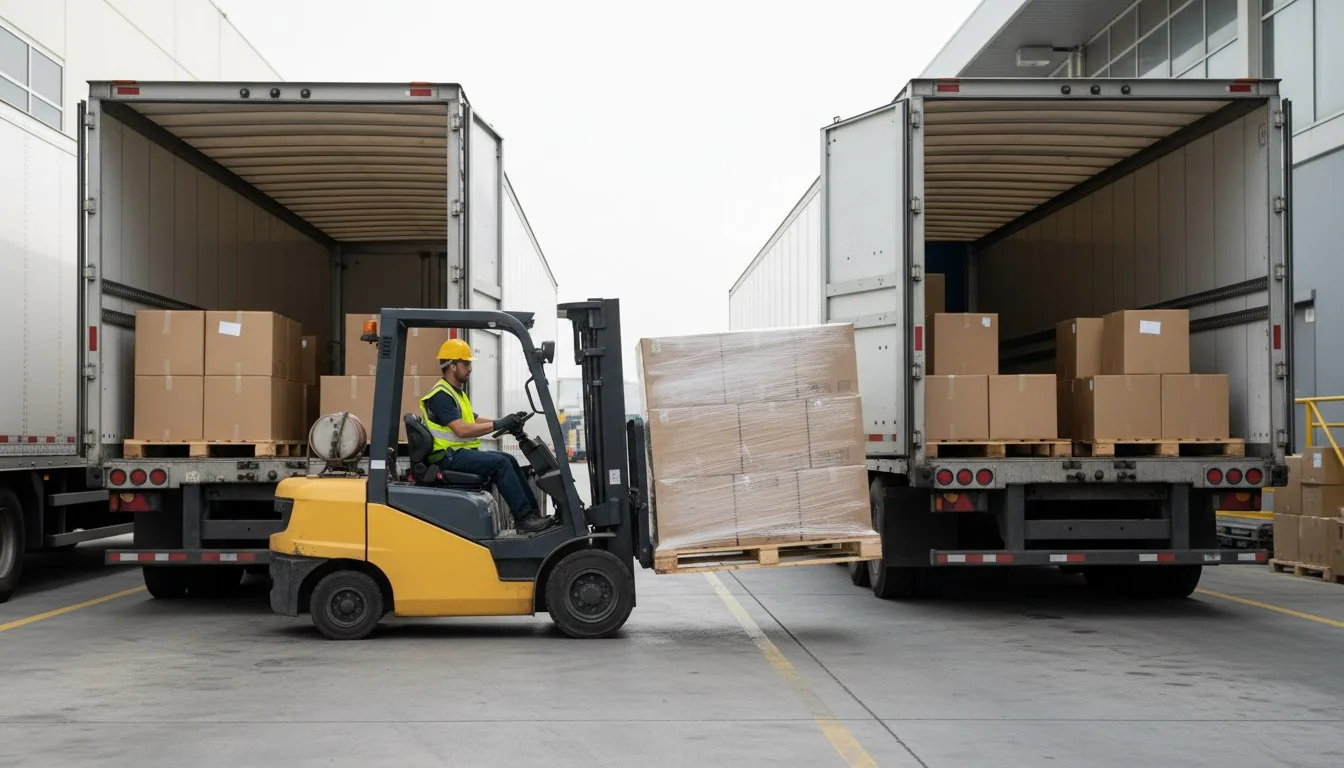
How can roof work avoid disrupting receiving and dispatch?
The site contact identifies truck routes, trailer staging, receiving hours, lift locations, and doors that must remain open. We use those constraints to lay out roof zones and material movement before the work begins. If a crew must close an interior area below, the plan should name that area and the expected period; if no such closure is expected, the record should say what protection will be used. Columbia Regional Airport provides commercial airline service and general-aviation support, while the city's industrial sites serve other operations. These are separate settings, so each property's owner or operator must confirm its actual access conditions. Occupied-facility sequencing can define a daily work boundary and close-in plan. East Columbia / East Area Plan gives one local point of reference in the employment network, but it does not establish a completed building layout or a particular operator's route.
Related Roofing Work
More commercial roofing work connected to Logistics and 3PL Operators in Columbia, MO.
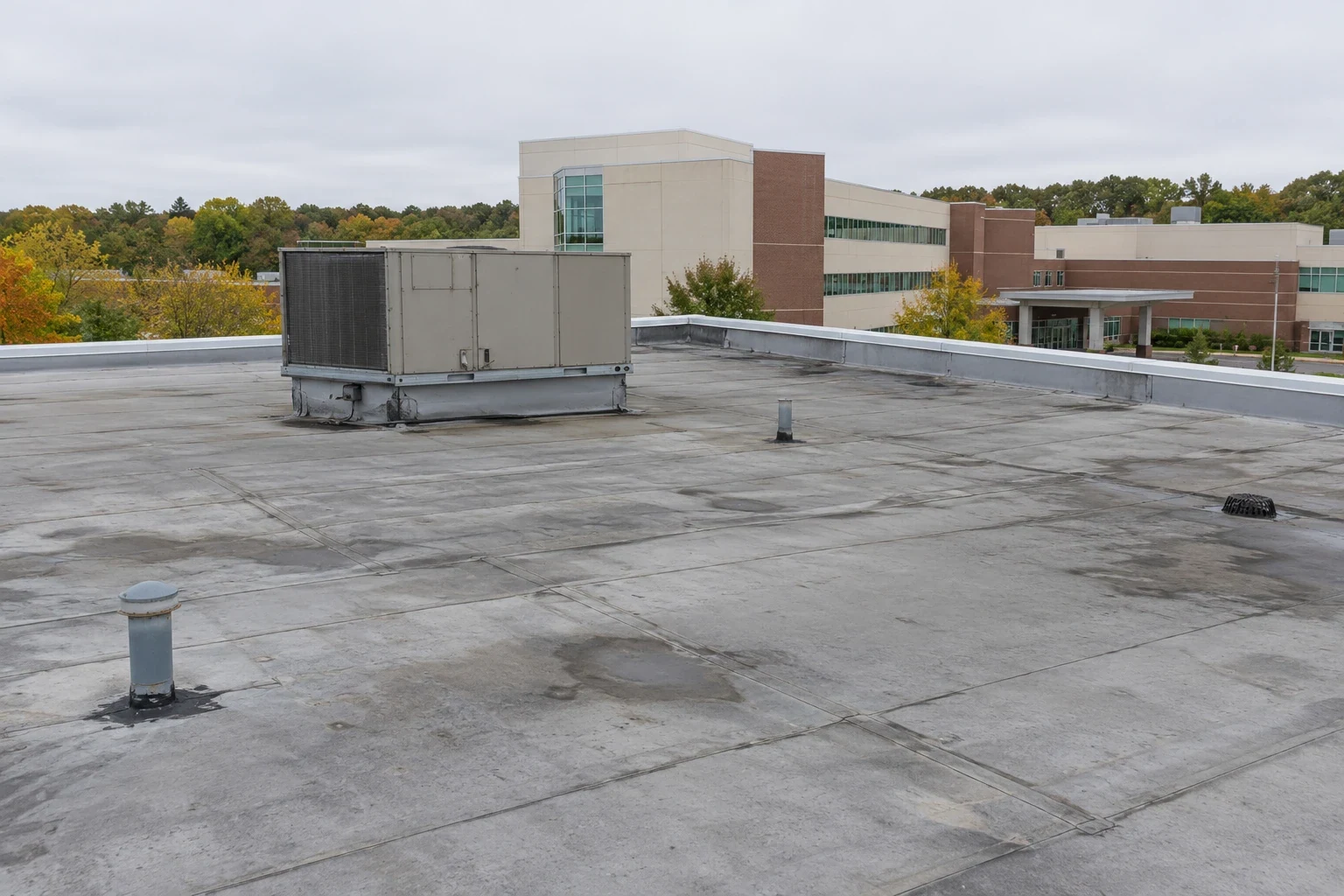
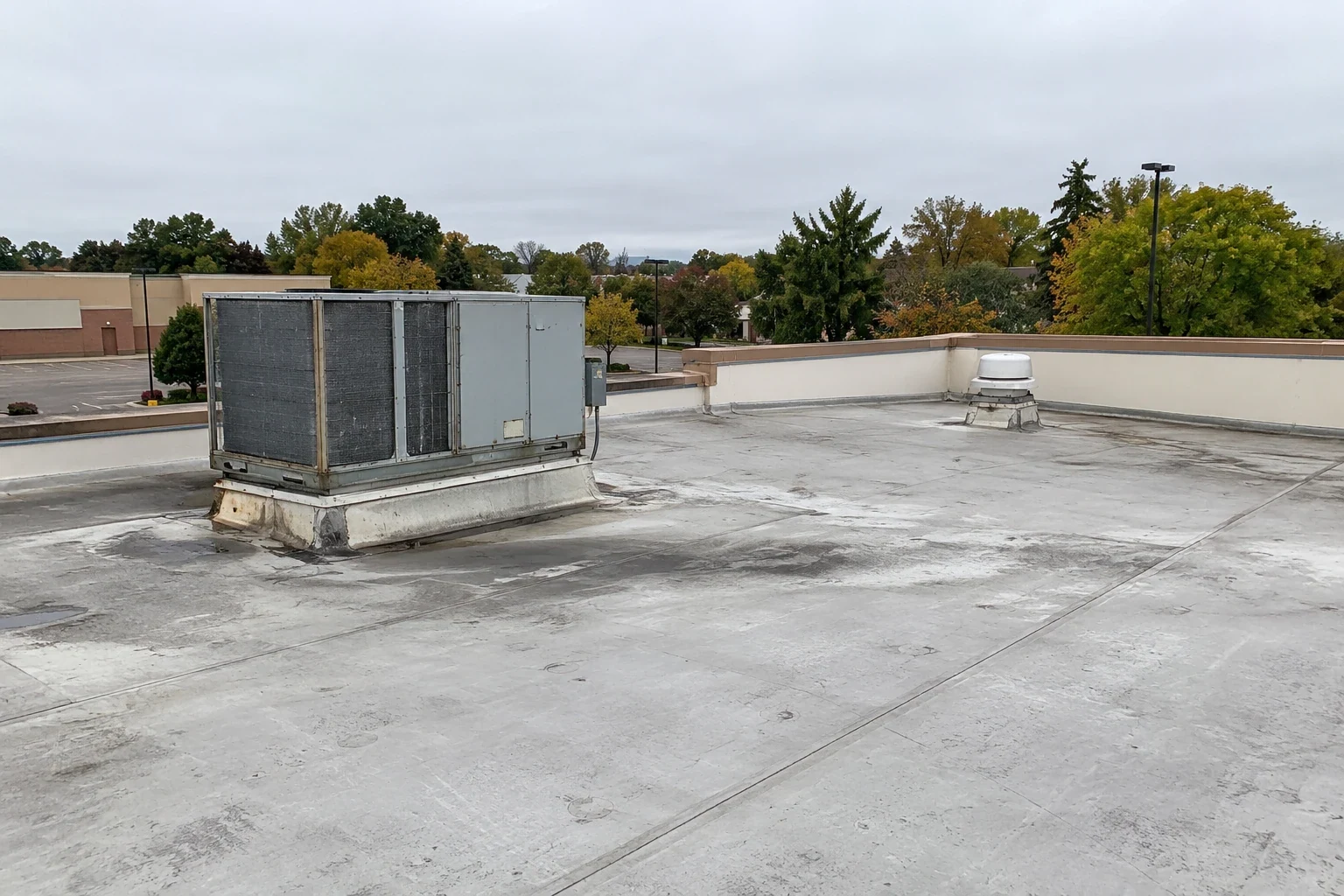
What should be checked around docks and rooftop equipment?
We inspect the reported interior location against the roof field, drains, scuppers, wall transitions, curbs, penetrations, and previous patches. Dock canopies and door assemblies may be separate from the main roof, so the inspection identifies the precise structure and interface involved. Ponding, displaced edge metal, open membrane seams, and punctures are recorded only when observed. A camera image of one wet ceiling does not establish the cause. A roof inspection can map visible conditions, while drainage review traces the outlets and flow path. The Moberly Industrial Area is listed with U.S. 63 access and utility infrastructure, and the Cartwright Business & Technology Park is associated with a distribution center. Neither fact says what is on any neighboring roof. When a property is near those named places, we still use its address, roof plan, and field conditions as the inspection basis.
How should an operator compare a patch with a larger scope?
An isolated puncture or failed seam may support a limited repair when adjacent material is secure and moisture remains confined. Recurring leaks at several dock bays, widespread wet insulation, or repeated failure at prior tie-ins may require a broader comparison. We state the repair boundary, material compatibility, and what will remain outside the work. A focused repair proposal should identify the exact roof zones, while replacement planning describes removal, new assembly, drains, edges, penetrations, and daily weather protection. If the building is used for third-party logistics, the owner may need a separate schedule for each tenant or inventory area. The project record should not collapse these requirements into a generic access allowance. Manufacturing roof coordination addresses a different operating profile, and portfolio roof records help maintain address-level history when one manager oversees several facilities.
At a distribution property, map the work area against dock doors, trailer circulation, receiving windows, and the route used to bring material to the roof. The site contact confirms current restrictions. We identify the loading area protected below and the point where each roof zone will be secured before a shift ends.
What should the closeout record show after a storm?
Columbia's spring is the wettest season and can bring hail or tornado-producing storms. Summer downpours may be localized, and later-season storms can bring damaging wind. A regional report does not establish damage to a warehouse; the roof must be inspected for physical evidence. We photograph the affected zone, note the date, distinguish emergency cover from permanent repair, and record the next check. If a shift continues below the work, the owner confirms protection and safe access before operations resume. Emergency response can secure an active opening while a full scope is prepared. The end-of-day note should also identify the tie-in, any exposed material, and who accepted the area back. An asset file with those details lets dispatch, facilities, and ownership see whether the roof was inspected, temporarily protected, or fully repaired, without relying on an ambiguous ticket status. If a later inspection finds a change, compare it with the original photograph and identify whether the repair boundary moved. Keep a separate notation for roof areas that were not part of the authorized work, so closeout does not imply that every leak report was resolved. A portfolio review can then distinguish a completed service call from a larger capital project still awaiting approval.
Water around a dock can come from a roof opening, wall interface, door assembly, or another building component. Record the interior location and inspect the accessible roof-side details before assigning cause. If a unit or conveyor requires a service vendor, keep that interface outside the roofing scope until responsibility and timing are confirmed.
The I-70 Business Loop connects established commercial and industrial properties with institutional activity around Hickman High School. At a distribution property, that is a useful local reminder to plan roof access against truck circulation and active receiving, while leaving the condition report specific to the building. Mark the dock or bay below each observation, then note whether the route to the reported leak crosses a drain, curb, expansion joint, or neighboring roof section. If work is split across shifts, the handoff should identify the area secured at the end of the shift, any route that remains closed, and who accepts temporary protection. A later inspection can use the same roof-zone labels to compare what changed. That record helps operations distinguish a new storm finding from an older repair without interrupting dispatch to reconstruct the scope.
Commercial Roofing Questions
Can roof repairs happen while freight continues to move?
The operator confirms truck paths, dock availability, and staging limits. We sequence the roof area around those instructions and record any affected door or interior zone before work starts.
How do you investigate water near a loading dock?
We identify the specific structure and compare the reported area with roof edges, drains, curbs, walls, and door interfaces. The report separates observed conditions from a path that still needs testing.
When is a roof-wide replacement worth comparing?
Repeated failures across separate zones, broad moisture evidence, or a repair boundary that no longer remains stable can support a larger option. We present the observations and assumptions behind that comparison.
What storm information should go into the facility file?
Keep the report date, roof-zone photographs, physical conditions, temporary protection, permanent work authorization, and return check together. The weather event is context; the building evidence supports the repair decision.