
SOPREMA Commercial Roofing in Columbia, MO
A SOPREMA name can appear on a single membrane, a multi-ply roof, or a liquid-applied product, so the product record has to be matched to the installed roof. We inspect accessible surfaces, laps, field seams, penetrations, drainage, and previous repairs, then note what the evidence supports. The manufacturer's commercial portfolio includes SBS-modified bitumen, PVC sheet membranes, and PMMA or PMA liquid-applied systems. These materials have different substrates, seams, and preparation requirements. Columbia sees recurring winter freeze-thaw, wet spring conditions, and hot summer periods; those exposures shape the inspection questions but do not prove a defect. The District has a mix of downtown properties, while Columbia's industrial and office uses also extend to places such as LeMone Industrial Park. Local context helps identify the market, but neither place establishes roof type or building condition. The report begins with the property and the visible assembly, then defines which repair, restoration, or investigation could follow.
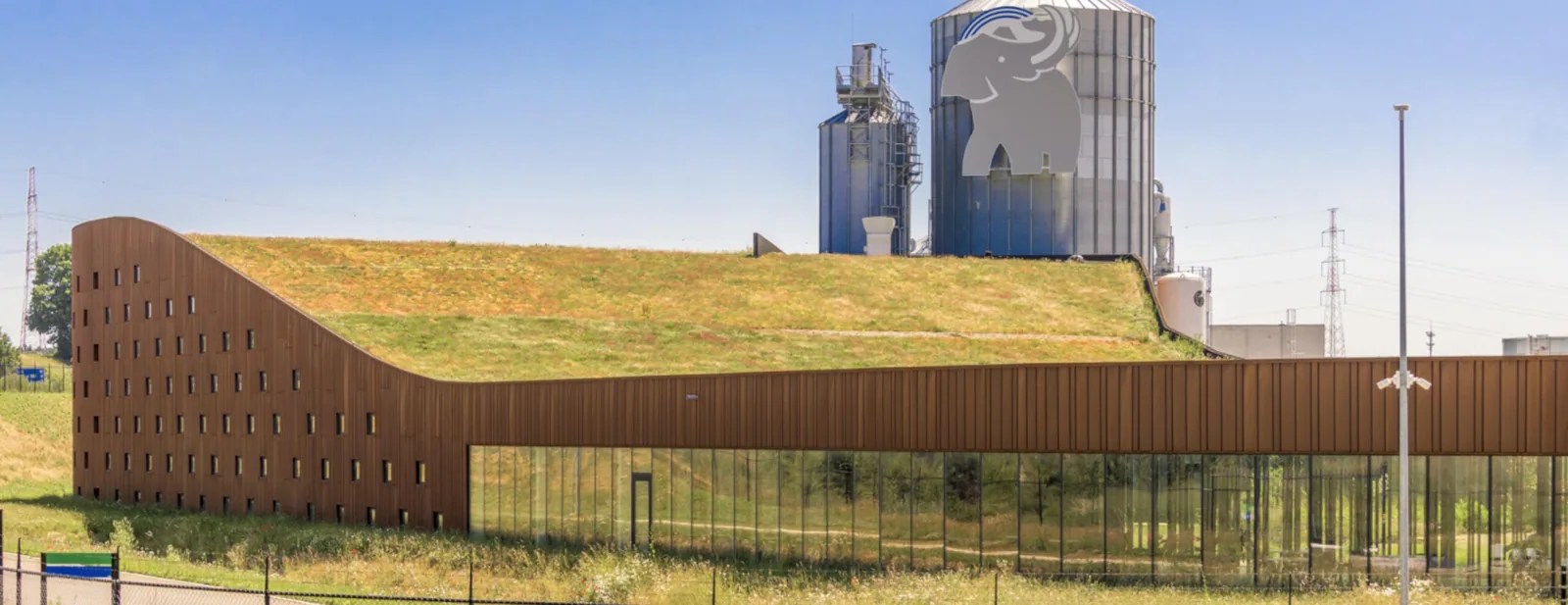
Which SOPREMA system is present?
Review the approved submittal and closeout package for membrane type, ply sequence, surfacing, insulation, flashing material, and installation method. SBS-modified bitumen is an asphaltic system with reinforcement and plies; a PVC membrane is a single-ply sheet with welded seams; PMMA or PMA products are liquid-applied and require the specified substrate preparation and application. A modified-bitumen assembly and a PVC roof should be inspected differently even when both are associated with SOPREMA. Identify later coatings or patches as separate work, since the visible surface may not be the original system. If the roof contains more than one section, use the roof plan to map each assembly and its transition. A brand name on a container or invoice could refer to flashing or adhesive rather than the field membrane. When documents are incomplete, state the identification limit and what evidence would narrow it. This is more useful than specifying a product family from color or appearance alone.
Related Roofing Work
More commercial roofing work connected to SOPREMA Commercial Roofing in Columbia, MO.
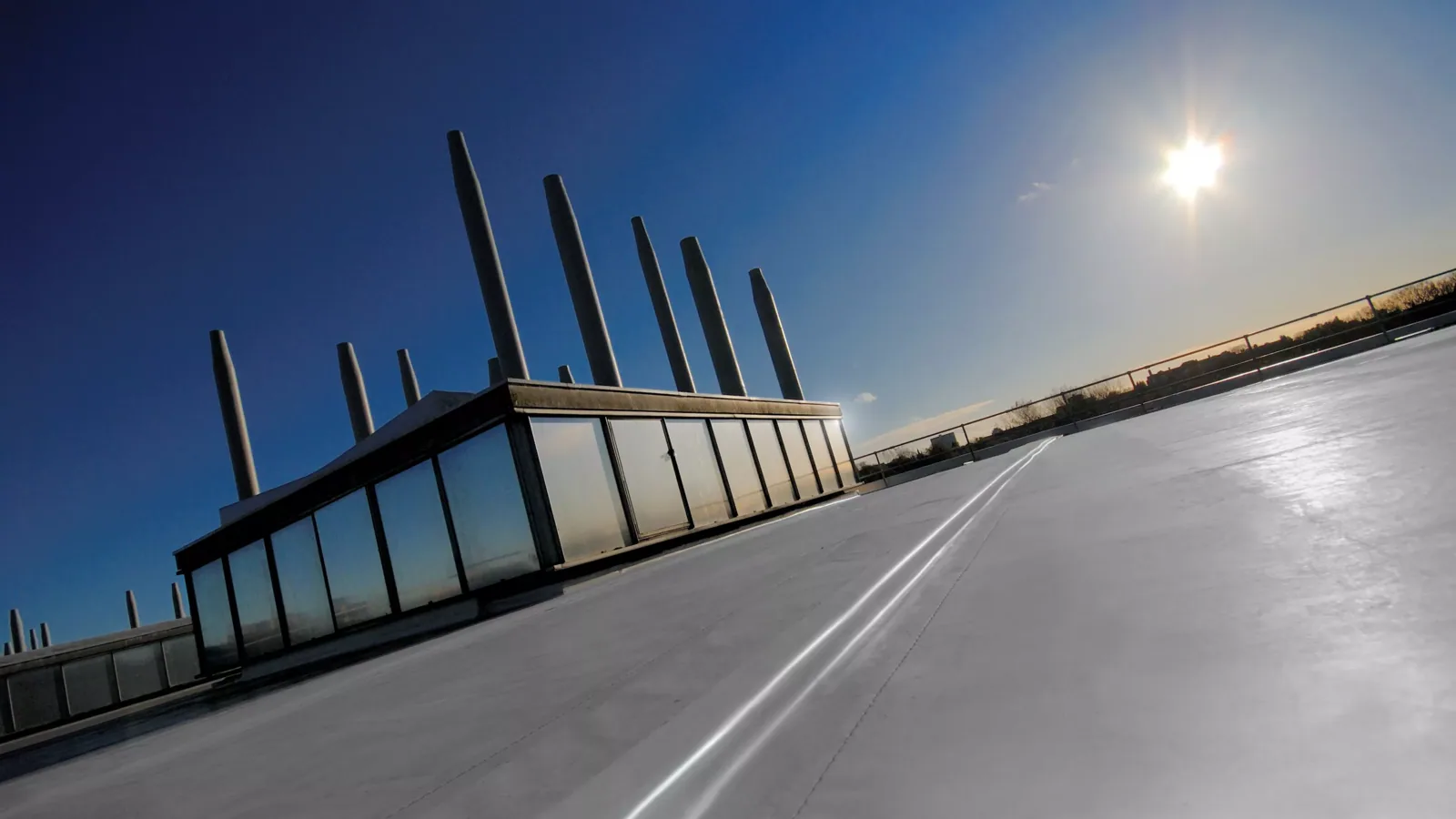
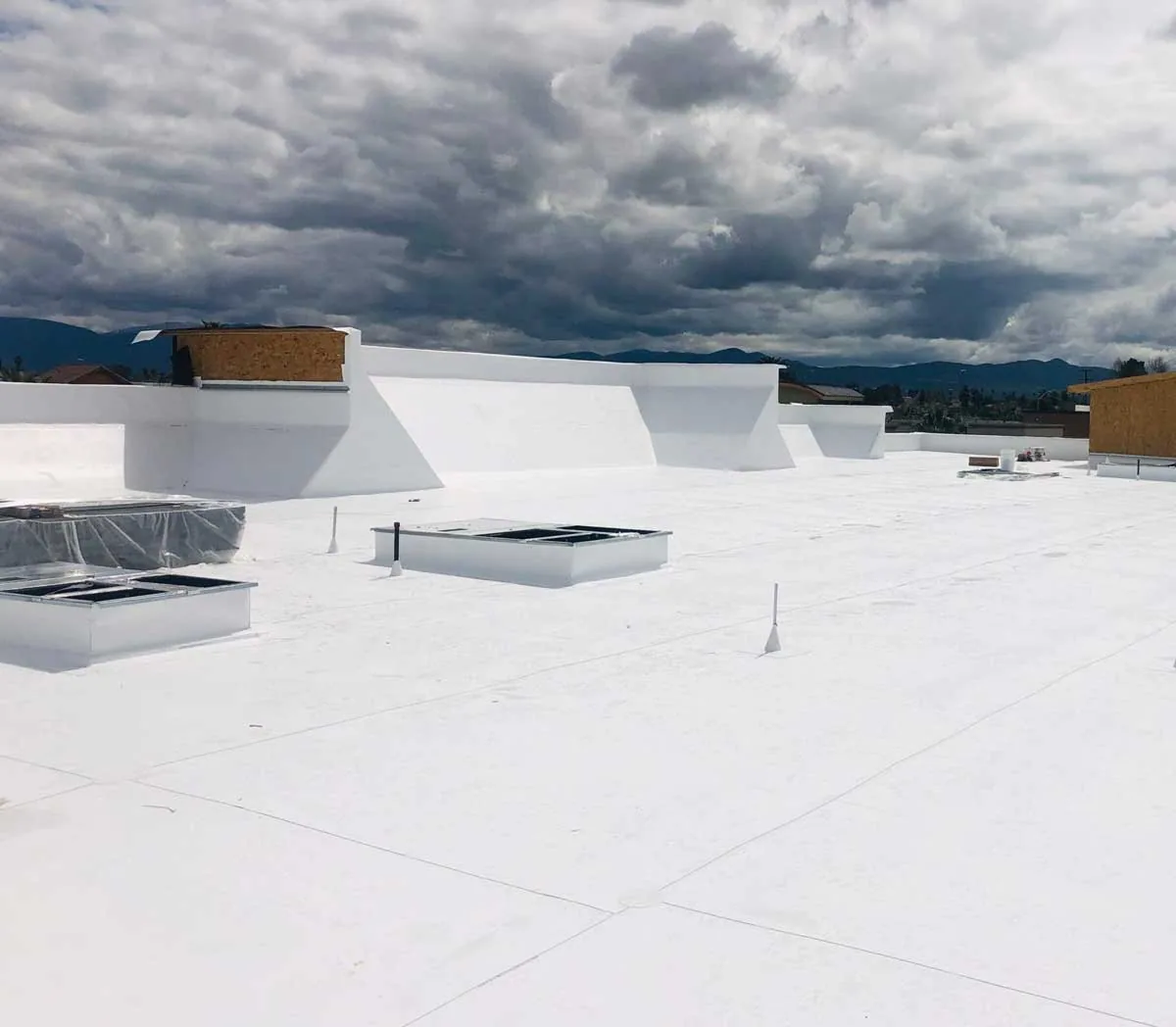
What does a multi-ply inspection look for?
On modified bitumen or built-up roofing, check laps, seams, granule or coating surface, blisters, exposed reinforcement, drainage, and flashings at penetrations and walls. Note whether deterioration stays at the surface or suggests a deeper moisture question that needs testing. A repair proposal should name the ply or area included and explain whether the work requires heating, cold-applied material, or another approved method. A hands-on roof inspection can document visible conditions; a flashing evaluation maps a wall or curb transition separately from the field. Spring is Columbia's wettest period and is more likely to bring severe storms with large hail and tornadoes. After a storm report, record actual marks, open laps, or displaced details rather than assuming every surface change came from the event. The I-70 Business Loop is a Columbia corridor with commercial and institutional activity, but it does not tell us the roof build-up of a nearby property. Match each observation to its address, elevation, and roof zone so the inspection can be repeated.
When does a liquid-applied detail need more investigation?
A liquid-applied system depends on substrate condition, surface preparation, reinforcement at transitions where specified, and the thickness and continuity required by its system detail. Look for pinholes, thin areas, peeling, cracks, or separation at a penetration, then determine whether the failure is limited to the coating or extends into the underlying roof. Do not coat over wet material or an unresolved opening. A coating review should evaluate adhesion and compatibility, while a recover assessment is a separate choice that involves existing layers and substrate. If the roof includes an SBS system beneath a liquid-applied treatment, document both layers and the evidence for their condition. Columbia's summer can bring very warm days and localized downpours. Weather timing may influence when a surface can be prepared and allowed to cure, but the manufacturer instructions and actual substrate conditions control the application sequence. A scope record should state where preparation starts and ends, what reinforcement or flashing is included, and which areas remain outside the work.
How should repair and replacement options be compared?
A localized defect in otherwise serviceable material may support a repair. Widespread loss of adhesion, recurring open seams, wet insulation, or an assembly that cannot accept compatible patching may lead to a broader comparison. We describe each option with the same roof map, list preparation and tie-in requirements, and separate confirmed defects from concealed conditions that need verification. A repair scope should identify materials and boundaries. If a replacement is under consideration, a replacement plan should identify removal depth, insulation, cover board, drainage changes, edges, and daily close-in. Columbia's commercial plan review uses the 2024 codes package, including existing-building and energy provisions, but the project design determines which requirements apply. A roof recommendation should not claim code compliance from a surface inspection. The city identifies education, healthcare, technology, research, and manufacturing as parts of its economy; an owner may have different operating needs across those sectors. Confirm the actual property's contacts and access requirements before setting timing, rather than assuming the use from its location.
Which documents preserve the SOPREMA roof history?
Retain the product data, approved assembly, installer closeout photos, repair materials, maintenance visits, and written warranty documents with the building's roof record. Each item should identify the area it covers, date, and any limitation or deferred condition. For a multi-ply roof, note surfacing and repair method; for PVC, keep seam and flashing images; for liquid-applied work, preserve preparation and completed-detail photographs. A photo-based condition report can link those images to field observations, and warranty-file tracking can keep the terms and service records together. For material comparison, Sika Sarnafil PVC and GAF systems should be evaluated against the same substrate and project requirements. We can inspect accessible areas, compare available SOPREMA records with current conditions, and identify the repair boundary or next investigation. If a concern remains after the visit, record the follow-up point and date. The next reviewer can then compare the same roof area instead of treating a new observation as an unrelated problem.
Spring is the wettest season in the Columbia region and the most likely time for supercell storms with large hail and tornadoes. For a multi-ply or liquid-applied roof, a post-storm review should distinguish damage to the surface from a condition at a lap, flashing, drain, or underlying layer. Photograph the area before debris is moved, mark any temporary dry-in, and note whether moisture testing is still needed. In a multi-ply assembly, the repair record should identify which layers were opened and how the transition was closed. For liquid-applied work, retain preparation, reinforcement, and cure-condition notes that the selected product requires. A later reviewer can then compare the completed detail with the original observation and decide whether another section needs inspection.
Commercial Roofing Questions
Does SOPREMA make only modified-bitumen roofing?
No. The commercial portfolio also includes PVC membranes and liquid-applied systems. We identify the product and assembly present before determining how its field seams or transitions should be checked.
Can a liquid-applied roof be recoated over an older layer?
We first check the existing material, adhesion, moisture, preparation, and written system requirements. A representative area and any needed testing inform the new application scope.
How do you evaluate an open lap on an SBS roof?
We photograph the lap and surrounding surface, inspect the flashing and drainage nearby, and determine whether the condition appears isolated. The repair method follows the confirmed assembly and approved detail.
Can I compare a PVC roof with an SBS system?
Yes, but the comparison should account for deck and substrate, roof use, seam and flashing details, project design, and removal assumptions. We present distinct scopes rather than treating the materials as direct substitutes.