
Roofing Capabilities in Columbia, MO
Maintenance history becomes useful when each inspection leaves a location and condition the owner can revisit. A survey establishes what is accessible; photographs and dated observations show condition; repairs identify a boundary; follow-up checks show whether that condition changed. Columbia’s spring storms, winter freeze-thaw cycles, summer heat, and localized rainfall give facilities teams reasons to schedule reviews, but only an inspection establishes a finding. Capabilities include roof asset management, condition reports, and capital planning, all tied to the actual building and scope.
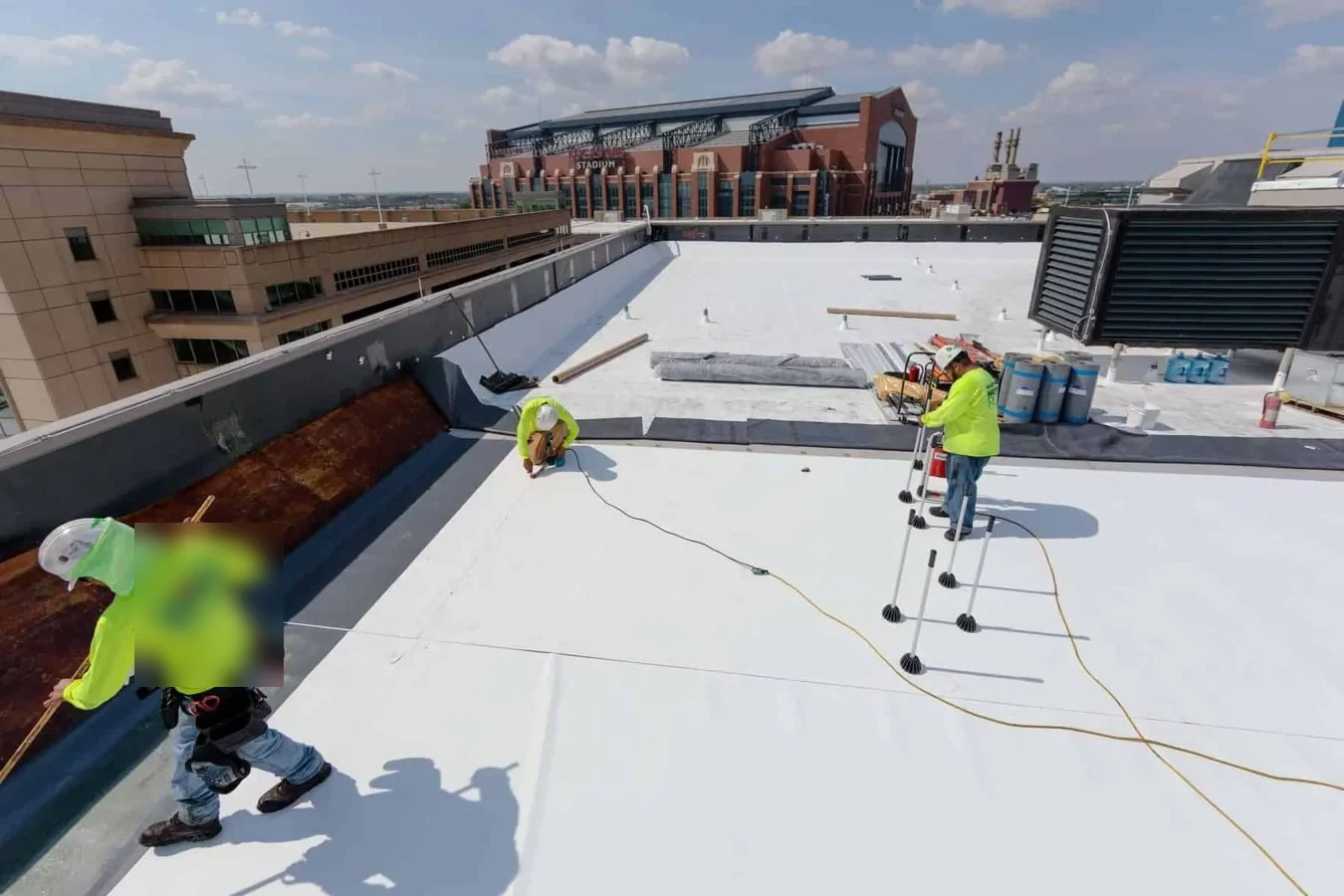
Commercial Roof Asset Management
Track roof condition, repairs, and follow-up dates across Columbia properties with a record that supports maintenance decisions and capital planning.
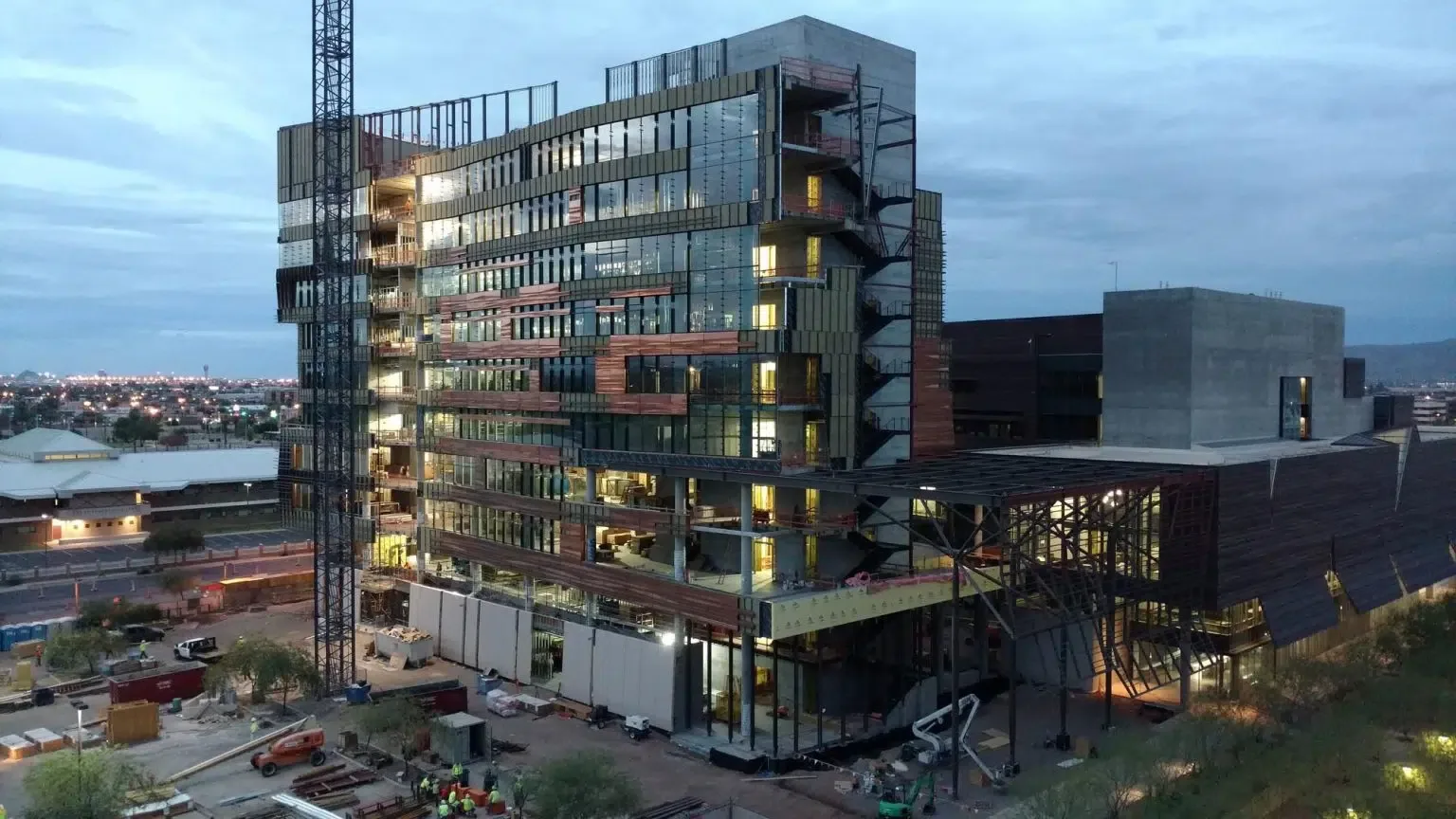
Commercial Roof Capital Planning
Compare repair, restoration, and replacement timing for Columbia commercial roofs using current field evidence, project limits, and documented assumptions.
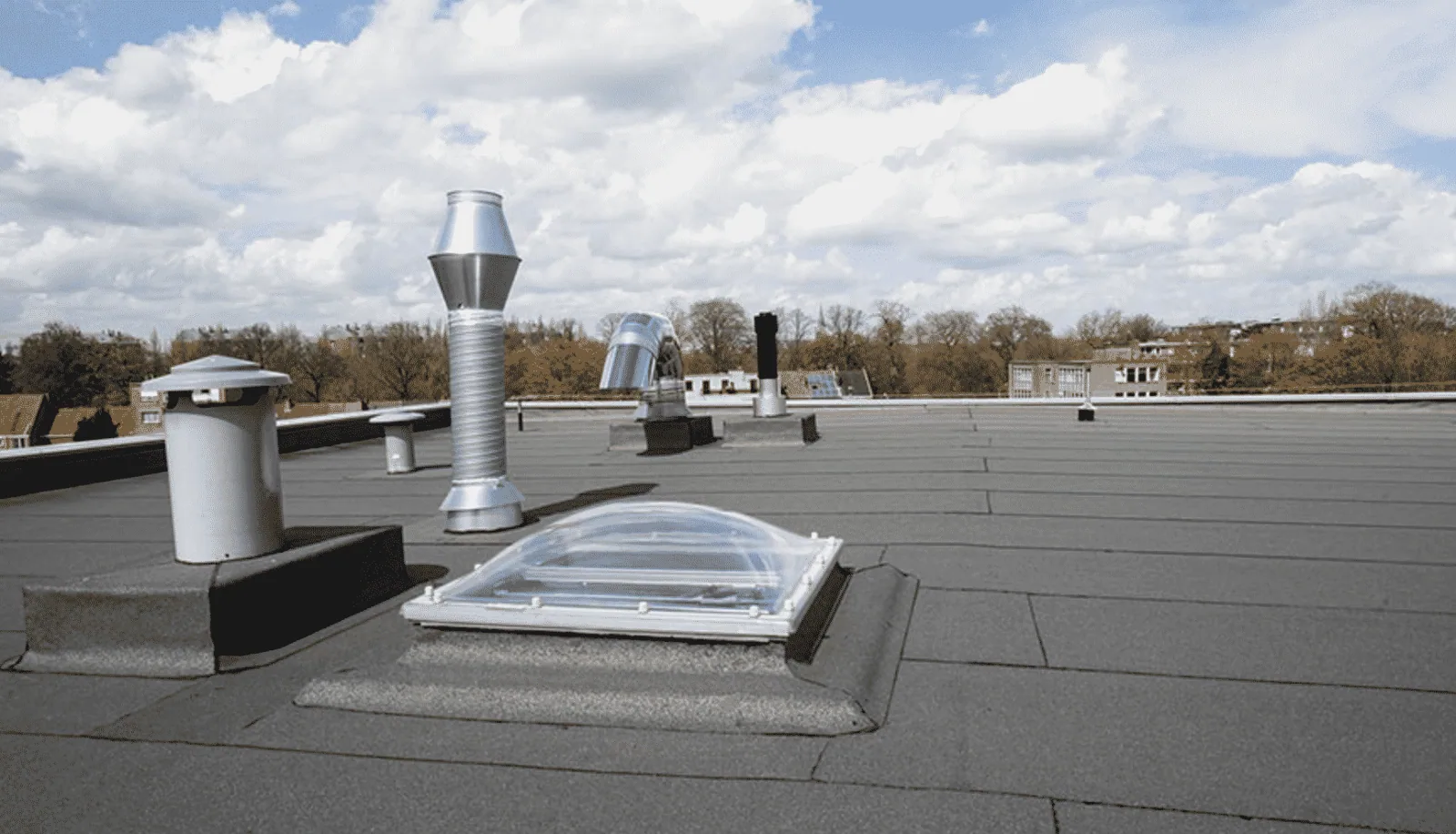
Commercial Roof Condition Reports
Get Columbia roof observations, photographs, repair boundaries, and follow-up recommendations in a condition report tied to the building and inspection date.
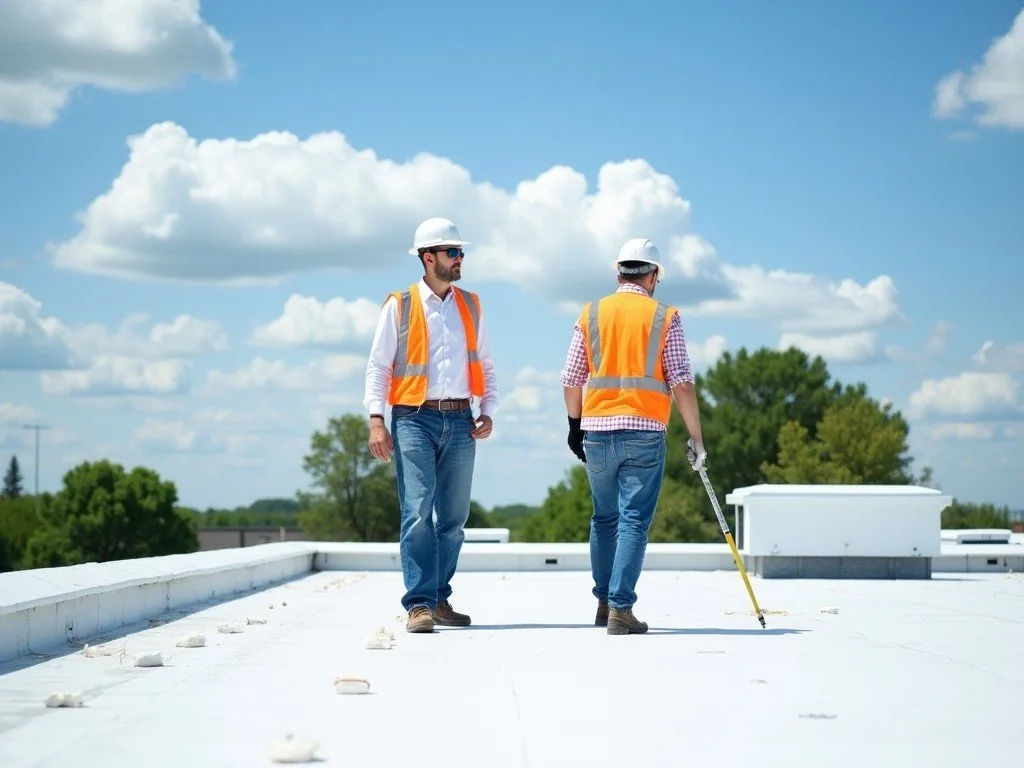
Commercial Roof Warranty Management
Keep Columbia roof warranty documents, repair records, inspection findings, and follow-up obligations together to support a clear maintenance decision file.

Commercial Roof Due-Diligence Surveys
Assess a Columbia property's visible roof condition, records, repair needs, and investigation limits before acquisition, refinancing, or a major investment.
Multi-Site Commercial Roof Programs
Coordinate inspections, maintenance records, repairs, and capital decisions across Columbia properties while preserving each building's roof-specific evidence.
Make condition records comparable
A field report identifies roof zones, access limits, photos, observations, and follow-up needs. Written condition reports distinguish visible facts from suspected concealed moisture. Warranty management keeps project records, repair details, and any owner-provided requirements organized. Due-diligence surveys can inform a transaction or project review, while the inspection remains limited to the areas and methods stated. The University of Missouri campus and MU Health Care facilities demonstrate why a portfolio index should keep individual roofs separate. One institution’s records do not describe another building’s assembly.
Connect maintenance to capital decisions
Condition history can help prioritize testing, repair, restoration, or replacement. Capital planning uses current roof findings and remaining work assumptions rather than a generic age label. Multi-site programs can coordinate inspections across Columbia, Moberly, or Fulton while preserving each property’s access and condition file. A maintenance plan is strongest when it records completed work, open issues, and the next inspection point. It should also identify when an emergency repair was temporary and what follow-up would establish permanent correction. A capital plan can distinguish immediate work from work that is condition-based or deferred, with the evidence and assumptions behind each choice. The owner can connect that sequence to roof history, planned building changes, and cash-flow timing. When work is phased, establish temporary protection and a point for checking completed zones before moving to the next area. If conditions vary across a roof, report those differences rather than reducing the whole building to one rating. This makes later updates more useful to facilities staff and project reviewers.
Keep the evidence tied to the decision
For every recommendation, preserve the inspected area, supporting photos, scope boundary, exclusions, and next check. If testing changes the diagnosis, record what was learned and how the scope changed. Columbia’s building-review package includes commercial and existing-building provisions; the project team confirms requirements for each proposed alteration. The Hospital Drive medical corridor, Boonville, and Moberly Area Industrial Park have separate access needs and roof histories. Capability work should make those differences visible in the records. Owners can then compare condition over time and decide what to repair or plan next from information tied to the building.
How do inspections become usable work plans?
A survey is only useful when its observations point to a decision. We label roof zones, separate visible conditions from items that need testing, and show which finding supports each proposed repair or follow-up. When several buildings are involved, each receives its own record and access limits. That makes it easier to assign immediate work, monitoring, and capital review without carrying an assumption from one roof to another.
Commercial Roofing Questions
Can a portfolio program use one condition for multiple buildings?
No. A portfolio can coordinate dates and priorities, but every roof needs its own observations, photos, access limits, and scope.
Can one inspection report cover an entire property portfolio?
One report can summarize a portfolio, but the underlying observations should remain separated by building and roof area. That keeps each repair decision tied to its own evidence.
When should infrared be added to a roof review?
Use it when thermal patterns could help locate areas for confirmation and the result may change the scope. A scan alone does not establish wet insulation.
What makes a condition report useful at budget time?
It states the inspection date, roof area, evidence, limits, recommended action, and assumptions. The owner can then compare proposed work against a consistent record.