
Commercial Roof Coating Restoration in Columbia, MO
A coating sample that peels at the edge tells us more than a product label can. It may point to poor preparation, incompatible material, moisture, or a substrate that is no longer sound. In Columbia, summer heat and localized downpours add separate exposure to the freeze-thaw cycle and wet spring weather. A coating can be considered when the existing roof is stable enough to accept preparation and adhesion, but it cannot correct widespread saturated insulation, failed attachment, or a deteriorated deck by covering the surface. We inspect seams, flashings, drains, penetrations, ponding areas, and prior repairs, then perform an adhesion check where appropriate. The documented condition should show why coating is a reasonable restoration option or why another scope needs comparison. Buildings in Columbia's institutional and employment mix, including the facilities listed at Forum Boulevard Corridor, call for a roof-specific review rather than an assumption based on use alone. A coating proposal should make the surface preparation and repair boundary visible before application begins.
What must be sound before a coating is applied?
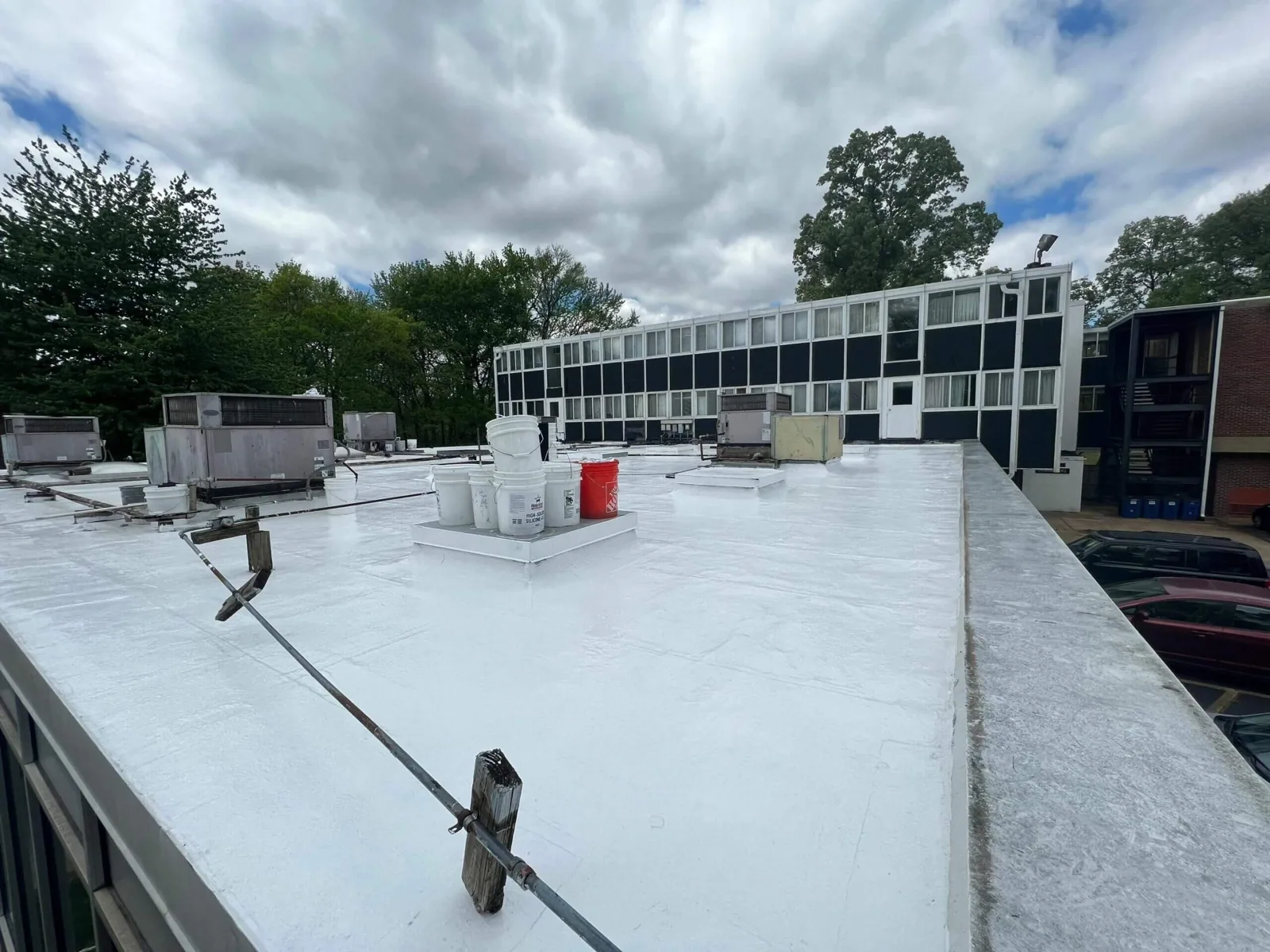
The existing roof needs a stable substrate and a drainage path that can be maintained. We check membrane or metal condition, loose seams, open flashing, punctures, areas of retained water, and signs of moisture beneath the surface. A coating adheres to what is prepared; if the underlying assembly is moving, wet, or weak, the top layer does not remove that condition. We may recommend infrared review or a selective test cut when the visual record leaves moisture unresolved. The report distinguishes a confirmed wet location from an area that merely looks different. On a roof with multiple additions or prior repairs, we map transitions because coatings can bridge some small surface details only when designed for that use. A severe split, unstable termination, or failed drain detail needs correction before the field coating is considered. Moisture testing can help define the area for closer evaluation, while replacement comparison remains useful when the existing assembly cannot support restoration.
Related Roofing Work
More commercial roofing work connected to Commercial Roof Coating Restoration in Columbia, MO.
How does surface preparation affect the result?
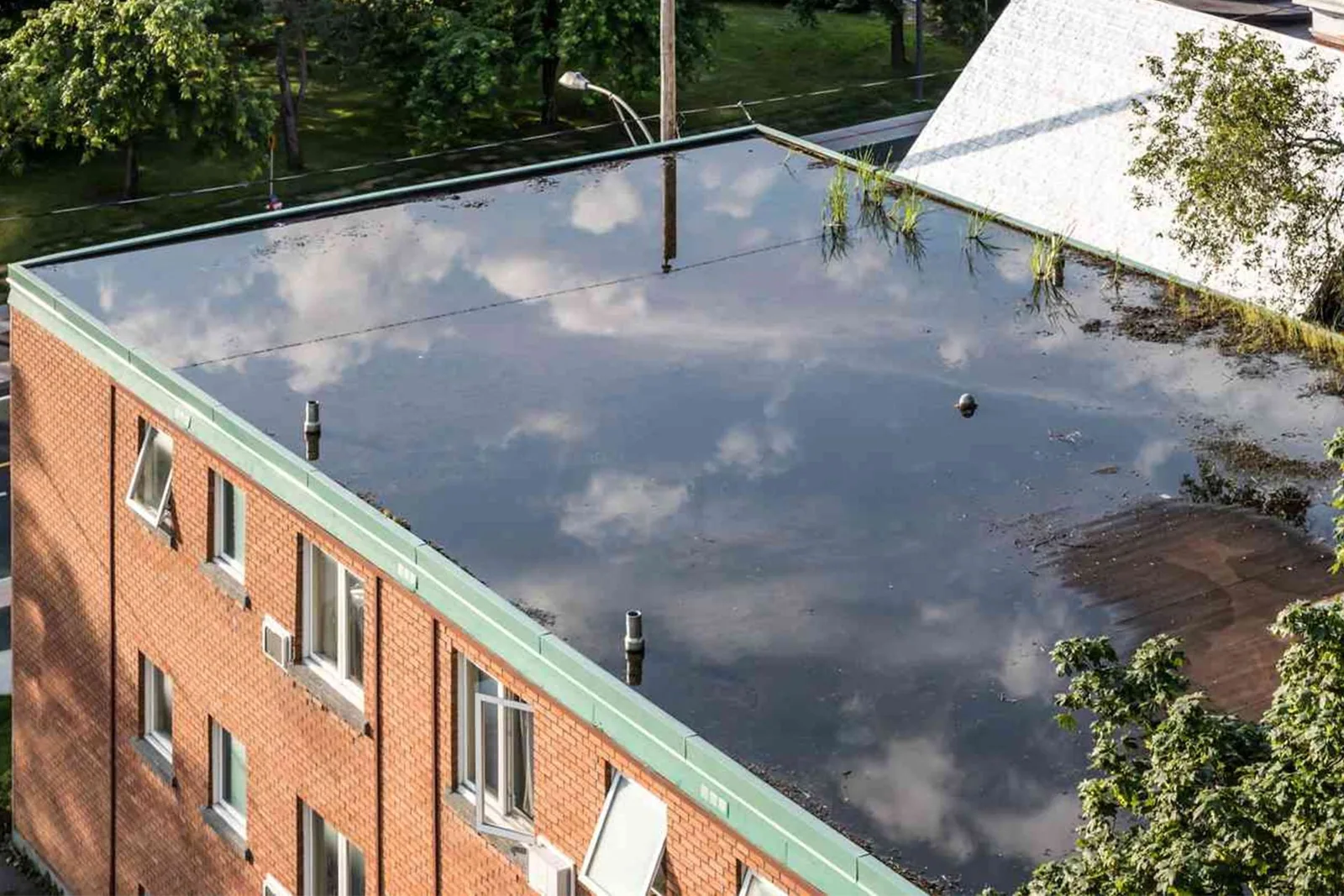
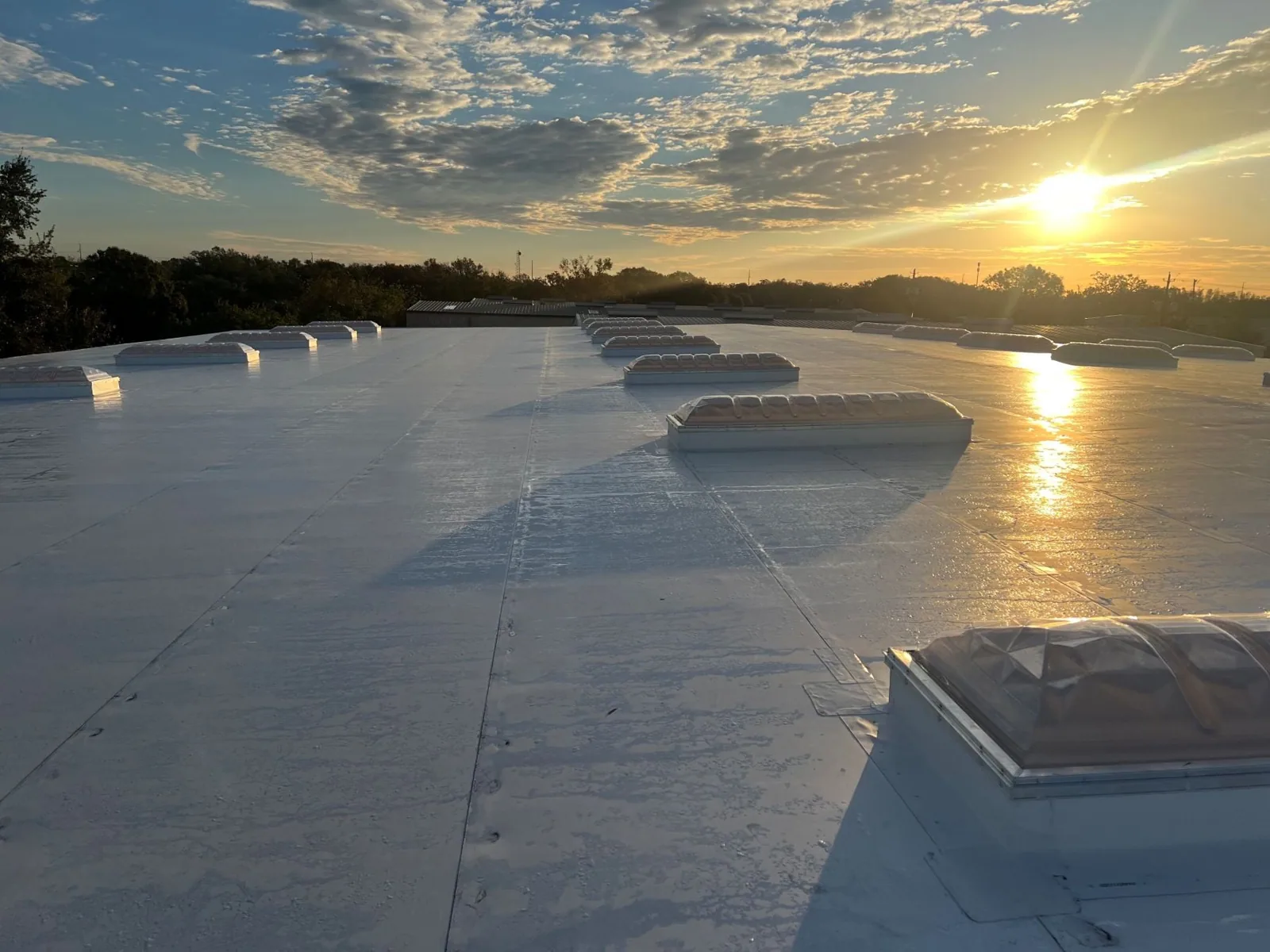
Preparation is part of the roof scope, not a brief step before the coating. We remove loose debris, clean the substrate using a method suited to the roof, repair open seams and flashings, and allow the surface to dry as required by the product instructions. The crew protects drains, equipment, walls, and adjacent finishes from overspray or runoff. Existing coatings may need adhesion testing, and different roof materials may need separate primers or reinforcement at transitions. We record the areas prepared and repairs completed, then verify the surface is ready before application. If the surface remains damp or a storm arrives, postponing coating can be safer than applying over uncertain conditions. Columbia's spring rains and summer downpours make a dry work window and a plan for sudden weather important. Repairs to seams and flashing should be completed and documented before the coating obscures the original detail.
Which coating type fits the roof?
Coating selection depends on the existing roof, expected exposure, slope and drainage, compatibility, and the details that need reinforcement. Silicone and acrylic systems have different characteristics, so we review the substrate and project conditions before recommending either. We do not choose a material solely because it is common on another building. The scope identifies the coating system, preparation, primer if required, reinforcement at seams or penetrations, and the application rate specified for that system. It also explains whether ponding, roof movement, or frequent service traffic affects suitability. A new coating cannot restore a roof section that has lost attachment or conceal active moisture without risk. If a low area holds water, drainage correction may be needed before coating; a silicone system or acrylic system can then be evaluated against the prepared roof and its use.
What happens during application on an active building?
Before mobilization, we confirm roof access, weather conditions, protection needs, staging, and the areas that must remain clear. The application sequence divides the surface into manageable zones, so preparation, detail work, and coating can be tracked by location. We protect intakes or sensitive equipment when required by the project, and coordinate any temporary restrictions with the site contact. The I-70 Business Loop study describes a mix of commercial and institutional activity along the corridor; at any address, access arrangements still need to be confirmed with that building's contact. For a multi-building owner, labels should identify which roof area was prepared and coated, not simply state that the site was completed. If the day becomes too wet, windy, or cold for the material, work pauses and the exposed area is protected. Occupied-building work planning can help set roof zones and daily limits without implying that normal operations are unaffected.
How do we verify the restoration afterward?
Closeout should show the prepared substrate, repaired details, coated areas, terminations, penetrations, drains, and any section left outside the scope. We keep dated photographs and identify the roof area so a future maintenance visit can compare changes. The report also lists conditions that remain to be monitored, such as recurring ponding or an adjacent assembly that was not coated. A follow-up check after the coating has cured can confirm visible continuity at seams, flashings, and transitions. It does not replace later inspection after weather or service work. The City of Columbia uses the 2024 building-code package for commercial plan review; if a restoration project changes the assembly or includes other alterations, applicable requirements should be checked for the specific scope. The closeout record should also state the date, product area, and any exclusions, giving the owner a practical baseline for comparing later observations without implying that the roof needs no further attention. A written condition record can preserve the before-and-after view, while scheduled maintenance can track drains and repaired details over time.
Closeout should identify the areas prepared, repaired, primed, reinforced, and coated, with photographs at representative details and transitions. Record the product system and application information in the project file, along with any area that did not meet the specified conditions and was left outside the work. The owner should receive a roof map that makes later inspection points repeatable. A coating can only be evaluated against the surface and preparation it was applied over, so preserve those records rather than describing the entire roof as restored. Columbia's summer storms can deliver heavy rain in localized areas; the first post-work inspection should check drains, terminations, and details included in the scope.
Commercial Roofing Questions
Can coating be applied over a roof that leaks?
A leak should be traced and the failed detail repaired before coating is considered. We inspect the likely water path and check for moisture in the assembly. If the roof contains wet insulation or unstable material, coating over it would leave that condition unresolved.
Does coating work over every membrane or metal roof?
Compatibility depends on the existing surface, coating chemistry, preparation, and detail conditions. We identify the substrate, test adhesion where appropriate, and specify any required primer or reinforcement. The proposal should name surfaces that are outside the recommended application area.
What if rain is forecast after preparation?
The crew checks the weather window before opening or coating a surface. If rain, wind, or temperature could affect adhesion or curing, application may be delayed and the prepared area protected. The daily record shows which zones are complete and which remain pending.
How do we compare coating with tear-off?
We compare the confirmed substrate condition, moisture evidence, repair history, and drainage against the work each option requires. A coating scope restores a suitable existing assembly; tear-off addresses conditions that cannot be corrected from the surface. The findings and limits should be stated for each roof area.