
Sika Sarnafil Commercial Roofing in Columbia, MO
A Sarnafil or Sikaplan reference can identify a PVC membrane family, but a roof inspection still has to establish which system and details are installed. We compare available submittals with field markings, seams, flashing, and prior repairs, then document the roof area and any uncertainty. Sika's commercial roofing range includes PVC, modified bitumen, and liquid-applied systems, so material selection cannot be inferred from the manufacturer name alone. Columbia winters cycle through freezing and thawing, while wet spring storms may bring hail or tornadoes. Those conditions inform when an owner may want a follow-up check, but only observed evidence supports a repair boundary. The University of Missouri campus manages a varied set of research, residential, utility, and student facilities; LeMone Industrial Park is a separate area with office and light-industrial uses. Neither setting establishes a roof material or condition. We record the actual building and installed assembly before recommending work.
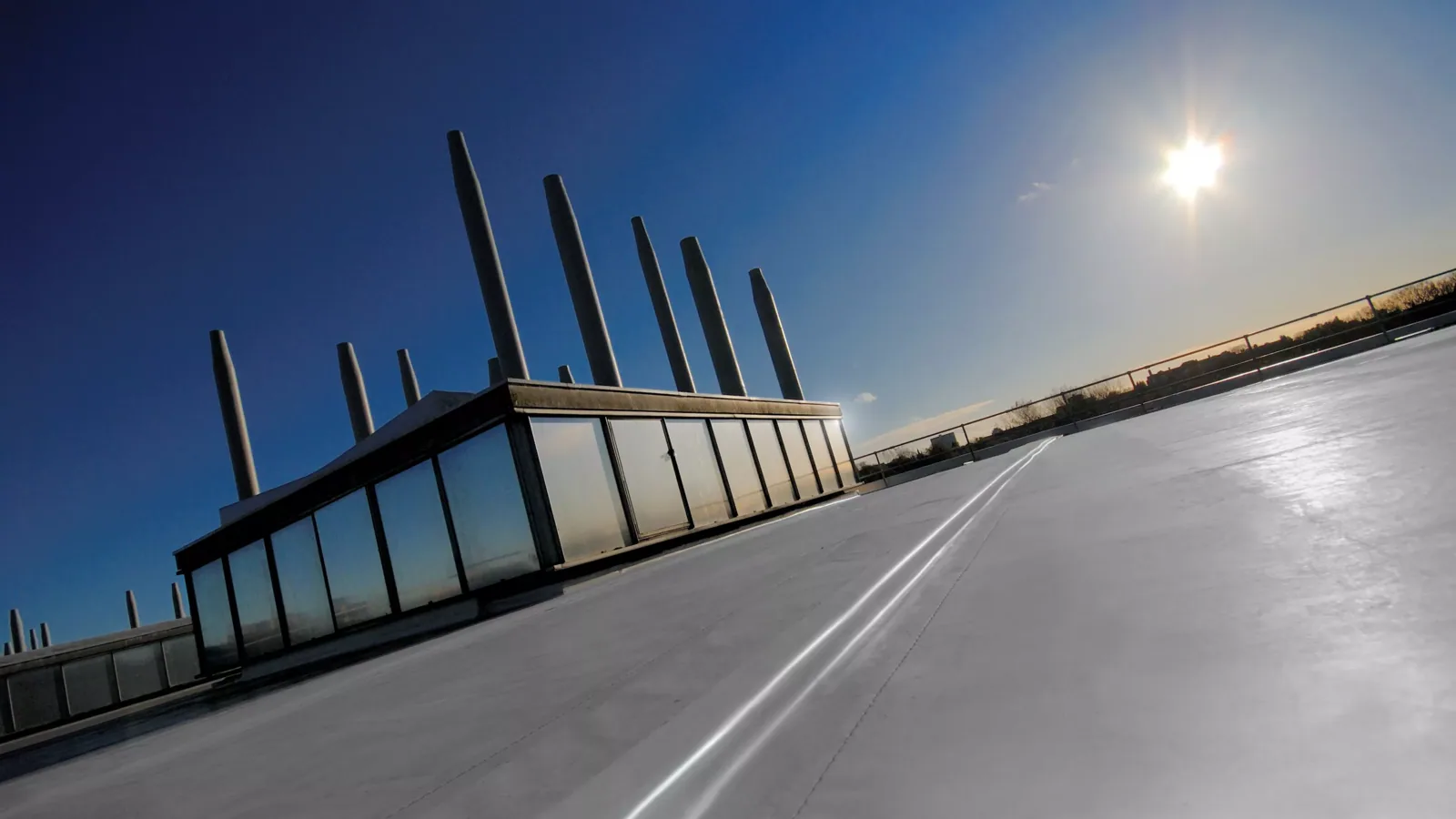
Which Sarnafil or Sikaplan system is on the roof?
Sika's U.S. roofing portfolio includes PVC membrane systems with adhered and mechanically attached configurations, along with hybrid and other specialty assemblies. Product labels, approved details, and closeout photographs can help identify the installed membrane. Check whether the system uses a smooth or felt-backed sheet, how the laps are joined, and which flashing details appear at curbs, walls, and drains. A PVC roof assembly requires material-compatible seams and accessories; it should not be treated as equivalent to another single-ply family. If a previous contractor used a coating, liquid flashing, or a repair membrane, record that change separately. The current surface may include more than the original product. When records and field appearance disagree, leave the system partly unidentified and specify what sample or document would resolve the issue. A repair scope should name the membrane only when supported by evidence, then state substrate preparation, patch dimensions, tie-in, and the surrounding area inspected. That keeps the selected material connected to the physical roof rather than the wording on a product sheet.
Related Roofing Work
More commercial roofing work connected to Sika Sarnafil Commercial Roofing in Columbia, MO.
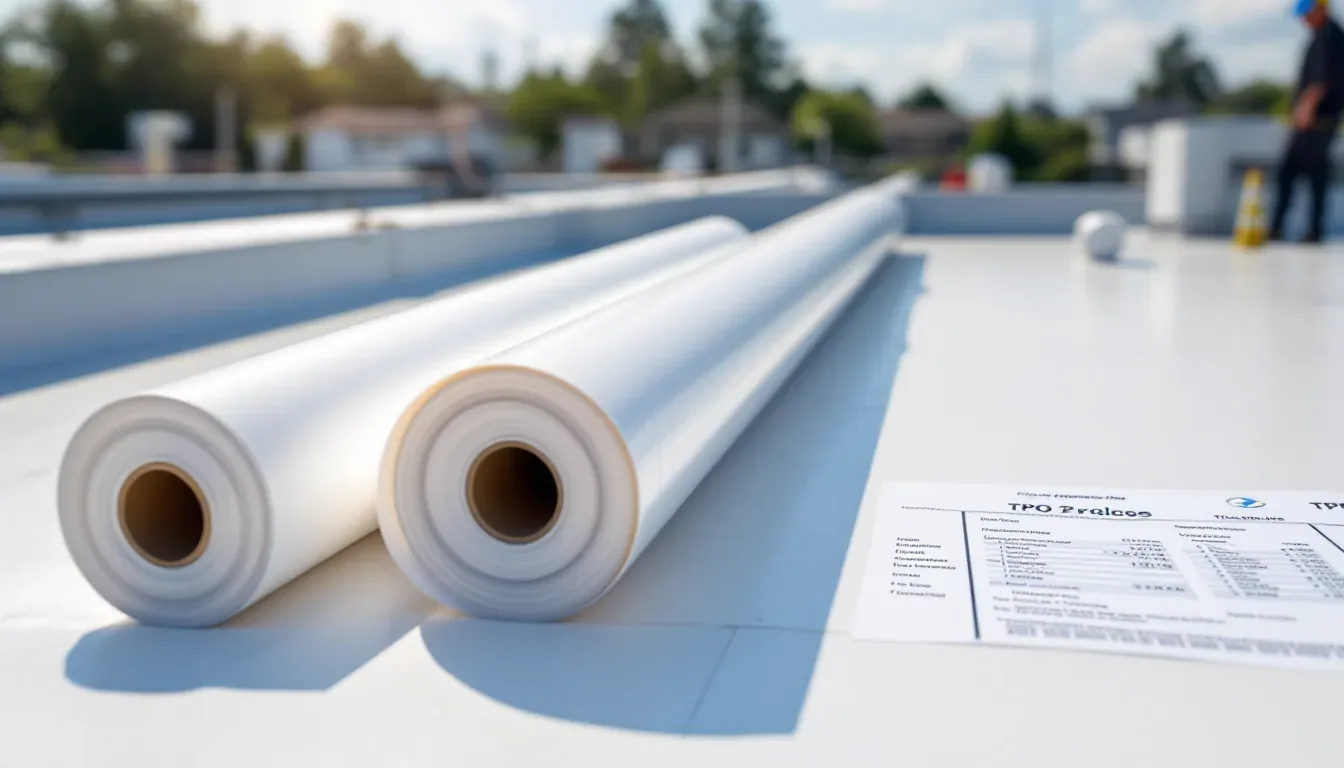
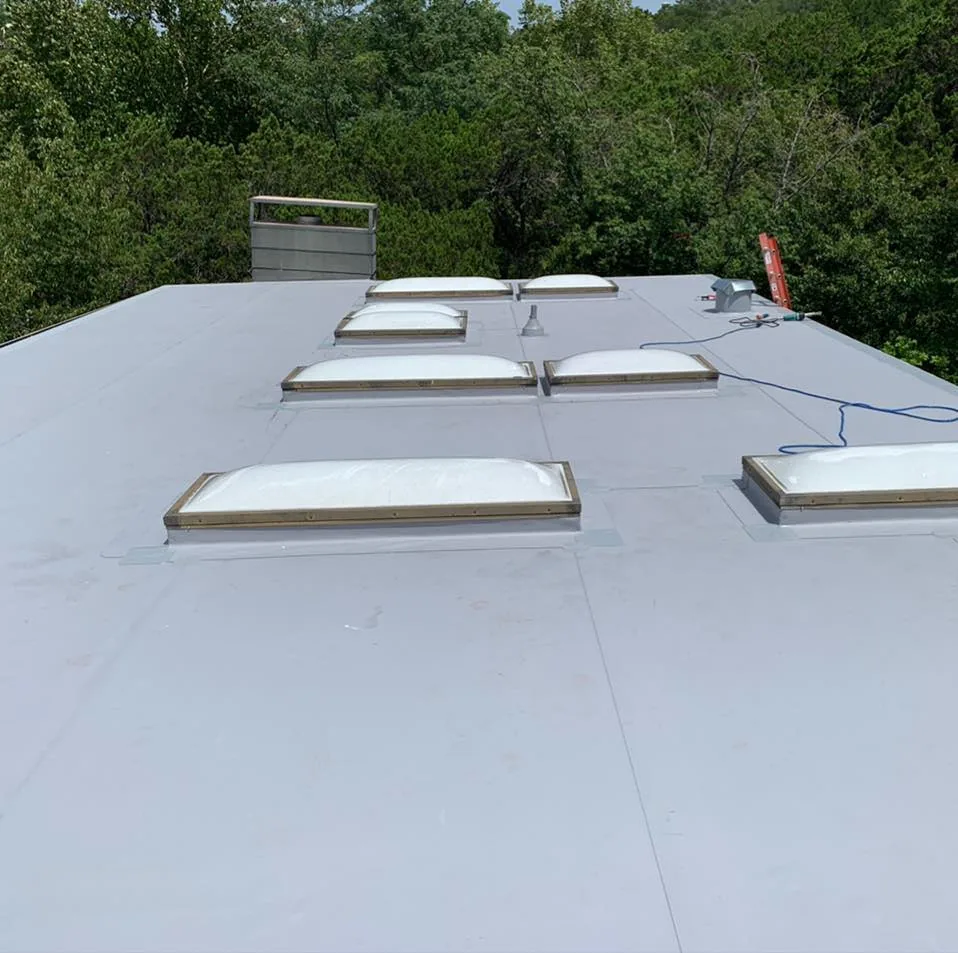
What roof details decide the repair boundary?
Inspect field welds, perimeter terminations, corners, penetrations, and transitions where membrane meets a wall, curb, or metal edge. Look for open seams, contamination, wrinkles, patches, and movement that may indicate a separate substrate or attachment issue. The roof plan should identify each observation so another visit can return to the same location. A hands-on inspection can photograph the detail and note areas that could not be reached. A transition review should separate a failed flashing from a defect in the field membrane. If water appears inside, map the likely path and inspect nearby roof details; the ceiling location alone does not prove where water entered. Columbia's spring is its wettest season and carries a greater likelihood of supercell storms with large hail and tornadoes. After an event, document visible impact or displacement, then compare with prior photos. An event summary without roof observations cannot define the repair. The I-70 Business Loop includes mixed commercial and industrial properties, but the corridor does not tell us what is above a particular suite or building.
How do substrate and attachment affect installation?
Confirm the deck and substrate, roof slope, insulation, cover board, and fastening or adhesive approach before materials arrive. An adhered assembly depends on suitable substrate and the specified bonding method; a mechanically attached design depends on the approved fastener layout and deck. At transitions, the detail must preserve drainage and continuity without covering a condition that should first be corrected. An insulation and cover-board review should map the layers being changed. For a recover, inspect existing layers, moisture, and attachment rather than assume the old roof can remain. A recover evaluation and a replacement comparison answer different project questions. Columbia's commercial review framework uses the 2024 building-code package, including existing-building and energy provisions. The specific design and permit process determine what applies to an alteration. At a property in The District, current access and staging instructions must come from the property contact; the district's mixture of businesses, residences, and public uses does not establish any one building's schedule. Record the accepted detail and field changes with photos before the assembly is closed.
When should PVC be compared with another system?
Compare systems when the roof history, use, exposure, or repair condition points to a different assembly, not because one product name is more familiar. PVC characteristics may suit some building requirements, while EPDM, TPO, modified bitumen, or a liquid-applied system brings different seams and installation steps. We review the current deck, slope, drainage, penetrations, and existing materials, then show the owner which project factors change the proposal. TPO options and modified-bitumen assemblies are separate comparisons, not interchangeable patches. If a roof has a chemical exposure concern, confirm the substance and manufacturer's written compatibility guidance before selecting material. Columbia averages hot summer days as well as repeated winter freezing conditions; these conditions can affect surface temperature, working windows, and inspections, but do not alone choose a roof product. LeMone Industrial Park and the University of Missouri Campus are two Columbia places with different types of activity. They provide local context, not proof of roof use or chemical exposure at the property under review. The observed building and owner's requirements remain the decision basis.
What belongs in a Sika roof history?
Keep approved system details, membrane and accessory identifiers, installation photographs, test results, repair history, maintenance notes, and applicable warranty documents together. Each item should identify the building, roof area, and date. After work, record preparation, materials, tie-in locations, and any condition that remained outside scope. A photo-backed report connects those details to a field observation; warranty records preserve the written requirements for notice and service. If an owner considers another product family, GAF commercial systems and Carlisle SynTec options can be compared by assembly, substrate, and project criteria, not by brand name alone. We can inspect accessible parts of a Sika roof and return a dated record of what was confirmed, what needs further testing, and the next inspection point. A later reviewer should be able to find the same seam or penetration in the photos and tell whether the condition changed. That file supports a repair decision without turning a general product description into a claim about a specific roof's performance.
Columbia’s summers include 34 days with highs of 90°F or more and two days at 100°F or above in a typical year. For a PVC roof review, record actual surface and application conditions when the product instructions require them, along with the seam method, substrate condition, and detail preparation. The climate normal helps explain seasonal exposure; it cannot replace a reading taken at the work area. Keep a close photograph of each repaired weld or flashing transition and a wider image showing its roof-zone location. If the existing membrane has coating, contamination, or an older patch, document that condition before selecting a repair material. The resulting file can show whether a later concern follows the original seam, the repair, or a nearby penetration.
Commercial Roofing Questions
Does Sarnafil always mean a mechanically attached PVC roof?
No. Sika lists several PVC configurations, including adhered and mechanically attached options. We use the project record and field details to identify the system on the building.
Can a PVC seam be checked without removing the membrane?
A probe and visual review can identify some open edges, but they do not expose concealed layers. We document visible weld conditions and recommend further testing only where it could change the repair decision.
Can an existing Sika roof be coated?
A coating is a separate system choice. Its suitability depends on the surface, adhesion, moisture, existing repairs, and written compatibility requirements, so we inspect before recommending it.
What if part of the roof was repaired with a different material?
Map the repair and identify its material if records allow. We check how it meets the original membrane and state whether the transition itself or adjacent area needs correction.