
Roof Damage Repair in Columbia, MO
A storm report is a reason to inspect, not proof that a particular roof is damaged. Columbia’s spring is its wettest season and may bring hail or tornado conditions; summer downpours can be localized, while damaging winds become more prominent later in the season. Freeze-thaw winters and seasonal snow create other inspection questions. We document the date, roof area, observed condition, and what remains uncertain before setting a repair boundary. Owners can review hail damage, tornado damage, and wind-related roof repair using evidence from the building itself.
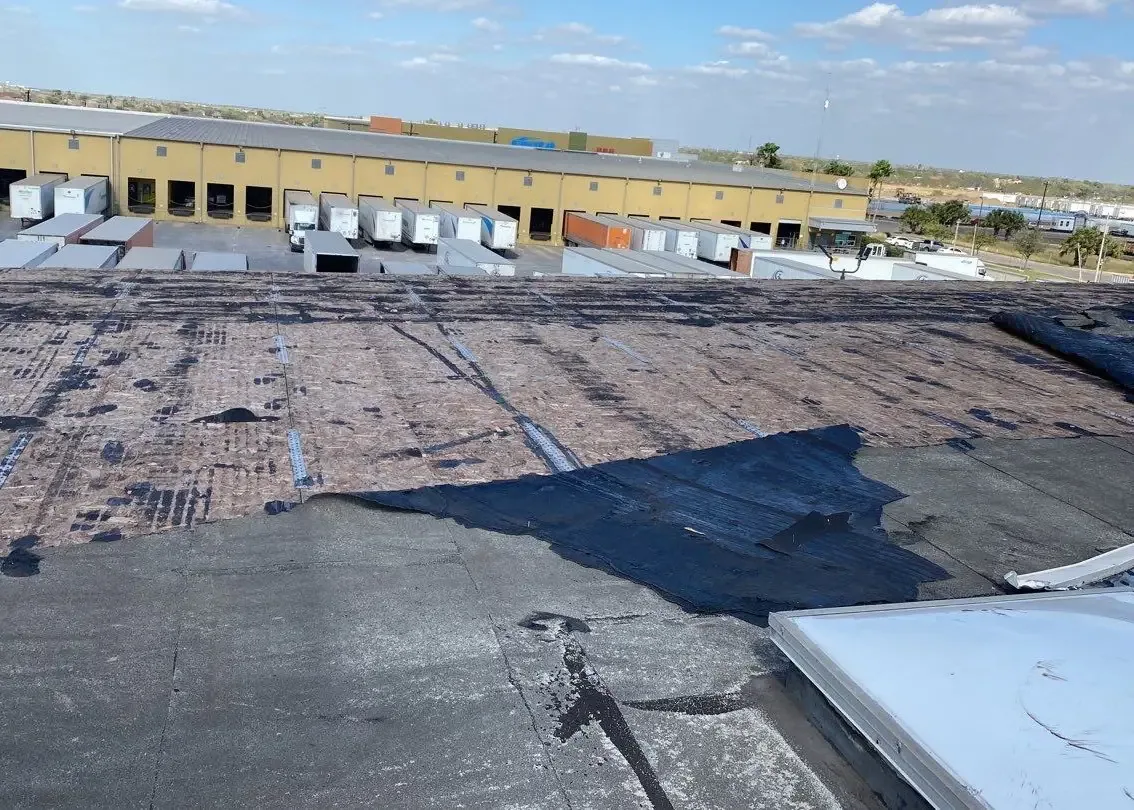
Wind Damage Roof Repair
Columbia wind-damage inspections document displaced edges, open seams, water paths, and repair limits before temporary or permanent work begins.
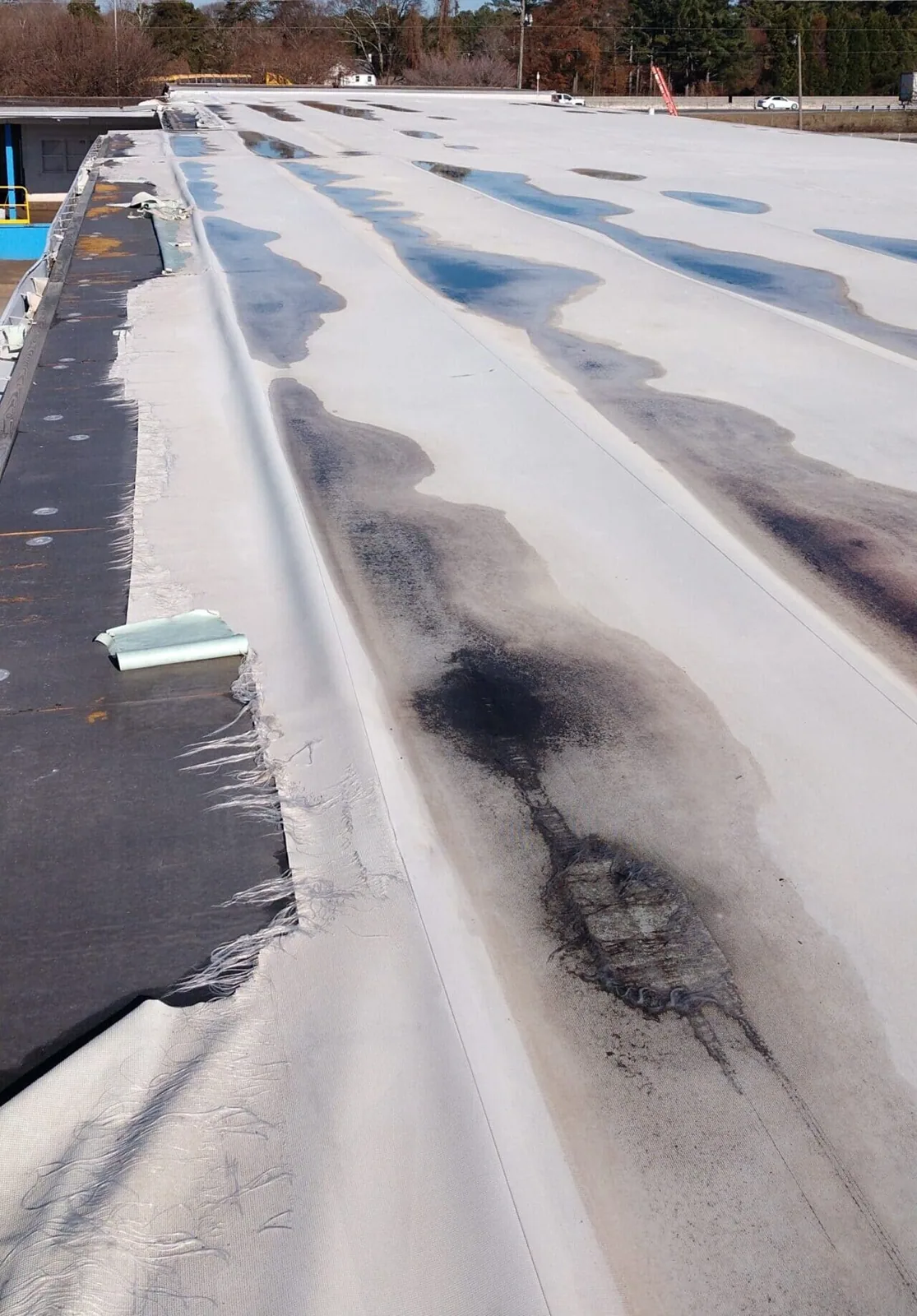
Ponding Water Roof Repair
Columbia ponding-water inspections trace drainage, slope, membrane, and insulation conditions before setting a repair or redesign boundary.
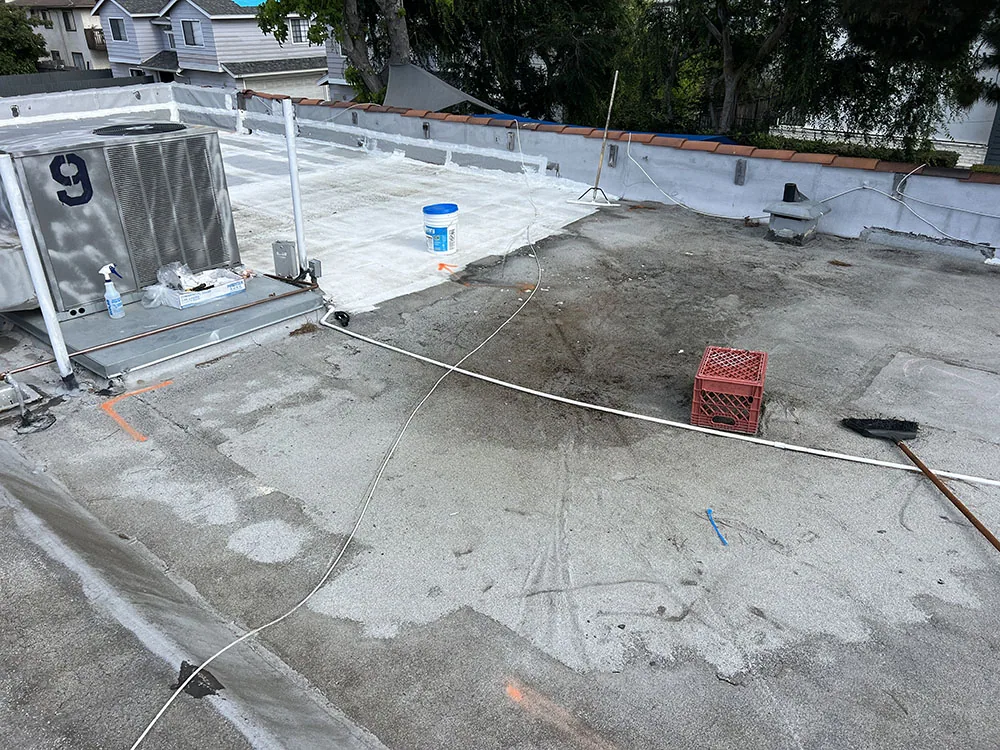
Commercial Roof Flashing Failure Repair
Columbia flashing inspections trace failed wall, curb, and edge transitions, then document repair limits and any concealed moisture questions.
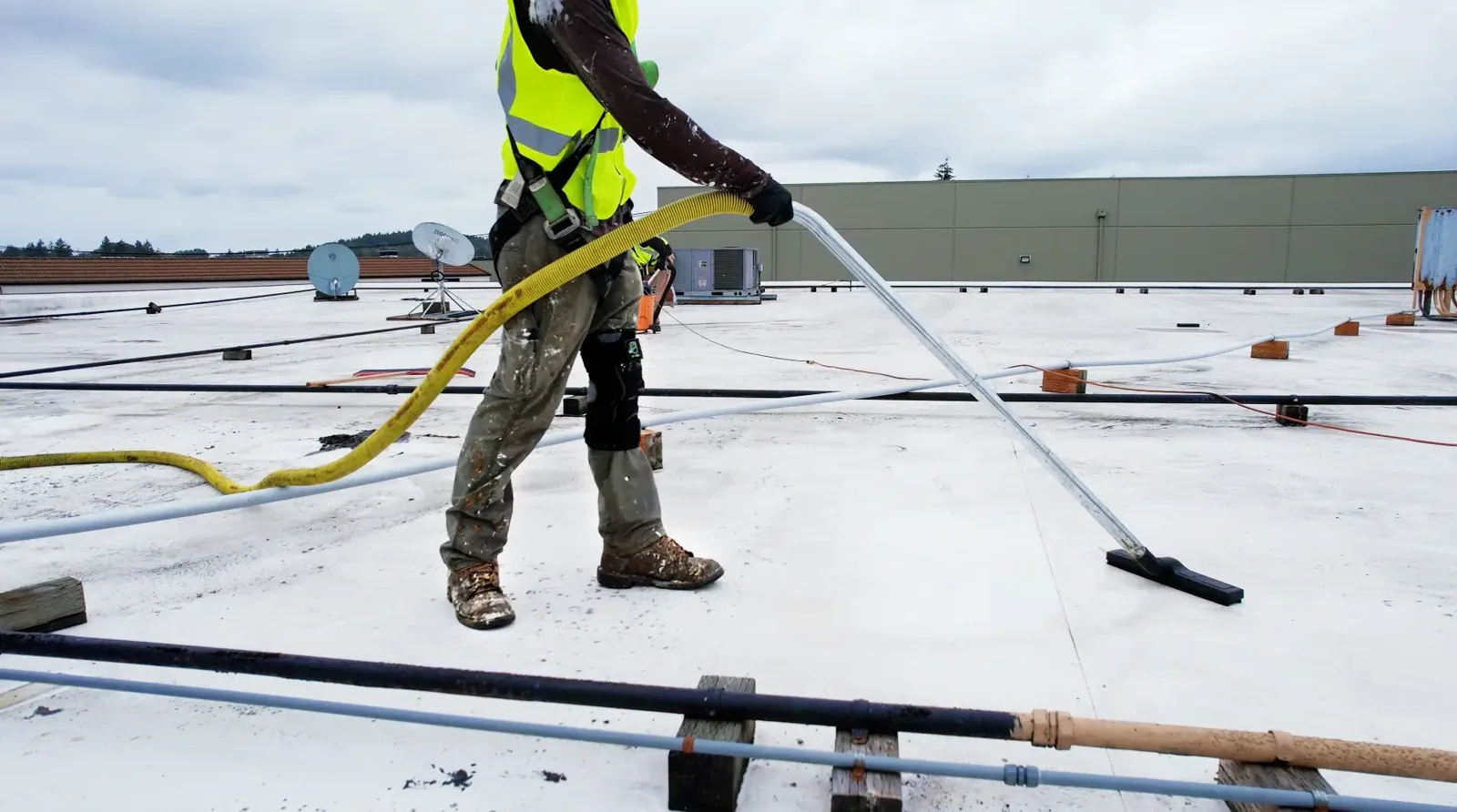
Commercial Roof Seam Failure Repair
Columbia seam-repair inspections locate open laps, test surrounding membrane, and document compatible repairs, moisture limits, and follow-up checks.
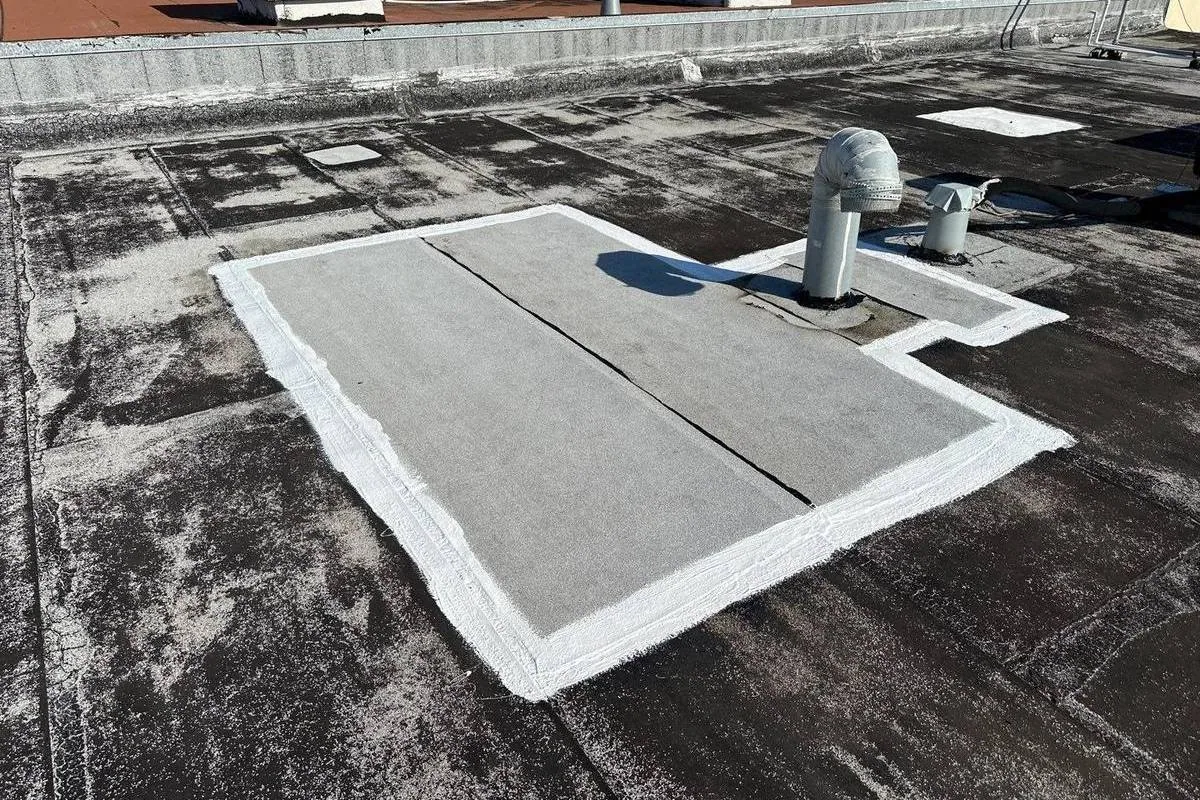
Commercial Roof Membrane Puncture Repair
Columbia puncture inspections document the membrane opening, nearby traffic, moisture limits, and compatible repair method for a traceable closeout.
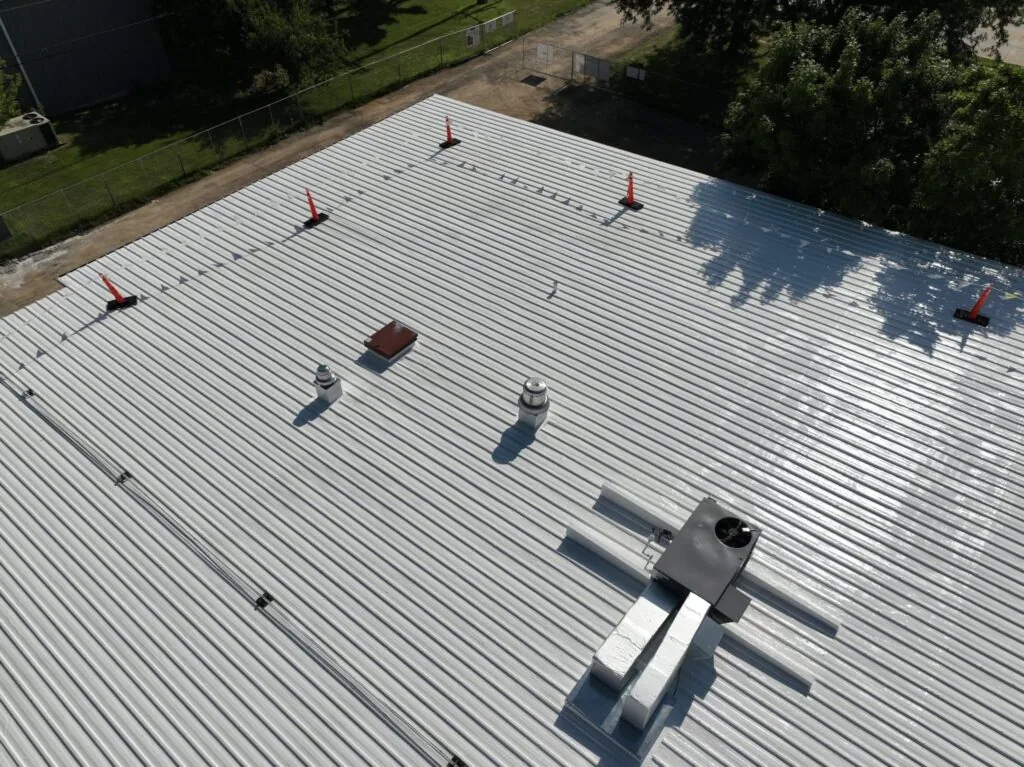
Commercial Roof Fire Damage Repair
Columbia fire-damage roof reviews separate heat, suppression water, smoke residue, and structural concerns before temporary or permanent repair is scoped.
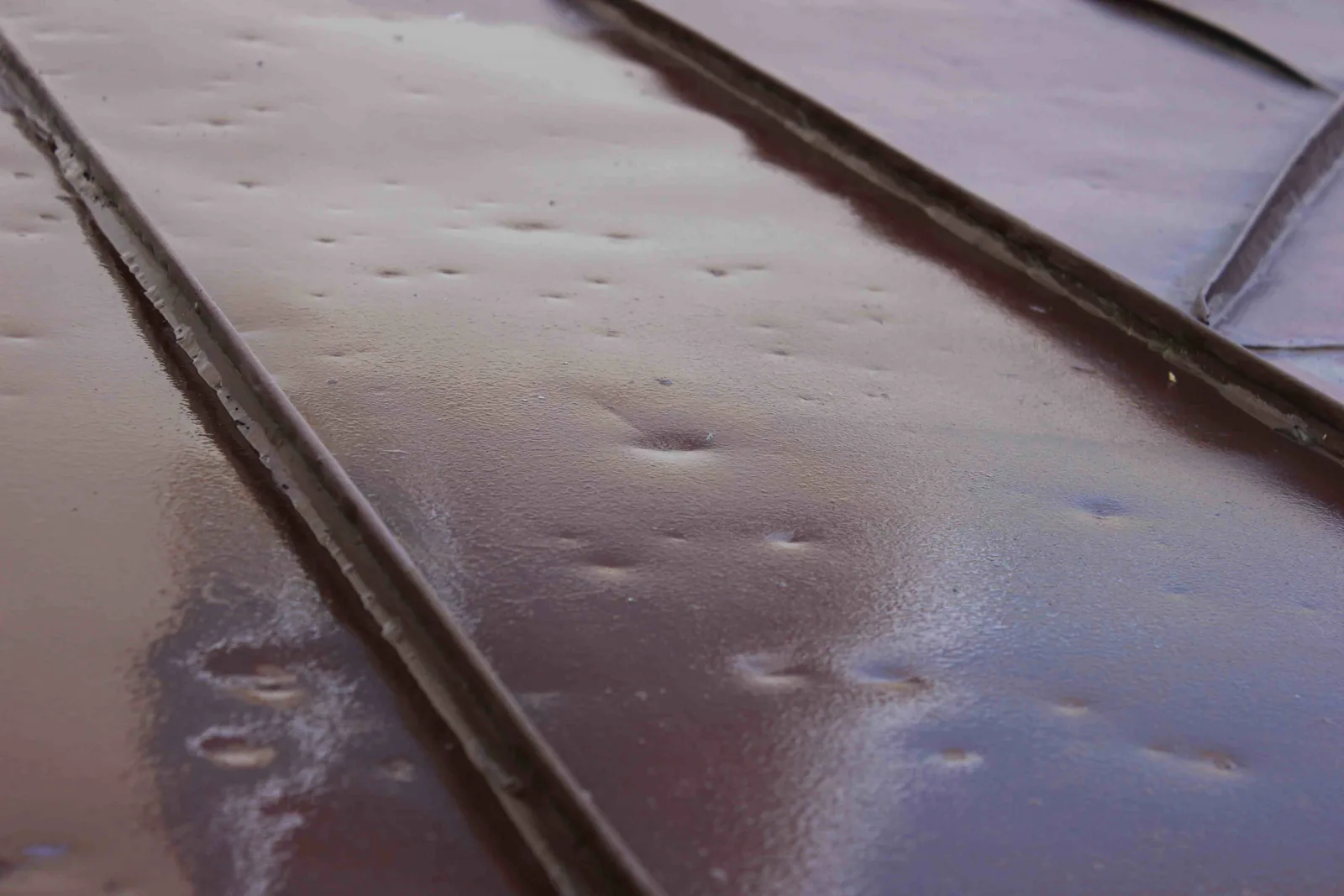
Commercial Hail Damage Roof Repair
Columbia hail inspections document impact marks, punctures, and functional roof damage separately from ordinary wear before repair is scoped.
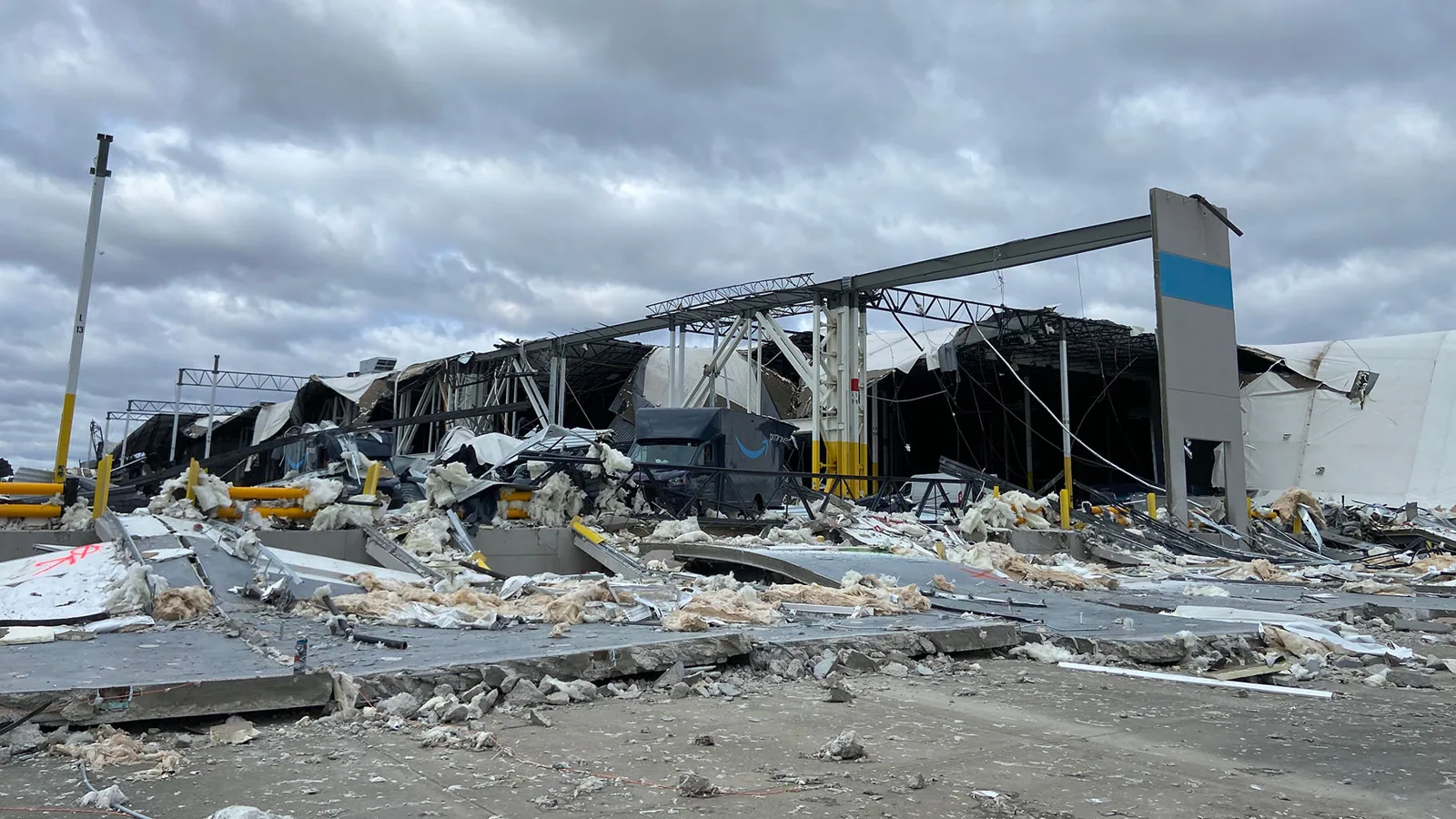
Tornado Damage Roof Repair
Columbia tornado-related roof reviews prioritize safe access, exposed areas, structural evaluation, and a documented boundary for permanent repair.
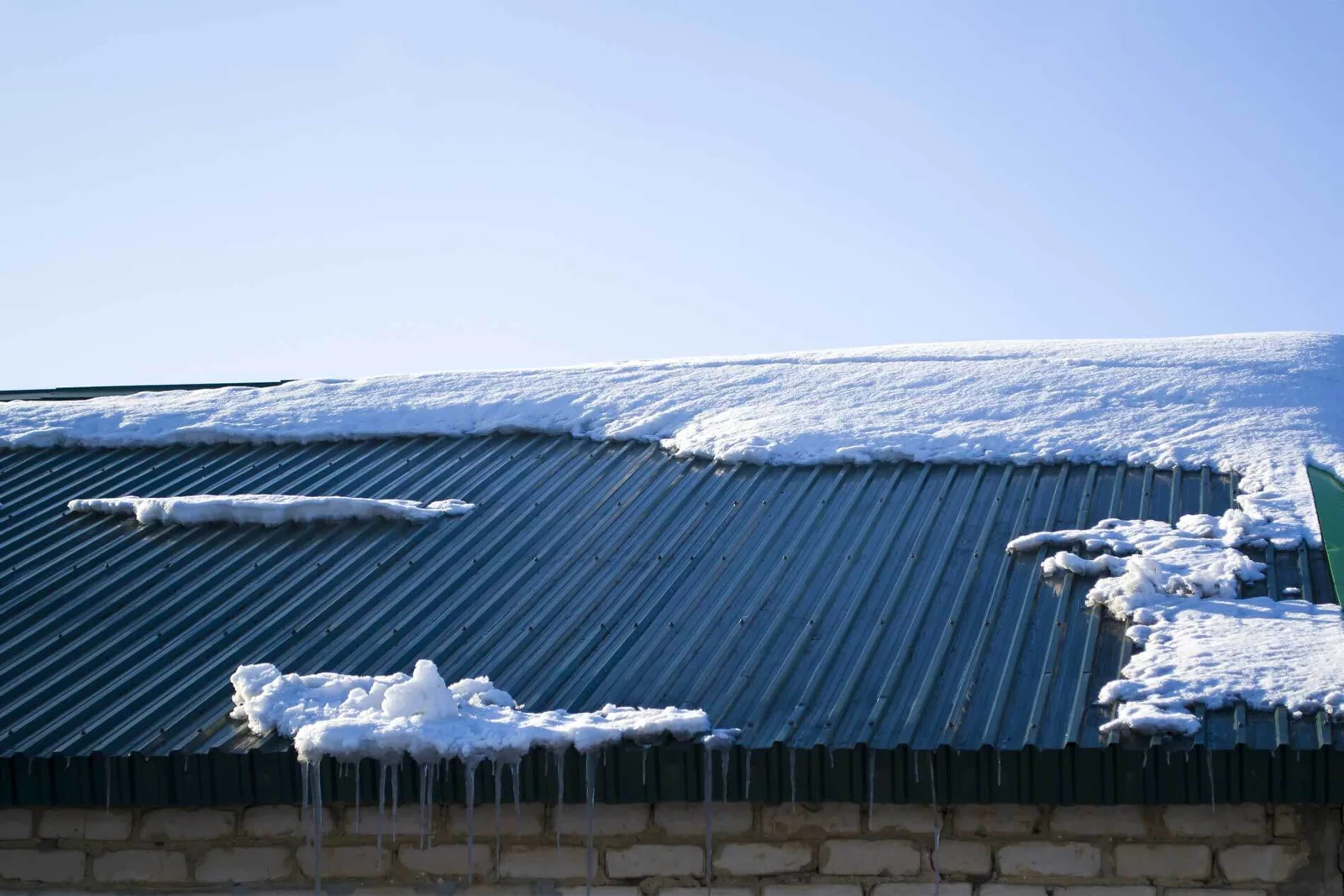
Commercial Snow and Ice Roof Damage Repair
Columbia snow and ice inspections check drainage, edge details, membrane movement, and interior moisture before defining a safe repair boundary.
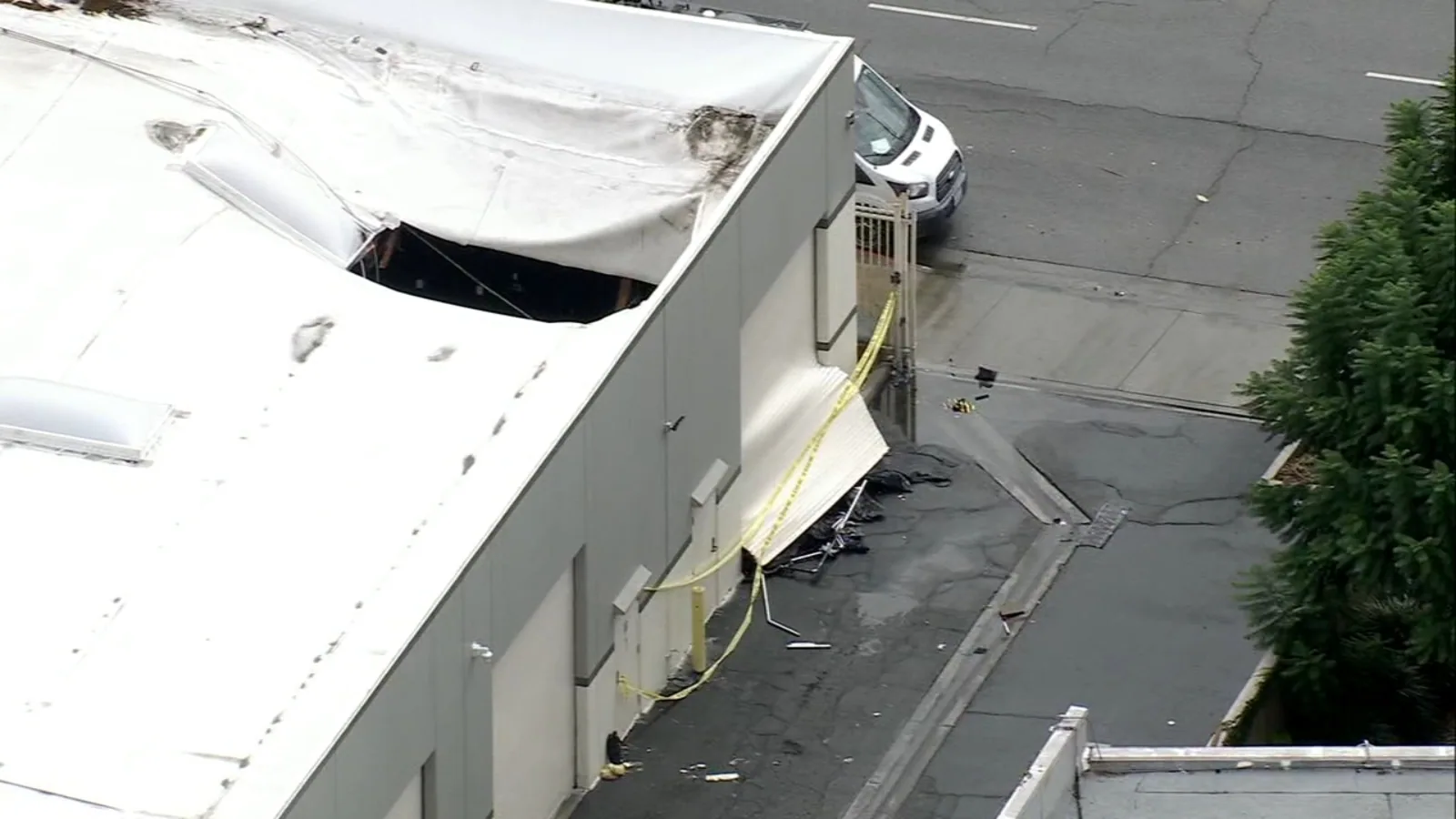
Commercial Heat and UV Roof Damage Repair
Columbia heat-related roof reviews document surface aging, seam movement, coating condition, and insulation concerns before restoration is selected.
Separate the event from the finding
Begin with the reported interior area and trace nearby seams, penetrations, flashing, curbs, drains, and edges. Water can travel before appearing inside. A photo record should show where the condition was found and whether it changed from earlier documentation. Ponding-water repair considers the drainage path; flashing failure requires a detail-specific scope. Where a membrane is punctured or a seam has opened, document the location and material around the repair. Membrane puncture repair and seam failure repair should identify compatible materials and tie-in limits. Infrared or an opening may be useful if it changes the moisture boundary.
Set a safe, clear repair boundary
A temporary stabilization can protect an exposed area while investigation continues; it should be distinguished from permanent correction. The written scope states preparation, materials, work zone, exclusions, and conditions that may change after opening. Fire-damage repair may involve a broader assembly review, while snow and ice damage requires attention to drainage and visible movement. Heat and UV wear should be differentiated from acute storm impact. Columbia weather patterns guide when to look; only the inspection establishes what the roof shows. Where the condition is not confirmed, state the test or follow-up that would resolve the question. If several details fail in separate roof zones, compare a localized patch with a broader assembly review. The recommendation identifies which conditions are confirmed and what remains concealed. Owners can use that distinction to decide whether to authorize testing, proceed with defined repairs, or schedule a return visit after another weather exposure. The repair record should preserve the limit of the chosen work.
Keep the claim and roof record aligned
Record the date, property, affected area, roof-zone photos, observed damage, repair performed, exclusions, and follow-up. If insurance documentation is needed, connect photographs and scope language to the actual observed condition, while avoiding conclusions that exceed the evidence. The Ashland, MO, University of Missouri campus, and Broadway Business Park are separate properties and cannot share a damage conclusion. A dated condition report lets owners compare before-and-after details and identify what remains open. The next inspection should return to the same roof zone when possible and note whether the repaired area is performing as expected.
How is an active leak stabilized?
When water is entering, the first step is to protect the affected area safely and identify the roof opening if access permits. Temporary covering, interior protection, and permanent repair are separate work stages. We record what was secured, what remains exposed, and the return inspection needed to confirm the lasting repair. A storm notice may guide timing, but the property condition establishes the repair boundary.
Commercial Roofing Questions
Does severe weather prove a roof claim?
No. It establishes exposure only. We inspect the roof and document evidence that supports or does not support a damage finding.
What should be recorded before temporary protection is installed?
Photograph the reported area and visible roof detail when safe, note the date and access limits, and mark where the temporary measure begins and ends.
Can one storm inspection determine the full repair scope?
It can document accessible evidence. Concealed moisture or unstable materials may require testing or another visit before the permanent boundary is set.
How should older wear be separated from storm damage?
We compare dated records where available and describe each observed condition separately. The report should not assign a cause that the roof evidence cannot support.