
Cold Storage Roofing in Columbia, MO
A line of frost or moisture near a freezer-room roof joint deserves a roof-side review before anyone assumes the membrane is the cause. Temperature differences can move vapor through an assembly, and a discontinuity in insulation or air control may create condensation where layers meet. We document the interior observation, identify the roof section above it, and check whether the condition follows a seam, penetration, curb, or change in enclosure. Columbia’s outdoor temperatures move from freezing winter periods to hot summer days, so the roof sees a different exposure from the controlled space below. Moberly’s industrial area includes development sites with utility and connectivity infrastructure, and Cartwright Business & Technology Park is home to a distribution center. These are regional employment contexts, not proof that a particular facility uses refrigeration or has a specific roof assembly. The inspection must establish what is installed and where moisture is moving.
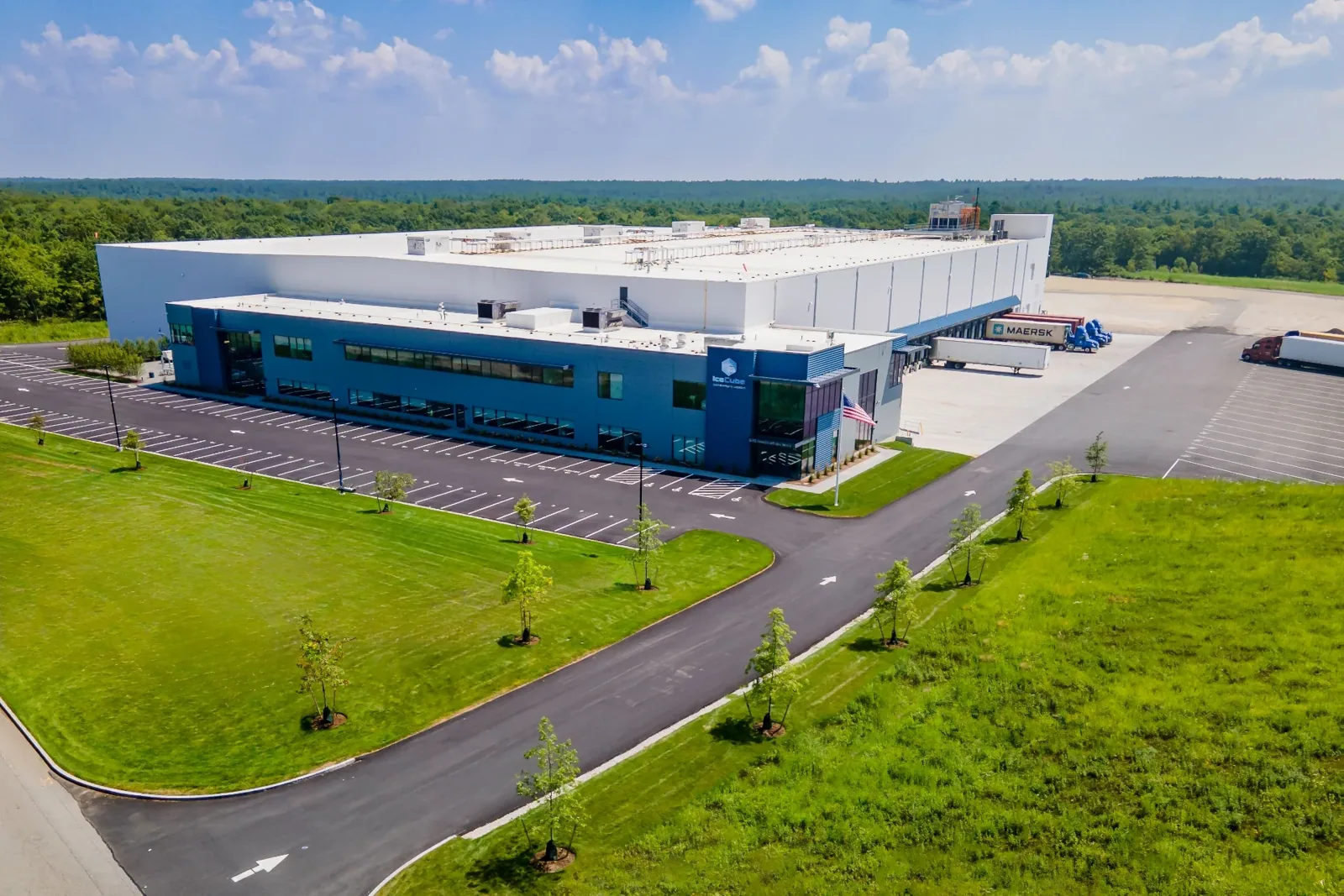
Where can temperature and vapor meet?
Cold rooms create a strong temperature difference across the roof assembly. A gap in the air barrier, an insulation joint, or a poorly sealed penetration can allow warm, moist interior air to reach a colder layer. Water may then appear inside a ceiling or at a roof detail even when the visible membrane looks intact. We compare the interior symptom with the roof plan, inspect transitions and penetrations, and review available construction or repair records. The roof-side investigation should consider air movement and vapor-control continuity alongside membrane seams. Insulation and cover-board work can address assembly continuity when the scope and design support that approach. We record whether a condition is confirmed, suspected, or still concealed. A roof repair should not be specified as a membrane patch if evidence instead points to a gap in the control layers beneath it.
Related Roofing Work
More commercial roofing work connected to Cold Storage Roofing in Columbia, MO.


How can wet insulation be distinguished from condensation?
A damp interior mark can result from a roof leak, condensation, or both, so we build the diagnosis from dated observations. We note when the symptom appears, its relation to refrigeration cycles or room use if the facility can provide that information, and whether it changes after rain or temperature swings. Above, we inspect the membrane, drains, flashings, and penetrations. Infrared imaging can help identify a pattern under suitable conditions, but it does not replace confirmation when hidden moisture changes the removal limit. A small test opening may be considered and must be documented and closed with a compatible detail. Moisture survey service can help target areas for follow-up. Columbia’s recurring freeze-thaw conditions and summer heat create seasonal contrasts; they guide timing for a comparison without proving a specific cause at the building.
Which roof details deserve close coordination?
Conduit, refrigeration piping, supports, curbs, vents, and roof drains interrupt insulation and membrane layers. Each transition should maintain the necessary air, vapor, and water control for the actual assembly. We photograph the detail from enough distance to show its location and close enough to record the connection. If equipment needs service while roofing work is underway, the facility contact identifies shutdown rules and who can authorize movement or temporary protection. We do not infer those procedures from the property type. A curb extension, pipe boot, or added support should be coordinated with both the roof detail and equipment requirements before crews open the area. The closeout notes which trades changed a penetration and what material restored it. That record is especially useful if moisture appears later, because it separates an original defect from a later service opening.
When does a cold-storage roof need a broader scope?
A localized repair may be appropriate when a single penetration or seam is defective and the surrounding insulation and control layers remain intact. Repeated condensation patterns, broad wet insulation, thermal bridging, or deteriorated membrane may require a larger design review. Commercial roof repair can address a defined opening, while replacement planning can compare restoring the roof with rebuilding the assembly. Manufacturing-plant roofing may share process and equipment coordination needs, while a cold-storage enclosure adds tighter temperature and vapor considerations. The scope should state the temperature-related assumptions, testing performed, materials to be removed, and what remains outside the work. It should also identify how the transition at an existing wall or adjacent roof section will be sealed and inspected before the interior returns to its normal operating condition. Columbia’s commercial plan review uses the 2024 IBC, IEBC, and IECC editions; a change to insulation or roof assembly should be checked against the applicable project requirements.
Look for patterns that cross individual freezer rooms or roof bays. Repeated condensation at similar joints may point to a continuity issue in air control, while isolated wet insulation near an open curb may support a more localized repair. The report should keep those possibilities separate until the assembly is checked. Note interior temperature conditions supplied by the facility, the affected room, the roof zone, and any operational limits on opening the assembly. A clear record helps refrigeration and roofing teams coordinate the next diagnostic step without assigning every moisture mark to the membrane.
How can work proceed without losing temperature control?
Before a roof zone is opened, we coordinate the shift, protection below, product staging, and temporary close-in point with the facility contact. Work may need to avoid sensitive equipment or a period when the room cannot tolerate a change in temperature. Those limits must come from site operations, not a standard cold-storage assumption. The daily record shows which section was removed, how the control layers were restored, and whether a temporary detail remained for the next shift. Photos should show insulation joints, vapor-control transitions, penetration flashing, and completed membrane. The owner should receive product information and any approved field changes with the closeout. Occupied-building sequencing can organize the work zones, and distribution-center roofing covers related dock and movement considerations. Clear labels let a later inspector compare moisture observations with the exact layer and roof section involved. Before beginning, the project team should agree on the interior response if a temporary opening, condensation, or unexpected wet material is found. That response may include stopping at a safe boundary, protecting the room below, and contacting the person authorized to decide on additional removal. The work plan should name the person who can approve a shift in sequence and identify how an unplanned condition will be photographed. When the roof is closed for the day, the crew records the completed transition and any inspection that remains. This keeps a cold-room operation from relying on an informal handoff when the next shift or contractor arrives.
Commercial Roofing Questions
Can moisture in a freezer building be caused by condensation?
Yes, condensation is one possible cause, especially where warm interior air reaches a cold layer. A roof inspection should compare the symptom with weather, equipment operation if known, and the condition of the membrane and insulation.
Will a roof coating correct condensation?
A coating addresses a surface layer and does not by itself restore missing air or vapor control inside the assembly. The inspection should locate the moisture path before selecting a repair.
Can infrared imaging confirm wet insulation?
It can help locate temperature patterns under suitable conditions, but findings may need confirmation by testing or a controlled opening. The method and its limits should be included in the report.
What should a cold-storage reroof scope include?
It should identify insulation and control-layer continuity, penetrations, roof zones, shutdown or access limits supplied by the facility, and how each shift will close the assembly. Testing assumptions and excluded areas should also be clear.