
EPDM Roofing in Columbia, MO
A strip of EPDM seam tape lifting at a corner can be the first visible sign that a transition needs more than surface sealant. We inspect the splice, field sheet, perimeter termination, penetrations, and water path, then record whether the problem is isolated or repeated across the roof. Columbia winters bring recurring freezing and thawing, and seasonal snow is part of the local climate record. Spring storms and summer heat add other exposures. The Stockyards District includes mixed-use businesses north of downtown, while the Clark Lane Commercial Corridor inventory lists academic, athletic, library, union, and residence buildings. Those facts describe Columbia's varied places, not EPDM roofs at those addresses. We rely on the actual membrane and its dated repair history. The inspection identifies seam condition, sheet movement, punctures, and flashing details so an owner can understand whether a repair remains local or a wider assembly review is needed.
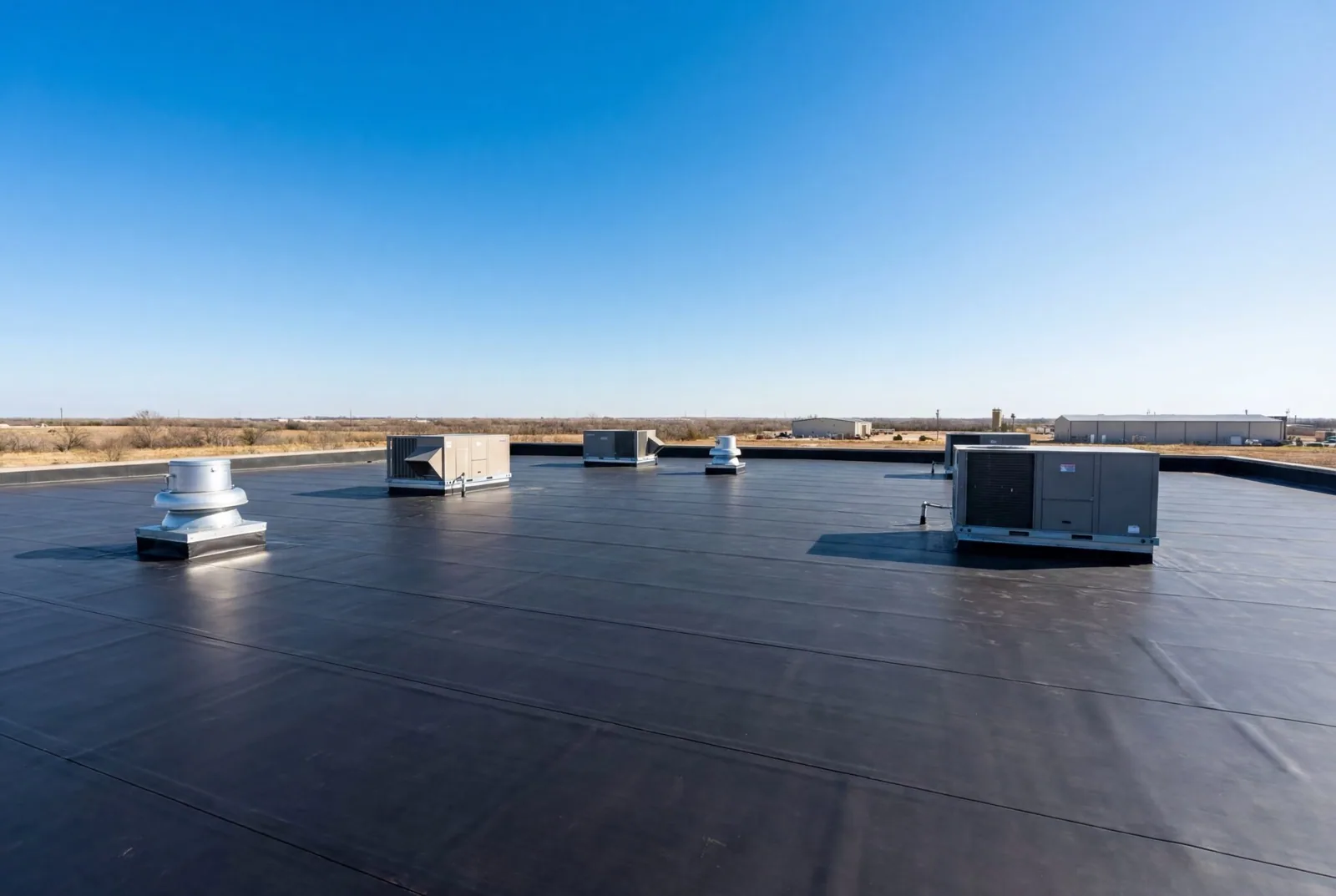
How do EPDM seams and splices fail?
EPDM seams are commonly formed with adhesive or seam tape rather than heat welding. Their performance depends on clean surfaces, correct primer, pressure, cure conditions, and a substrate that has not become contaminated. We check for lifted tape edges, fishmouths, wrinkles, adhesive failure, and dirt that has worked beneath a patch. At intersections, a splice may see movement from more than one direction, so the repair needs to cover sound material and restore a continuous water-shedding detail. We also look for shrinkage that pulls the membrane away from a wall or edge. A system inspection can map seams and terminations by roof section, while a repair assessment can define the work at an open splice. If moisture may have moved beneath the sheet, a moisture review can help determine whether more testing is useful.
Related Roofing Work
More commercial roofing work connected to EPDM Roofing in Columbia, MO.
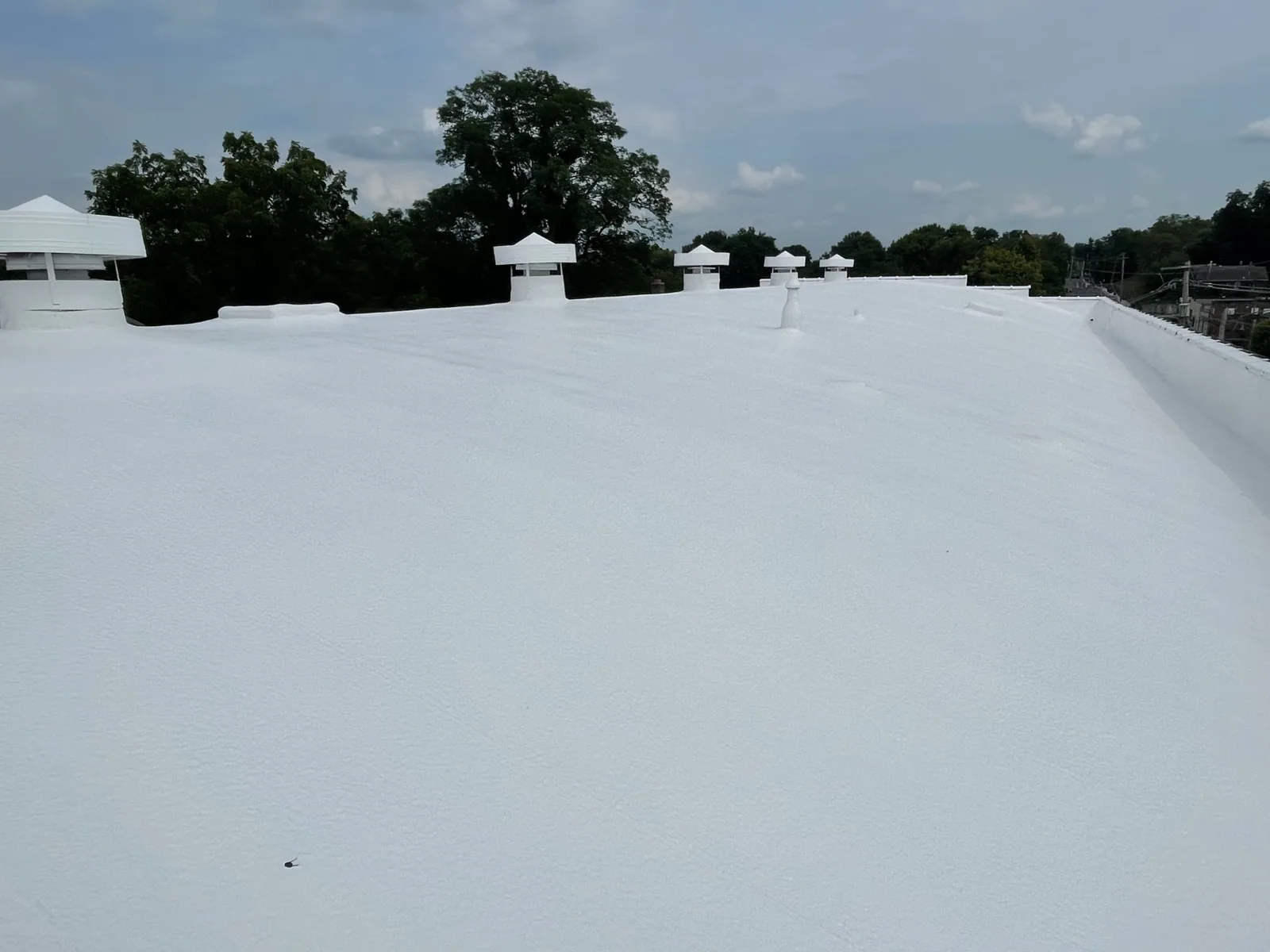
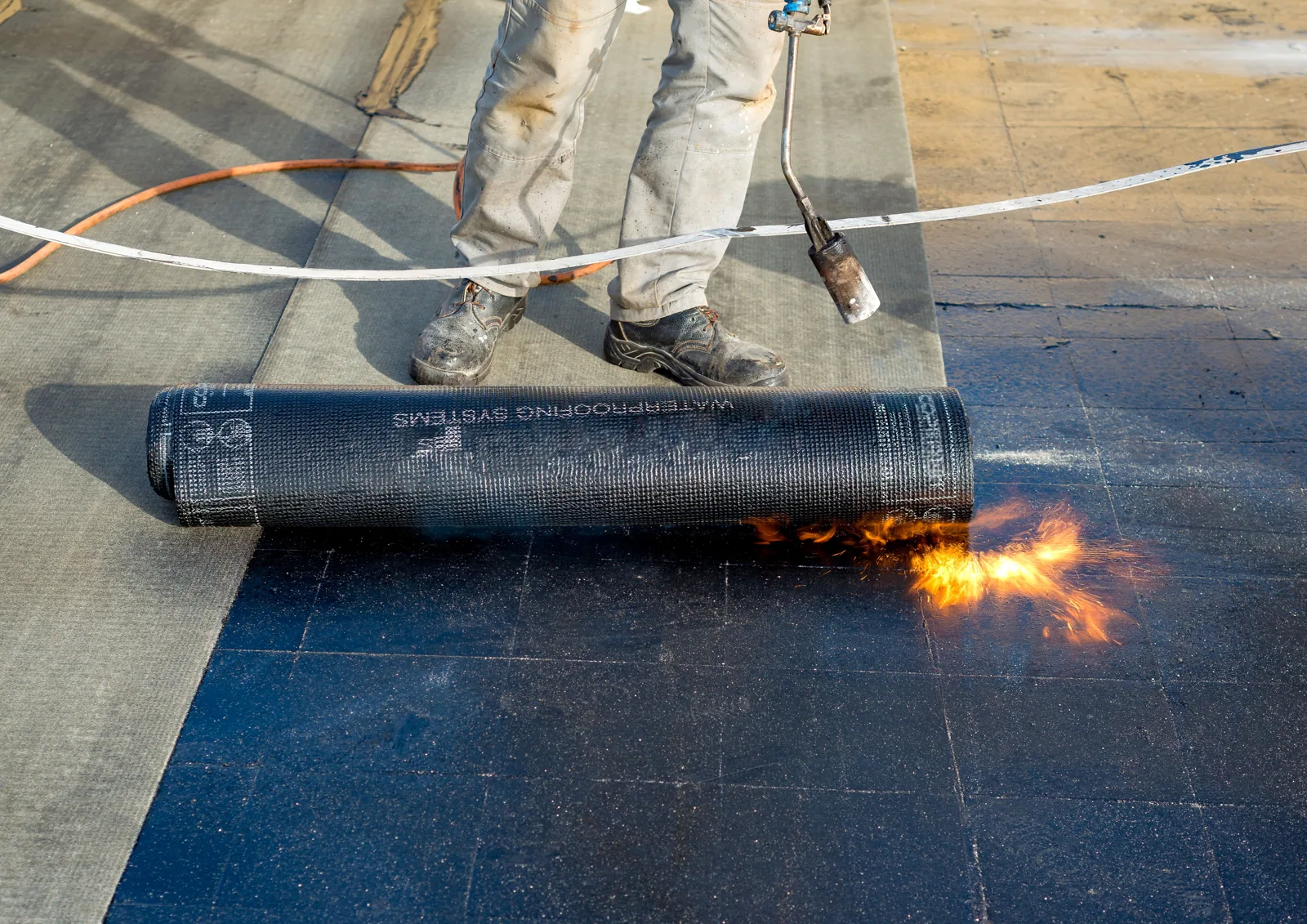
What does membrane shrinkage look like?
Movement may appear as tension at a perimeter, a pulled flashing leg, a stretched corner, or a sheet that no longer reaches its termination. We record the membrane position and compare it with nearby seams, wall heights, and past photographs where available. A small gap can allow water behind a termination; repeated pullback may point to a broader attachment or sheet-movement issue. We do not decide the scope from one edge alone. The report distinguishes a loosened termination from a membrane that has drawn back across a larger area. Columbia's freeze-thaw conditions can expose movement at transitions, but the specific cause still needs field evidence. Perimeter metal review can examine the roof edge and coping, while drainage work can address outlets and low areas that affect water exposure. If a storm has displaced a section, a dated storm assessment can separate the observed damage from older wear.
When can an EPDM repair restore the roof?
A repair can work when the EPDM remains flexible and clean enough to accept compatible materials, and the surrounding assembly is stable. The scope should name the splice or puncture, surface preparation, primer or adhesive, patch shape, and any required pressure or cure time. A small patch placed over contamination or loose material may lift again. If seams are failing in several sections, the membrane has pulled from multiple edges, or insulation is wet, a localized repair may not address the condition. Replacement planning can compare the roof history and current test results with a new assembly. A switch to TPO or PVC changes the seam and material approach, so tie-ins between systems need deliberate design. The owner should receive a marked repair boundary, a photo of completed work, and a list of any adjacent condition left for review. If the repair crosses an old patch or changes direction at a corner, the record should show each tie-in rather than only the center of the new material. A future inspection can then compare the same splice and identify whether movement continued.
What affects EPDM installation and repair timing?
EPDM adhesives and primers need suitable surface and weather conditions, and the substrate must be clean and dry. We plan material staging, seam preparation, pressure application, and temporary protection around Columbia's weather. Wet spring conditions can delay adhesion work; cold temperatures can change handling and cure requirements. The daily scope should identify the last completed seam and the tie-in that remains. For a repair, we protect the opening until permanent materials can be installed under their specified conditions. For a larger replacement, insulation, attachment, edge termination, drains, and rooftop penetrations all need to be coordinated. A roof at a mixed-use property or institutional campus may have specific access arrangements, but the property contact supplies those requirements. A Diligence Notes records any delay and the protected boundary so a later crew can pick up without guessing which seam is complete. Repairs also need to respect the cure and pressure instructions for the selected primer, tape, or adhesive. If the existing EPDM is dirty or weathered, surface preparation may take longer than placing the patch itself; that preparation should be listed in the scope and documented in the photo record.
Which records help track an EPDM roof over time?
Keep a roof-area map with seam locations, patches, perimeter details, drains, and penetrations. Dated photographs show whether a lifted edge is new or was previously repaired. The file should identify products used, surface preparation, weather conditions, and any area not inspected. Columbia uses the City's 2024 building-code package for commercial plan review; major replacement or assembly changes should be checked against the actual project requirements. Maintenance visits can compare the same splices after weather or rooftop service work. If an EPDM section is adjacent to another system, mark the transition and identify which material was repaired. These details give the next facilities contact a history of movement and repair, not just a list of service dates. A follow-up check can focus on corners, edge terminations, and any seam that previously showed separation. Compare dates and images before assuming a changed condition is new.
Save the membrane identification, seam and splice locations, flashing materials, repair history, roof plan, and dated photographs. Record if the system is ballasted, mechanically attached, or adhered when that information is available, since the method affects how an inspector interprets movement and access. If shrinkage appears at a perimeter or curb, show the same point in later images to distinguish ongoing movement from a one-time observation. Columbia's freeze-thaw winters and seasonal snow put recurring attention on edges and transitions, while spring rain tests seams and drainage. Use those seasonal checks to compare actual details, not to presume that an EPDM assembly has failed.
Commercial Roofing Questions
Can you heat-weld EPDM seams?
EPDM seams are typically joined with adhesive or seam tape, so a repair method must match the membrane and manufacturer's instructions. We identify the existing seam type before selecting materials.
Does a lifted seam mean the whole EPDM roof needs replacement?
Not automatically. We map the separation, inspect nearby splices and terminations, and check for moisture or movement that could extend beyond the visible edge. The report defines whether a local repair is supported.
Can EPDM be patched while the surface is damp?
The surface and surrounding material need to meet the product's preparation requirements. If moisture or temperature prevents reliable adhesion, temporary protection may be used until a permanent repair can be installed.
What should be checked after another trade walks on the roof?
Look for new punctures, displaced patches, lifted seam tape, or damage at equipment routes. We record the affected area and compare it with prior photographs before assigning cause or scope.