
Data Center Roofing in Columbia, MO
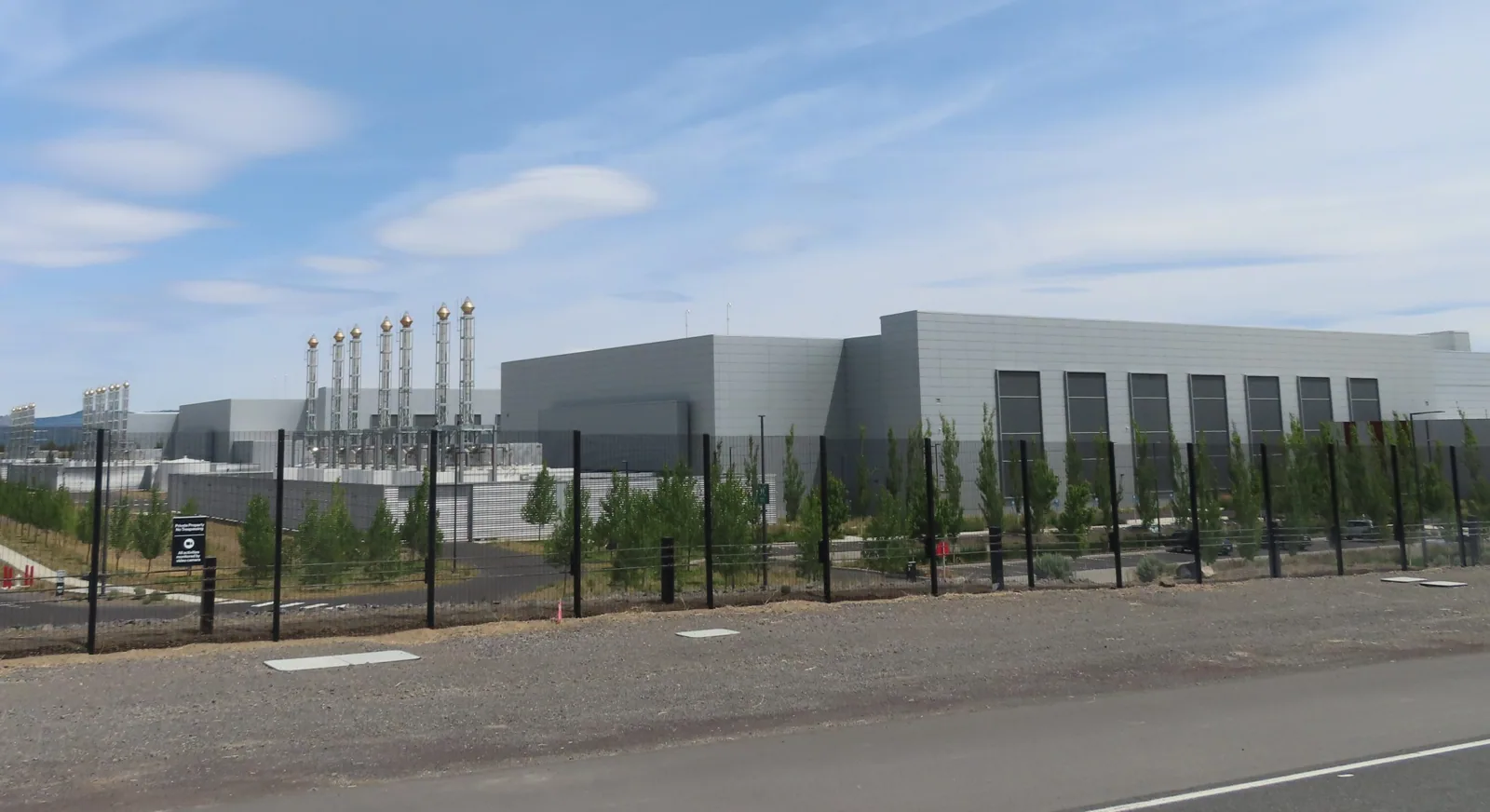
Critical computing areas depend on roof records that identify the affected zone and equipment below. The first step is to identify the affected roof zone, equipment below, and the protection needed before anyone disturbs the assembly. We document seams, curbs, penetrations, drains, and prior repairs, then separate confirmed conditions from suspected moisture. Columbia’s regional economy includes education, healthcare, technology, and research; the University of Missouri campus inventory includes utility, research, residence, and garage buildings. Central City, Columbia and Discovery Ridge Research Park are local institutional and technology settings. Their listed functions do not establish that a particular building is a data center or describe its roof. Each facility needs a direct review with its operations contact, roof records, and access requirements in hand.
How should roof work coordinate with cooling equipment?
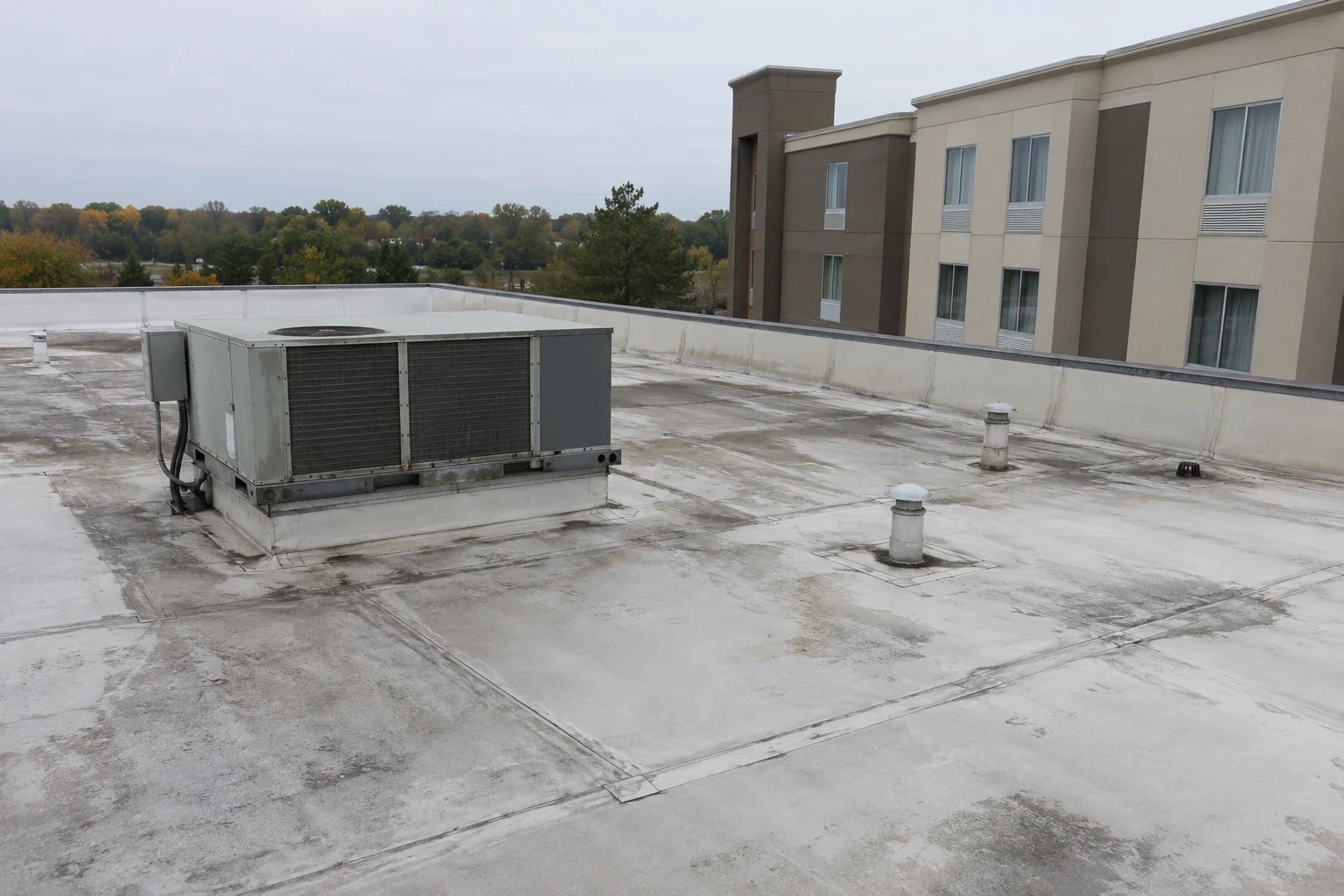
Where rooftop cooling equipment is present, its supports, condensate lines, electrical paths, and service clearances can affect the membrane and work zone. We photograph the curb or frame, check the flashing at its base, and identify any conduit or piping that crosses a seam. Equipment should not be moved or shut down based on an assumption about redundancy; the site’s authorized operator establishes those limits. Before roofing starts, the work plan shows how crews will protect intakes, service routes, and any equipment that must remain accessible. Rooftop equipment and curb work can address the roof interface, while drone roof inspection can document wide roof areas and difficult access points. Aerial imagery does not replace close review of flashing or concealed attachment. The record should connect each rooftop detail to a labeled section so the facilities team can relate it to its own asset map.
Related Roofing Work
More commercial roofing work connected to Data Center Roofing in Columbia, MO.
What evidence should guide a leak response?
A floor sensor, ceiling mark, or moisture alarm identifies a reported condition inside, but it does not locate the roof opening by itself. We note the time, room or equipment area supplied by the facility, recent weather, and any service work near the roof above. On the exterior, we inspect seams, perimeter transitions, drains, penetrations, and patches. Water may follow a deck flute or insulation joint before reaching the visible point, so the repair should not be placed solely above an interior symptom. A commercial roof inspection can create a roof map and photo record. If concealed moisture would change the removal extent, a suitable test or controlled opening may be needed, with the location and closure documented. The report distinguishes what was observed from what could not be accessed, helping the operator decide whether temporary protection or additional testing should come first.
What should be watched after heavy rainfall?
Water at a drain, scupper, or low point can threaten a roof detail even when the surrounding membrane appears continuous. We record where ponding remains, whether an outlet is obstructed, and how the water path relates to curbs or equipment supports. Columbia’s wet spring brings heavy rainfall and severe-storm potential; localized summer downpours can challenge one part of a roof without affecting the whole property. A dated observation after the event gives the team a baseline for comparison. Preventive roof maintenance can revisit drains and known repair points. The inspection should not claim that a broad roof area is clear because one outlet is open, nor assume a roof defect from a single interior alarm. We map the section, note what was checked, and identify any location where access or equipment prevented a full view.
When does a data-center roof need replacement planning?
A single failed penetration or seam may support a local repair if surrounding insulation, attachment, and membrane remain suitable. Multiple leaks across different zones, repeated repairs, widespread wet material, or an aging assembly may justify a broader comparison. We describe the evidence for each option and note how the work could be sequenced around facility limits. Commercial roof replacement planning can identify removal boundaries and daily tie-ins. An office roof may have related rooftop equipment but different operational dependencies; office-building roofing handles those occupancy questions. A computing facility may also be part of a larger plant, and manufacturing-plant roofing addresses process coordination. The owner should receive a clear list of assumptions about shutdowns, equipment access, and protection below, not an unsupported promise about uninterrupted service.
What belongs in the project record?
Keep a roof plan marked with equipment, seams, drains, repair locations, and any area that remained outside the work. Dated photographs should show the before condition, exposed layers when opened, the restored detail, and the final tie-in. Record who approved any change in access, sequence, or scope and how the roof was protected at shift end. Columbia’s commercial plan review applies the 2024 IBC, IEBC, and IECC editions; an assembly change should be checked against requirements for the specific project. The permit or review outcome belongs with the closeout file. A later facilities team can compare alarm history with the roof map and see whether a repair occurred in that zone. We also note whether a section was visually inspected, tested, or inaccessible. That record supports a faster, better-bounded response if a new observation arises. For a phased project, keep a day-by-day list of roof zones, temporary protections, and inspection points so the next crew does not reopen an area without knowing how the prior shift left it. If a weather alert changes the schedule, note which section was secured and which remains pending. The facility contact should identify the person authorized to approve an added opening or a change to equipment access. At closeout, separate roof work from equipment service performed by another trade. This makes the file useful during a later alarm review, a capital discussion, or a response to a new leak instead of relying on memory of the construction sequence.
Keep the roof-zone map aligned with the facility's equipment identifiers, but place no sensitive security detail in a general maintenance file. Record the roof condition, access approval, work window, affected cooling units, temporary protection, and the person responsible for restoring equipment settings. If a storm prompts an urgent inspection, distinguish visible impact or water entry from equipment alarms that have not been tied to a roof condition. Columbia's spring severe-weather season makes a dated baseline and post-event comparison more useful than a single image without context. After the next inspection, record what changed and what stayed stable so a facilities manager can close the incident with a dated comparison.
Commercial Roofing Questions
Can roof work take place while a data center stays online?
The work plan must account for the facility’s own operating controls, roof access, equipment, and weather. We coordinate opening size, protection, and shift close-in points with the authorized site contact before work begins.
Can a drone locate a leak above a server room?
A drone can document surface conditions and access areas, but it cannot trace concealed water or confirm wet insulation on its own. The interior report and close roof inspection guide any additional testing.
What if a rooftop unit must remain available during repairs?
The facility operator identifies which equipment or service paths cannot be interrupted. We define the roof detail and work boundary around those operating limits and record any access restriction that changes the sequence.
How should roof penetrations be documented?
Use a roof-zone label, a photograph that shows location and detail, the equipment or service involved if known, and the repair materials used. Record whether the area was tested and what remains outside scope. If the detail changes after equipment work, add a new dated image and identify the person who requested the change.