
Office Building Roofing in Columbia, MO
A ceiling tile replaced twice under the same roof area is a dated observation worth carrying into the next inspection. We map the interior symptom to the roof section above it, check nearby seams and equipment, and record whether the leak path is confirmed or still being investigated. In an office building, access windows, visitor entries, meetings, and rooftop service can affect how work is sequenced. Columbia’s North Village Arts District includes law offices, colleges, hospitals, the county courthouse, City Hall, and other government buildings. North Village Arts District also has renovated and repurposed buildings, while Broadway Business Park includes commercial lots with professional offices and service businesses. Those facts describe local places, not a particular office roof or its condition. We inspect the actual assembly and confirm the building’s access and operating requirements before choosing a repair boundary.
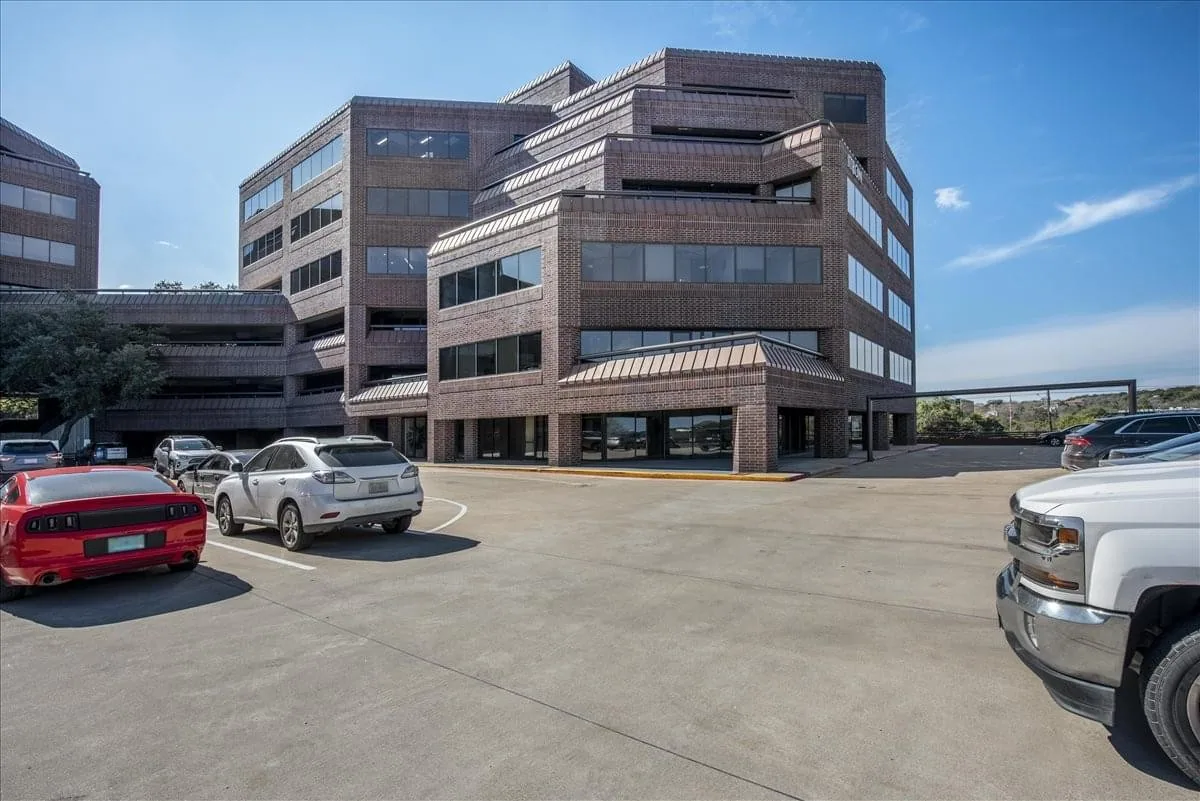
How do office schedules affect roof work?
Workers, visitors, deliveries, and building services may use different entrances or loading routes throughout the day. Before mobilization, we confirm roof access, lift placement, material staging, and any route that must stay clear. The property contact identifies noise-sensitive rooms, scheduled events, and service windows for rooftop equipment. We divide work into roof zones that can be protected at shift end and show how those zones relate to occupied space below. A daily update identifies the section completed, the next work area, and any access change. The scope should not assume a single operating schedule for every office property. Some suites may have public appointments while others need a quiet window for calls or confidential work. The facilities contact can identify which entrances carry visitor traffic, where a delivery can be staged, and whether roof access crosses a shared tenant area. We record those limits on the phase plan and update the contact when a weather delay moves the crew to another zone. This makes the schedule specific enough to coordinate activity without promising that every interior space will remain unaffected. Occupied-building reroof planning can map phased work and close-in points. If the building has several tenants, the person responsible for notifications can use the roof map to explain where activity will occur without overstating the duration or impact.
Related Roofing Work
More commercial roofing work connected to Office Building Roofing in Columbia, MO.
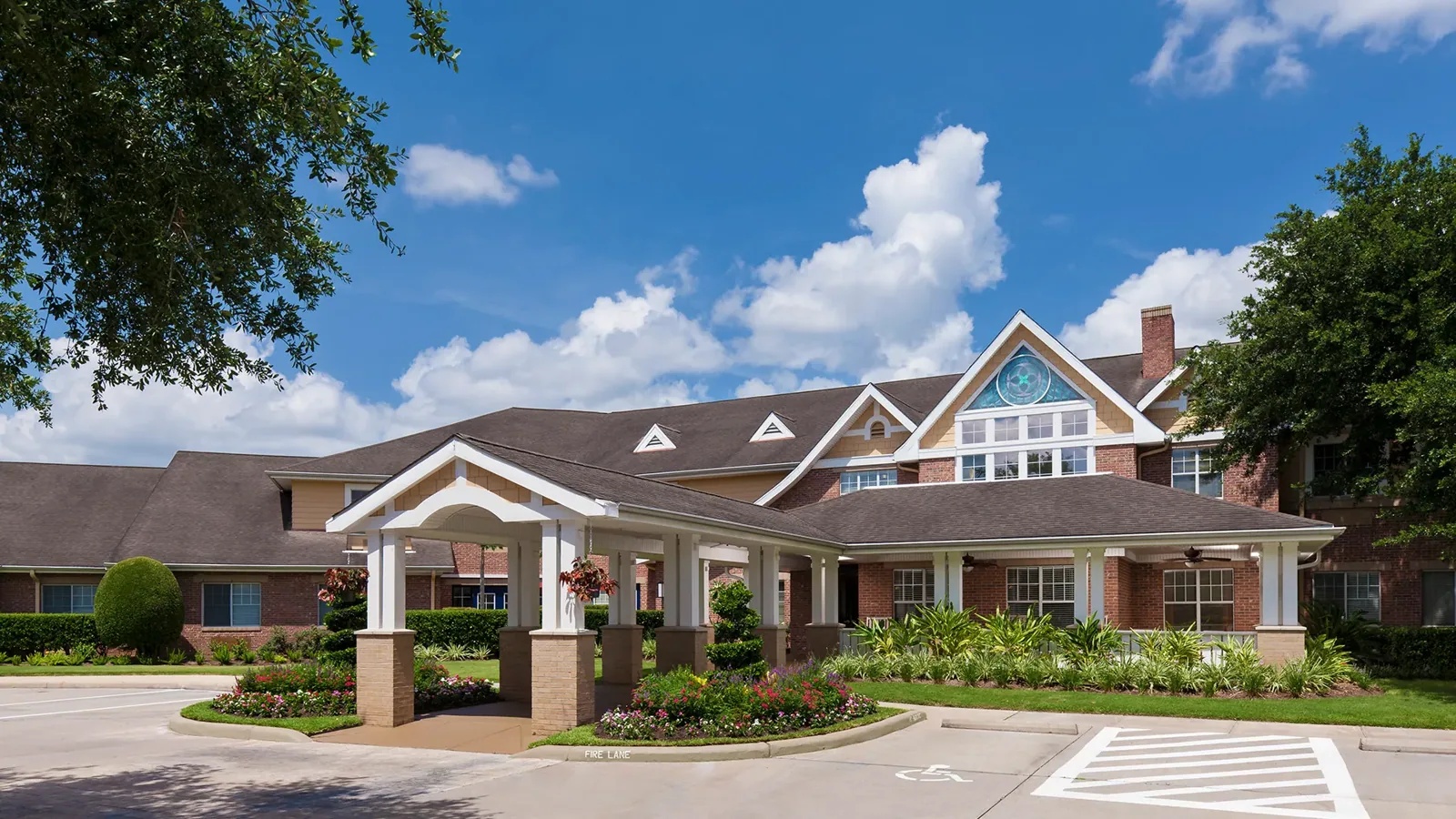
What should be checked around rooftop equipment?
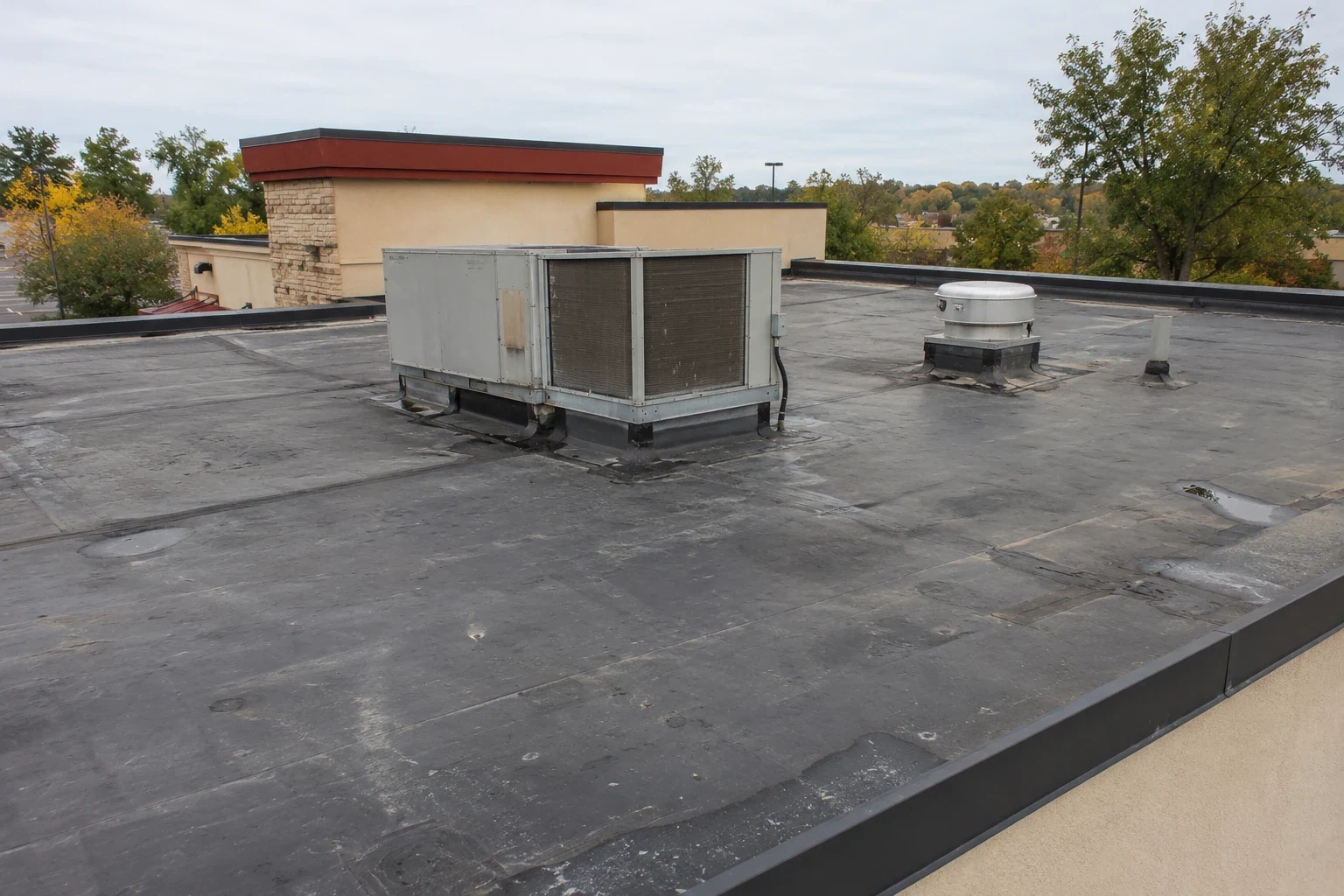
Heating and cooling units, exhaust fans, conduit, pipes, and service supports can interrupt a roof field and create separate flashing or movement details. We inspect the curb base, counterflashing, sealant, support attachments, and nearby membrane before deciding whether a leak points to the unit or another roof feature. Service technicians may have changed a line or added equipment since the last roof visit, so we compare current conditions with available records. Equipment curb and support work can address a roof interface, but any shutdown or relocation rule must come from the building operator. If equipment movement is planned, the roofing detail should be reviewed before work begins. Photographs need a roof-zone label and enough context to identify which unit was present when the repair was made.
How can water reach an office interior?
Water may enter at a roof edge, drain, membrane seam, curb, or a previous patch, then travel before it appears on a ceiling. We compare the reported room and timing with the roof plan, check the nearest transitions, and note whether the symptom follows rainfall or another event. In Columbia, spring brings exposure to intense rain, hail, and possible tornadoes; winter’s repeated freezing and thawing can also stress roof transitions. Weather helps set a follow-up point but does not prove a particular defect. A commercial roof inspection can record the visible evidence and areas that need testing. Drainage review can look at outlets and low areas. A useful report keeps the interior mark, roof observation, and any test result distinct so the owner can see how the repair boundary was selected.
When should an office roof move beyond a spot repair?
A localized repair may be appropriate when one detail has failed and the surrounding assembly remains suitable. Repeated leaks across different floors, several failing curbs, or wet insulation found in more than one area can point to a broader decision. We compare the roof history, repair frequency, testing, drainage, and planned occupancy before recommending continued patching or a phased replacement. Commercial roof repair may fit one verified failure; recurring leaks or multiple wet areas warrant a separate comparison of replacement scope and phasing. A clinic may require additional access and room coordination; medical-office roofing considers those use-specific questions. A hospital facility can have a larger set of service areas and operating contacts; hospital roofing addresses that distinct coordination. A written estimate should state its assumptions and separate concealed conditions from work that can already be defined.
Which records help the next facilities contact?
Keep roof plans, equipment locations, leak reports, repair photographs, and dates together so the next person can see what changed. Each work order should identify the roof section, detail repaired, material used, and nearby areas that were not opened or tested. If a tenant report occurs after a storm or equipment visit, add that date without treating the timing as proof of cause. A change to the roof assembly should be checked against the City’s adopted 2024 building, existing-building, and energy-code provisions for that project. Preventive maintenance can revisit drains, patched seams, and rooftop transitions on a documented schedule. The closeout file should also record any access restrictions that limited the inspection, giving a later reviewer a clear boundary rather than an implied all-clear for the full building. For an office portfolio, the same roof-area labels should carry across work orders, capital schedules, and maintenance visits. A photo record should retain the view direction or nearby equipment that helps someone locate the detail. If a tenant reports a new symptom, staff can check whether it falls inside an earlier repair area or beside a section that was never opened. The comparison can then start from dated evidence rather than from the broad statement that the roof was repaired.
When office space changes tenants or management, roof history can lose its context unless each note names a building, elevation, roof zone, and date. Preserve the original leak report beside the inspection photographs and repair scope rather than replacing it with a short completion note. A facilities contact should be able to see what was confirmed, what was repaired, and what remains open. Add roof access instructions and known equipment clearances to the building record, then update them after rooftop work. That makes the next service call easier to direct without assuming an old patch resolved a recurring symptom.
Commercial Roofing Questions
Can an office roof be repaired outside business hours?
The schedule depends on roof access, noise, material requirements, weather, and the building’s rules. We coordinate a work window with the property contact and identify what can be completed and closed before the crew leaves.
Does a ceiling stain identify the roof defect?
It gives a location to investigate, but water may travel before it appears indoors. We compare the room report with seams, drains, curbs, and transitions above, then document any testing that changes the repair limit.
How should rooftop unit work be coordinated with roofing?
The building operator identifies service and shutdown limits. We inspect the curb and surrounding membrane, define who handles equipment movement, and record the restored flashing after the work.
What if several tenants report leaks at once?
Each report should be dated and tied to a room or roof zone. We compare those observations with weather and the roof map, then prioritize confirmed openings and identify areas needing further testing.