
Commercial Roofing for Manufacturers in Columbia, MO
Production-floor water reports can interrupt a shift before a roof failure is visible from grade. We start with the reported location, inspect the roof detail above it, and record whether the evidence supports a repair, further testing, or temporary protection. Columbia's city-listed employer base includes manufacturers and industrial firms across several sectors. Before inspection, the facility contact identifies current equipment clearances, shift windows, and roof-access points so the visit can be staged without disrupting production. Before inspection, the facility contact identifies current equipment clearances, shift windows, and roof-access points so the visit can be staged without disrupting production. Each inspection follows the building's actual roof map, equipment clearances, interior operations, and access limits. Freeze-thaw cycles, spring hail potential, and summer heat add weather exposure to the review, while the physical evidence remains the basis for the scope. A dated field record lets plant leadership compare the roof condition with maintenance and production priorities without turning an employer list into a building diagnosis.
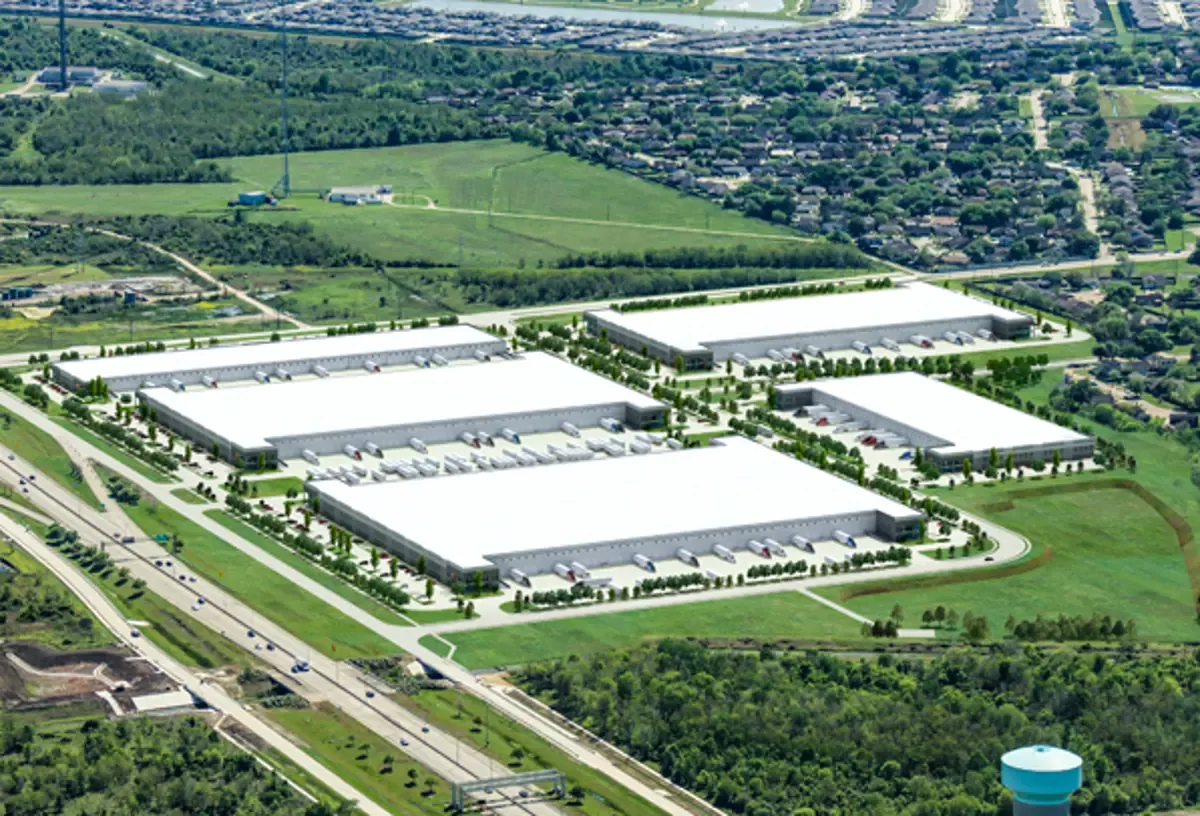
What should be checked above an active production area?
We identify the roof zone over the reported aisle or room, then inspect nearby seams, penetrations, curbs, drains, wall transitions, and previous repair lines. A leak report may coincide with a shift change, washdown, or process equipment issue, so the interior contact helps establish when the condition appeared and whether it recurred. We do not infer a roof path from a ceiling stain alone. The photo record should show the roof detail, the point of concern, and any area not safely reached. If moisture testing or a small opening could change the repair limit, we identify that next step. A commercial roof inspection records the visible condition; infrared review may narrow further investigation when appropriate. Work at a manufacturer also needs a contact who can confirm production hours, material staging, lift placement, and restrictions below the roof before a crew begins.
Related Roofing Work
More commercial roofing work connected to Manufacturers in Columbia, MO.
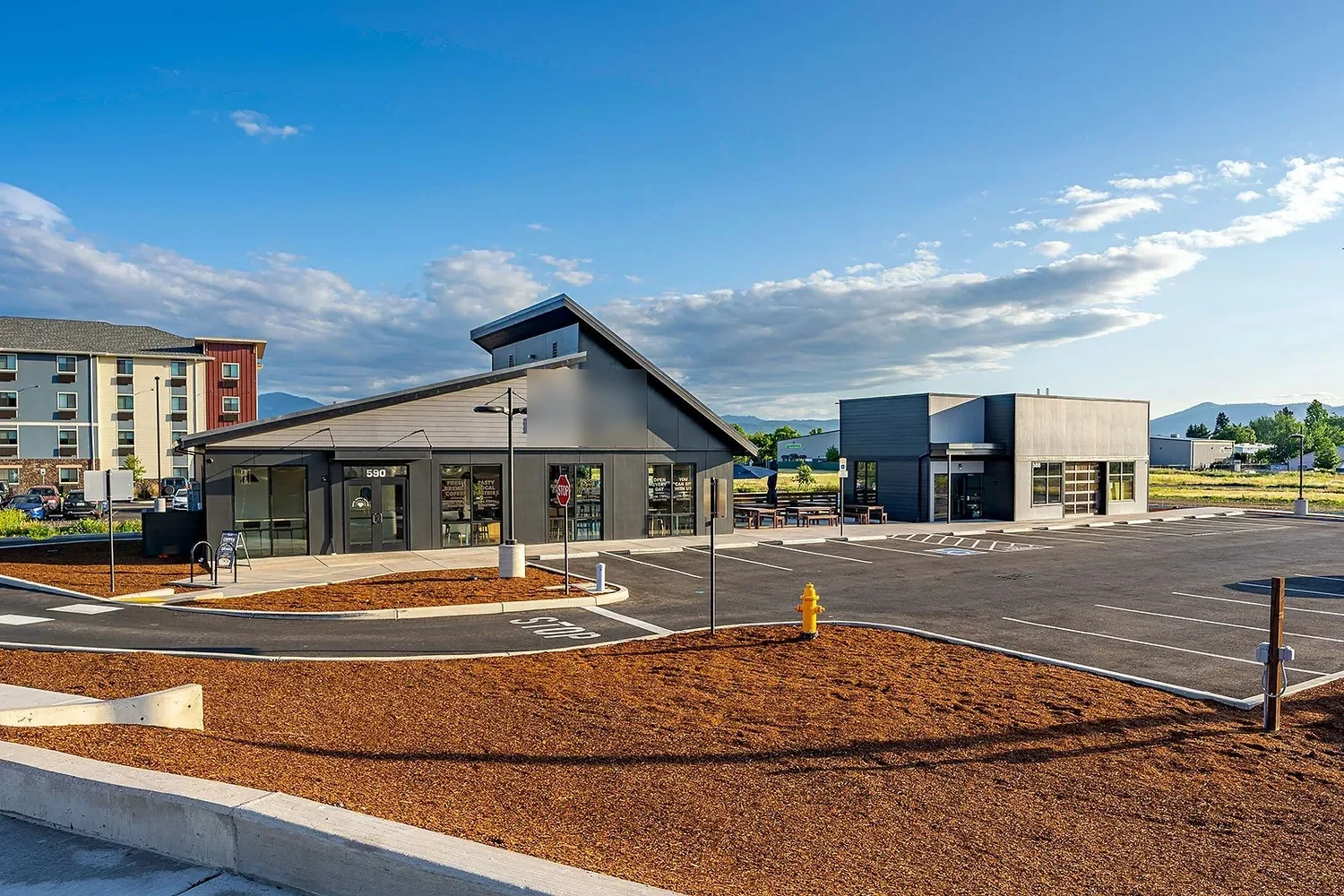
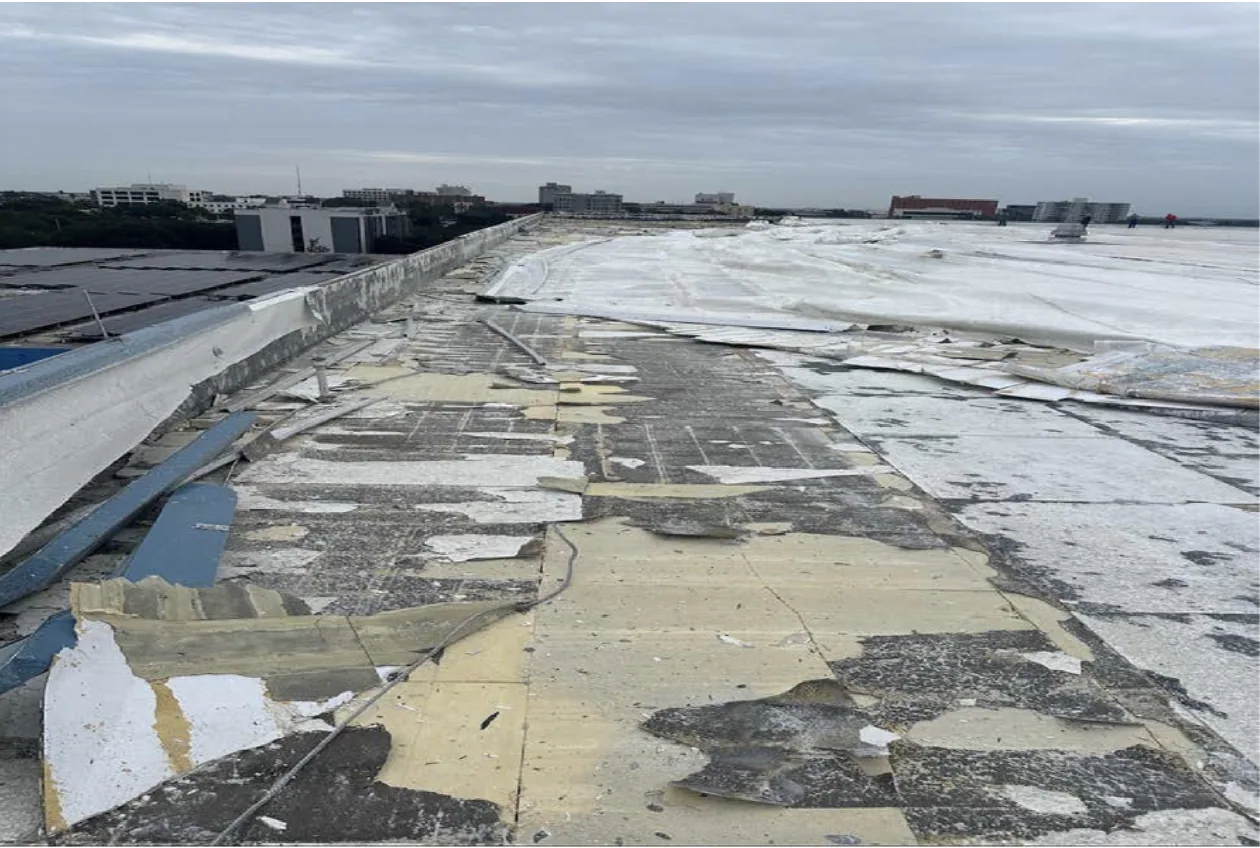
How can repeat leaks be separated from old repairs?
Plant roofs often carry a history of patches, equipment changes, and tie-ins from earlier work. We note which repair appears intact, which shows a new opening, and where the evidence is inconclusive. The record should preserve the prior work order if available, with a marked roof plan that lets the next visit return to the same seam or curb. Keep each plant’s prior work orders with its roof map, then compare the same labeled seam or curb at the next visit. A roof condition report keeps observation, recommendation, and completed work distinct. Logistics roof coordination and general-contractor roof scopes address different operating relationships, while the inspection method remains tied to the actual building and reported condition. This keeps a maintenance backlog from treating every patch as proof that the whole roof has failed. Columbia-area employment includes the Centralia business and industrial area north of town, along with East Columbia / East Area Plan within Columbia. For a multi-property operator, separate photos, leak history, and access notes by facility and roof zone. When a portfolio includes locations across town or outside city limits, use the property address and owner asset label on every photo rather than relying on the company name alone. Centralia’s business and industrial area provides a broader regional reference; the inspected building still controls the finding. A manager can also preserve a separate facility ID when a manufacturer operates multiple structures under one organization.
What belongs in a repair or replacement comparison?
A repair proposal should mark the affected area, compatible materials, tie-ins, protection below, and the next check. A replacement comparison should identify removal depth, insulation and deck assumptions, new system, edge and penetration details, and how the active building will be closed in each day. For a Columbia roof alteration, the applicable building, energy, and existing-building provisions come from the permit review for that specific project. A defined repair can address an isolated failure where surrounding material is sound. If moisture extends across separate areas or repeated repairs no longer leave a stable boundary, replacement planning gives the owner a different scope to compare. TPO work and metal systems have different attachment and transition details; product selection should follow the existing assembly and project requirements rather than a generic preference. We list exclusions and concealed-condition assumptions so operations and finance teams can evaluate the same work limit. A scope review should also state whether production equipment, interior protection, or temporary weather cover is included, because these items change the sequence even when they do not change the roof material. East Columbia / East Area Plan adds a second named local place in the market context. East Columbia / East Area Plan identifies a broad mix of industrial, commercial, and office land uses east of Columbia. Keep proposed development separate from operating facilities, and schedule roof work from confirmed building access and production needs.
Production constraints should be written as specific work limits: areas that must remain active, periods when equipment can be isolated, and routes that cannot be blocked. The roofing sequence should identify what happens if an exposed area cannot be closed before a shift ends. This lets operations and construction staff review the same boundary before mobilization.
How should the roof record handle weather interruptions?
Spring is Columbia's wettest season and may bring storms with large hail or tornadoes. Later in summer, damaging winds become a more prominent threat; winter brings repeated freezing and thawing. These are planning conditions, not proof that a plant roof has been damaged. Before removing material, the work plan identifies the expected daily close-in point, temporary protection, and person who receives the end-of-shift update. If weather changes the sequence, the Diligence Notes records the area completed and the next return check. Occupied-building phasing can keep production routes and protected roof sections visible. A documented closeout includes photos, materials installed, approved changes, and any deferred inspection. Across a manufacturer portfolio, an owner asset label and roof-zone number keep photographs and maintenance history tied to the correct building. The next inspection can compare those photographs with current seams, drains, and penetrations.
When the roof crosses production bays with different conditions, label each zone separately and keep moisture findings tied to the bay where they were observed. A repair in one area should not imply that adjacent sections were tested. The closeout record lists work completed, any process-sensitive restriction, and what inspection or test remains.
The city also identifies education, healthcare, technology, and research as major parts of Columbia’s economy. That mix can shape how an owner organizes a facilities portfolio, but the roof record still needs to identify the specific building, operating area, and access contact. At a production site, identify the actual process areas below the work zone, equipment that must remain in service, and the contact who can approve a shutdown. If rain or wind pauses installation, document the exposed edge, temporary cover, material location, and condition required before work resumes. The closeout should separate production constraints from roof observations, then identify the next inspection point. That lets a facilities director discuss schedule risk and roof condition in the same meeting without confusing an operating requirement with a defect.
Commercial Roofing Questions
Can a roof repair be scheduled around a production shift?
The plant contact confirms working hours, restricted zones, and staging access. We use those limits to divide the roof work and document each close-in point so the operations team can see what changed during a shift.
Does a manufacturing employer's presence in Columbia identify its roof system?
No. Employer information describes the local economy, not an individual building's materials or condition. We inspect the property and identify the assembly only where field evidence supports it.
What evidence should accompany a repeat leak ticket?
Include the interior location, time first observed, prior repair records, and any change in the leak pattern. We compare that information with roof details and preserve photos of both the confirmed repair area and unresolved questions.
How is exposed production equipment protected during reroofing?
The owner identifies sensitive equipment and restricted spaces below the work. The sequence should state cover or containment measures, the daily roof boundary, and how the work area is inspected before operations resume.