
Commercial Roofing in the Arcade District, Columbia, MO
Storefronts and event venues in Columbia's Arcade District need recommendations tied to their own address, access contact, and inspected assembly. The district occupies an area north of downtown bounded by College Avenue, Rogers Street, and Pannell Street. The district brings together retail, dining, a distillery tasting room, event space, and entertainment venues. Those descriptions help locate the work, but they do not reveal the age or construction of an individual roof. We identify the property, review available records, and photograph the installed field, drains, edges, flashings, and penetrations. The inspection record states which portions were accessible and which need another method of review. Columbia's changing seasons make dated comparisons useful, from winter transitions to spring rainfall and summer storm follow-up. The weather record helps choose what to inspect; only evidence at this building supports a repair recommendation. Keep the address, images, findings, and scope limits together so a later owner or contractor can see what the visit established.
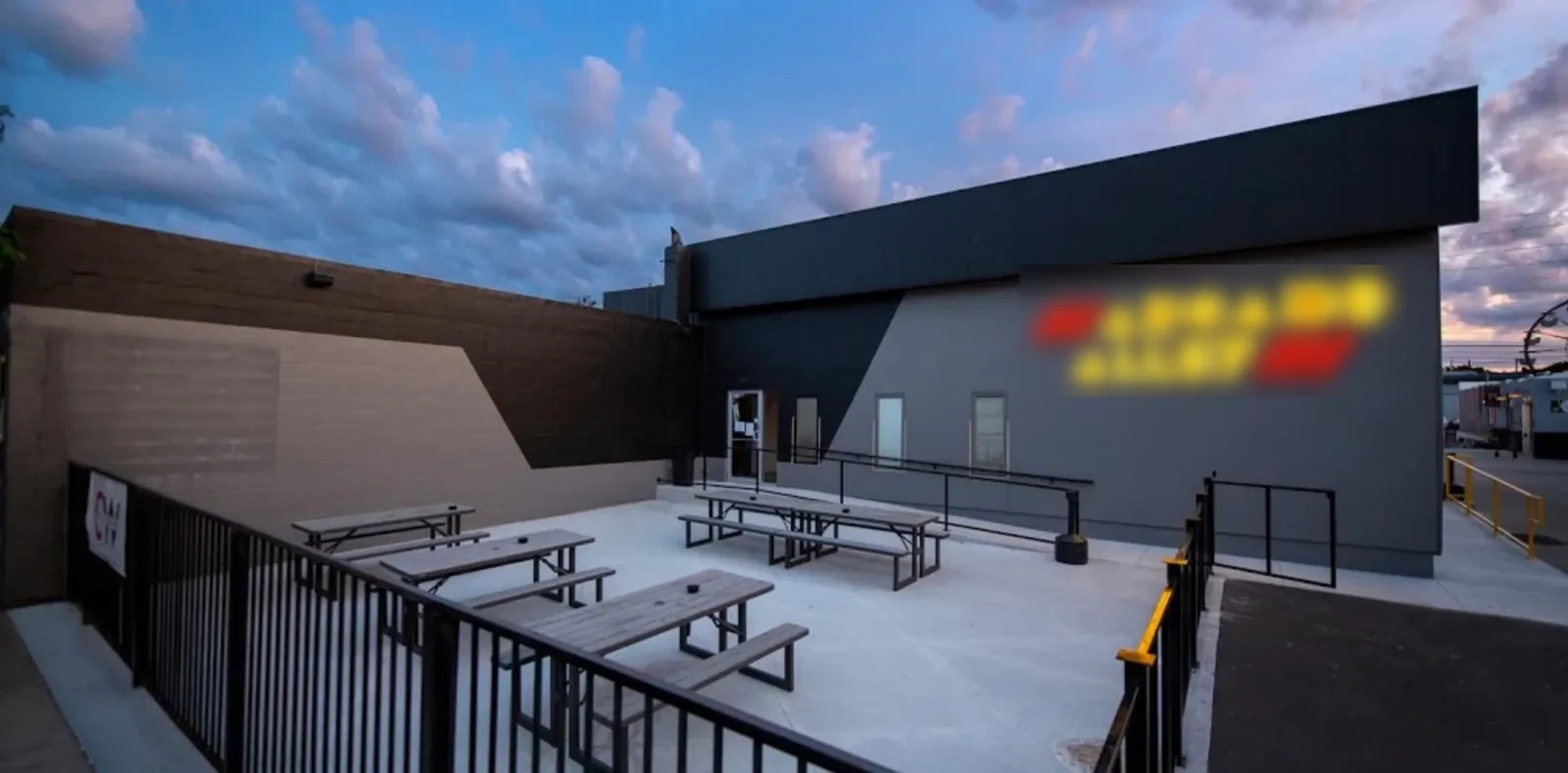
How do you identify the correct Arcade property?
Start with the street address, owner asset name, and the roof area shown in available drawings. A district can include several uses and entrances, so the service label alone is not enough to identify the roof or the person authorizing access. The city's visitor information lists restaurants, retail, tasting and event uses in this area, but it does not document how a particular building is operated. We ask the contact to identify the access point, areas that are off limits, and whether a tenant representative must be present. A commercial roof inspection can then record the roof zones actually reached, the surfaces not walked, and the photos tied to each location. If a roof plan is unavailable, a simple annotated sketch can identify drains, walls, penetrations, and visible concerns. That location key gives later repair photos a stable reference. It also reduces the risk that a contractor's recommendation for one storefront roof is mistaken for a conclusion about an adjoining property.
Related Roofing Work
More commercial roofing work connected to Arcade District in Columbia, MO.
Which details deserve a closer look above mixed uses?
Inspect the membrane or metal field, then trace the conditions at transitions: parapets, wall flashings, roof edges, drains, skylights, and mechanical curbs. At dining or distillery properties, confirm the actual exhaust and equipment locations with the owner rather than inferring them from the use. Record open seams, patch edges, displaced metal, punctures, standing water, and any interior report with its date and room location. A curb and penetration review can describe how the roofing meets installed equipment, while a flashing review should show the specific transition and adjacent material. Do not treat a ceiling mark as proof of the roof opening directly above it; water can travel before becoming visible. If there are multiple elevations, document each independently. Those observations help an owner separate a confirmed defect from a suspected moisture path and decide whether further testing is warranted before selecting materials or defining a repair boundary.
What does Columbia weather change in the inspection?
Use a reported weather date to set the inspection window, then record the actual surface conditions. Columbia's climate normals show a winter pattern with repeated below-freezing minimums and measurable seasonal snow. Spring is typically wetter and carries the region's greater chance of severe storms that may include hail or tornadoes. Localized cloudbursts can also occur in summer, with damaging winds more prominent later in that season. This sequence helps an owner decide when a follow-up is useful; it cannot establish that the Arcade property sustained impact. Compare current photographs with older roof records if they exist, noting any change at seams, edge metal, flashings, or drains. A wind-damage review should name the component and location observed, while a hail assessment should distinguish visible impact from weathering. After rain, revisit the reported interior area and nearby drainage route. Record any surface that was not accessible, and set a dated recheck if evidence is inconclusive. That process preserves a useful chronology without assigning cause solely from a storm report.
When is a repair boundary clear enough to price?
A localized repair can be considered when inspection finds a contained defect and sound surrounding material that can accept a compatible tie-in. The scope should name the location, preparation, material, edge treatment, and what is excluded. If moisture appears widespread, the assembly has several prior patches, or a seam continues to move, the next step may be moisture investigation or a larger evaluation instead of another isolated patch. A repair scope should state the evidence behind the proposed boundary. For recover or replacement, compare existing layers, wet insulation, deck condition, drainage, perimeter details, and transitions; do not assume that a storefront's size or use determines the assembly. Columbia applies its current commercial building, existing-building, and energy code package during plan review. The project design and review process determine which provisions apply to a particular alteration. A roof walk can flag questions for that process, but it cannot substitute for a code determination. The decision file should retain the inspection date, photographs, approved limits, and closeout record.
How should occupied work be documented?
Confirm the contact responsible for roof access, staging, material movement, daily protection, and close-in. District directories do not establish business hours or access rules for a particular tenant. If the work zone is above an occupied space, agree on notification and protected routes with the building representative, and record any restrictions before mobilization. Occupied-building sequencing can divide the work into roof zones and identify daily handoffs. Where repeated service calls or ownership reporting are involved, a roof condition report can preserve dated photos and unresolved items. The owner should know which drains were checked, what temporary protection remains, and who will confirm it after the crew leaves. The District and Stockyards District are distinct Columbia locations, so confirm the address before applying an access plan or repair history. At completion, photograph the repaired transitions and note any adjacent area excluded from the scope. That closeout record makes future leak reports easier to compare with the work actually completed and gives the next inspection a reliable starting point.
The Arcade’s mix of storefronts, restaurants, a distillery tasting room, event space, and entertainment venues does not reveal the construction or condition of any individual roof. It does make a precise work boundary useful. Identify the tenant or building contact, roof access point, affected interior area, and any time restrictions before the crew arrives. Keep these operating details in the coordination record, separate from the physical findings. That way, a later reader can tell whether a visit was limited by access or whether the roof detail itself was inspected and found intact.
A repair file should also show how the water path was tested. Photograph the reported ceiling location, then compare it with nearby penetrations, seams, wall transitions, drains, and prior patches above. Water can travel laterally before appearing indoors, so the closest roof detail is a lead rather than proof. If the evidence points to more than one possible entry point, list each candidate and the next test that would distinguish them. The owner receives a bounded recommendation instead of a broad replacement assumption based on a single interior stain.
Commercial Roofing Questions
Does an Arcade District business listing tell you its roof system?
No. A public listing identifies uses or businesses, not the roof assembly, age, or condition. We confirm the address, review available records, and inspect the accessible roof before recommending a system-specific scope.
Can roof work be scheduled around a restaurant or event venue?
The building contact must confirm access windows and any operating constraints. We document the agreed work area, staging route, daily protection, and close-in responsibility rather than assuming a schedule from the property type.
What should an owner keep after a roof repair?
Retain the dated inspection photos, repair location, material and work limits, completion images, and any follow-up recommendation. Those records help distinguish a recurrence at the repaired detail from a separate condition.
Does a storm report establish roof damage?
No. It provides context for an inspection. The roof record should identify observed conditions, the locations checked, inaccessible areas, and any additional testing needed before assigning cause or scope.