
Commercial Roofing at LeMone Industrial Park, Columbia, MO
LeMone combines office and light-industrial properties, so identify the building, roof zone, and access contact before arranging a repair inspection. Each structure and its operations determine the visit logistics. Mark nearby drains and transitions against the reported interior location before assigning a repair. We confirm the property address with its contact, inspect the accessible assembly, and record drainage, seams, flashings, penetrations, edges, and prior repairs by location. Columbia's climate adds seasonal questions: freeze-thaw and snow in winter, a wet spring with severe-storm potential, and localized downpours or damaging winds in warmer months. These seasonal changes make dated comparisons useful for LeMone roof areas, especially seams, drains, and edges. The inspection should separate observed defects from assumptions and leave the owner with photos, a defined work limit, and the next point for review.
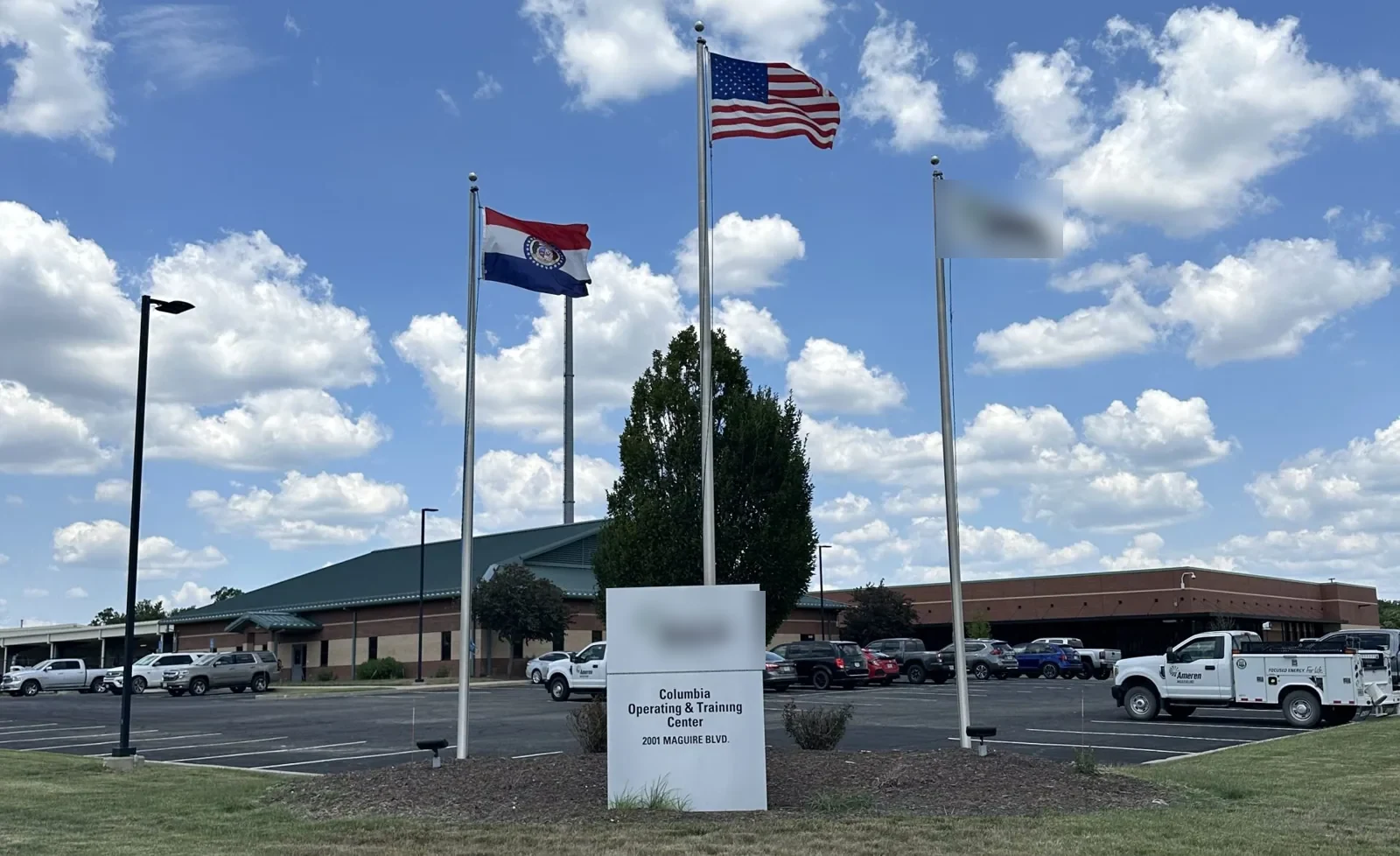
What does the planning record tell an owner?
LeMone Industrial Park combines office and light-industrial properties. Begin with the owner’s asset name, street address, roof plan if available, and the person who can authorize access. If a roof serves more than one tenant or use, label the areas separately so a leak report or service proposal reaches the correct building contact. Record whether the building has one roof level or several, the surface actually inspected, and any areas that remain inaccessible. A commercial roof inspection can identify visible conditions without making unsupported claims about concealed layers. If ownership or maintenance records exist, compare their roof-area labels with the field sketch before using them in an estimate. LeMone is one Columbia employment area; Business Loop 70 has a separate corridor profile and should not be treated as an extension of the park's boundaries. Keep place context and parcel evidence distinct in the decision file.
Related Roofing Work
More commercial roofing work connected to LeMone Industrial Park in Columbia, MO.
How should a light-industrial roof be reviewed?
Inspect the installed system rather than assume a material from the building's use. For a membrane roof, note seams, patches, wall transitions, drains, and penetrations. For metal, inspect panel laps, fasteners, closures, flashings, and exposed edges. In either case, document ponding, debris, movement, surface damage, loose components, and evidence of prior water entry. Confirm roof-mounted equipment and its service requirements with the building contact; the planning description does not specify any equipment. A curb and penetration inspection can record the transition around installed units, while seam-failure repair applies only where the observed seam condition supports it. A roof mark near a mechanical unit does not itself establish the entry point. Compare the roof-side observation with the dated interior report and, where appropriate, a moisture survey. The work record should note what was tested, what remained outside the inspection, and whether more investigation is needed before a repair quantity can be set.
Which weather and drainage questions matter in Columbia?
Columbia's winter normals include many days with freezing minimum temperatures and recurring seasonal snow, so owners can watch for changes around seams, drains, and edges after freeze-thaw periods. Spring is the wettest season and brings the region's stronger potential for large hail and tornado-producing storms. Summer thunderstorms may drop heavy rain in a localized area, and damaging winds become a more prominent threat later in the season. Use Columbia’s seasonal patterns to time follow-up checks at LeMone buildings. After a reported storm, record the owner's event date and inspect the areas they identify, then distinguish fresh displacement or impact from older wear where evidence allows. A hail inspection should document the surface and detail checked; a drainage assessment should identify low areas and outlets observed after rain. Clear before-and-after photos make a later comparison more reliable. If no visible issue is found, state that accurately and identify any concealed condition that would require testing rather than suggesting the roof is defect-free.
When should a local correction expand into a capital scope?
A repair boundary is more defensible when the defect is located, surrounding material is sound, and a compatible repair can be tied into the existing assembly. State the preparation, material, limits, and excluded conditions in the proposal. If there are repeated failures, wet insulation, widespread deterioration, or a deck concern, identify the evidence and whether testing is needed before selecting a broader remedy. A repair plan should not imply that a small correction resolves uninspected portions of the roof. A recover or replacement review can compare existing layers, moisture, deck, insulation, drainage, flashing, edge metal, and project phasing. Columbia's commercial plan review applies its current building, existing-building, and energy codes; the design documents and review establish how a specific alteration is treated. Do not infer a code outcome from the park designation or a field walk. The owner should retain the dated scope, photos, materials, and follow-up recommendation with the roof history so a future capital review can trace why the work was selected and what remained outside its boundary.
How can an owner preserve continuity during work?
Before mobilization, confirm the access contact, staging location, roof entry method, delivery timing, daily protection, and person responsible for close-in. The building representative confirms current work hours, security steps, and access requirements before mobilization. Occupied-building sequencing can set the work zones and handoffs, while a photo-based condition report can preserve what was visible before and after a phase. Note drain status and temporary coverings at the end of each workday, then photograph completed seams and transitions at closeout. The contact should receive a concise list of completed areas, exclusions, and unresolved items. A property in North Village Arts District needs its own address, access notes, and roof history. A consistent record across separate addresses helps an owner compare maintenance needs without assuming that two parks or districts share the same roof history, access rules, or repair scope.
A property can change tenants, ownership, or use over time. Before comparing inspection history, confirm the structure, roof zones, access contact, and current work restrictions with the property manager. Store prior repairs with the building identifier and date so the next facilities contact can distinguish a completed correction from an open recommendation.
A light-industrial roof review should connect each observed issue with the assembly detail that could explain it. Record seams, edge transitions, penetrations, drains, equipment supports, and previous repairs; then identify whether moisture testing or an opening was used to verify concealed conditions. If the owner is considering capital work, state which sections are supported by evidence and which require additional testing. Columbia’s commercial plan-review requirements may apply to a proposed alteration, but the roof inspection alone does not determine the approval path. Keep that code question with the design team while the field report stays focused on observed conditions and scope limits.
Commercial Roofing Questions
Can the park’s history confirm current occupancy?
No. Tenant activity can change. Confirm the current use, access contact, and work schedule with the property manager before arranging an inspection.
Can the park designation identify the building's roof system?
No. The park’s business and light-industrial uses do not identify individual roof assemblies. We inspect the roof and compare it with available owner records before naming materials or proposing a repair.
What should an inspection report say if part of the roof is inaccessible?
It should identify the areas reached, the limits, and the evidence available from safe observation. State what was not inspected and whether a follow-up visit, lift, testing, or owner record is needed to close the gap.
How should storm-related concerns be handled?
Record the date and reported concern, inspect the identified areas, photograph visible conditions, and separate observed damage from suspected cause. A later check can compare the same locations after weather or repair.