
Holcim Elevate Commercial Roofing in Columbia, MO
A Holcim Elevate roof may be identified by RubberGard EPDM, UltraPly TPO, PVC, or an asphaltic system, but the label alone does not describe the full assembly. We compare product records with visible membrane, seams, flashing, drainage, and previous work before writing a repair scope. Columbia's winter freeze-thaw pattern and seasonal snow can test transitions, while wet spring storms and hot summer days bring separate inspection questions. Those are market exposures, not proof of damage to a particular Holcim roof. East Columbia / East Area Plan is a Columbia employment area described in council records, and the I-70 Business Loop includes a mix of commercial and institutional properties. Neither setting reveals a roof type or attachment design. The inspection follows the actual property and roof area, recording which product can be confirmed and which system detail remains unknown. That record supports a decision without turning a brand name into a condition rating.
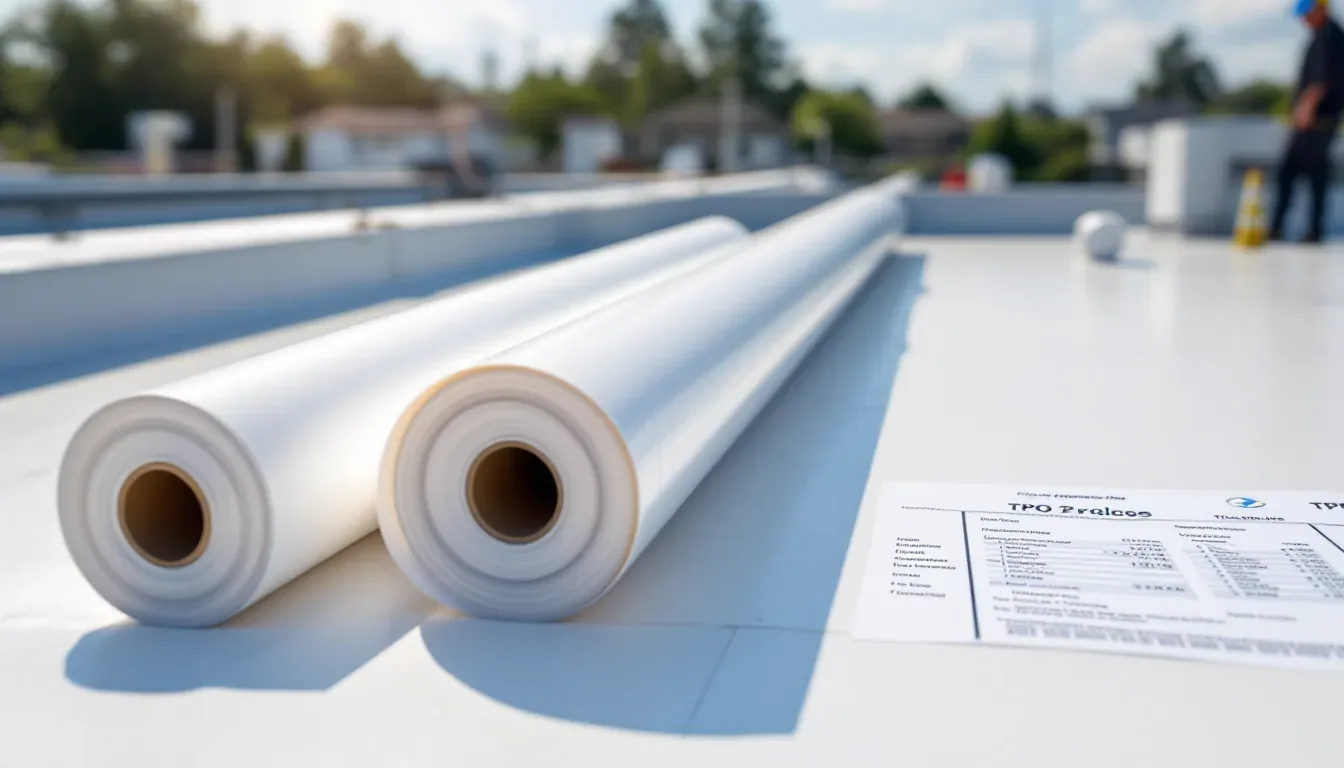
Which Holcim product family is installed?
Begin with closeout records, membrane markings, repair materials, and any system specification tied to the building. RubberGard identifies an EPDM line, UltraPly identifies TPO, and The product line also includes PVC and asphalt-based commercial systems. Each has distinct seams, flashing, attachment, and repair materials. EPDM seams are not heat welded like TPO or PVC; an asphaltic roof uses a different layer sequence and surface treatment. An EPDM assembly should be inspected with its seam and flashing materials in view, while TPO field details call for attention to welds and thermoplastic transitions. If the product paperwork lists insulation or cover board, identify those components separately from the membrane. A replacement or recover file may include materials from more than one manufacturer. When evidence is incomplete, mark the roof system as partly identified rather than choosing the most familiar product. The approved assembly, substrate, and visible field condition still control whether a proposed repair is compatible.
Related Roofing Work
More commercial roofing work connected to Holcim Elevate Commercial Roofing in Columbia, MO.
How should a leak or open detail be traced?
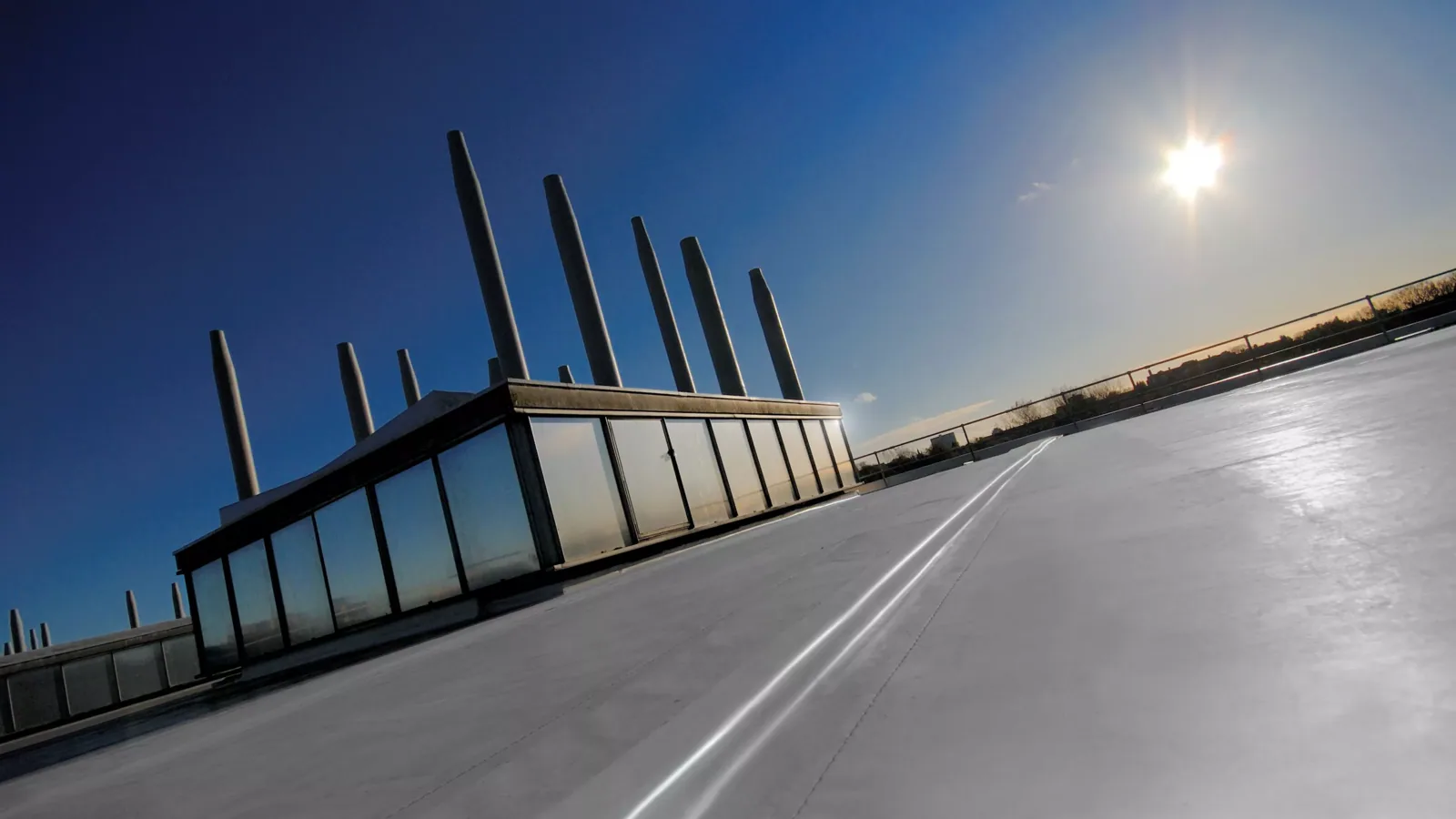
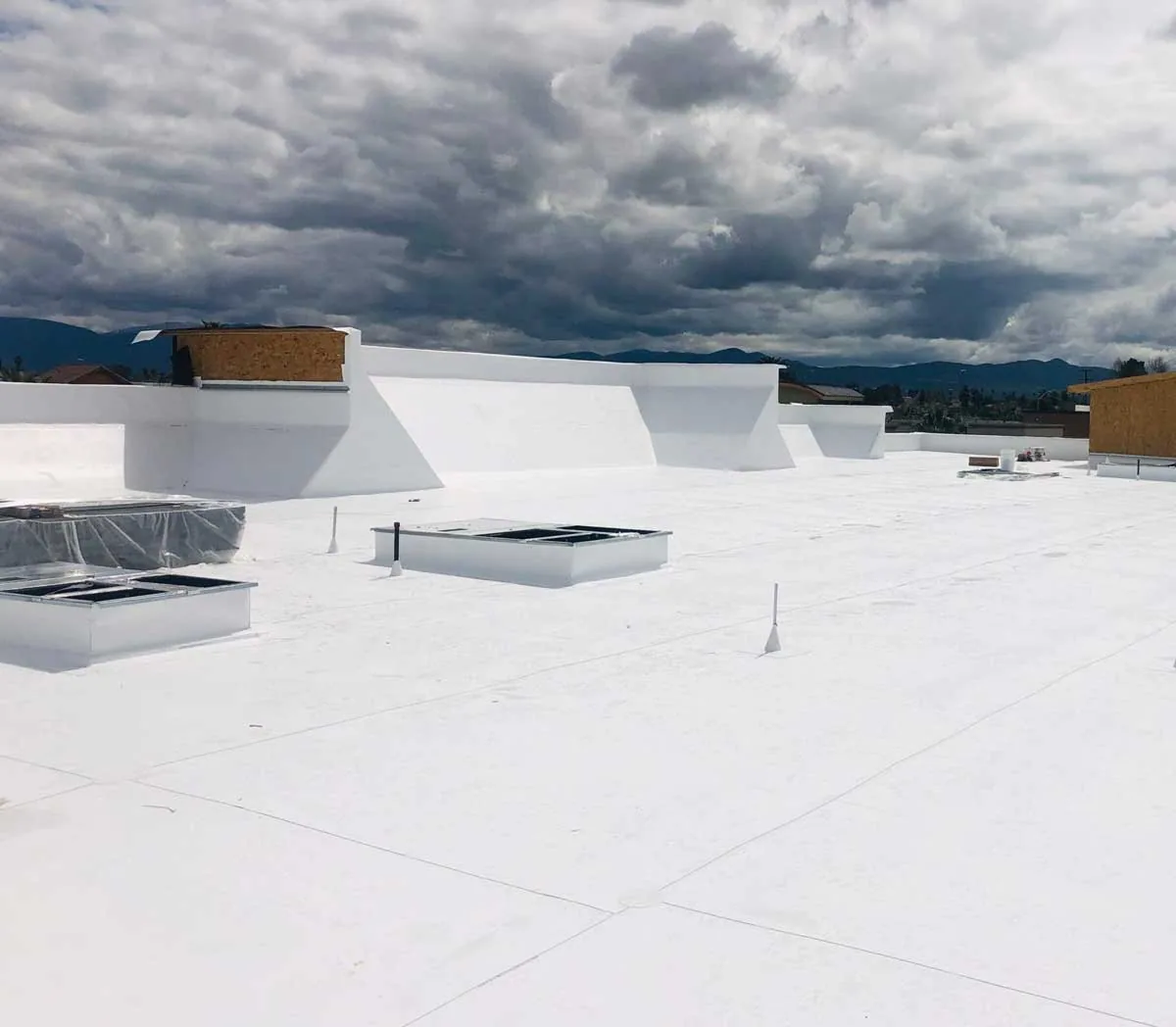
Map the interior report to the roof zone above it, then inspect the likely water path through field seams, penetrations, curbs, walls, drains, and edges. Water can travel along insulation or deck before reaching the ceiling, so an interior mark should start the investigation rather than set the repair boundary. We photograph a close detail and a wider area, note previous patches, and distinguish visible failure from suspected moisture. A commercial roof inspection can record accessible conditions; seam repair findings should state whether separation appears local or recurring. For EPDM, inspect the specific lap or flashing materials and their adhesion. For a thermoplastic system, probe a suspect seam and examine adjacent welds. Columbia's wettest season is spring, when storms may bring heavy rain, hail, or tornadoes. After a reported event, compare dated images with current conditions and document observed impacts instead of assuming the roof failed because a storm occurred. A marked plan lets a follow-up visit return to the same point.
What does an Holcim assembly review include?
Check deck type where known, insulation condition, cover board, attachment, membrane, perimeter, penetrations, drainage, and the way the assembly closes at walls or curbs. If an existing building has additions or several reroof layers, note which area corresponds to each record. Do not assume a product family based on an adjacent roof section. For an adhered system, substrate condition and adhesive compatibility matter; for a mechanically fastened assembly, the deck and approved fastener pattern matter. An insulation review can define layers and tapered sections; drain and scupper work should identify outlet condition and membrane tie-in. Columbia applies a 2024 building-code package to commercial plan review, including existing-building and energy rules. The relevant project review depends on the specific alteration. East Columbia / East Area Plan and the I-70 corridor identify local service places, not design requirements for a roof at either place. Before work, compare approved details with field conditions and document any change that could affect attachment or water flow.
How do repair and recover decisions differ?
A local repair can fit a confirmed defect when surrounding material is suitable for a compatible tie-in. A recover decision also depends on moisture, deck condition, existing layers, attachment, and the approved assembly. Replacement can be a separate option if deterioration is widespread or the old assembly cannot accept another layer. We state whether a proposal includes removal, wet material, new insulation, edge metal, drains, and rooftop transitions. A repair proposal should identify the boundary and any test that could expand it. A recover assessment should describe the layers left in place and the conditions required for that approach. Columbia has repeated freezing days during a typical year and experiences summer heat and heavy rain in localized storms; scheduling must account for the actual work window and protection plan. A building near the Business Loop does not share the same roof condition as another property on that road. The owner's records and current inspection support the choice. If insulation moisture is uncertain, include the verification step before treating a recover as a settled scope.
Product identification should distinguish the membrane, reinforcement, backing, and accessory components rather than rely on a brand reference from an old work order. We compare the records with labels and field details, then mark any uncertainty that could affect primer, welding, or flashing selection. A system name is useful only when it matches the assembly actually present.
What should be retained after Holcim roof work?
Keep the system specification, approved submittals, product labels where available, installation photographs, repair history, and the written warranty with the building record. Note roof areas completed, materials used, details changed, and any portion deferred for another visit. Warranty conditions come from the actual document and its requirements; a product name does not define coverage. Warranty-file organization can keep notices and maintenance records together, and a dated condition report preserves the field evidence. Columbia's University of Missouri manages maintenance, energy, construction, and project planning across campus facilities. That broad role shows why a facilities file needs clear building identifiers, but does not say which membrane any facility has. For comparison, Carlisle SynTec options and Johns Manville systems should be reviewed against the same substrate and project criteria. We can inspect accessible areas, review available product records, and identify the recommended repair boundary or next test. Record follow-up results beside the original photos so the next owner or facility manager can see what changed.
For repairs near transitions, document the existing detail and the proposed compatibility basis before materials are installed. A recover option also requires review of existing layers, moisture, attachment, and drainage. Keep product data and approved submittals with dated photographs so a later facilities team can understand what was installed and which areas were not part of the work.
Commercial Roofing Questions
Does RubberGard mean every roof area is EPDM?
Not necessarily. An addition, recover, or later repair may use a different material. We match records and visible details by roof zone before specifying a seam or flashing repair.
Can an EPDM repair be applied to UltraPly TPO?
No. The materials use different joining methods and compatible repair products. We identify the installed membrane before preparing a patch or transition.
Can an existing Holcim roof be recovered?
A recover depends on existing layers, moisture, attachment, deck condition, and design requirements. We inspect those factors and state what needs verification before comparing overlay with replacement.
Does a product name determine warranty coverage?
The written warranty and its conditions control. We can organize the document and report the field condition, then preserve the information needed for the party responsible for a coverage determination.