
Built-Up Roofing in Columbia, MO
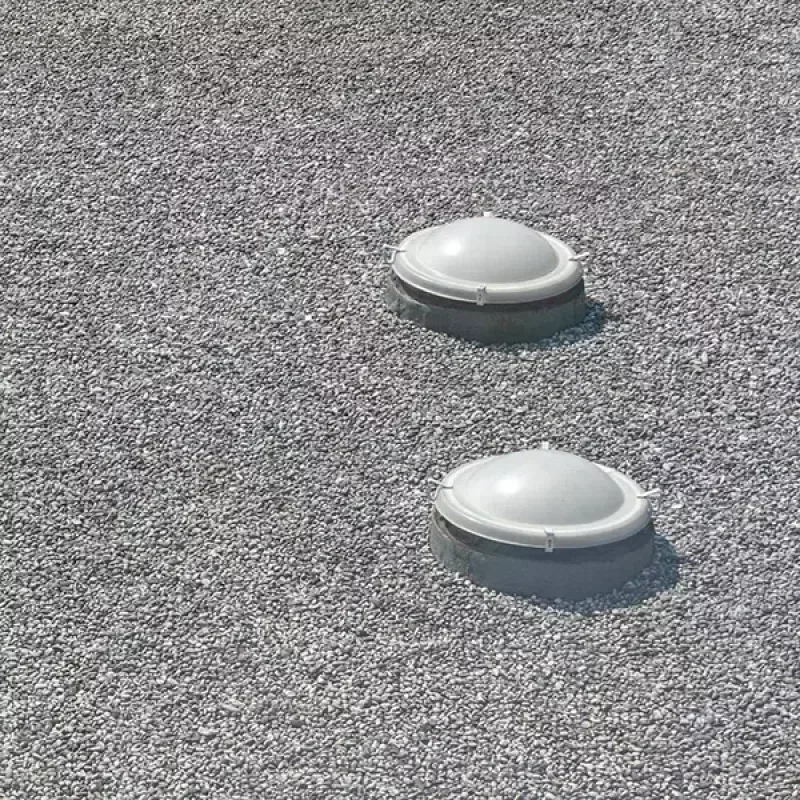
A gravel pocket shifted away from a drain can expose the built-up roof surface and leave a path for water to collect. We inspect the surfacing, cap sheet or top ply, visible laps, flashings, and drains, then record what is visible before disturbing the assembly. Built-up roofing uses multiple plies that work together, so a top-layer defect does not reveal the full condition beneath. Columbia winters bring recurring freeze-thaw periods and seasonal snow, followed by wet spring storms and hot summer days. The Central City, Columbia inventory includes a power plant, residence halls, research buildings, garages, and utility facilities. The LeMone Industrial Park has office and light-industrial uses. In either setting, the decision comes from the specific assembly, roof history, and moisture evidence. The decision comes from the specific assembly, roof history, and moisture evidence. We mark where surfacing is displaced, where blisters or splits appear, and whether a repair or further investigation is warranted.
What does each built-up roof layer contribute?
A built-up roof generally combines reinforcing plies with asphalt or another specified bituminous material, then receives a cap sheet, coating, or aggregate surfacing. The layers create redundancy, but each interface still needs to remain bonded and watertight. We review exposed edges, drains, curbs, and previous openings to understand how the assembly was built. A blister may involve trapped air, moisture, or loss of adhesion; a crack can cross more than one ply. We do not cut into the roof until the inspection identifies why an opening is useful and how it will be restored. A roof inspection can map visible conditions, while moisture testing can help direct additional investigation. Where the concern is a specific lap or flashing, repair work can be scoped to the affected plies and finished with compatible surfacing.
Related Roofing Work
More commercial roofing work connected to Built-Up Roofing in Columbia, MO.
Why do aggregate and coatings need attention?
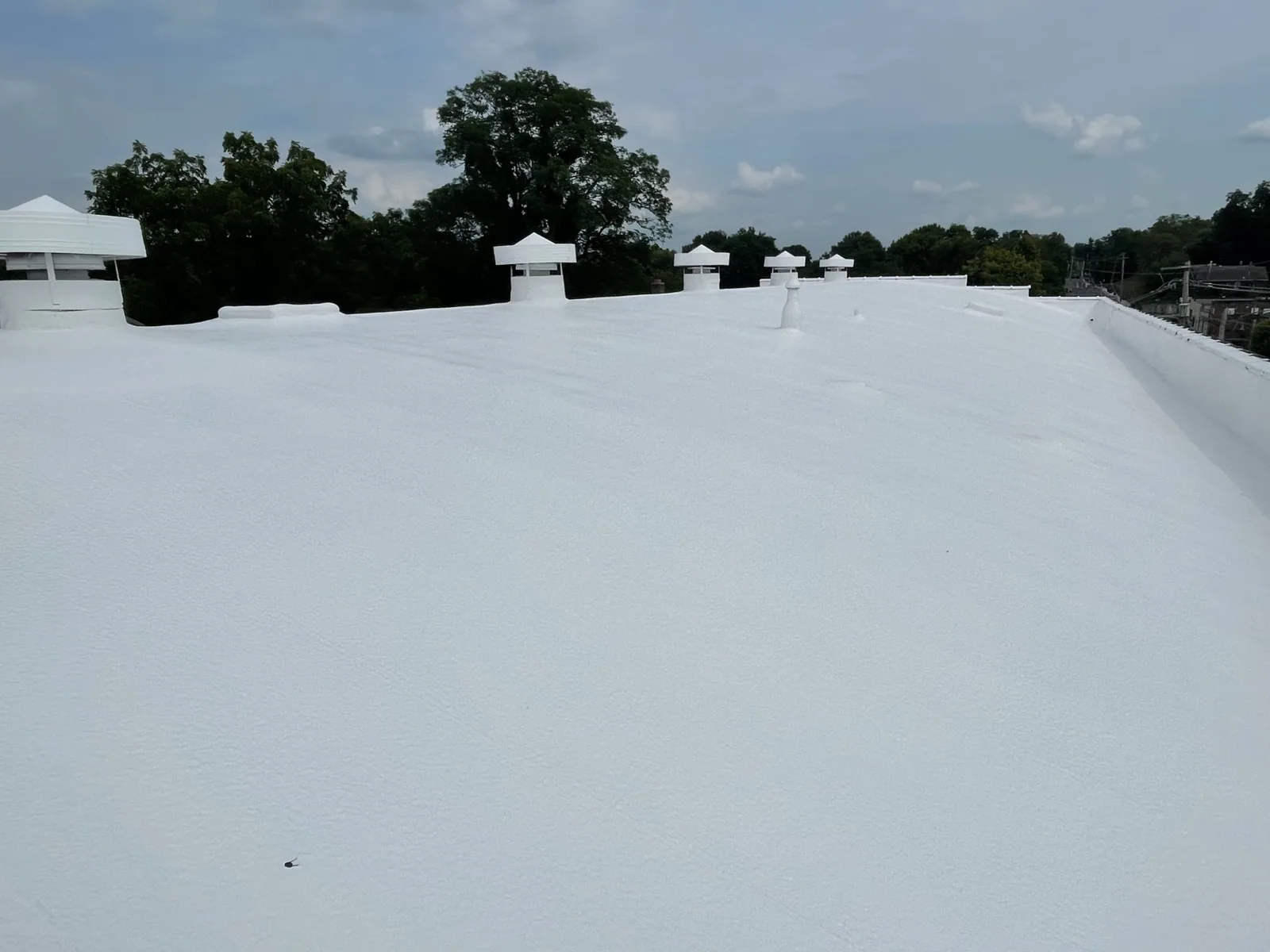
Aggregate protects the bituminous surface from direct exposure and can move as drainage or maintenance work shifts the stone. We check for thin areas, displaced gravel, exposed asphalt, and debris that blocks a drain. A coating can renew a suitable surface only when the underlying plies and moisture condition support that choice. Coating over a wet or separated assembly would leave the underlying defect unresolved. In Columbia, spring rainfall can be heavy and summer storms may concentrate water in a localized area. The date and location of ponding belong in the photo record so a future visit can compare whether the low area persists. Drainage review can address an outlet or slope issue; coating restoration should be considered only after the substrate, adhesion, and existing layers are assessed. We identify what surface material was added and what areas remain uncoated or outside the repair.
When can a built-up roof be repaired?
A repair may be suitable when the affected area is limited and the surrounding plies remain bonded and dry. The work could involve lifting loose surfacing, preparing the surface, reinforcing a split, restoring a flashing, and replacing aggregate after the repair cures. The scope should identify whether the repair reaches one ply or multiple layers and what test or opening supports that boundary. If moisture, broad delamination, or repeated ponding extends beyond the visible defect, a surface patch may not address the larger condition. Replacement planning can compare removal of the assembly with continued repair. Modified bitumen also uses bituminous materials but follows a different sheet-based assembly and seam approach. SPF systems use a different roof build-up again. Before work begins, the scope should also say how the repair will meet sound material at its perimeter. Loose gravel may need to be cleared and retained separately so it does not contaminate a bonding surface. A tie-in across multiple plies requires a sequence that restores each layer rather than sealing only the visible cap. We note whether the patch will receive new aggregate or another specified finish, and whether the existing surface can accept it. If a test opening is made, its location and closure method belong in the record. This lets the owner compare the proposed work with what crews actually expose, instead of treating a broad roof area as one uniform condition. The owner should receive photographs, a marked repair boundary, and a list of areas that were not opened or tested.
How do weather and surfacing affect the work?
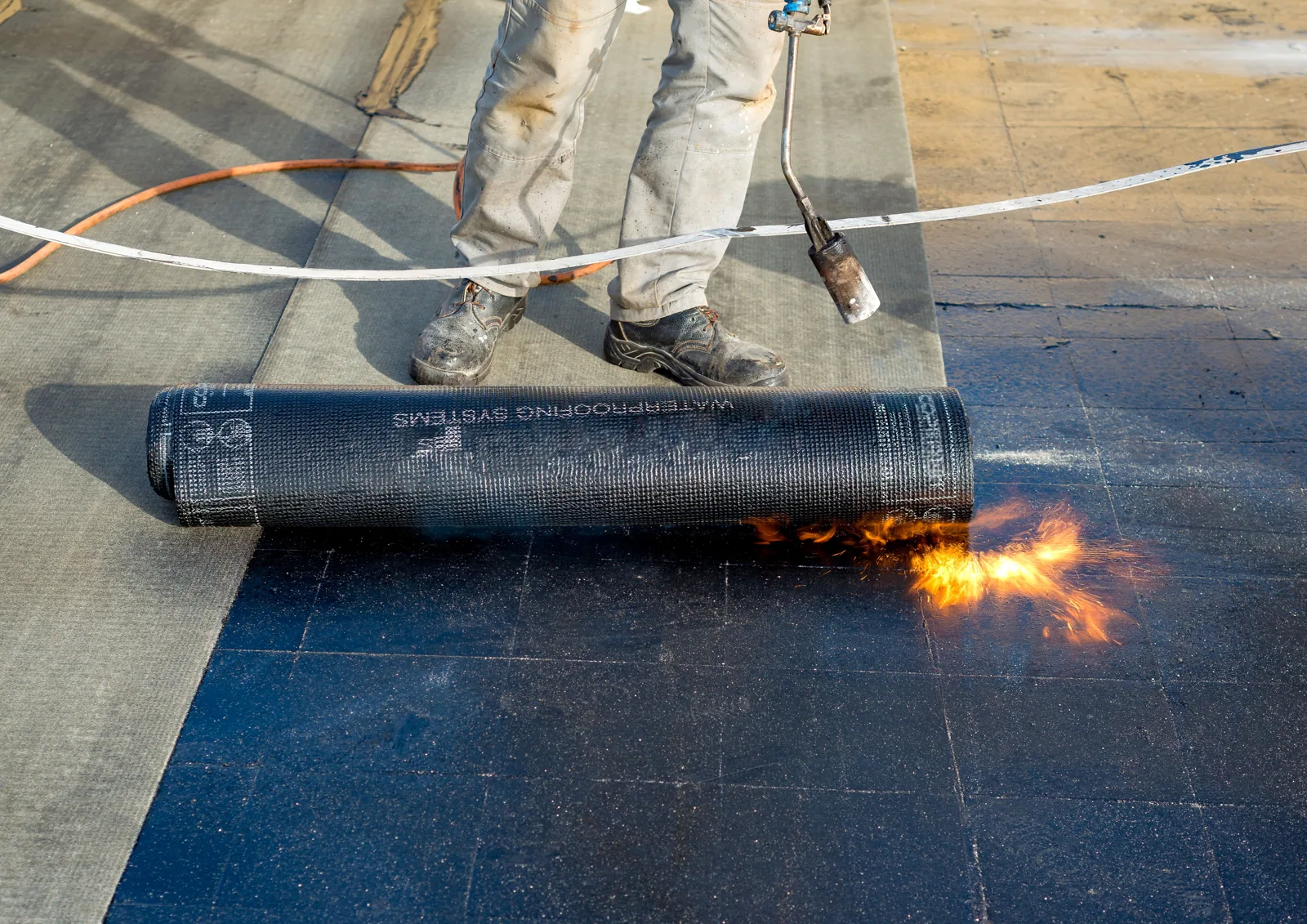
Built-up roof work can involve hot asphalt, kettle operations, adhesives, or surfacing materials, so access, ventilation, fire prevention, and staging affect the work plan. The actual method depends on the approved system and repair detail. We identify the portion that can be prepared and closed each day, and protect loose aggregate or exposed asphalt from rain and wind. Columbia's wet spring and later-season damaging winds can interrupt work, while cold conditions may affect asphalt or adhesive handling. The City uses a 2024 building-code package for commercial review; a larger alteration or replacement should be checked against the project requirements. The foreperson records where material was removed and replaced, what remains open, and the next inspection point. A completed repair should not be covered with gravel until the underlying detail and cure requirements are confirmed.
What should be recorded for the next inspection?
A roof map should mark drain locations, repaired seams, open test areas, low spots, and places where aggregate was redistributed. Dated images show the surface before and after the work and preserve which layers were visible. Record surfacing type, repair materials, cure or installation method, and any detail left outside scope. Columbia's adopted 2024 code editions include existing-building and energy requirements for commercial plan review, so assembly changes should be reviewed for their project context. Maintenance visits can compare those same roof areas after rainfall or service work. Clear labels help the next facilities contact distinguish a repaired ply from adjacent material that was not evaluated.
Document the surfacing type, visible ply condition, repair locations, drain and scupper status, and any areas where aggregate or coating was displaced. Keep photographs wide enough to locate a repair and close enough to show the surface change. If an inspection finds exposed reinforcement or a split, note whether water has reached the lower layers only when that condition is confirmed. A future visit can then compare the same area instead of starting from a broad label such as aged. Columbia's rainfall varies across summer storms, so drainage observations should include the date and recent conditions when standing water is part of the concern.
Commercial Roofing Questions
Can a built-up roof be patched from the surface?
A surface repair can work when the affected layers and surrounding assembly are suitable. We inspect the surfacing and visible plies, then state what the repair includes and whether moisture or bonding needs further testing.
Does a gravel roof need all aggregate removed for inspection?
Not necessarily. We inspect accessible areas and may move surfacing locally to view a suspected detail. The report should identify the areas examined and avoid implying that concealed layers were checked without opening them.
Which built-up roof conditions can produce blisters?
Air, moisture, or a loss of adhesion can contribute, but a blister's appearance alone does not establish the cause. We record its location and extent and determine whether an opening or moisture test would affect the scope.
Can a coating restore an older built-up roof?
Only if the plies and substrate are suitable, dry enough, and able to accept preparation and adhesion. We compare those findings with drainage and repair history before recommending a coating over the existing assembly.