Warehouse Roofing in Columbia, MO
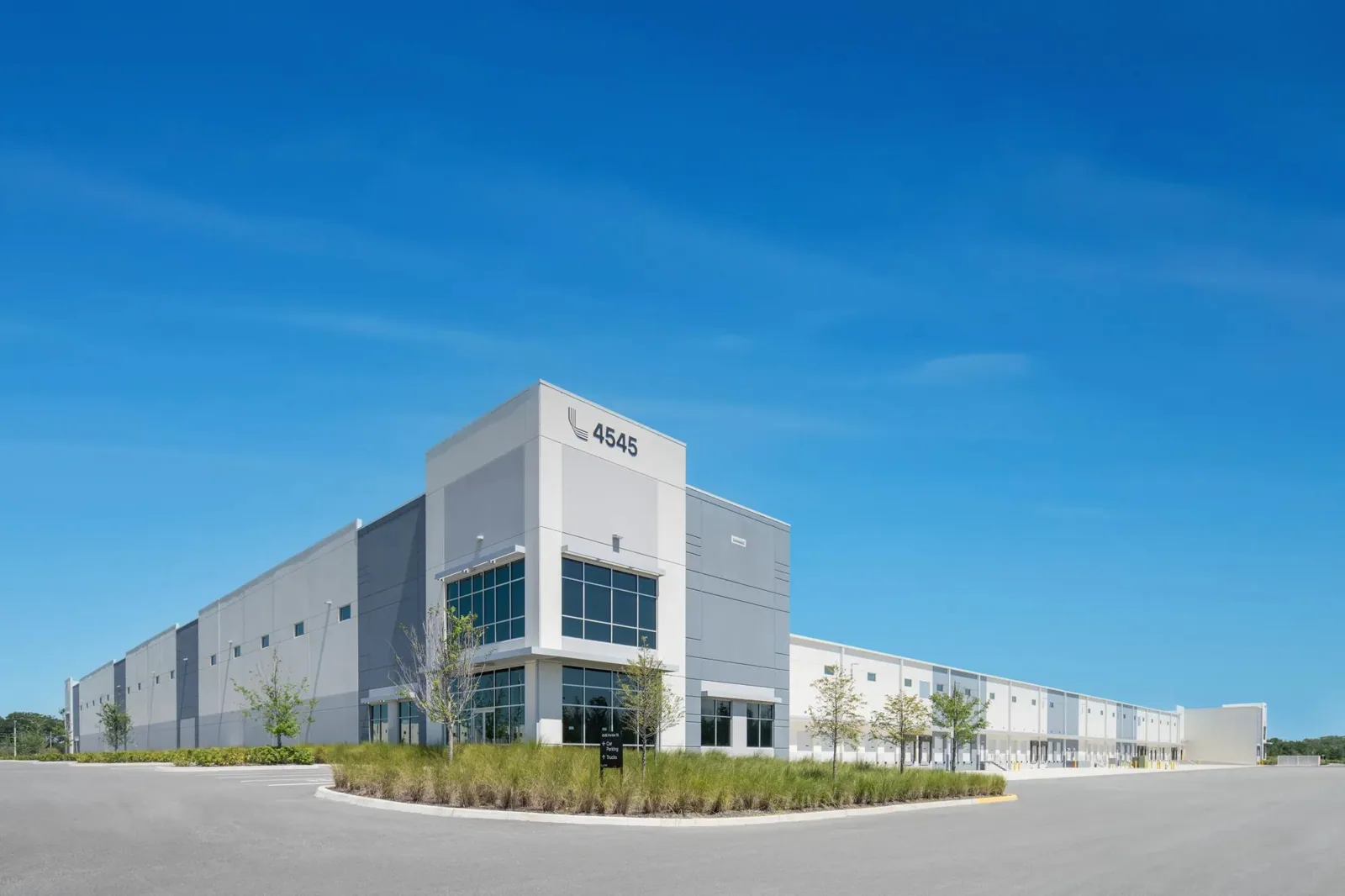
Water over a warehouse aisle can threaten stored product long before a ceiling panel shows a stain. A useful roof review starts by marking the reported location against drains, seams, penetrations, and the building’s interior layout. We document what is visible, identify where the roof needs closer testing, and separate a local repair from work that affects a larger section. In Columbia, spring can bring hail-producing storms and tornado risk alongside heavy rainfall; hot summer periods and localized downpours create a separate roof exposure. Tower Industrial Park includes a warehouse and office setting, while Cartwright Business & Technology Park is home to a distribution center. distribution-center roofing addresses a related building use with a different movement and dock schedule. Those facts establish local employment uses, not the construction or condition of any roof. The roof in question still needs its own inspection, with access, inventory protection, and operating constraints recorded before a scope is selected.
How should a warehouse leak be mapped?
A drip line on the slab or a wet pallet marks where water became visible, not necessarily where it crossed the roof. We begin with the report time, interior location, weather, and any nearby equipment or storage that limited access. On the roof, we trace toward seams, drains, curb flashings, roof edges, and prior repairs. A wide bay can make it tempting to call the entire roof one condition, but water may follow a deck joint or insulation interface before reaching the interior. We mark each observation on a roof plan and photograph it with enough context to relocate it later. A commercial roof inspection can distinguish confirmed defects from areas that need a closer look. If moisture below the membrane would change the repair boundary, infrared moisture review may help target follow-up, with any suspected area verified using an appropriate method before removal is specified.
Related Roofing Work
More commercial roofing work connected to Warehouse Roofing in Columbia, MO.
What does stored inventory change about roof planning?
Warehouse operations often depend on open aisles, high-bay equipment, loading routes, and predictable inventory movement. A reroof plan should show where material will be staged, which roof zones are active, and what interior areas may need protection during removal. We coordinate delivery and hoisting routes with the property contact instead of assuming a clear path from the building type. Before a roof section is opened, the crew confirms its daily close-in boundary and how water will be kept out if weather interrupts work. Columbia can receive intense localized rainfall in summer, so a large tear-off area is not useful if it cannot be secured before a storm. The work plan should also flag any aisle, sensitive stock, or equipment beneath the active zone so the facility contact can arrange protection or a temporary move. Written daily records help align roof progress with inventory decisions.
Where do water and insulation problems show up?
Warehouse roof fields can hide wet insulation, compressed board, open laps, or a drain that no longer clears runoff. We inspect low areas after rainfall, check outlet bowls and scuppers, and note whether water appears at a seam or penetration. If an opening is warranted, its location and closure method belong in the photo record. The roof surface should not be covered until the owner understands the confirmed removal limit and what remains untested. Drainage service can address an outlet concern, while the membrane detail needs a compatible repair of its own. A new layer over wet material can preserve the very condition the project was meant to correct. Columbia’s freeze-thaw periods can stress seams and flashing as temperatures change, so a dated observation after winter or a major storm helps compare whether the same area is moving or deteriorating.
When is a localized repair enough?
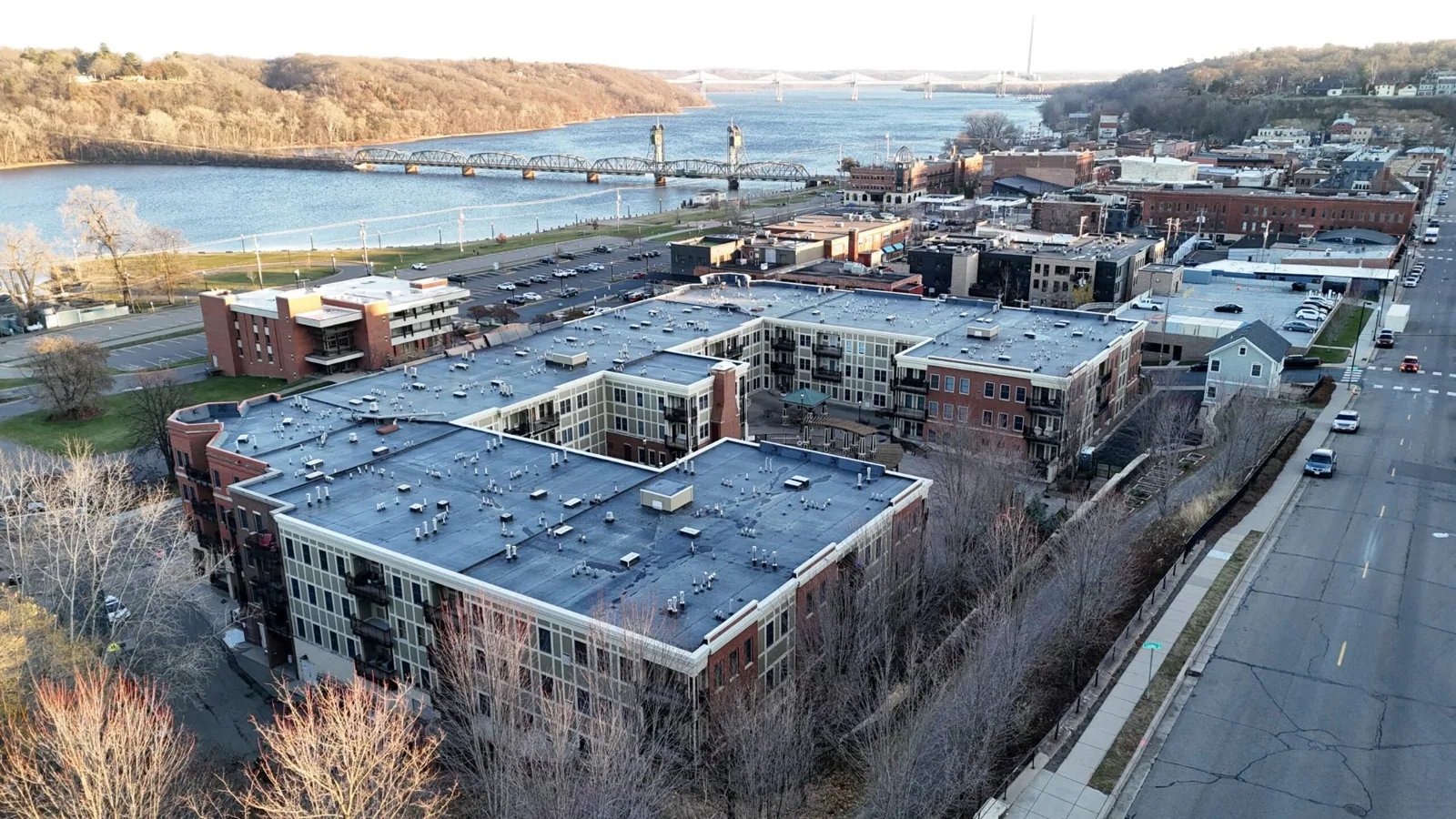
A repair is a reasonable candidate when the defect has a clear boundary and nearby insulation, attachment, flashing, and membrane remain suitable. The written scope should name the material and detail being repaired, the area included, and the evidence that supports that limit. Repeated leaks across separate roof zones, broad moisture, widespread seam failure, or an unstable substrate may call for a larger comparison. Commercial roof repair can address a mapped defect; replacement planning can weigh the condition of the full assembly and the amount of work required to remove it. A recover assembly may be possible only if the existing layers and attachment meet project requirements. We do not turn a spot patch into a promise about the entire roof. Photographs should show both the repaired detail and adjacent areas that were not opened, so later staff can tell what the scope did and did not include.
How can roofing work fit a warehouse schedule?
Before mobilization, we confirm roof access, lift locations, delivery timing, pedestrian routes, and the building contact who can approve a change in sequence. If operations run across shifts, the schedule should identify noisy work, temporary restrictions, and any period when rooftop equipment needs coordination. The crew can then work a defined zone, complete the tie-in, and record it before opening another area. Weather delay decisions should be tied to forecast conditions and the system’s installation requirements, not a fixed daily production target. Columbia’s commercial plan review follows the 2024 IBC, IEBC, and IECC, so a reroof that changes the assembly should be checked against applicable project review requirements. A clear scope separates roof work from any structural or interior work that needs another trade. Where a facility also handles production or assembly, manufacturing-plant roofing raises different coordination questions around process areas, equipment service, and the roof zones above them. The owner should keep those uses distinct when setting access and staging, even when a single property contains more than one building function. A change to the loading plan or a delayed shipment can affect where materials are placed, so the site contact needs a way to update the crew before the next roof area opens. Preventive roof maintenance can revisit repaired details and drainage once the project is complete.
Before a repair is assigned to a crew, tie the roof zone to the aisle, rack row, or dock area below it. That lets operations move sensitive stock or suspend a lift route without clearing the entire floor. Mark the affected zone on the roof plan and use the same label in interior reports, photographs, and the work order. At closeout, note what was opened, what was replaced, and what still needs a check after rain. Columbia’s wet spring makes that follow-up useful when drainage and seam conditions have been stressed.
Commercial Roofing Questions
Can a warehouse stay in operation during roof replacement?
Many projects can be phased while operations continue, but the safe sequence depends on access, inventory, weather, roof layout, and the assembly being installed. We map the active zone and daily close-in point with the facility contact.
How do you protect inventory below an active roof area?
The work plan identifies the interior area beneath each roof zone and the protection or temporary move needed before removal. The property contact confirms stock sensitivity, aisle use, and any equipment that affects access.
Does a wet warehouse ceiling mean the roof needs replacement?
No. The visible symptom directs inspection, while the roof evidence determines whether a repair or larger scope is warranted. We document seams, penetrations, drainage, and any moisture testing that changes the boundary.
What should be in the warehouse roof closeout file?
Keep the roof-zone map, dated photographs, material information, repair locations, change approvals, and any areas left outside scope. That record helps the next facility contact compare conditions after weather or service work.