
Commercial Roofing in the Stockyards District, Columbia, MO
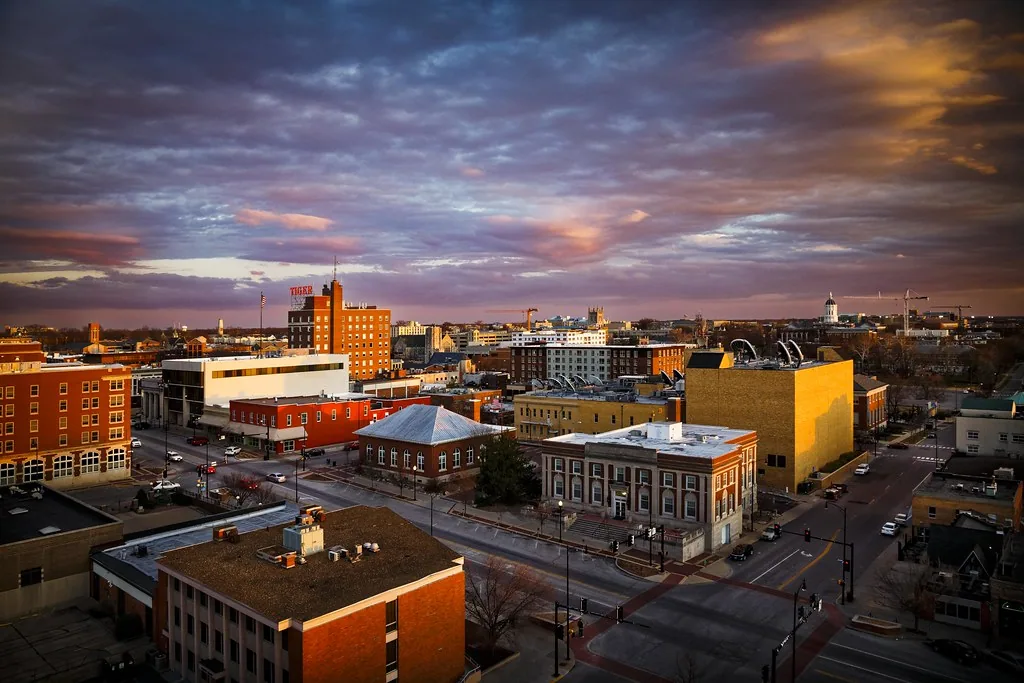
A roof serving a brewery, food business, market, or retail and service property in the Stockyards District needs a scope tied to the actual address and roof details. The district lies north of downtown; the Arcade District is another separately identified north-downtown area. The Stockyards central core is generally bounded by College Avenue on the east, Rogers Street on the south, and the COLT Railroad on the west. Its business mix includes breweries, food businesses, a market, retail, and services. These facts establish the setting but do not tell us a building's roof type, age, or condition. We inspect the accessible membrane or metal, drains, flashings, penetrations, edges, and previous repairs, then record which detail supports the proposed work. Columbia's wet spring weather, freeze-thaw winters, and summer downpours add seasonal inspection questions. They do not prove a roof has failed. The property file and field evidence set the decision boundary.
How should a Stockyards roof be identified?
Use the street address and owner asset name, then match them to the roof plan, access contact, and reported interior condition. The district's boundaries help distinguish the service location from downtown Columbia, but they do not identify an individual building or tenant suite. Several named businesses operate in the area, including Logboat Brewing Company, Pasta La Fata, Root Cellar, and Walt's Bike Shop. Their presence does not establish roof equipment, kitchen exhaust, hours, or membrane type for another property. We confirm those details with the owner and through inspection. A commercial roof inspection can note which surfaces were walked, the locations photographed, and any access limits. If the property has multiple roof levels or additions, use a separate map label for each area. A clear identifier makes later leak reports, estimates, and completed repair images traceable to the same site instead of to a neighborhood name that covers multiple buildings.
Related Roofing Work
More commercial roofing work connected to Stockyards District in Columbia, MO.
Which roof details matter above active businesses?
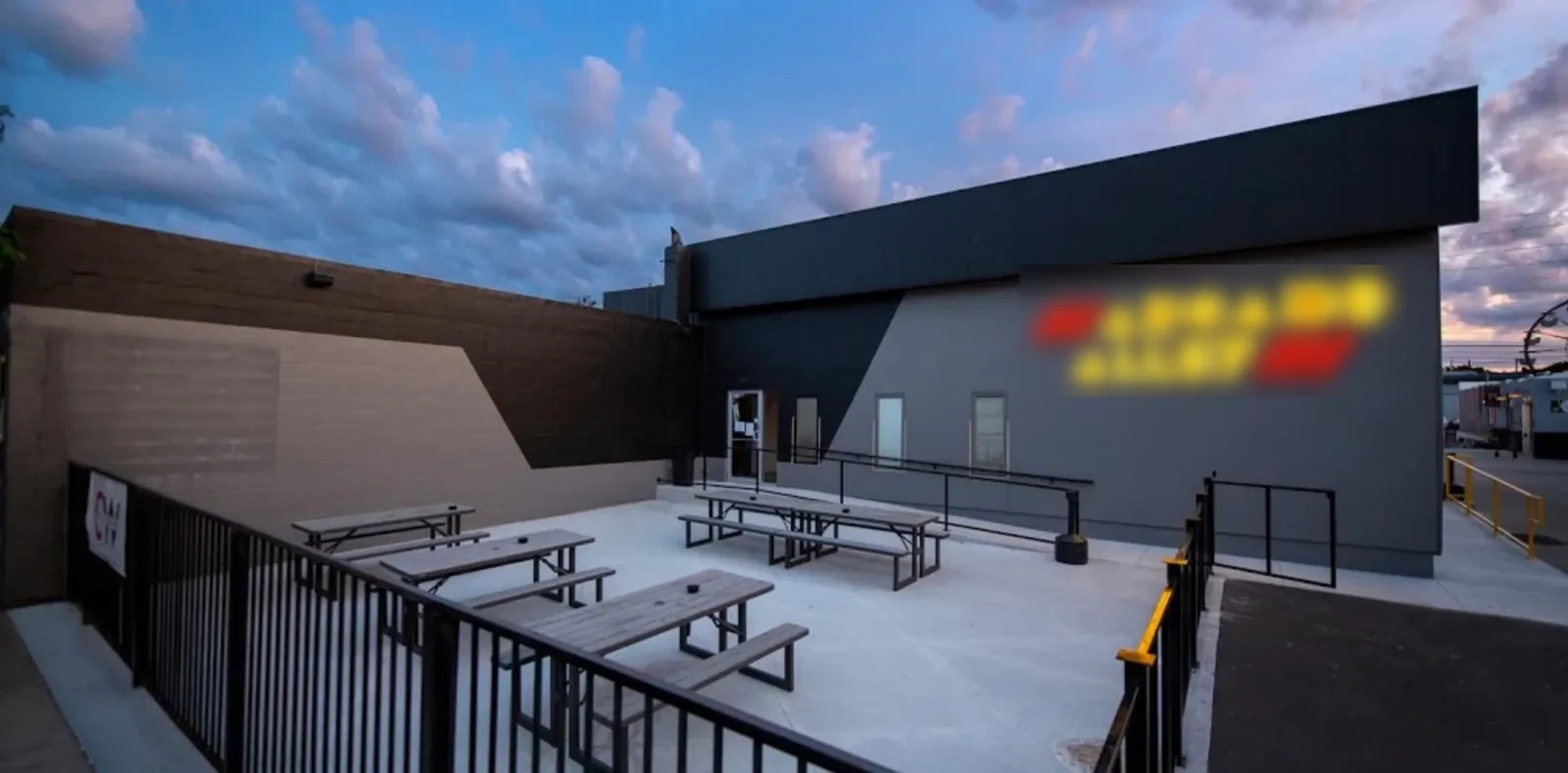
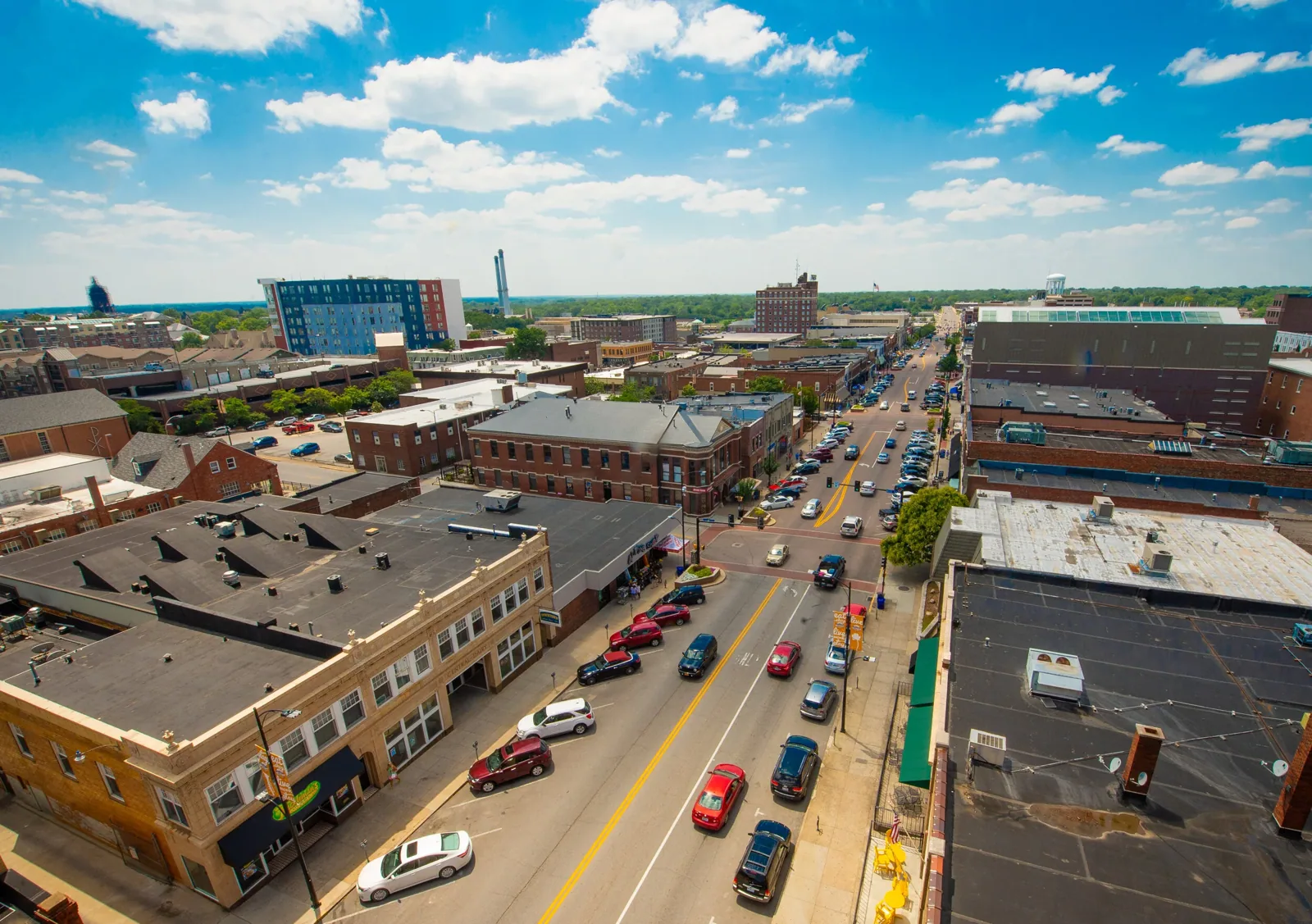
Inspect the field and the places where it meets drains, walls, curbs, exhausts, pipes, skylights, and edge metal. For food or brewing operations, verify the actual rooftop penetrations and any discharge or equipment details with the building contact; the business name alone does not establish an exposure. Look for open seams, loose flashing, punctures, membrane movement, blocked outlets, and evidence that moisture extends beyond a visible opening. A curb and penetration review can record how the roof meets installed equipment, while flashing findings should identify the transition and surrounding material. Columbia's citywide economy includes healthcare, education, technology, research, and manufacturing in addition to commercial activity. This broad context does not define the operating conditions of a particular Stockyards property. We ask the site contact to confirm any restricted area or operating window and record that information separately from the physical roof observation. That prevents a proposal from assuming access or equipment facts that were never established.
What should be checked after a Columbia storm?
After heavy rain or a reported hail or wind event, look for visible impact, displaced edge metal, open laps, damaged flashing, and drainage that does not clear as expected. Photograph each finding with a location reference and note what remains inaccessible. Columbia's spring is its wettest season and carries greater potential for large hail and tornado-producing supercells; localized summer downpours and later-season damaging winds add other reasons for a follow-up. Those patterns are not proof that a Stockyards roof experienced damage. A hail inspection should document observed surface or detail conditions, and a wind review should trace lifted or displaced components at the actual building. If water appears inside, compare its location with seams, drains, penetrations, and previous repairs above it. The moisture path may be indirect. A dated record before and after a repair gives the owner a better basis for deciding whether the condition changed after the weather event.
When does the evidence support a local repair?
A local correction can fit when a defect is confined to a seam, flashing, puncture, or transition and sound material remains around it. The scope should identify preparation, compatible materials, tie-in, and the roof area included. If wet insulation, repeated failures, or broader deterioration is suspected, testing or a wider assembly review may be needed before treating a patch as final. A repair proposal should state what is confirmed and what is excluded. For a recover or replacement, compare existing layers, moisture, deck condition, insulation, drainage, and perimeter work rather than scaling the patch up without investigation. Columbia's commercial plan review applies its 2024 code package, including existing-building and energy provisions; a project design and review process establish which requirements govern a specific alteration. A field inspection does not make that determination. After repair, record the materials, work boundary, completion photos, and next check. The owner can then distinguish a repaired opening from any adjacent condition that remained outside the work.
How should access and close-in be documented?
Confirm staging, roof access, work areas, material delivery, and the contact responsible for a daily close-in decision. A business district name does not establish operating hours or access rules for a particular tenant. If work affects a food or service operation, rely on the building's current instructions and define any protected route or area below. Occupied-building sequencing can organize roof zones and daily handoffs; a photo report can retain the conditions found at each phase. The Stockyards core's street and railroad boundaries are useful to identify the district, not to infer delivery access or crane placement. Those details require a site-specific plan. Keep a property in The District under its own roof record, address, and repair boundary. Before leaving the roof, verify temporary protection, drain status, and any edge or penetration that remains open. At closeout, retain the approved scope and photos of completed transitions. This record supports future inspection and makes clear which roof area was addressed. It also gives the next person a date and location to compare rather than a general note that a leak was fixed.
The Stockyards’ mixed-use core sits north of downtown and includes breweries, food businesses, a market, retail, and service businesses. Those different uses make it helpful to confirm the property contact and roof access requirements for each building rather than assume a common operating window. The district boundaries orient the request but do not identify a roof system or defect. Record the building name, access point, affected interior area, and the roof zone inspected, then keep business scheduling details separate from the condition findings.
For a post-storm report, compare the date and reported impact with visible evidence at edges, flashing, seams, drains, and rooftop equipment supports. Photograph displaced or marked material in context and note whether the condition was tested or only observed. A storm date can guide the follow-up but does not establish cause by itself. If work is needed above an active business, define staging and temporary protection before opening the roof. The repair record should state what was completed and what remains unverified, so each operator and future inspector has a clear account of the specific property involved.
Commercial Roofing Questions
Does the Stockyards business mix identify roof systems there?
No. The district listing describes uses and named businesses, not roof assemblies. We confirm the property address, available records, and field details before naming a system or repair material.
Can a brewery or food-business roof need special review?
The actual penetrations, exhaust, equipment, and material exposure should be confirmed at the building. We inspect those details and use the property contact's information instead of inferring conditions from the business name.
What helps when a leak returns after a patch?
The prior repair location, material, date, photos, and interior report can show whether the same detail reopened or water followed a new path. We compare those records with current roof conditions before extending the work.
Can an inspection confirm damage from a storm?
It can document visible conditions and distinguish them from unconfirmed concerns. We record the date and location, compare earlier images when available, and identify any testing needed before assigning a cause.