
Industries We Serve in Columbia, MO
Industry informs the questions asked before a roof project, while the building itself determines the answer. A health system may need facility-specific access controls; a manufacturer may need defined work windows; a retailer may need tenant and customer coordination. Columbia’s economy spans education, healthcare, research, and industrial production. Local materials name the University of Missouri and MU Health Care alongside firms including 3M and Watlow, illustrating the range of facilities that may need distinct roof plans. Those names do not imply prior work or shared roof conditions. We inspect each authorized asset, record what is visible, and identify the next check that could change the scope.
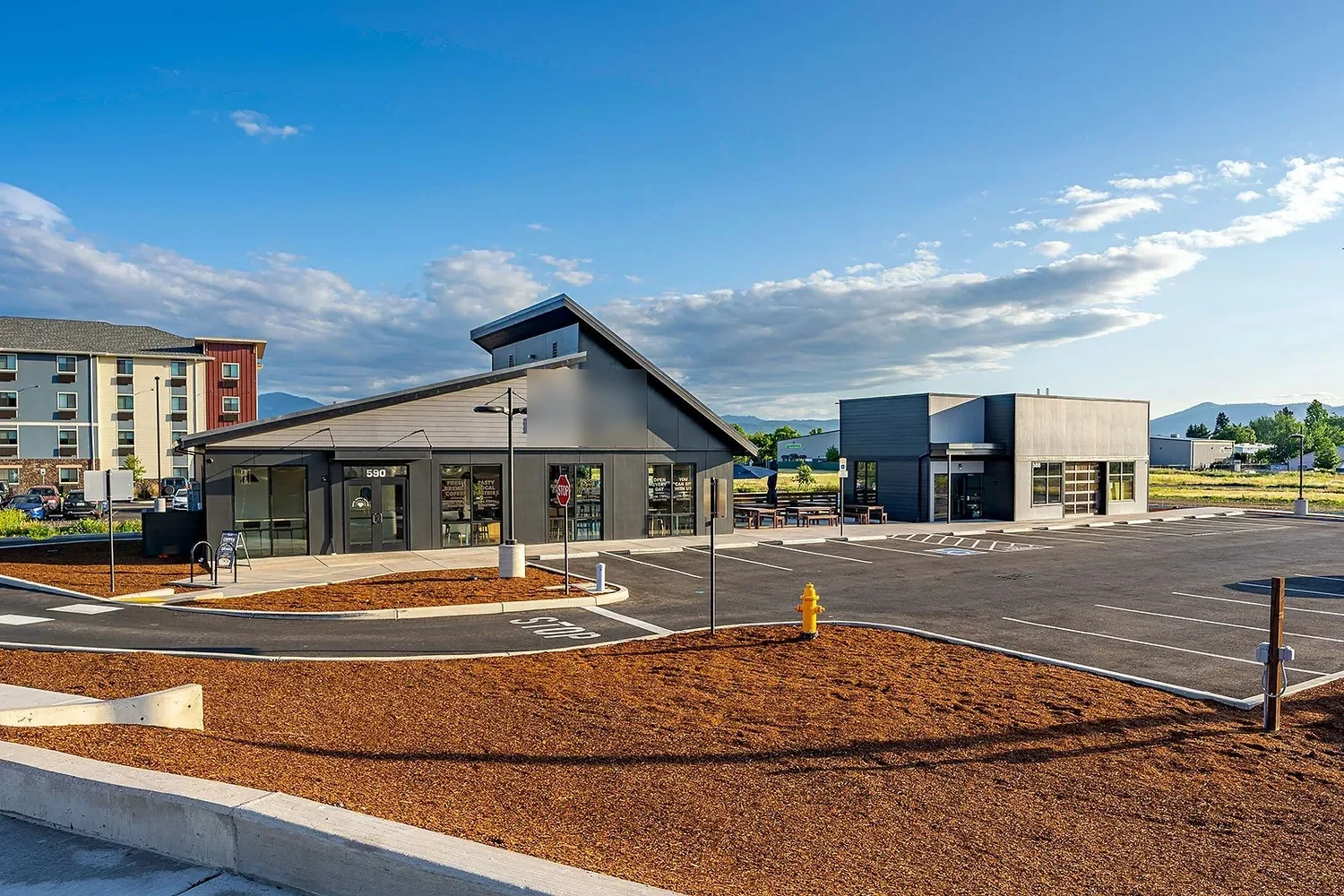
Property Management Companies
Columbia property managers can compare roof findings across buildings with dated photos, repair boundaries, access notes, and clear follow-up priorities.
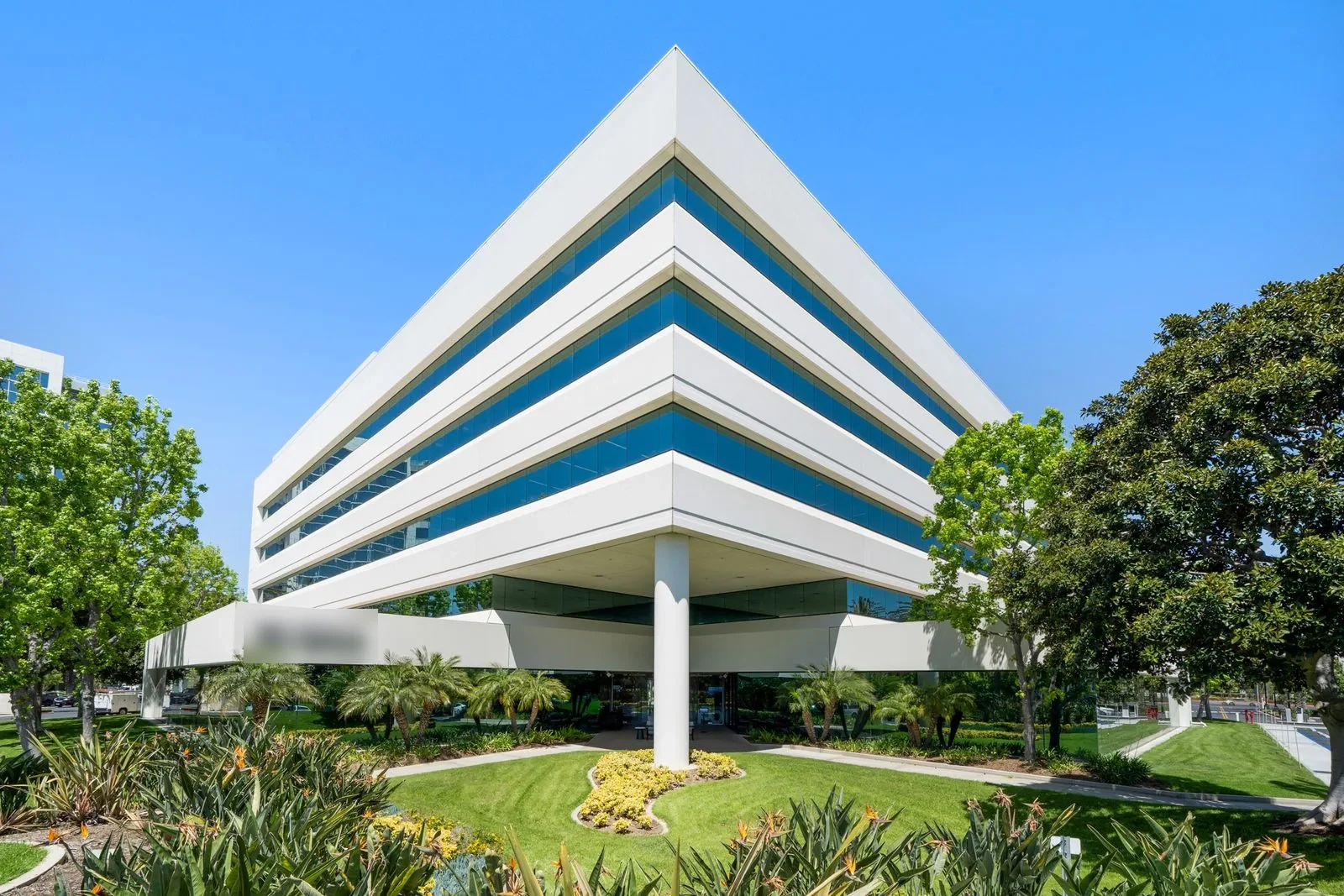
Real Estate Investors and REITs
Columbia investors can assess roof exposure, repair limits, and replacement timing with building-level reports that support portfolio decisions.
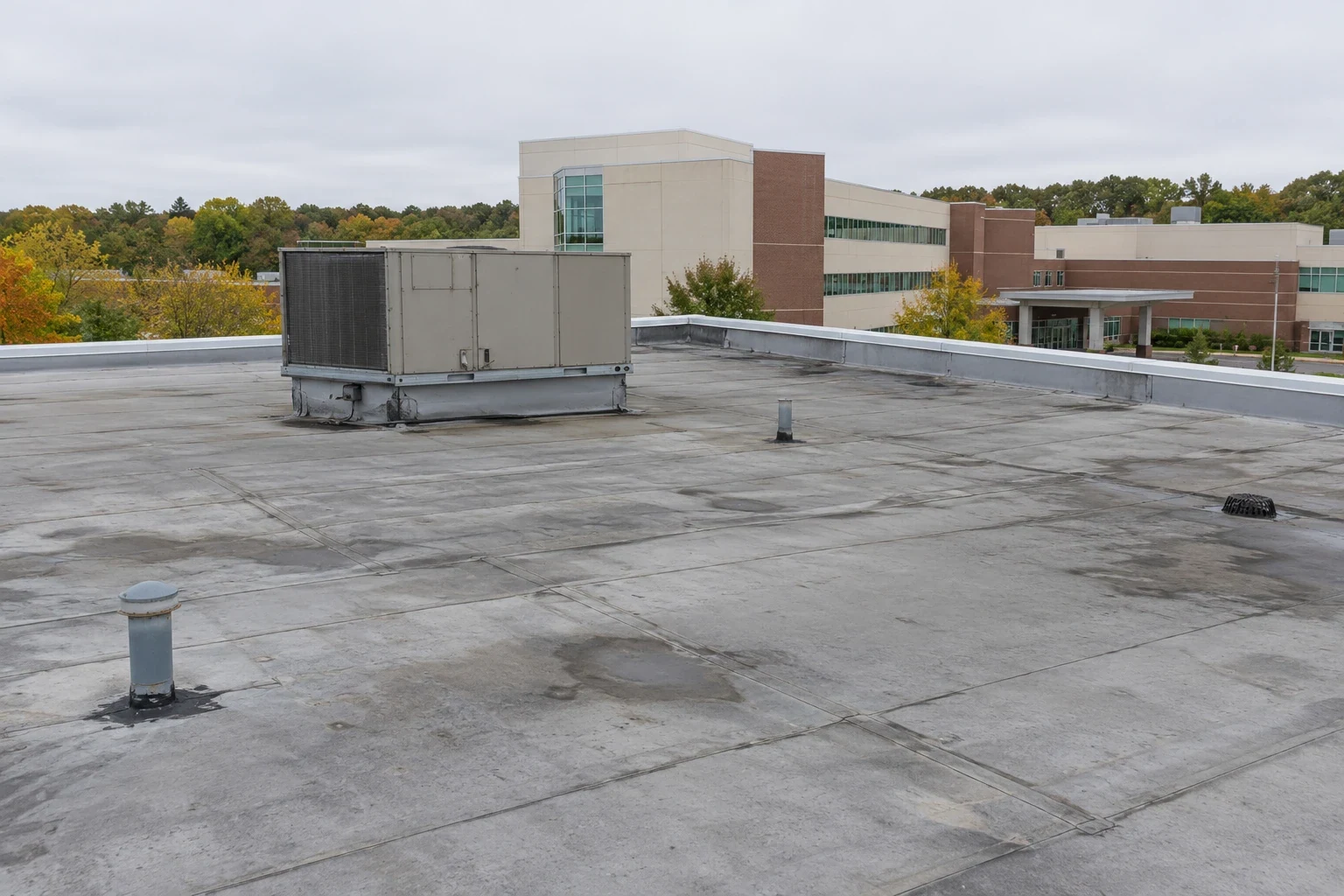
Healthcare Systems
Columbia health systems can document roof conditions, protect patient operations, and plan repairs with clear access, phasing, and follow-up records.
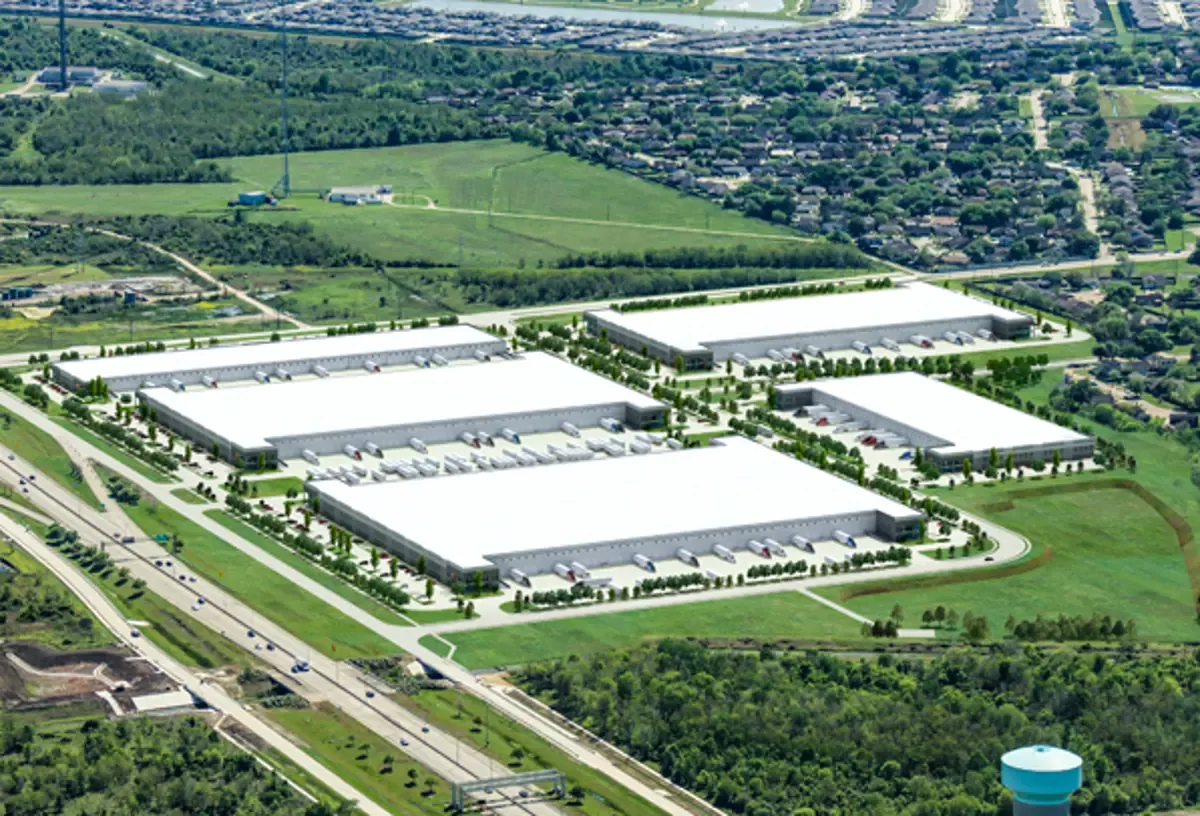
Manufacturers
Columbia manufacturers can document roof leaks, production constraints, and repair limits before choosing maintenance, restoration, or replacement work.

Logistics and 3PL Operators
Columbia logistics facilities can coordinate roof access, leak response, and replacement phasing with dated records tied to each dock and building.
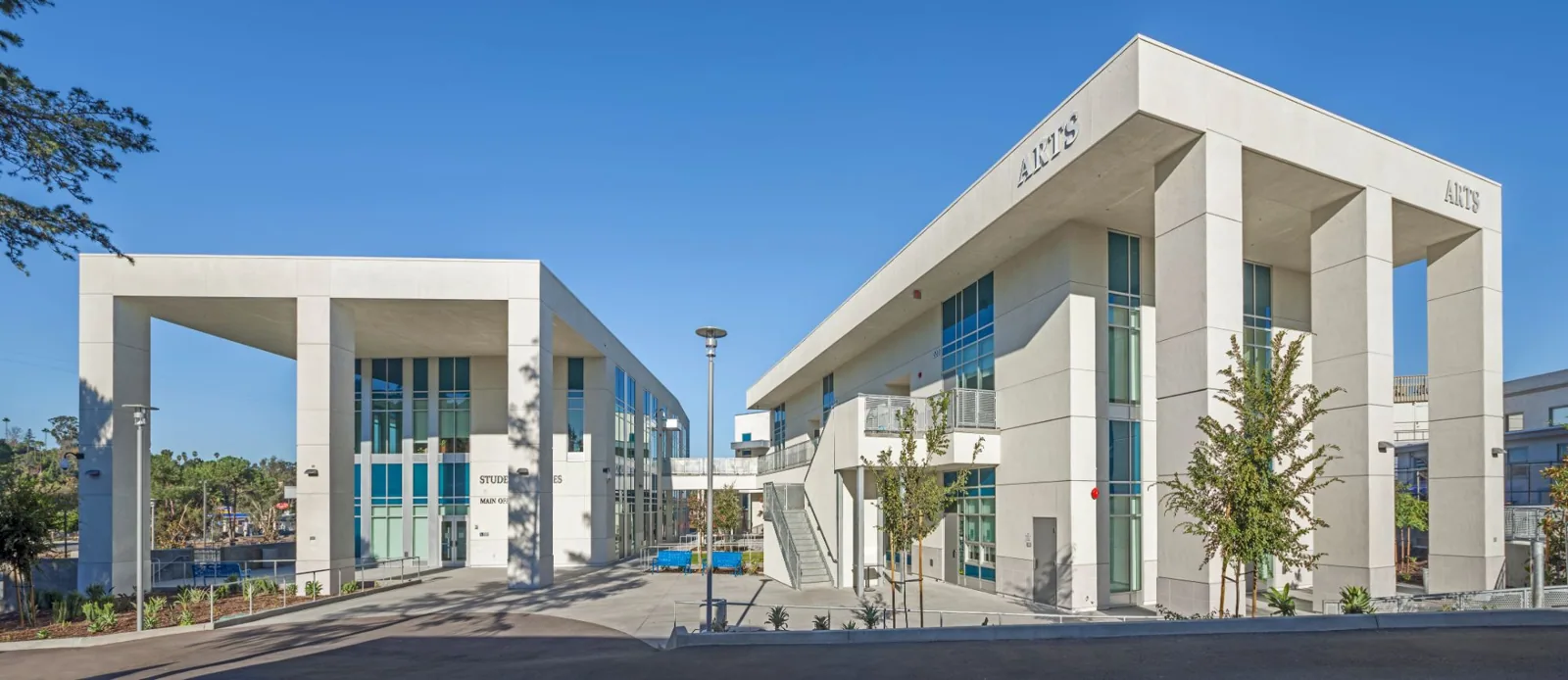
School Districts
Columbia school facilities teams can track leaks, occupied zones, roof repairs, and replacement planning with dated observations and closeout records.
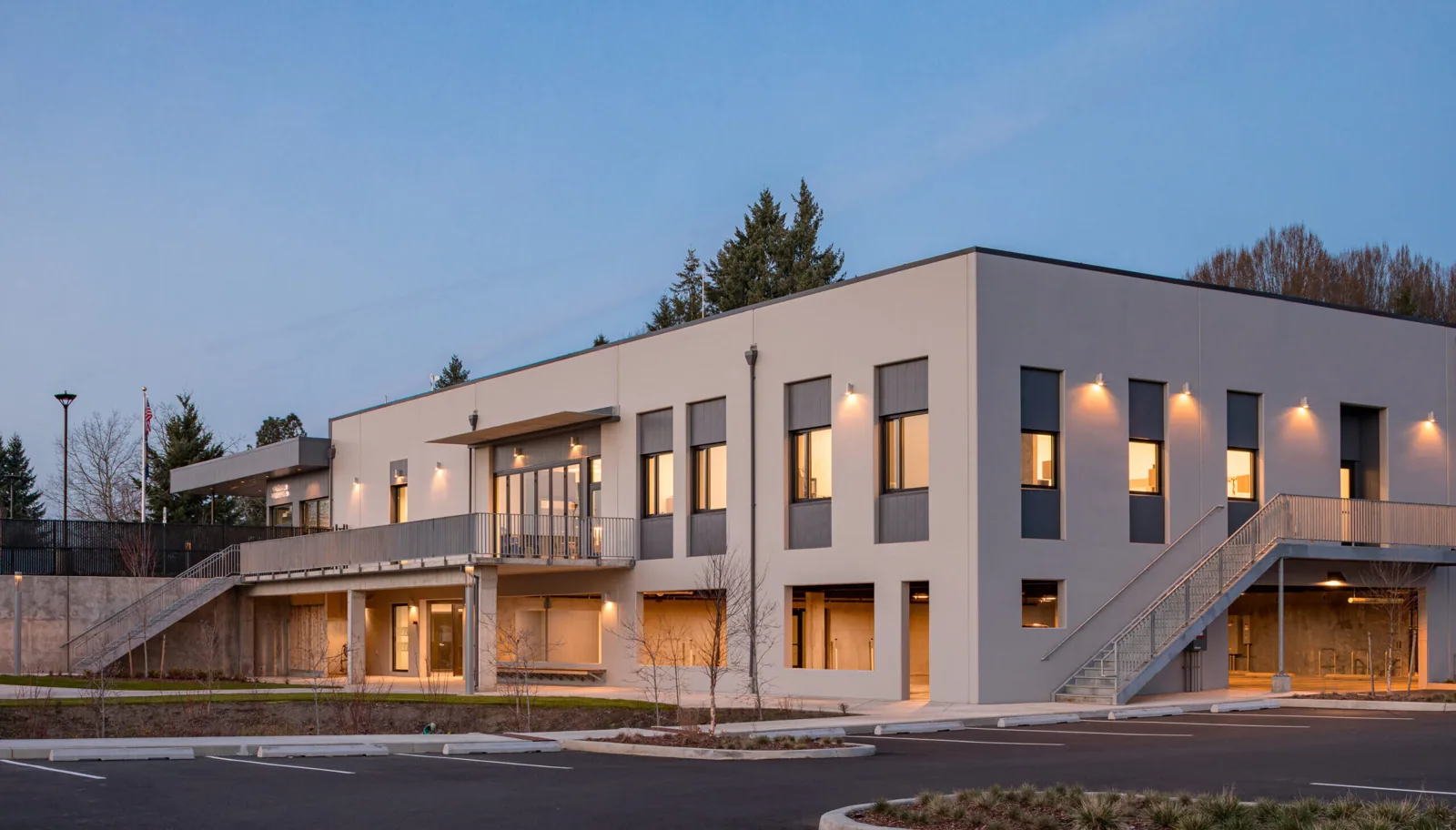
Public Agencies
Columbia agencies can document facility conditions, access limits, repair scope, and closeout evidence for clear public-building roof decisions.
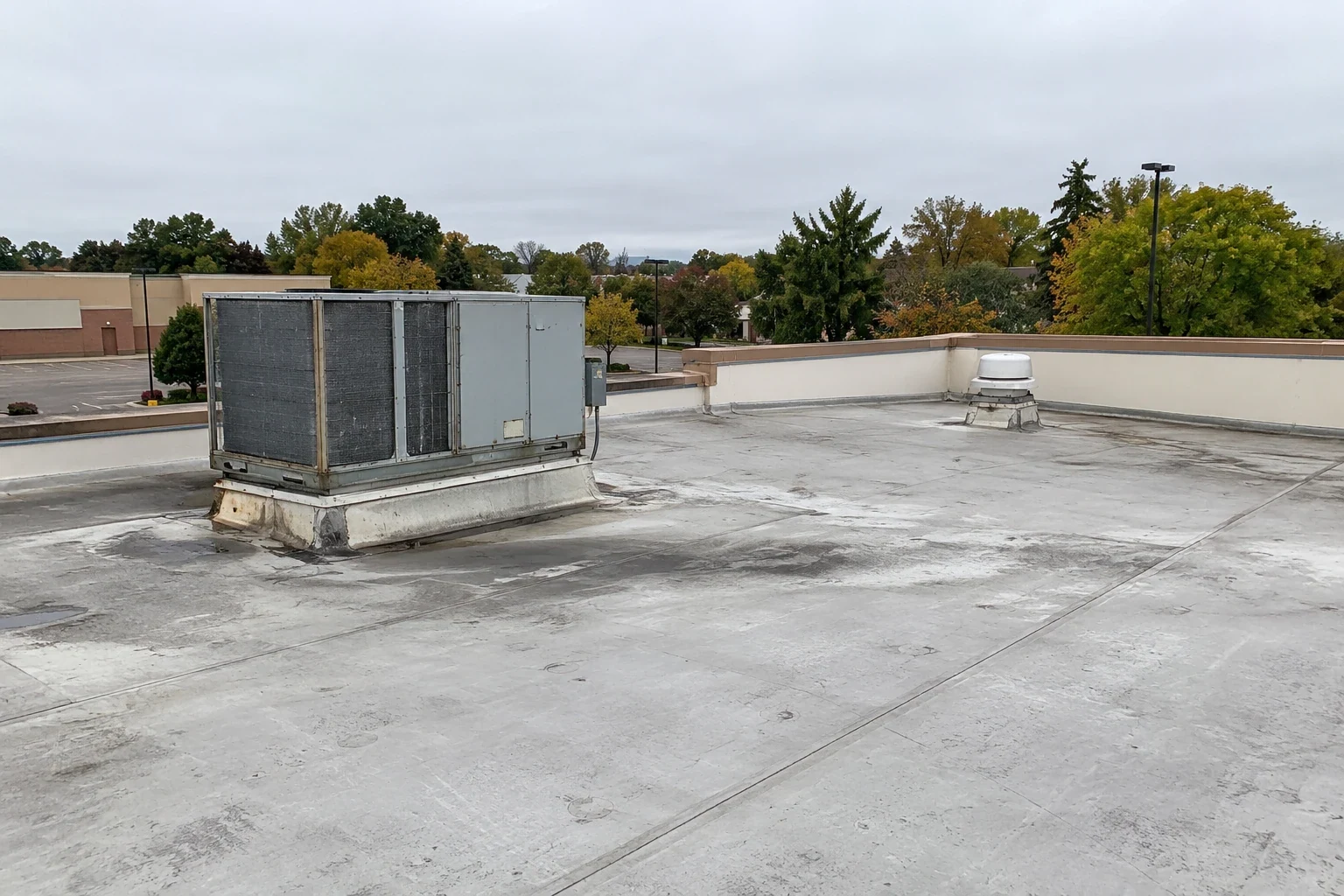
Retail and Restaurant Chains
Columbia retail and restaurant operators can plan roof repairs around customer access, kitchen schedules, inventory protection, and dated findings.
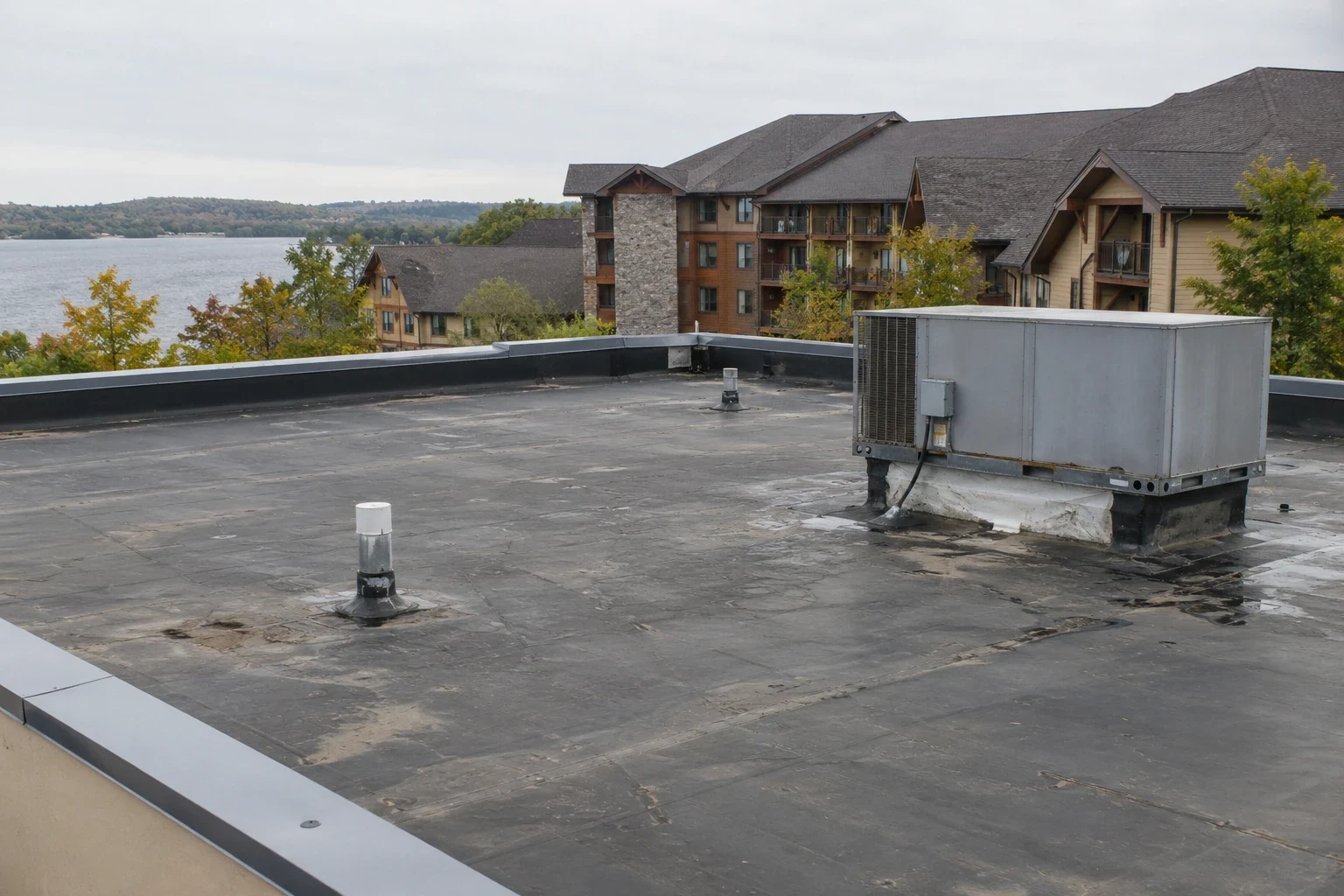
Hospitality Groups
Columbia hotel and hospitality owners can plan roof inspections, repairs, guest protection, and phased replacement with site-specific records.

General Contractors
Columbia general contractors can coordinate roof scopes, submittals, tie-ins, and closeout records with a roofing team focused on field conditions.
Insurance and Restoration Work
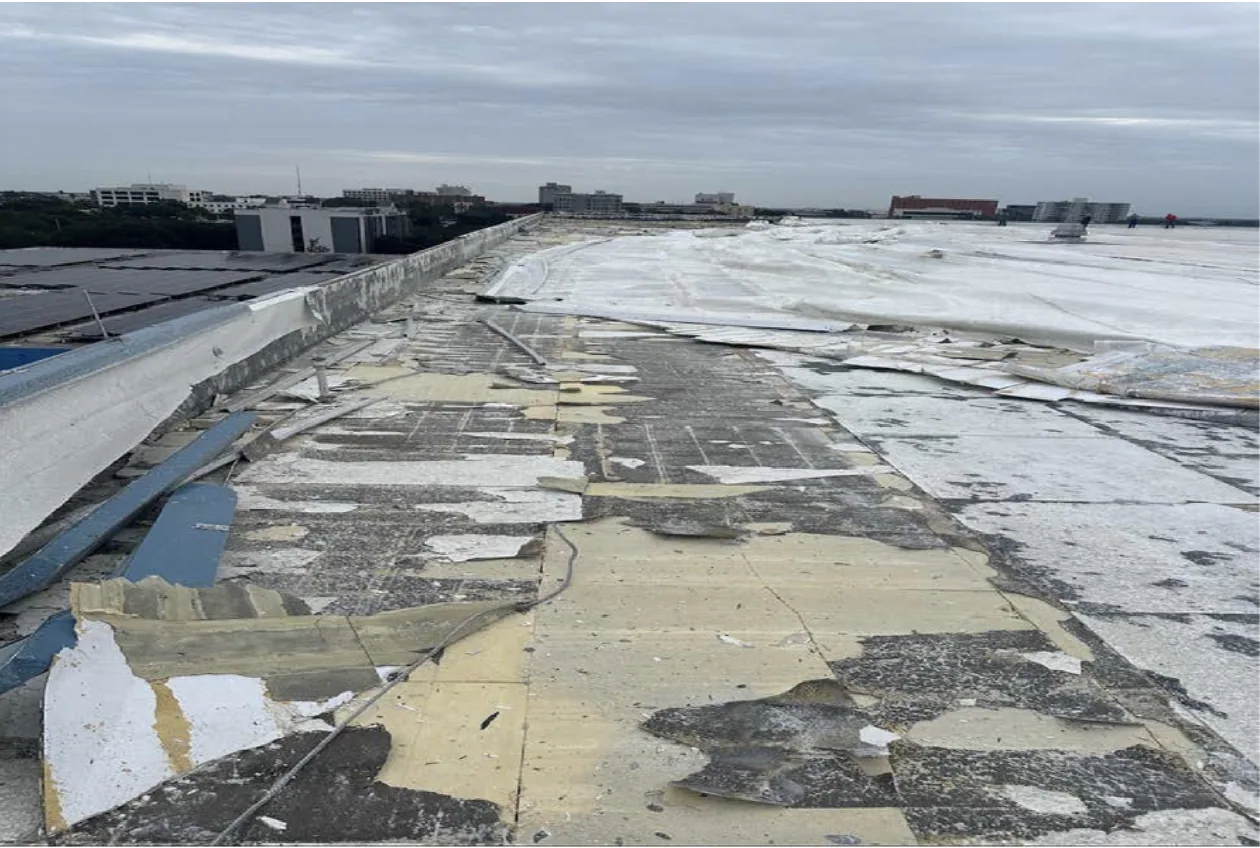
Columbia claim and restoration teams can preserve roof evidence, temporary protection, repair limits, and dated photos for building-specific review.
Build a facility-level roof record
Start with the address, building identifier, access contact, reported condition, and roof area. Photograph drainage, seams, transitions, penetrations, perimeter details, and prior repairs, then separate direct observations from owner-reported symptoms. Property managers and real-estate owners can use a consistent report structure across assets while keeping each property’s findings distinct. Healthcare facilities, manufacturers, and logistics operations often need different coordination plans; the site contact defines current requirements. A dated condition report gives the owner a comparison point for future inspections and proposals.
Match the work to the operation
A localized repair may be enough when the defect is visible and the surrounding assembly can support a durable tie-in. Broader wear may justify testing or a comparison with coating, recover, or replacement. The decision turns on the roof’s condition, drainage, attachment, insulation, penetrations, and edge details, not the industry name. School districts, public agencies, and retail and restaurant groups can plan around occupancy and access, while hospitality operators may need a sequence that keeps selected areas open. Columbia’s University of Missouri campus, Boone Health campus, and business areas such as Broadway Business Park each require their own facility contact and roof history.
Keep the proposal grounded in evidence
A clear scope names the roof zone, preparation, materials, tie-in, exclusions, access needs, and follow-up. If the moisture path is uncertain, identify the test that could change the repair boundary. If replacement is planned, define daily work areas and temporary protection. General contractors and restoration teams can use documented observations to align the roofing portion with the broader project. We distinguish emergency stabilization from permanent correction and record when an area remains untested. Columbia’s spring storms and freeze-thaw winters inform scheduling, but a weather event does not establish damage on an individual asset. The owner receives findings tied to the building inspected, with a next step that reflects what the evidence supports. A site-wide budget view can summarize expected work across assets, but costs and urgency remain attached to each inspected roof. Keep the evidence, priorities, and approved scope together.
How do operating limits shape roof work?
Access rules and work windows vary by facility, even within the same industry. We confirm the contact, active areas, delivery routes, protected entrances, and any equipment restrictions before staging. The sequence should identify the roof zone open during each shift and the tie-in that will be secured before work pauses. A site-specific plan helps the facility continue essential operations while keeping the roof scope measurable.
Commercial Roofing Questions
Does an industry category determine how a roof should be repaired?
No. It helps identify coordination questions, but the installed assembly and field condition determine the technical scope.
Can a roofing plan be reused across similar facilities?
A process can be consistent, but each facility needs its own inspection, access notes, roof assembly, and repair boundary. Similar use does not establish identical conditions.
What information should a facilities contact provide?
Share the building identifier, reported area, access contact, operating restrictions, and available roof records. We confirm what can be inspected before setting the work plan.
How do you plan around production or public hours?
The site contact defines operating constraints. We schedule roof zones, staging, and daily close-in around those requirements and note any remaining access limitation.