Carlisle SynTec Commercial Roofing in Columbia, MO
A Carlisle SynTec label may point to TPO, PVC, EPDM, or a fleece-backed membrane, each with different seam and repair details. We first match the paperwork to the roof area, then inspect the membrane, edges, penetrations, and prior patches to confirm what is present. A product name is not a condition assessment. Columbia roofs cycle through winter freezing and thawing, wet spring weather, and summer heat, so a field review should record the detail that actually changed. The District contains a varied mix of downtown properties, and the city identifies the I-70 Business Loop as a corridor with commercial and industrial activity. Those place facts help situate local service, but they do not identify a Carlisle system on any one building. We use the installed roof, available closeout documents, and dated photographs to define a compatible repair boundary or compare a larger scope.
Which Carlisle membrane does the record identify?
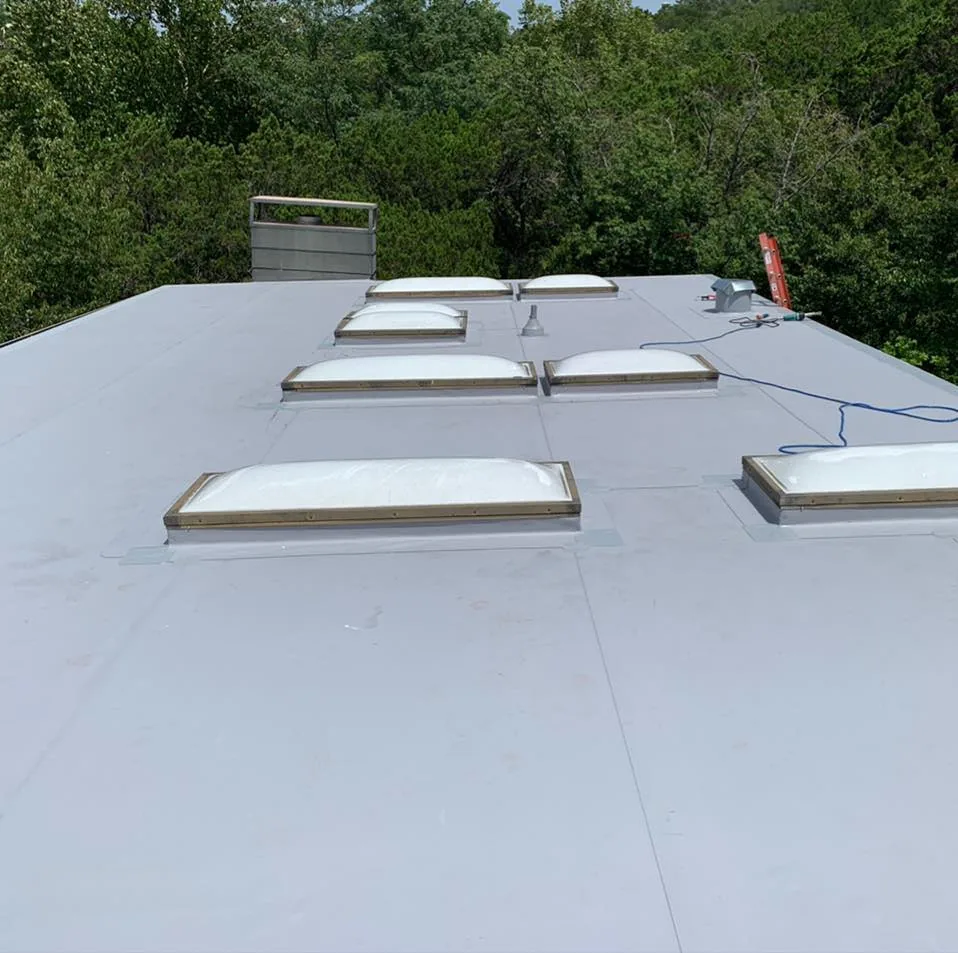
Carlisle's single-ply portfolio includes EPDM, TPO, PVC, and FleeceBACK options. Product names such as Sure-Seal, Sure-Weld, and Sure-Flex can help match an invoice or submittal to the roof, but the record should also identify the assembly, attachment method, and roof area. EPDM uses different seam materials than heat-weldable TPO or PVC; a repair must follow the confirmed material and preparation requirements. Fleece-backed membrane introduces another interface that should be checked against the substrate and adhesive or attachment specified. An EPDM assembly and a TPO assembly should not share a repair assumption simply because they came from the same manufacturer. We inspect labels, membrane markings, retained product, and prior records where available. If those clues conflict, state what remains uncertain and identify a test or document needed before selecting material. Carlisle also sells insulation and accessories, so an old invoice may describe only one component rather than the full roof build-up. The approved system detail and field condition remain necessary for scope.
Related Roofing Work
More commercial roofing work connected to Carlisle SynTec Commercial Roofing in Columbia, MO.
What should the inspection trace?
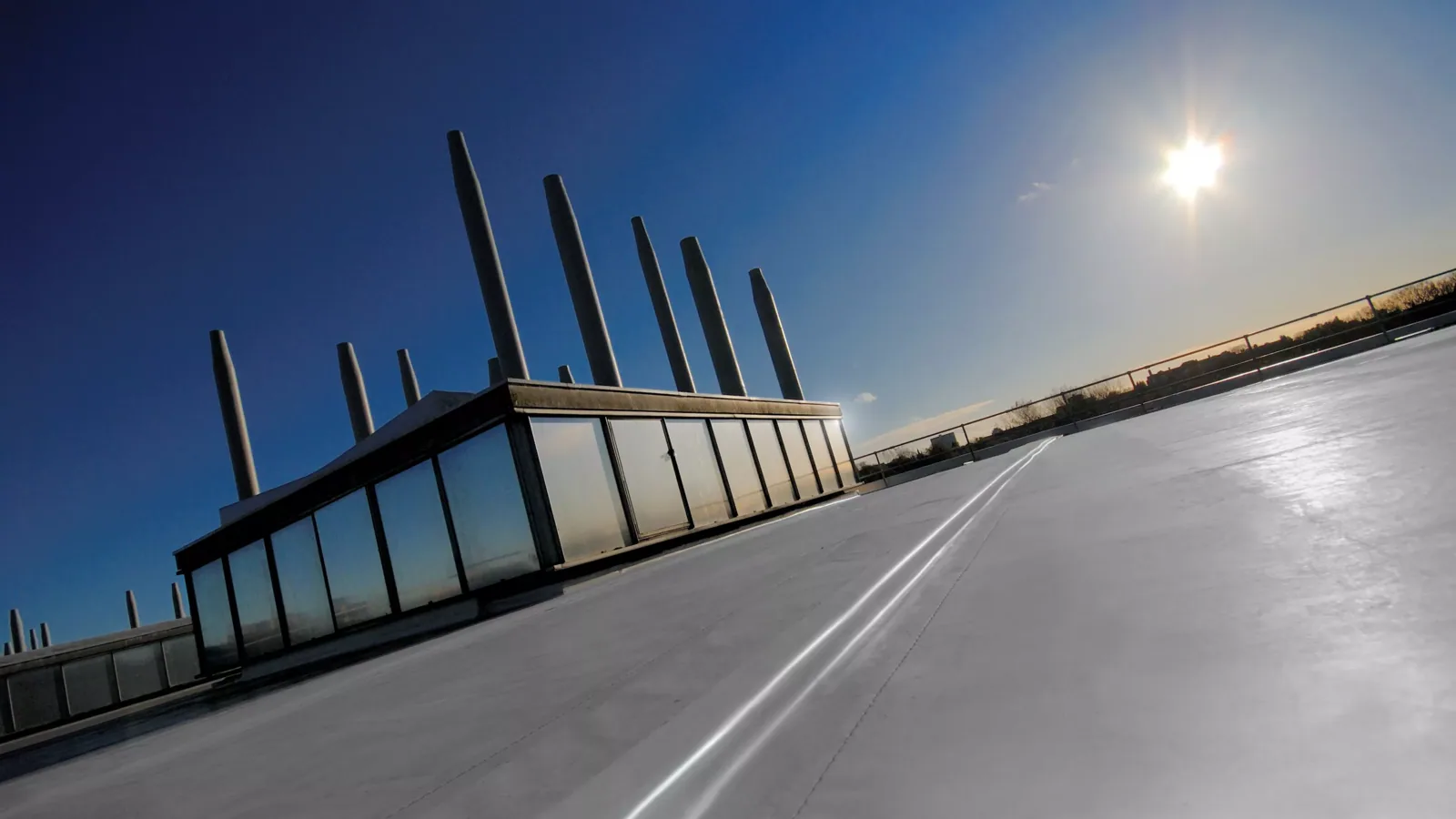
On a heat-welded system, check seam edges, patches, corners, and flashing transitions for openings or weak bonds. On EPDM, look at tape or adhesive seams, lap edges, field splices, and areas where the membrane has moved or pulled from a termination. For any system, inspect around drains, curbs, pipes, wall bases, and metal edges because a field sheet can remain intact while water enters at a detail. We map each observation to a roof zone and photograph a wide view plus a close detail. A commercial roof inspection can create that record; flashing observations should separate visible failure from a suspected moisture path. Columbia spring storms may bring large hail or tornadoes, while summer downpours can be localized. After a reported event, compare the current image with prior condition notes instead of attributing every mark to storm damage. The Business Loop links several kinds of commercial and institutional activity, but the site-specific roof plan determines which seam or edge was inspected. Record inaccessible areas clearly so the report does not overstate its coverage.
How is a compatible Carlisle repair defined?
Identify the membrane, clean and prepare the repair area as its system requires, then confirm that the surrounding material can accept a tie-in. The work description should name the affected roof zone, the defect, preparation, patch or flashing material, and how the repair terminates. A patch over loose material or trapped moisture can conceal rather than resolve the condition. If the inspection finds multiple openings, wet insulation, or repeated edge movement, widen the review before pricing a small surface repair. A repair scope can state what is confirmed and what would trigger added work. For a larger project, a recover evaluation checks existing layers and substrate, while replacement planning compares removal and a new assembly. Columbia uses a 2024 commercial code set with existing-building and energy provisions, but the project plans and review determine requirements for a specific alteration. Keep any permit or design decision in its own project record. A Carlisle product by itself does not establish that an overlay is acceptable or that an existing warranty remains applicable.
What details govern a new Carlisle assembly?
The deck, insulation, attachment, membrane type, perimeter design, and drain details have to work together. Confirm the substrate and fastening pattern before covering the roof, verify sheet layout against transitions, and inspect each completed tie-in as work advances. If the design uses adhered membrane, substrate condition and adhesive application matter; mechanically attached assemblies depend on the approved fastener layout and deck. Fleece-backed products require the specified adhesive or attachment method. Insulation coordination should identify thicknesses and cover-board transitions, while outlet review makes the drainage connection visible in the scope. Where mechanical equipment or a curb changes, coordinate the roof opening and flashing responsibilities before membrane installation. A building in The District can have a different access and staging conversation from an industrial address, but those arrangements must come from the property contact, not the location label. The final record should show assembly layers, roof areas completed, photos of details before concealment, and any approved field change. This evidence supports future repair without implying that every part of the building received the same work.
How should the Carlisle roof history be kept?
File system documents beside inspection findings, maintenance work, repair photos, and written warranty terms. Label each item by building and roof area. When a repair is completed, record materials and preparation, then return to the same location during the next inspection. That sequence can show whether a seam remains sound or another condition developed nearby. A condition report can attach current images and follow-up recommendations, and an asset register can keep the entries searchable across properties. At the University of Missouri, Facilities oversees maintenance, utilities, project planning, construction, and space management across campus. A broad management role does not identify any specific roof assembly; the individual building record still needs a verified system and location. For an owner considering another single-ply product, GAF commercial systems and Versico membranes can be compared against the current assembly, specification, and intended use. We can review available Carlisle information, inspect accessible conditions, and document the repair boundary and next check. If the product cannot be matched to the roof, keep the identification open until evidence resolves it instead of selecting a patch by brand familiarity.
Columbia averages 34 summer days with highs of at least 90°F and two days at 100°F or higher under the 1991-2020 normals. During warm-weather work, the field record should capture the roof zone, substrate preparation, seam or flashing detail, and the conditions required by the selected Carlisle material. Product instructions control application limits; a city temperature normal does not set the conditions on a specific roof. Photograph the surface before and after preparation, and record any area excluded because of moisture, contamination, or a detail that needs another trade. If the repair crosses from field membrane to curb or perimeter, show both transitions in the closeout. This gives the next maintenance visit a useful comparison without treating one warm-day reading as a product test.
Commercial Roofing Questions
Can a Carlisle membrane be identified from a roof photograph?
A photograph may show a label, seam style, or surface characteristic, but it rarely proves the full assembly. We use closeout records, material markings, and field inspection to confirm the product before selecting a repair.
Are Sure-Seal EPDM and Sure-Weld TPO repaired the same way?
No. EPDM seams and thermoplastic welds use different joining and patching methods. We identify the membrane and its repair requirements before preparing or applying material.
Can fleece-backed Carlisle membrane go over an existing roof?
That depends on the existing substrate, moisture, attachment, and approved system design. We inspect the roof layers and conditions before comparing a recover with removal.
What documents help with a Carlisle warranty review?
Keep the executed warranty, system description, accepted submittals, installation and repair records, and dated maintenance notes. The written terms determine notice and coverage requirements for a reported condition.