
Roof Systems in Columbia, MO
A roof-system decision begins with the assembly already on the building. Membrane, metal, built-up, modified-bitumen, foam, and coating options behave differently at seams, penetrations, edges, and drainage transitions. We confirm the existing layers and condition before recommending a repair or renewal. Columbia’s spring storms may bring hail or tornado conditions; freeze-thaw winters, hot summers, and localized downpours create separate exposures. None proves that a roof needs replacement. The inspection record should connect the observed condition to the option considered, including what remains concealed. Owners can review TPO, PVC, EPDM, and KEE membrane systems alongside the roof history and project requirements.
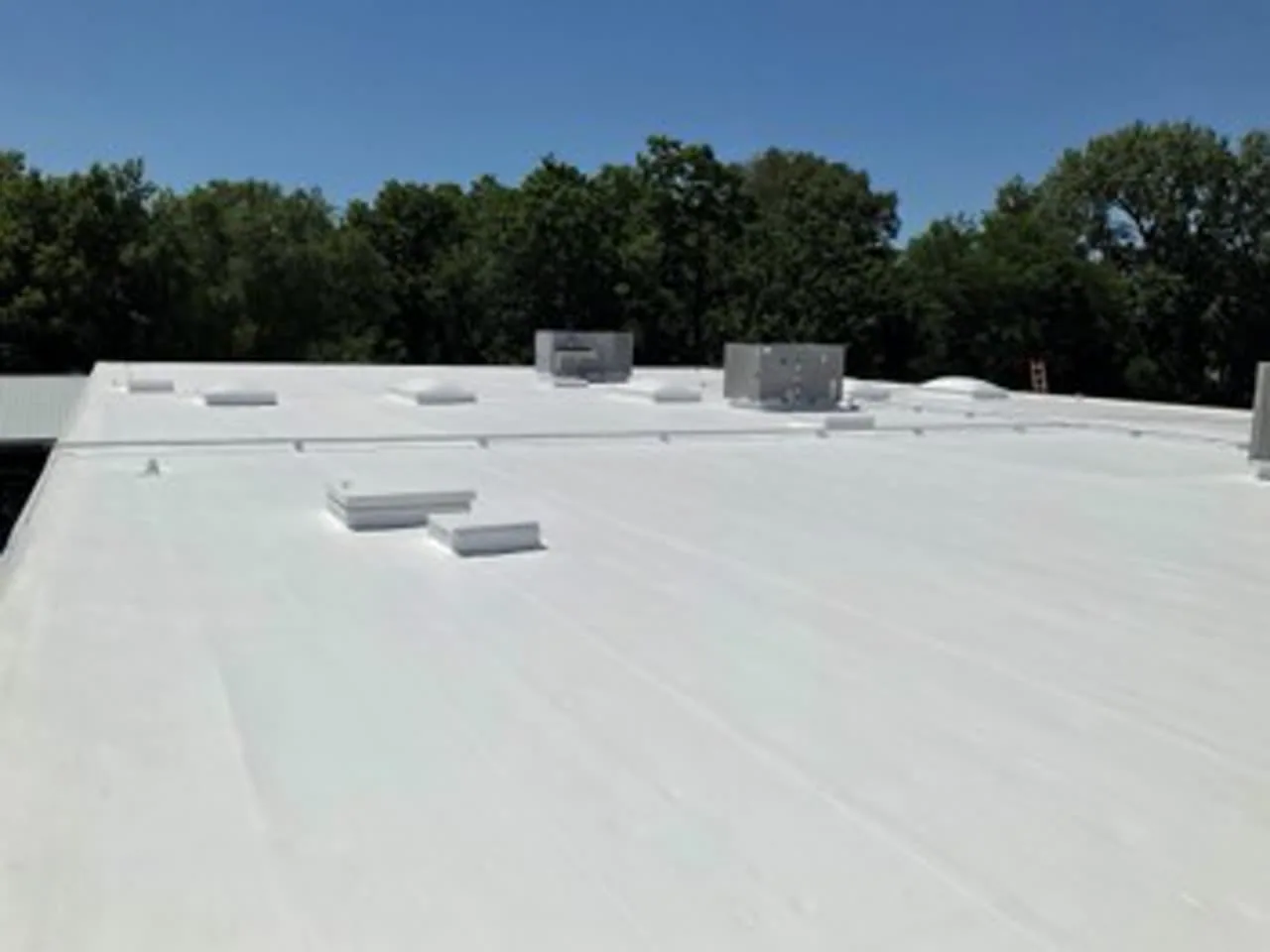
TPO Roofing
TPO roofing in Columbia, MO needs sound seams, secure edges, compatible flashing, and a documented repair boundary across the membrane system.
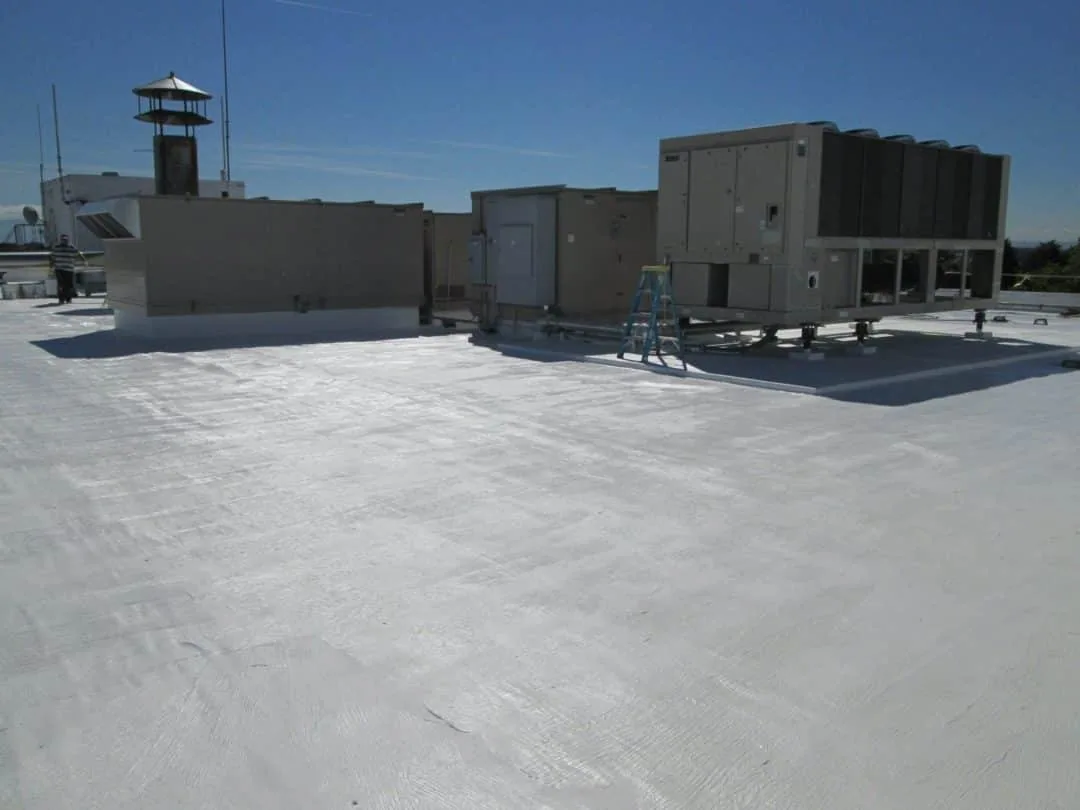
PVC Roofing
PVC roofing in Columbia, MO is evaluated at welded seams, exhaust areas, drains, and flashing so repairs match the membrane and roof condition.
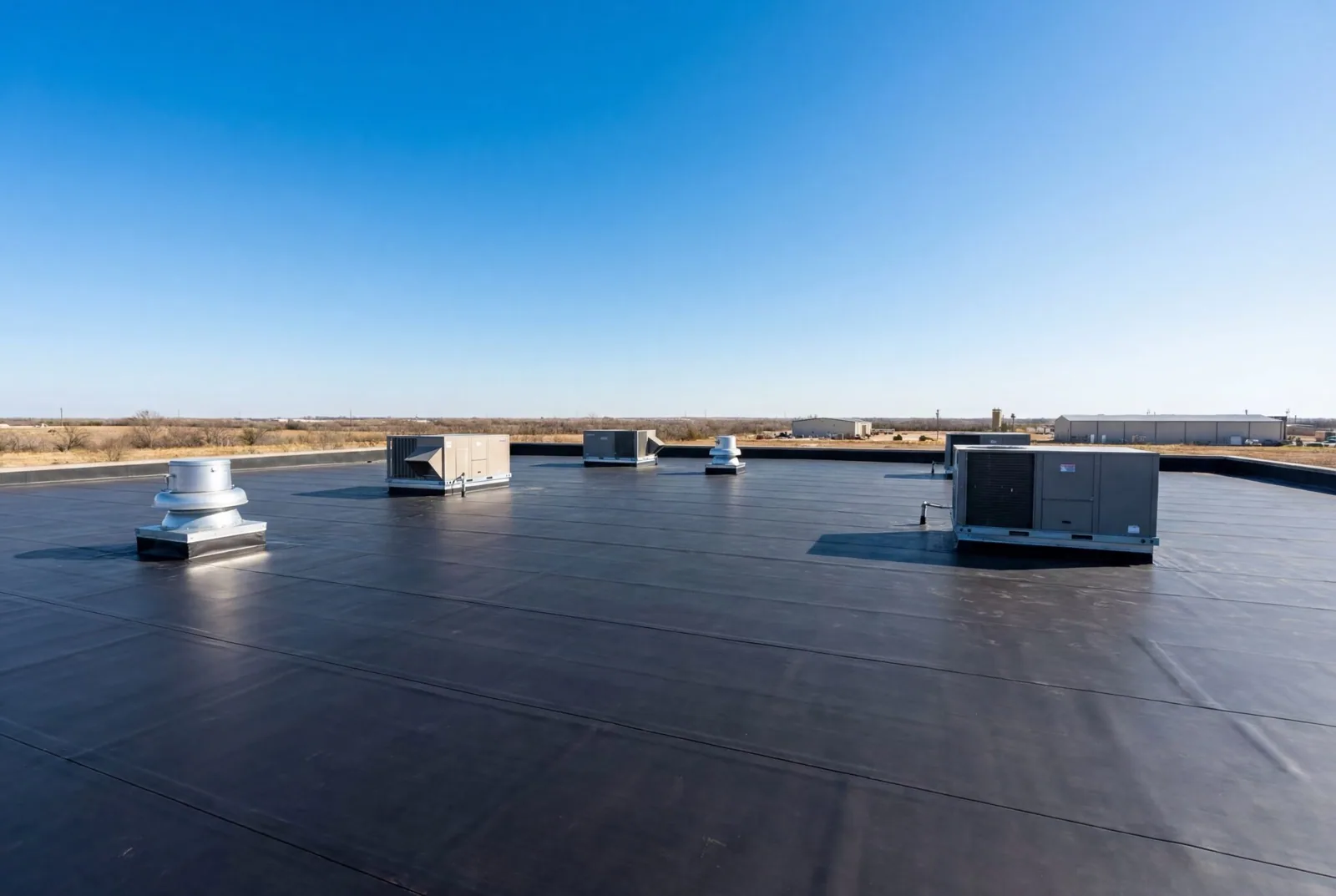
EPDM Roofing
EPDM roofing in Columbia, MO is checked for seam separation, shrinkage, punctures, and flashing failures before a repair boundary is selected.
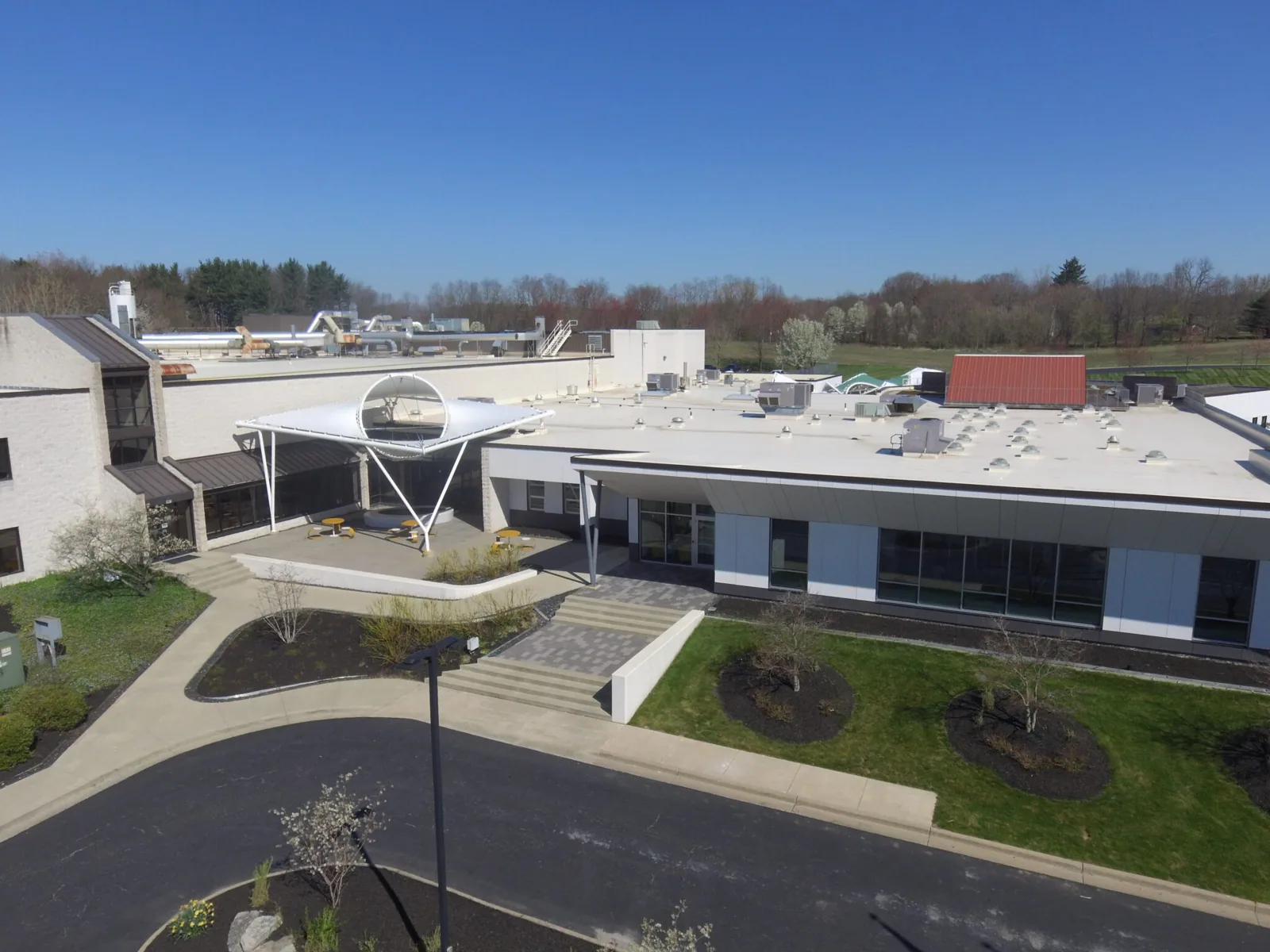
KEE Roofing
KEE roofing in Columbia, MO requires membrane identification, compatible welded repairs, and documented review of chemical exposure and roof movement.
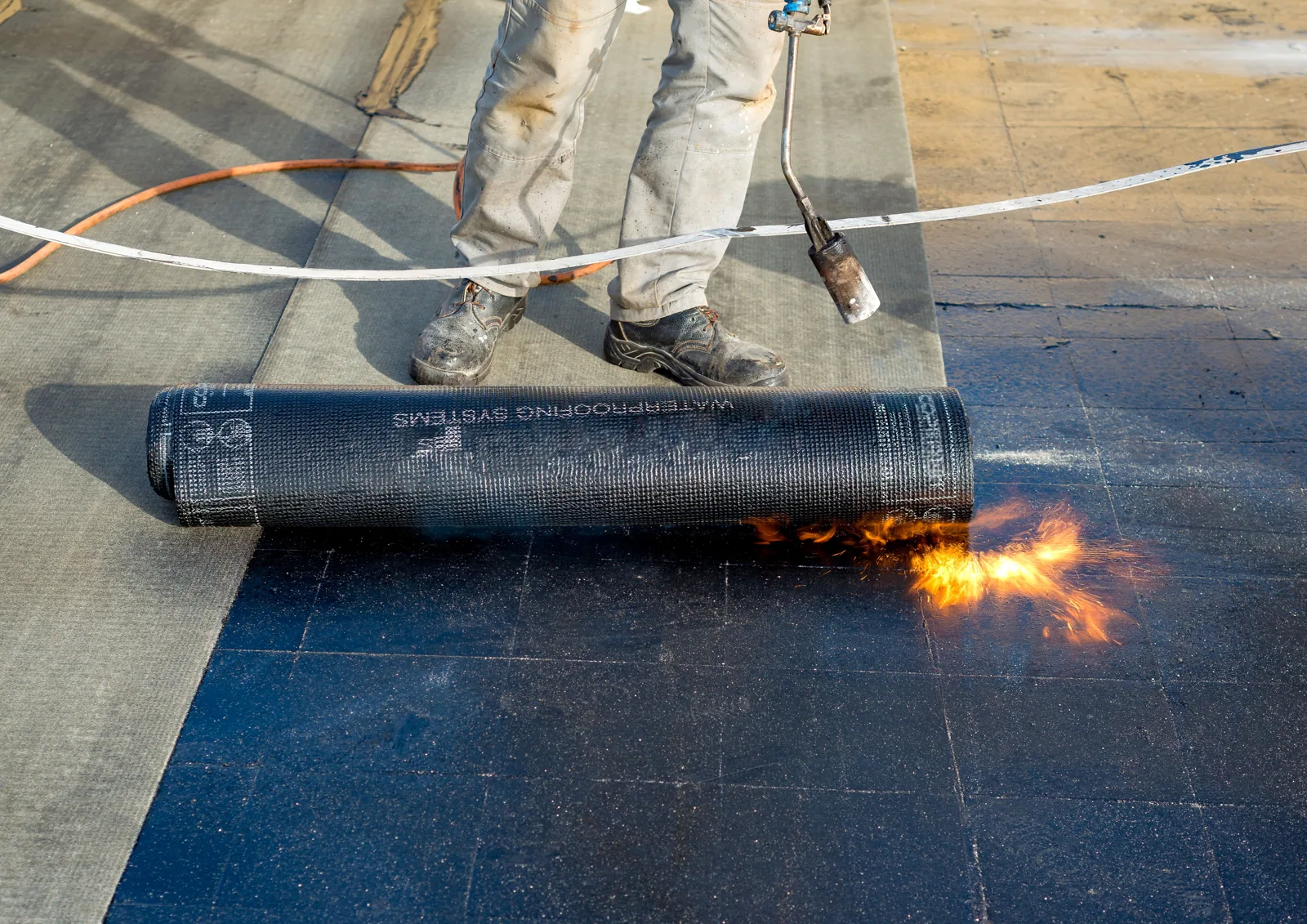
Modified Bitumen Roofing
Modified bitumen roofing in Columbia, MO is assessed at laps, cap sheets, flashings, and drains before selecting a compatible repair or replacement.
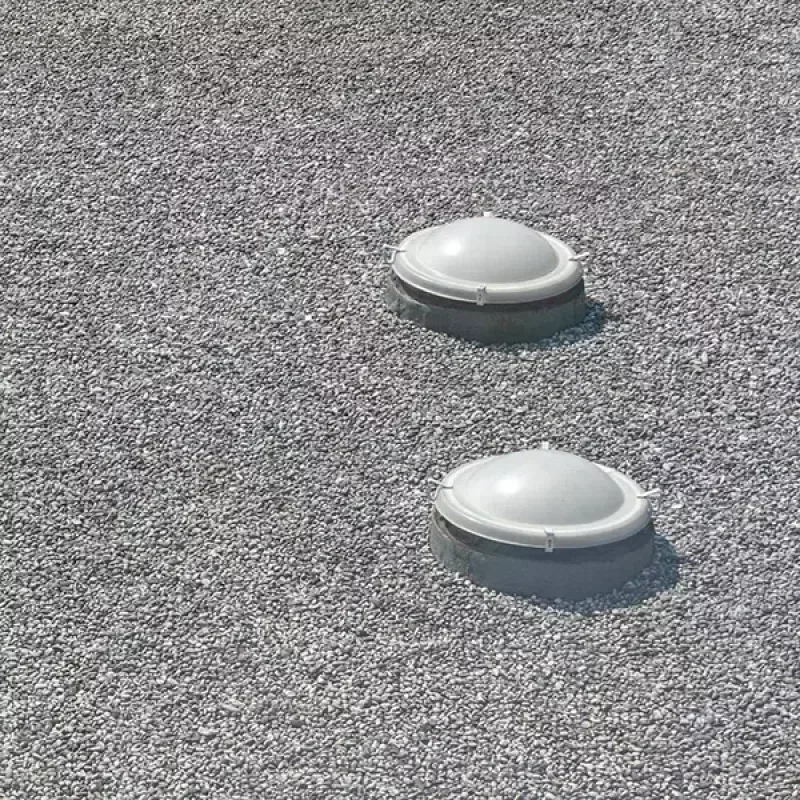
Built-Up Roofing
Built-up roofing in Columbia, MO is evaluated by ply condition, surfacing, moisture, drains, and flashing before repairs are scoped.
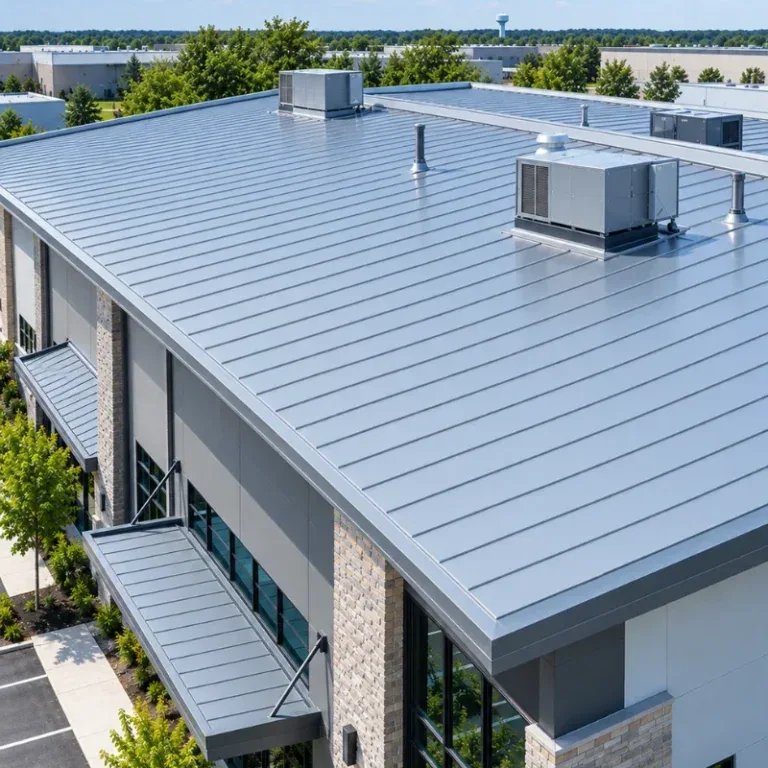
Standing Seam Metal Roofing
Assess standing seam panels, clips, seams, and flashings in Columbia, MO. Get a roof-specific repair or replacement plan for your building.
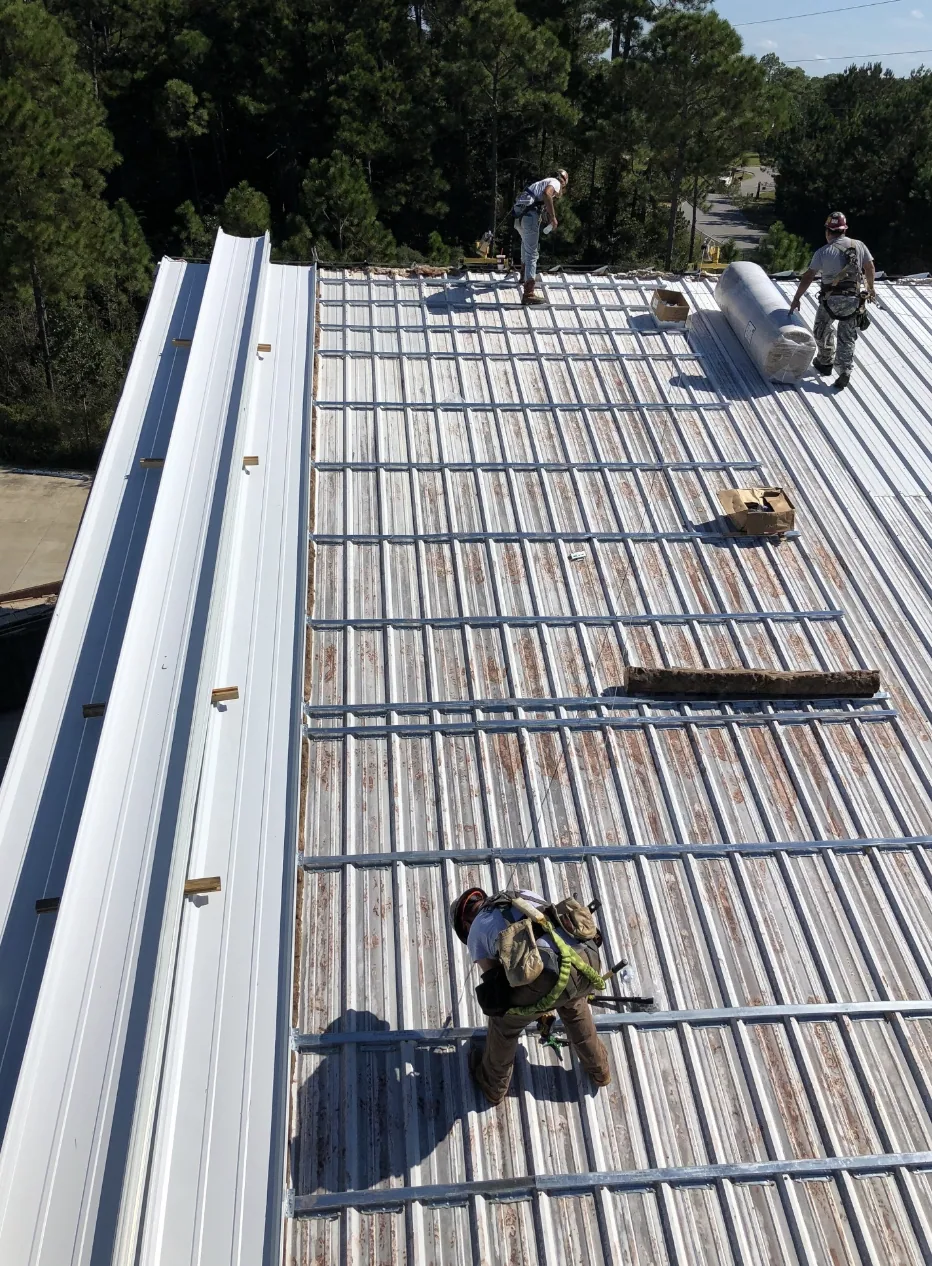
Metal Roof Retrofit
Compare repair, restoration, and retrofit paths for exposed-fastener metal roofs in Columbia, MO, with a site-specific review of panels and structure.
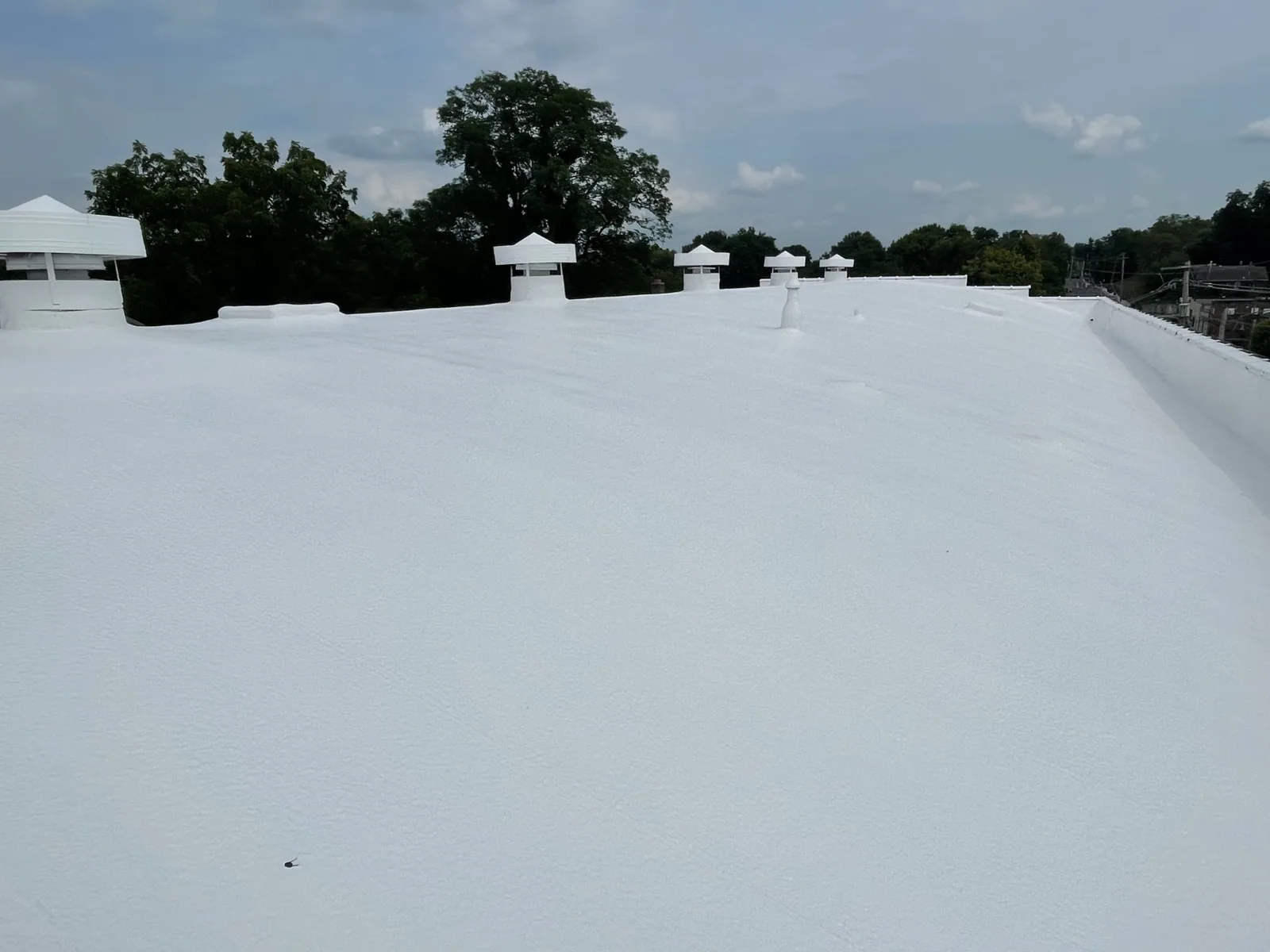
Spray Polyurethane Foam Roofing
Inspect spray polyurethane foam roof adhesion, drainage, and protective coating in Columbia, MO. Get a repair or renewal plan grounded in roof conditions.
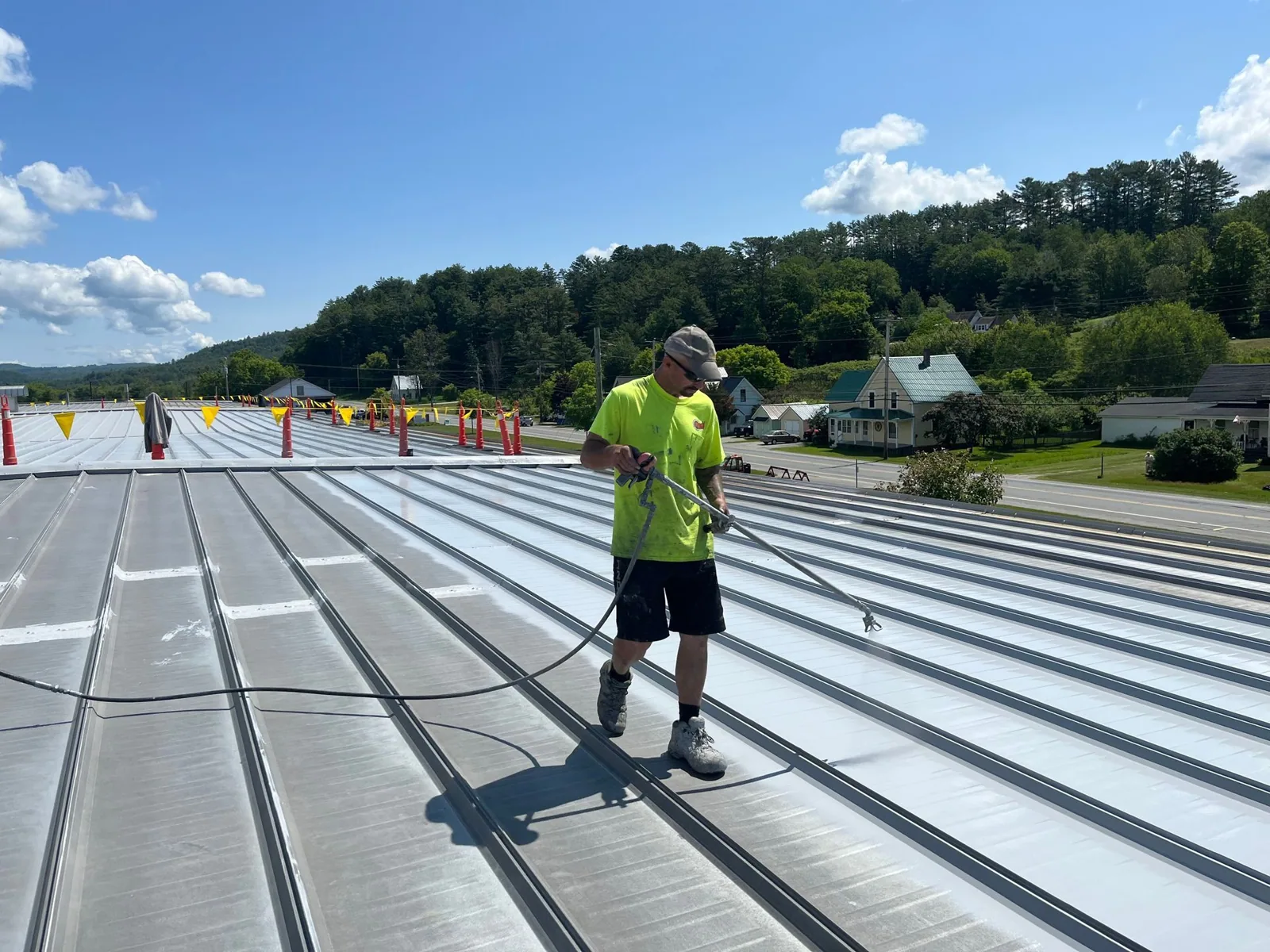
Silicone Roof Coatings
Evaluate silicone roof coating adhesion, ponding, and substrate condition in Columbia, MO before restoring a commercial roof surface.
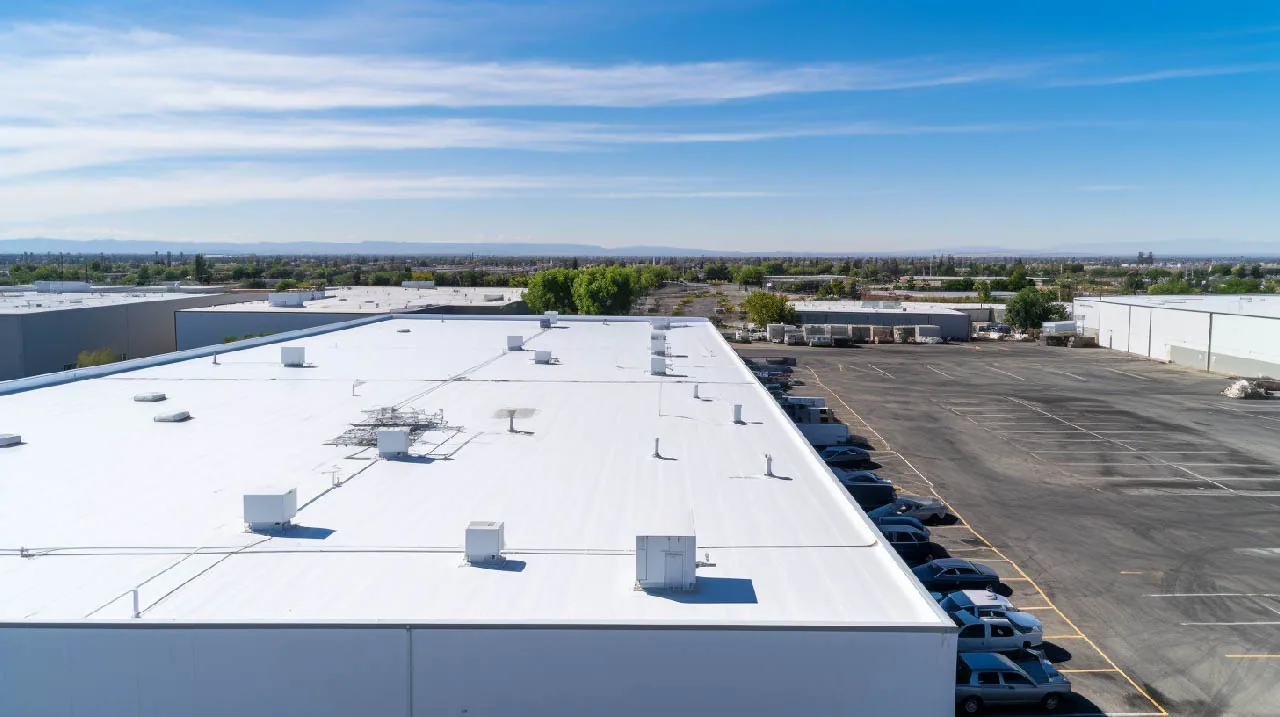
Acrylic Roof Coatings
Review acrylic roof coating fit, surface preparation, and weather exposure in Columbia, MO before renewing a commercial roof surface or planning repairs.
Compare assembly, not just material names
Selection depends on deck and insulation condition, attachment, slope and drainage, roof penetrations, perimeter details, access, and the work planned for the building. Modified bitumen and built-up roofing use layered assemblies; standing-seam metal moves water through a different panel and seam design. A metal retrofit must account for existing panels and support conditions. The label alone does not establish compatibility or service life. We document the actual roof and explain how a proposed system addresses the observed issue. A replacement comparison should also show whether old layers are removed, which insulation remains, how drains and edges will be treated, and how the new assembly ties into walls and curbs. If testing could change that scope, identify it before mobilization. Keeping each option tied to the same roof zone lets the owner compare performance and work limits without substituting a product label for a condition assessment.
When is restoration appropriate?
Coatings and spray foam are options only when the existing substrate, moisture condition, drainage, and system details support them. Silicone coatings and acrylic coatings require surface preparation and compatible detailing. Spray polyurethane foam needs a sound base and protective finish. A coating does not resolve concealed wet insulation or correct every drainage defect. Columbia’s winter freeze-thaw patterns and spring rainfall are reasons to inspect and maintain roof details; recommendations remain specific to what the field review confirms. Maintenance after installation remains part of the system record. Keep product and detail information, installation boundaries, photographs, and any follow-up observations together. That record helps determine whether later water entry comes from the original assembly, a new penetration, or an adjacent transition, and supports a focused inspection before a repair is expanded.
Keep the decision traceable
A comparison should identify repair boundaries, roof areas, material assumptions, drainage changes, penetrations, edge work, and any test needed before installation. We photograph the existing assembly and state what is excluded. Owners may link the decision to condition reports and restoration scopes, then retain follow-up observations by building. The Columbia Regional Airport and Stephens College campus are different properties, each requiring an independent roof assessment. A system that suits one asset does not establish the right selection for another.
What should be verified before selecting a system?
Before comparing new assemblies, establish what is on the building now and how it is performing. We review roof layers, deck and insulation condition, drainage, attachment, penetrations, edges, and any repairs that alter the surface. If moisture or structural capacity remains uncertain, the next test should be identified before choosing an overlay or replacement. The proposal can then compare systems against verified constraints rather than a material label alone.
Commercial Roofing Questions
Can the system name show whether a roof is failing?
No. Condition depends on the field assembly and observed details. We inspect the roof and record evidence before recommending repair or renewal.
Can a new membrane go over every existing roof?
No. Existing layers, moisture, attachment, deck condition, drainage, and project requirements determine whether a recover is suitable or removal is needed.
How are coating and replacement compared?
We assess substrate, moisture, drainage, details, and remaining service potential, then state the work and limitations in each option.
Does a system name tell me how the roof is attached?
Not by itself. The assembly details and project records should identify attachment, insulation, cover board, and edge conditions.