
About Commercial Roofing Contractors Columbia
Your Commercial Roofing Team in Columbia
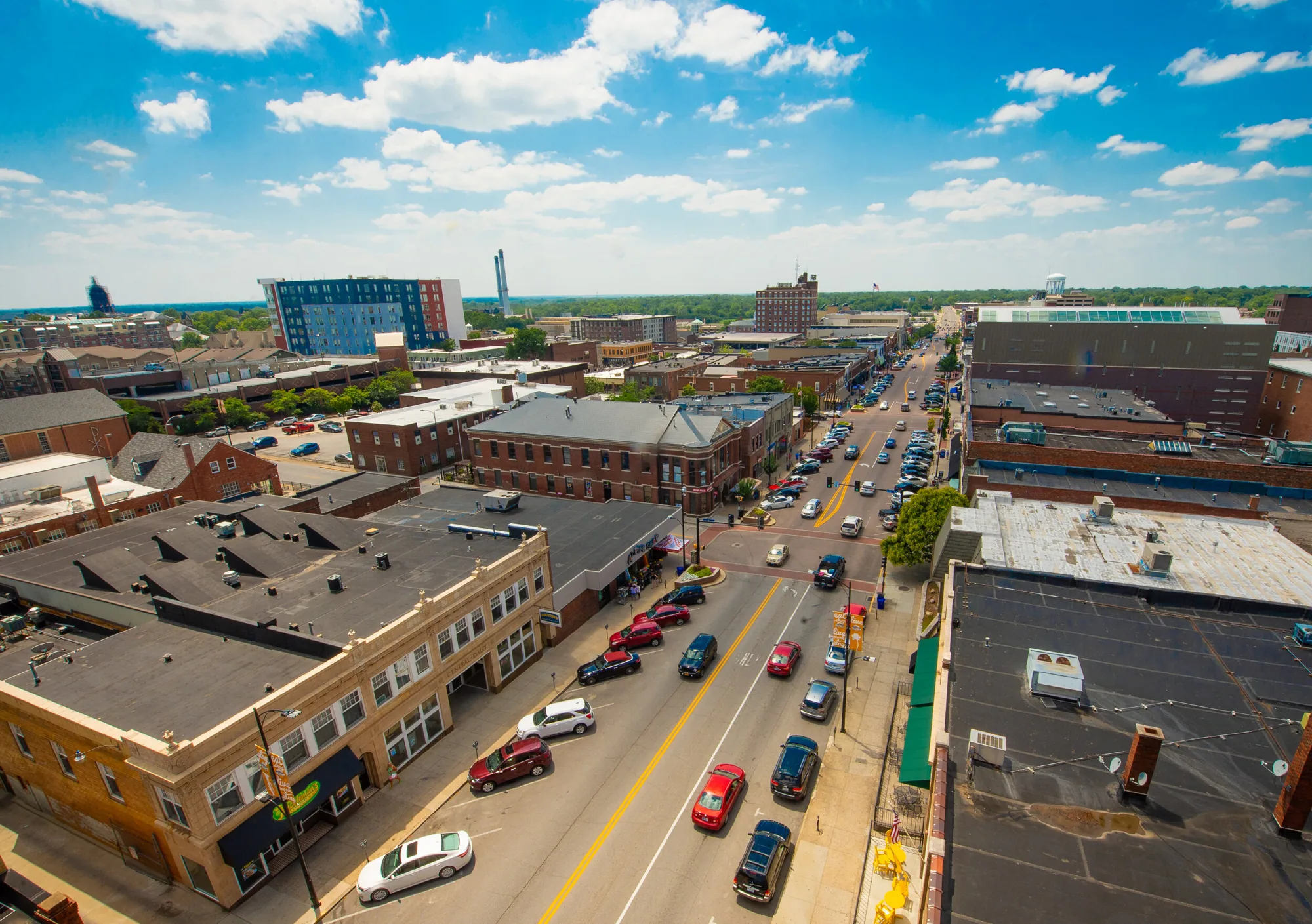
Commercial Roofing Contractors Columbia works with building owners, property managers, facility teams, asset managers, and general contractors who need a clear roof decision. We inspect, repair, replace, recover, restore, coat, and maintain low-slope and metal commercial roofs. The work begins with the asset and the question it presents: where water is entering, whether a visible defect is bounded, what areas can be accessed, and which next step could change the scope. We document the observation, photograph relevant details, and distinguish confirmed conditions from areas that need testing. Columbia has recurring freeze-thaw winters, snowy periods, wet spring storms with possible hail or tornadoes, summer heat, localized downpours, and damaging winds. Those conditions give owners reasons to inspect different roof details through the year. They do not prove a particular building is damaged. The recommendation is based on the roof evidence and a dated record.
How do we start with a roof question?
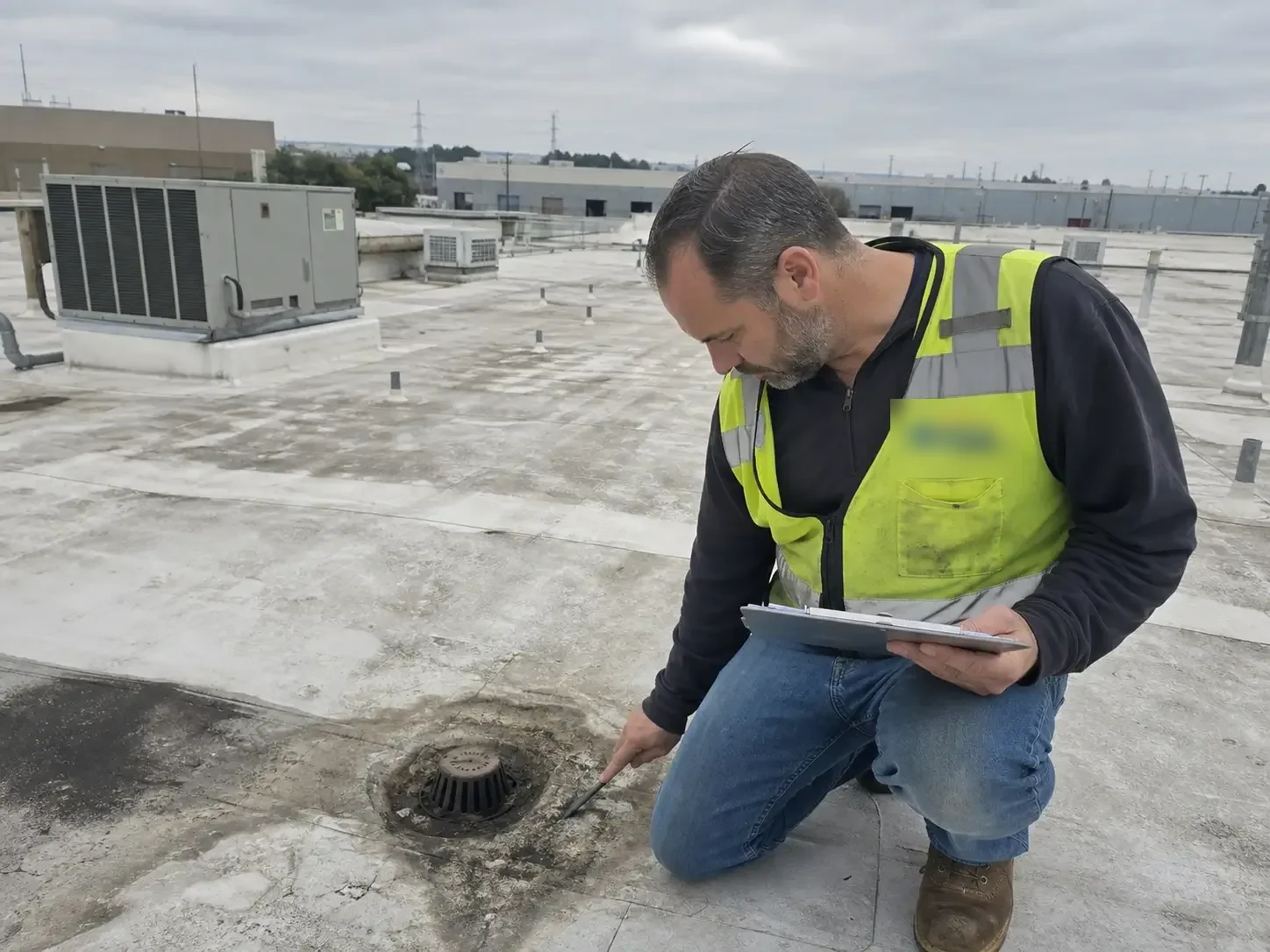
We first confirm the property address, building, roof access contact, reported condition, and area to inspect. A leak report should include where water appeared indoors and when it was noticed, but the stain does not always sit directly below the entry point. On the roof, we check seams, laps, transitions, penetrations, curbs, drains, flashings, perimeter metal, and previous repairs within the authorized route. A commercial roof inspection documents which areas were viewed, what could not be reached, and what the field evidence supports. Photos include enough context to return to a detail during a later visit. Where concealed moisture could change the repair boundary, infrared survey work or a controlled opening may help answer a specific question. We state what a test can establish and what it cannot. This keeps the report useful to a building owner, insurer, project reviewer, or future facilities manager without presenting an assumption as a finding.
How does repair proceed?
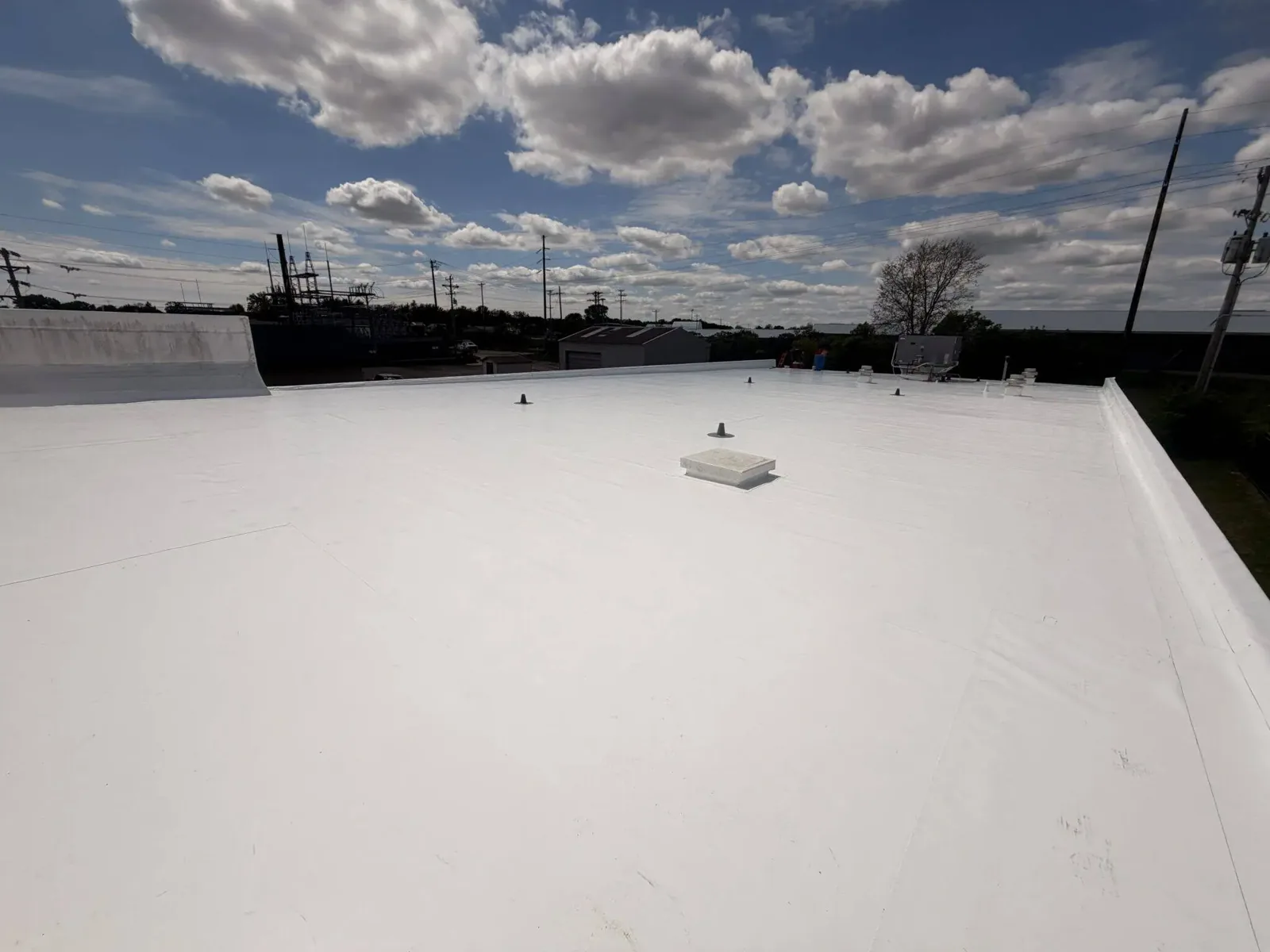
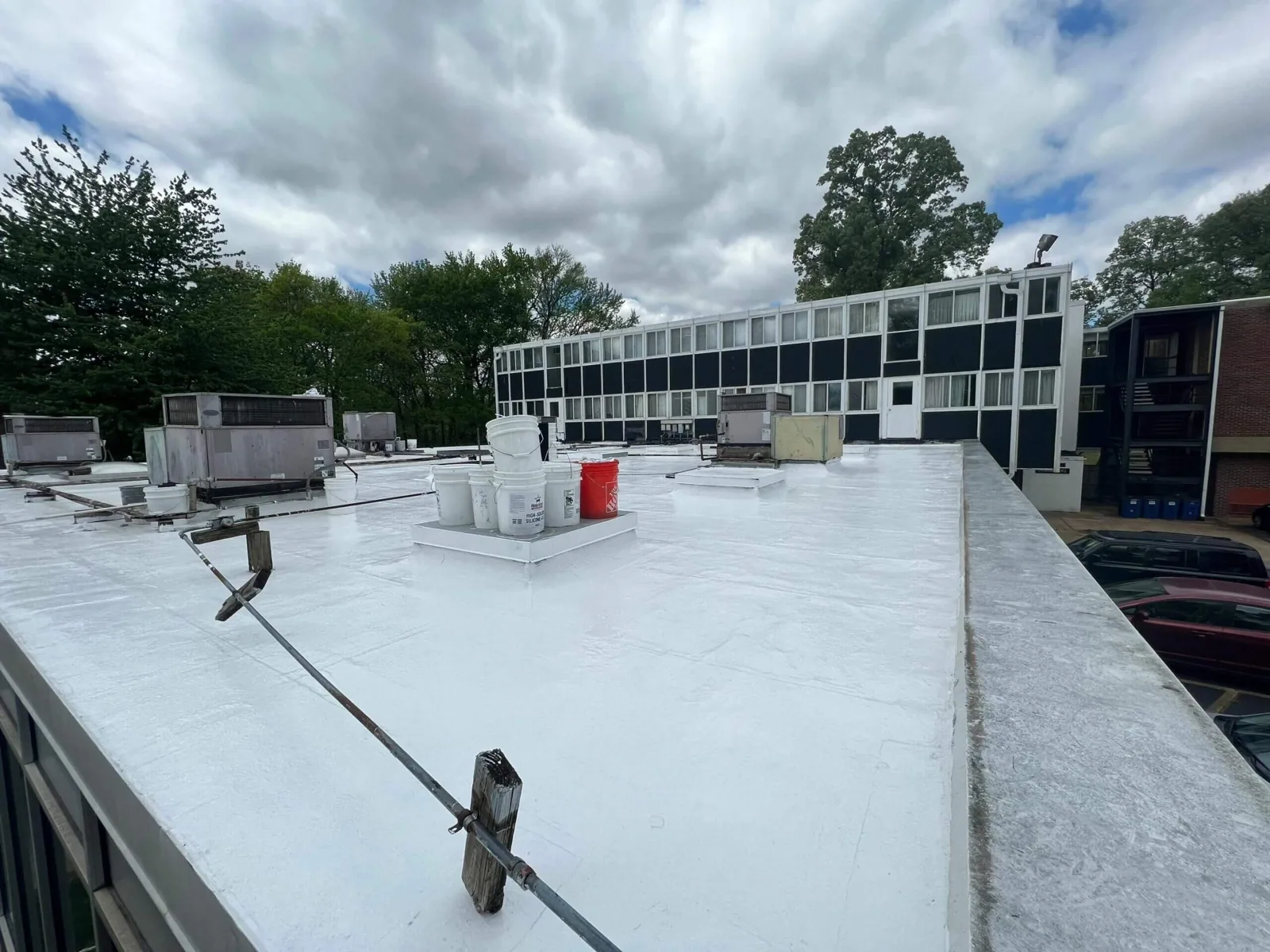
A bounded seam, flashing, puncture, or drainage defect may support a local repair if the surrounding assembly can accept a compatible tie-in. We define the preparation, material, roof zone, and adjacent conditions excluded. If water recurs, several locations show wear, or insulation may be affected, we identify the test or opening that could change the recommendation before expanding the work. A repair scope separates confirmed tasks from concealed-condition assumptions. When immediate exposure needs attention, around-the-clock emergency response can stabilize the area; we then document whether that work is temporary or permanent and what follow-up is required. The owner receives a record of work completed, materials installed, and any remaining condition. Columbia’s wet spring and heavy localized summer rainfall make drainage and moisture paths important topics, but the repair decision follows what the inspection found at the building.
How are restoration and replacement compared?
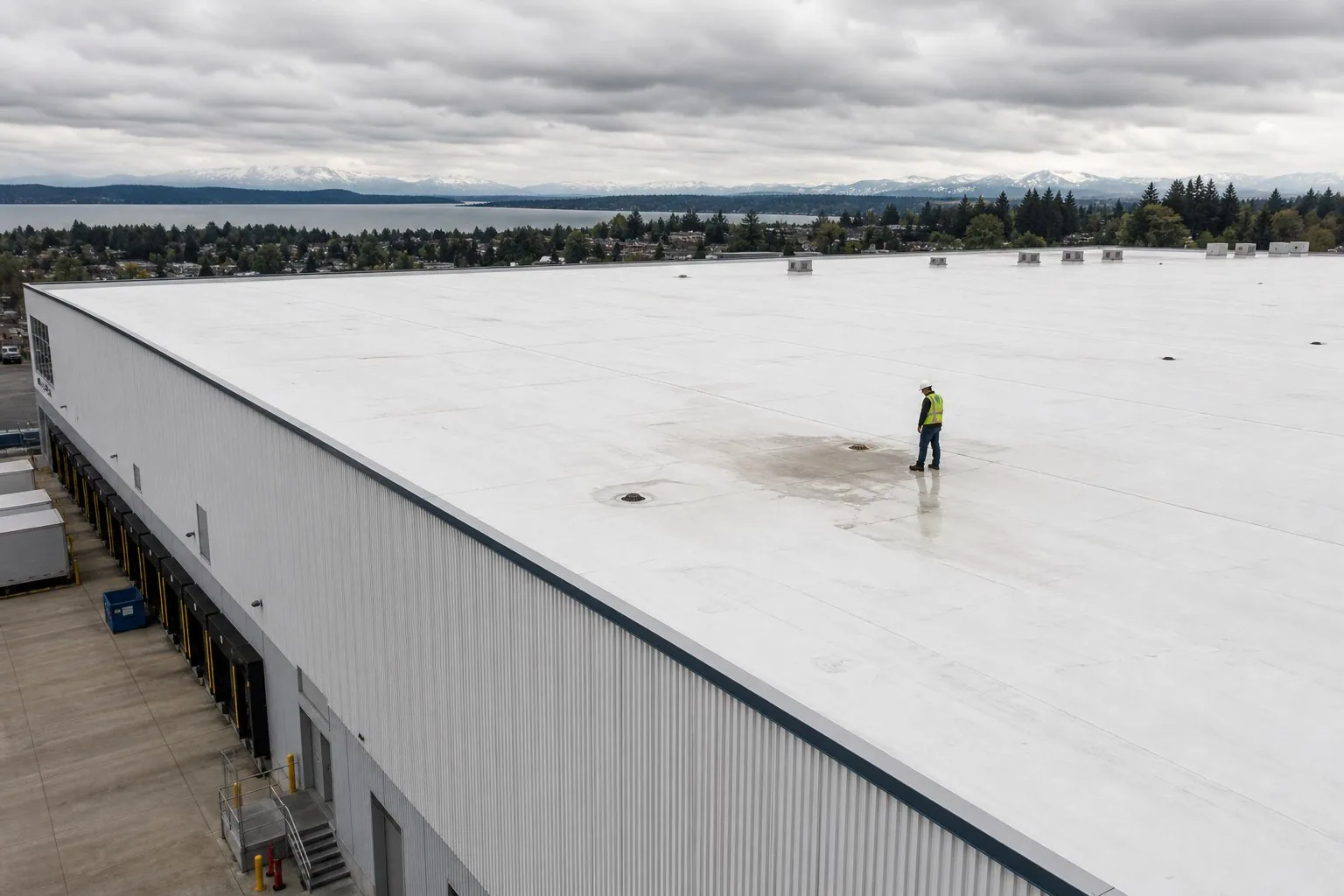
Not every roof needs the same renewal. We compare localized repair, coating, recover, and replacement against the existing assembly, substrate, moisture condition, drainage, attachment, insulation, edge metal, penetrations, and remaining service potential. A coating needs a surface and details that can support the selected system; it does not resolve concealed wet insulation or every drainage problem. Recover work also depends on the condition and configuration below the new layer. Removal and replacement may be appropriate when the assembly or concealed materials cannot support another strategy. The proposal explains the conditions and assumptions behind each option, including any test needed before finalizing it. Restoration work and replacement also require a sequence for daily limits, temporary weather protection, penetrations, perimeter transitions, and final inspection. Columbia’s current commercial plan-review package includes building, existing-building, and energy provisions; the project design team confirms which requirements apply to a planned alteration.
How do we plan around the building?
We work on occupied buildings and coordinate the sequence with the property contact. The plan identifies access, staging, protected areas, work hours, daily opening limits, temporary dry-in, tie-in points, and who verifies close-in. A small repair and a full reroof have different effects on the building, and the scope should make that difference visible. Occupied-building roofing can divide the work into roof zones so only an agreed area is active at a time. If a facility has particular access or safety procedures, the contact supplies those current instructions. We record areas that could not be reached and do not imply they were inspected. This approach applies across different settings: University of Missouri facilities include research, utility, residential, and assembly uses; Hospital Drive medical corridor and the MU Health Care hospital campus each have their own facility contacts and records. No building inherits another property’s access plan or roof condition.
Where does the work take place?
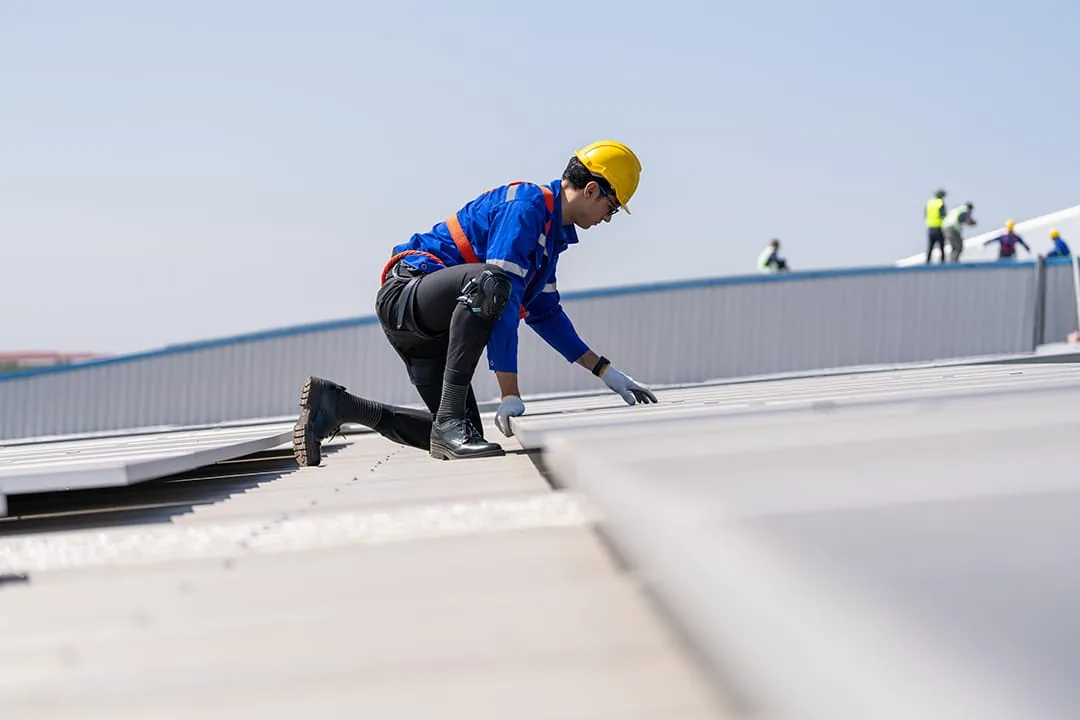
Columbia’s commercial base includes education, healthcare, manufacturing, research, office, retail, and service properties. We serve individual facilities as well as owners coordinating more than one asset. In Columbia, an inspection may involve a downtown property in The District, a site at East Columbia / East Area Plan, or a commercial address along Broadway. Nearby service areas include Centralia, Moberly, Fulton, and Ashland. A location name helps route the request, but the street address, building, and access contact define the work. For each property, the roof record stays separate and identifies the details actually seen. The same weather report may affect an entire region, but damage is not assumed across all properties. The inspection should state which roof sections were viewed, what the owner reported, and which findings remain uncertain. Where a portfolio is involved, a shared schedule can coordinate work without blending roof histories.
What should an owner retain?
A useful roof file contains the building identifier, inspection date, roof-zone references, photos, observed condition, owner-reported symptom, repair boundary, material details, exclusions, and follow-up point. It should also state the access limit and any test that remains open. Condition reports help preserve dated observations, while asset management organizes changes and due dates. Preventive maintenance can revisit drains, seams, flashings, edges, and repaired areas before or after seasonal exposure. An owner can compare proposals when the work area, preparation, materials, assumptions, and exclusions are stated consistently. At closeout, photographs show what was repaired and what remains outside the scope. If the recommendation changes after testing or an opening, record the new evidence and the reason it moves the boundary. That gives the next manager a decision file rather than a verbal recollection. We also retain who approved the scope and who received the closeout material. A later inspection can then determine whether the roof has changed since that decision and whether the next work fits the original plan. When an owner has no earlier roof file, the first visit establishes a baseline with stated limits rather than pretending to reconstruct a history that is unavailable. That boundary is useful for maintenance, capital planning, and any later review of the building.
Commercial Roofing Questions
Do you document areas that could not be inspected?
Yes. The report identifies access limits and any roof section left outside the inspection so the owner can decide whether another visit is needed.
Can you inspect more than one building in a portfolio?
Yes. We keep each structure, roof zone, observation, and scope separate, then organize the findings so the owner can compare needs without treating the buildings as one assembly.
What happens when concealed damage appears during a repair?
We photograph the exposed condition, identify how it changes the approved boundary, and provide the revised work for review before covering it.
Do you coordinate roof work around tenants and operations?
We confirm access, operating limits, staging, and daily close-in with the property contact, then record the areas completed and any restriction that remains.