Versico Commercial Roofing in Columbia, MO
A Versico roof may be EPDM, TPO, PVC, or a fleece-backed system, and the correct repair depends on which assembly is actually present. We check product records, membrane markings, seam construction, flashing, and previous patches before selecting materials. Columbia's spring storm season, summer heat, and winter freeze-thaw cycles raise different questions at edges, field seams, drains, and penetrations. Those local patterns help time an inspection but do not establish failure. The I-70 Business Loop connects commercial, industrial, and institutional activity; Columbia also has employment areas such as East Columbia / East Area Plan. Nearby land use cannot tell us the system or condition of a particular roof. The inspection record should identify the building and roof zone, separate the confirmed membrane from an uncertain addition, and map the details that support the repair boundary.
Which Versico roof family is installed?
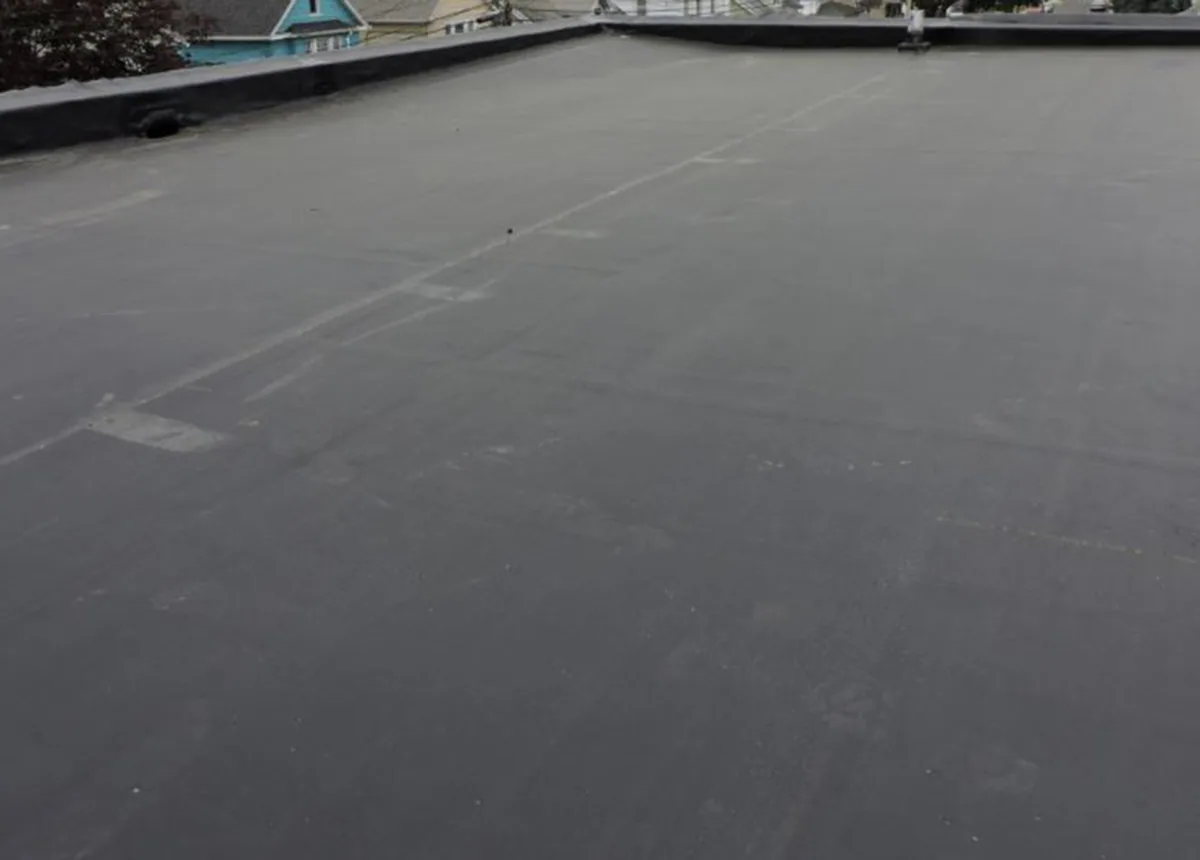
Look for retained submittals, product labels, repair invoices, and approved details that identify the membrane and attachment method. Versico's product range includes EPDM, TPO, PVC, and VersiFleece systems. Each has a different seam or flashing approach, so color and brand alone are insufficient. TPO and PVC are thermoplastic and use heat-welded seams, while EPDM uses its own seam products. A fleece-backed option adds a substrate interface that must match the specified adhesive or attachment. EPDM system details differ from PVC membrane details even when the same manufacturer appears in the records. If a roof has multiple sections or a past recover, match each record to its actual area. A printed product name could refer to insulation, adhesive, or flashing rather than the field sheet. When information conflicts, state what remains unknown and identify the test, retained material, or closeout document that would resolve it. This avoids naming a system before there is enough evidence to choose a compatible repair.
Related Roofing Work
More commercial roofing work connected to Versico Commercial Roofing in Columbia, MO.
What should a Versico seam inspection include?
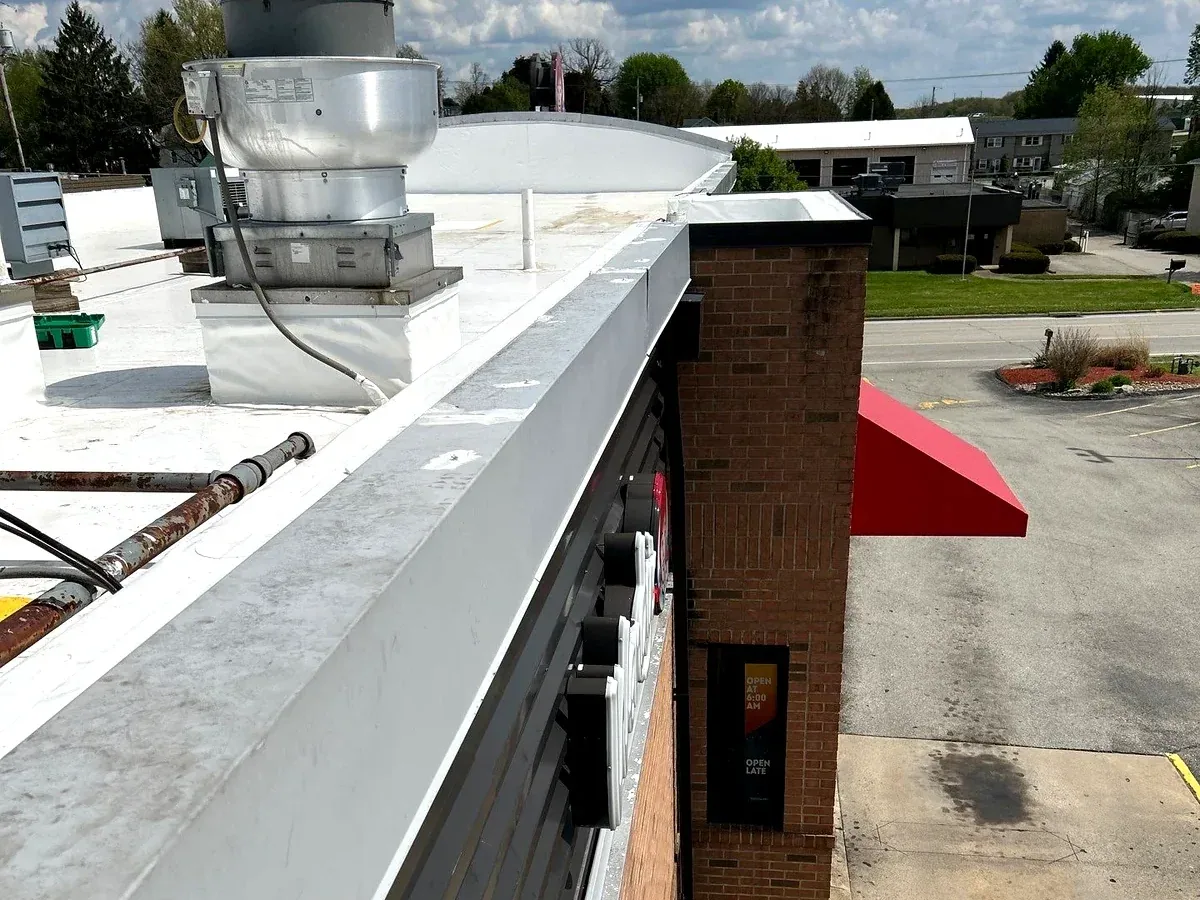
For a welded membrane, examine overlap edges, field welds, corners, patches, and places where the sheet turns at a curb or wall. For EPDM, check the lap, tape or adhesive, cover strip, and termination. On fleece-backed material, look for bond separation, wrinkles, and evidence that moisture or movement is affecting the substrate. Inspect the roof field with its edges and penetrations, since a leak may come from a nearby transition rather than the first visible stain. A roof inspection can mark the location and photograph the detail at two scales. A seam repair review should record whether the condition is isolated and whether adjacent material can accept a tie-in. Columbia's spring is the wettest period and has higher potential for severe storms with large hail or tornadoes. If weather damage is reported, photograph observed impact or displacement and note the inspection date. A regional storm pattern is not evidence that a particular seam opened. Keep images and findings tied to the building identifier so later maintenance can compare the same point.
How do you select a compatible repair?
First confirm the membrane type and condition of the surrounding area. Then specify cleaning, preparation, compatible material, attachment or welding method, patch size, and the termination of the repair. If the defect is at a drain, curb, or wall base, include the connected flashing and adjacent field in the inspection. A repair should not cover a wet substrate or loose sheet without addressing why the condition exists. A defined repair scope can distinguish visible defects from concealed material that needs testing. If moisture or repeated deterioration extends beyond one detail, compare a broader option only after the roof layers and attachment are understood. A recover review needs evidence about moisture, existing layers, and deck capacity. Columbia uses a 2024 commercial code package that includes existing-building and energy provisions; the project's design and plan review identify what applies to a specific alteration. A product's use in one building does not settle suitability for another. The proposal records which area is included, which remains outside the repair, and what observation would change the scope.
What controls a Versico installation sequence?
Before membrane placement, verify the deck, insulation, cover board, fastener layout or adhesive conditions, and details that will disappear beneath the field sheet. Confirm perimeter attachment, drain transitions, penetrations, and the daily close-in point in the approved documents. A mechanically attached design must follow its specified fastening pattern; an adhered system requires suitable substrate and application conditions. For fleece-backed material, confirm the correct bond and substrate preparation before covering the roof. Work should stop at a completed, protected transition, not an exposed edge left to weather. Occupied-building phasing can set work zones and handoffs, while drain detail review connects the membrane to the outlet. East Columbia’s eastern planning area employment-area setting can involve multiple buildings and project phases, so confirm the specific roof plan, access, and construction schedule with the property team. The owner's project documents and field conditions define staging and access. Dated photographs at deck, insulation, attachment, and completed membrane stages make later inspections more useful, especially if a leak report arrives after a severe weather period.
How should the Versico roof file be maintained?
Keep the system specification, product data, roof plan, closeout images, maintenance entries, repair notes, and written warranty document together. Record which building and roof zone each document covers, plus any limitation in the inspection or work scope. A warranty should be read from its actual terms and requirements, not inferred from a product label. Columbia has a regional economy that includes education, healthcare, research, technology, and manufacturing; an owner may manage very different types of properties. The District includes downtown residences, shops, nonprofits, and public entities, while LeMone Industrial Park is associated with office and light-industrial uses. These place facts cannot identify an assembly, but they support careful building labeling in a portfolio. The District service area is a local reference; each roof still needs its own inspection record. A dated condition report can preserve the latest findings, and GAF systems or Carlisle SynTec options can be compared only after the existing roof and project requirements are understood. We can review available Versico documents, inspect accessible conditions, and return a documented recommendation with the next check.
Columbia winters move through recurring freeze-thaw conditions and seasonal snowfall. In the roof file, pair any winter observation with the seam, drain, curb, or perimeter detail it concerns, then compare the same location after thaw when access is safe. A surface mark alone may not explain whether water entered through a weld, a flashing transition, or a separate opening. Keep the installed Versico system identification, compatible repair material, preparation notes, photographs, and any area left for follow-up together. If an owner is comparing a repair with a recover, record existing layers, moisture, edge height, and drainage as separate findings. The product family narrows the repair method; the field record establishes the boundary and the next decision.
Commercial Roofing Questions
Can I use a TPO patch on a Versico EPDM roof?
No. The membrane families use different joining methods and repair materials. We confirm the existing roof type before preparing the area or applying a patch.
Does a Versico label confirm the attachment method?
A label may identify a product, but the approved assembly or field evidence is needed to confirm whether it was adhered, mechanically attached, or installed with another method.
What should be checked around a VersiFleece membrane?
Inspect the bond, substrate, seams, flashing, and any wrinkles or movement. We compare those conditions with the specified installation method and record areas where the bond cannot be confirmed visually.
Can a prior repair change the new repair detail?
Yes. A patch or coating can affect preparation and material compatibility. We document the earlier work and inspect its edges before deciding whether to tie into it or extend the repair boundary.