
Distribution Center Roofing in Columbia, MO
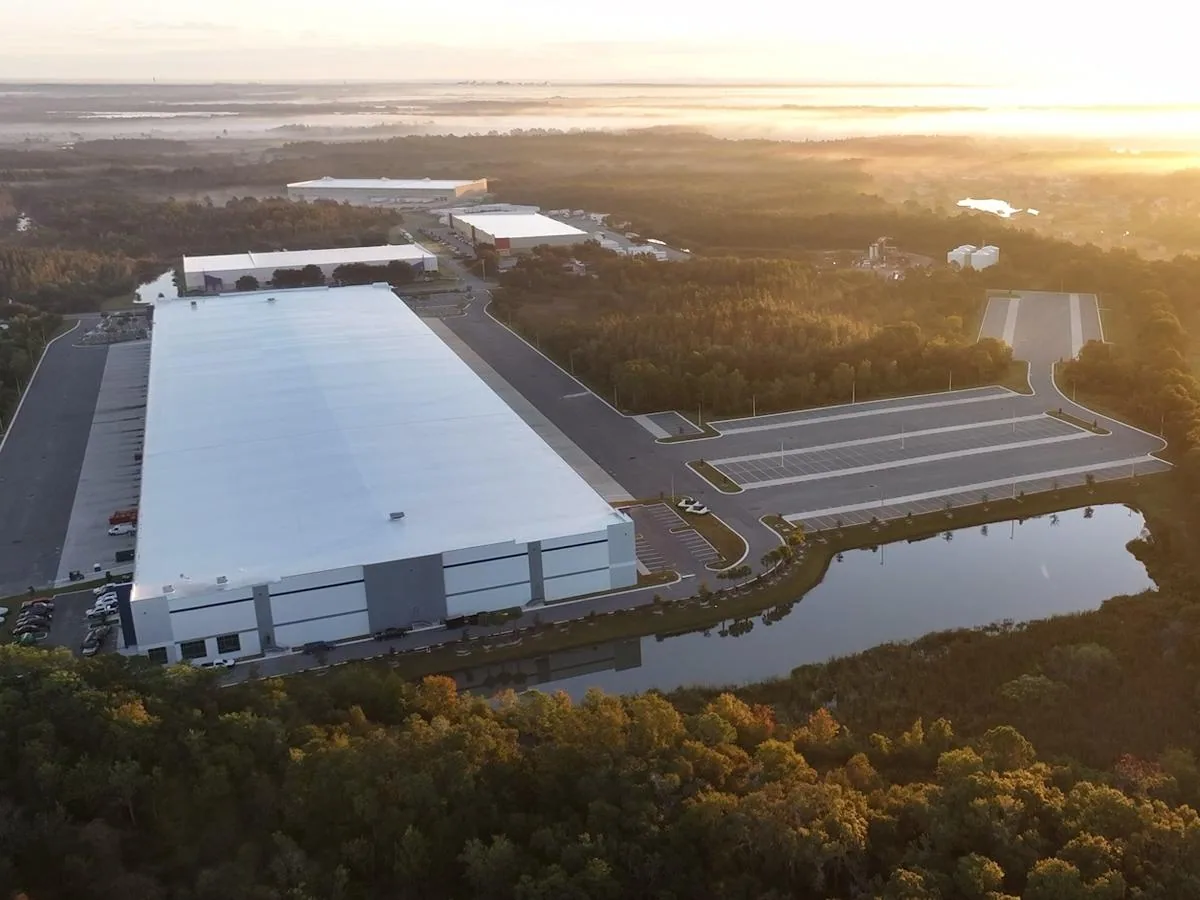
A roof repair that blocks a dock lane or leaves a transition open at shift change can disrupt more than the work area above. Distribution-center roofing calls for a map of receiving, outbound staging, equipment paths, and the roof zones that can be opened and closed each day. We record the reported condition, trace the moisture path, and coordinate a repair boundary with the facility schedule. Columbia’s I-70 and U.S. 63 connections support regional movement, while Cartwright Business & Technology Park is home to a distribution center. Moberly’s industrial area has direct U.S. 63 access and listed utility and connectivity infrastructure. These facts describe local logistics settings, not an individual building’s roof design. We inspect the actual assembly and identify where deliveries, lifts, or shift operations change how roofing work can proceed.
Which operating paths need to stay available?
Trailer routes, employee entries, fire lanes, pedestrian crossings, and staging areas should be reviewed before material reaches the roof. We confirm where a crane or lift can stand, how pallets move from delivery to the work zone, and which lanes must remain open. If inbound and outbound peaks differ by hour, the daily schedule should reflect that pattern rather than use a generic start time. A temporary restriction needs an owner contact and an alternate route before it affects a shift. We mark the active roof section and corresponding ground area on the plan, then give the facility team a dated work note after each phase. Occupied-building reroof planning can define zone limits and close-in points. The facility contact remains responsible for site operating rules, while our scope identifies how the crew will protect access and avoid leaving material in a travel path.
Related Roofing Work
More commercial roofing work connected to Distribution Center Roofing in Columbia, MO.
How can a roof leak be traced over a large floor?
A wet carton, ceiling drip, or alarm from a moisture sensor establishes an interior observation, not the exact roof opening. We record its aisle, rack bay, time, and relationship to a drain or rooftop unit before tracing the area above. Water can travel along a deck flute, insulation joint, or structural member before reaching the floor, so we check nearby seams, curb flashings, roof edges, and earlier repairs. Where access equipment or high storage limits an interior view, that constraint goes into the report. A roof inspection can map visible conditions, and drone imagery may help document broad or difficult-to-reach roof fields. Neither method proves concealed moisture without appropriate follow-up. The decision file should distinguish what the crew saw from what needs testing before a repair boundary is set.
What can heavy rain reveal at drains and seams?
A broad roof field still concentrates runoff at low points, internal drains, scuppers, and roof-to-wall transitions. We check whether drain bowls are clear, whether nearby seams remain intact, and whether water sits after a storm. A pond that returns in the same location calls for a dated comparison and a look at the outlet path, not an assumption that the membrane alone is responsible. Columbia’s spring is the wettest season, and summer downpours can be localized, so a facility may see different runoff conditions across its roof. Drain and scupper work can address an outlet condition, while a membrane defect requires a separate compatible detail. We record the weather and roof section for each observation, then note whether the issue affects operations below. If stock needs protection, the facilities contact can match the interior location to the repair plan before the next forecast window.
When should the repair boundary expand?
A localized repair may fit a single failed seam, flashing, or puncture when nearby material and insulation remain sound. A wider pattern of wet board, repeated movement, or failures across several sections changes the comparison. We state which areas are confirmed and which remain concealed, then explain whether testing would alter the scope. Commercial roof repair can address a defined area; replacement planning can compare broader removal or a designed recover. For a general warehouse, warehouse roofing can focus on storage exposure and access, while cold storage zones, where present, have different vapor-control and temperature considerations than a general distribution bay; cold-storage roof planning evaluates that enclosure separately. The proposal should identify how production will continue, what protection is required beneath an open zone, and how daily tie-ins will be checked. A repair recommendation should remain tied to observed conditions rather than the building’s square footage or business category.
What should the distribution team receive at closeout?
The closeout file should show roof zones completed, products installed, repairs made, drainage observations, and any section left for a later phase. Dated images should include enough location context for a facilities manager to find the same detail without interrupting an operating aisle. Note whether the crew saw wet insulation, opened a sample, or relied on a surface inspection only. If a dock, route, or equipment shutdown changed the planned sequence, record the revised boundary and who approved the adjustment. Columbia applies the 2024 IBC, IEBC, and IECC for commercial plan review, so an assembly change should be checked against the project requirements. The applicable permit or review decision belongs with project records. A later roof visit can compare the repaired area with its baseline and note any movement after storms or service work. Clear closeout keeps a localized repair from being mistaken for a complete roof renewal. It should also show whether the crew saw the full perimeter, what areas were concealed by equipment, and which drainage points were clear when the inspection occurred. For a multi-shift operation, the facility may need a brief record of each day’s access route and the section returned to service. A dated photo set can pair roof details with the interior aisle or loading area below, without storing sensitive inventory information. If a later leak appears nearby, the team can compare the new report with the previous repair boundary before deciding whether the conditions match.
A roof plan should distinguish the receiving side, shipping side, and the zones above conveyors or sortation equipment. Those labels help the site team keep a leak report tied to the correct roof section when several shifts hand off open issues. For each repair, record the observed defect, repair boundary, material, date, and any access restriction. A short follow-up list should separate completed work from conditions that remain under observation. This is particularly useful where heavy localized rain tests several drains at once and water appears far from the roof opening.
Commercial Roofing Questions
Can roof work be done without stopping outbound shipping?
Phasing can often keep some operations moving, but the answer depends on lift access, the roof zone, weather, and the building’s shipping schedule. We set the active area and route restrictions with the facility contact before mobilizing.
How do you protect product under a roof repair?
The interior location and roof zone are matched before opening the assembly. The work plan records the protection needed for stock, racks, or equipment below, and the daily close-in point is confirmed before the crew leaves.
Will a drone inspection identify hidden wet insulation?
A drone can capture roof-surface imagery and document conditions across a broad area. It cannot confirm concealed moisture by itself, so testing or a controlled opening may be needed when that result affects the scope.
What if several roof zones show similar leaks?
We compare the dated observations and test representative areas where useful. A repeated pattern may justify a broader repair or replacement comparison, but each proposed boundary should be tied to evidence from the roof.