
GAF Commercial Roofing in Columbia, MO
A GAF roof should be evaluated by the membrane and assembly installed, not by the name on an old invoice. We identify whether the visible field is TPO, PVC, PVC KEE, an asphaltic system, or a coating, then document seams, transitions, attachment clues, and prior repairs. GAF's commercial line includes EverGuard single-ply membranes as well as asphalt and coating systems, so a product family alone does not tell us the roof build-up. Columbia's freeze-thaw winter pattern, wet spring storms, summer heat, and localized heavy rain can prompt different inspection questions, but weather does not establish a defect. The I-70 Business Loop includes mixed commercial and industrial properties, while East Columbia / East Area Plan is a distinct employment area in the city. Those locations help place the service market; only the roof field and its records support a repair recommendation. We begin with the observed assembly and preserve the distinction between a known material and an identification that still needs confirmation.
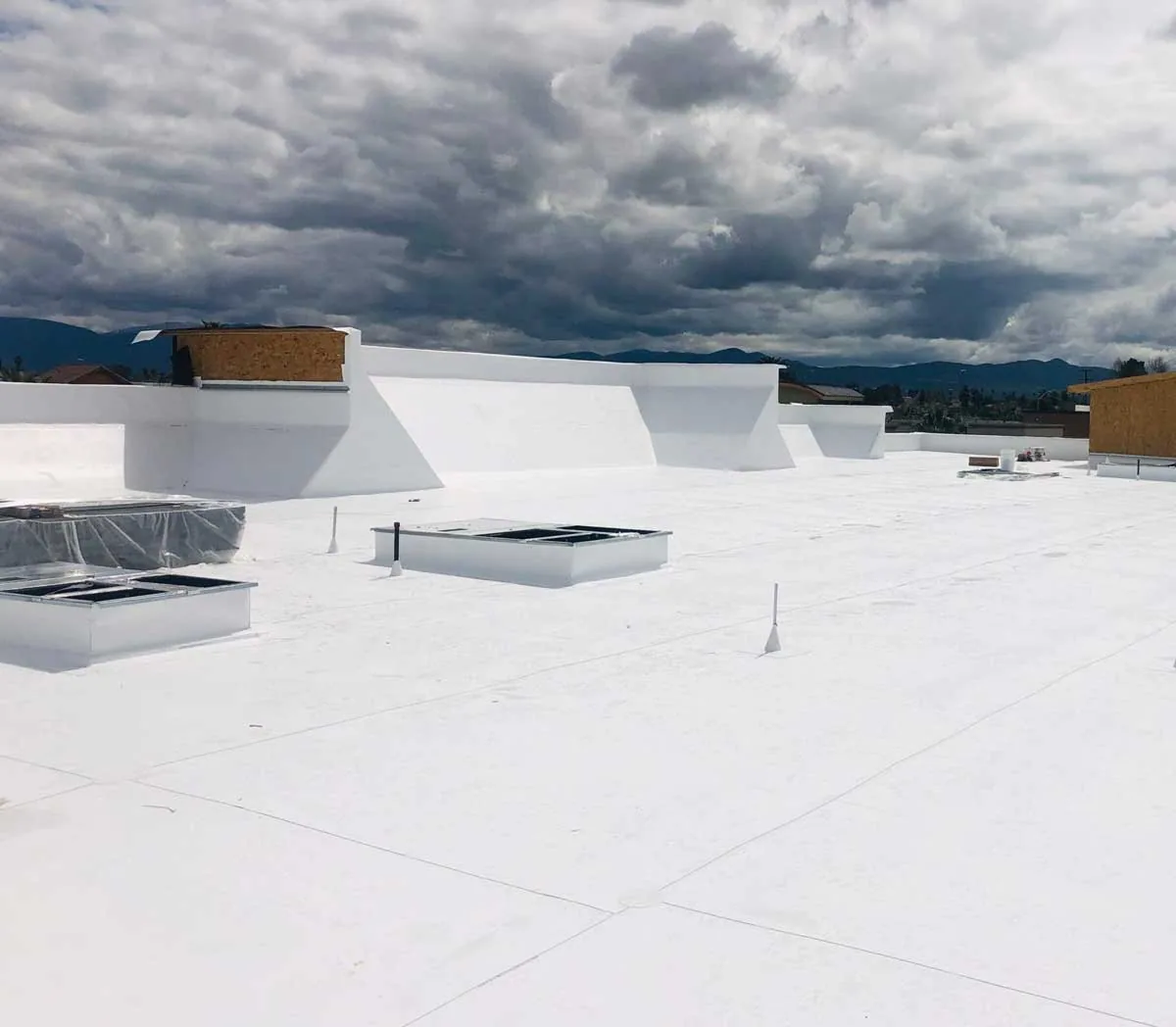
Which GAF membrane is on the building?
Look at labels on retained materials, closeout records, repair invoices, and visible membrane characteristics before assigning a system name. EverGuard TPO and PVC are thermoplastic sheets with heat-welded seams; PVC KEE is a PVC formulation containing ketone ethylene ester. A field check should confirm the product where possible, inspect the weld and flashing, and note whether the membrane is smooth or fleece-backed. Do not identify a material from color alone. TPO roof assemblies need a review of welds, penetrations, and field attachment; PVC systems require their own compatible details. GAF also publishes commercial asphaltic and coating specifications, which differ from single-ply assemblies in preparation and layer sequence. The scope should name only the system that records or physical evidence support. If old repairs obscure the membrane, record the uncertainty and identify a test or manufacturer document that could settle it. A new proposal should follow the existing assembly, approved design, deck, insulation, and building use rather than assume that one GAF product can replace another without review.
Related Roofing Work
More commercial roofing work connected to GAF Commercial Roofing in Columbia, MO.
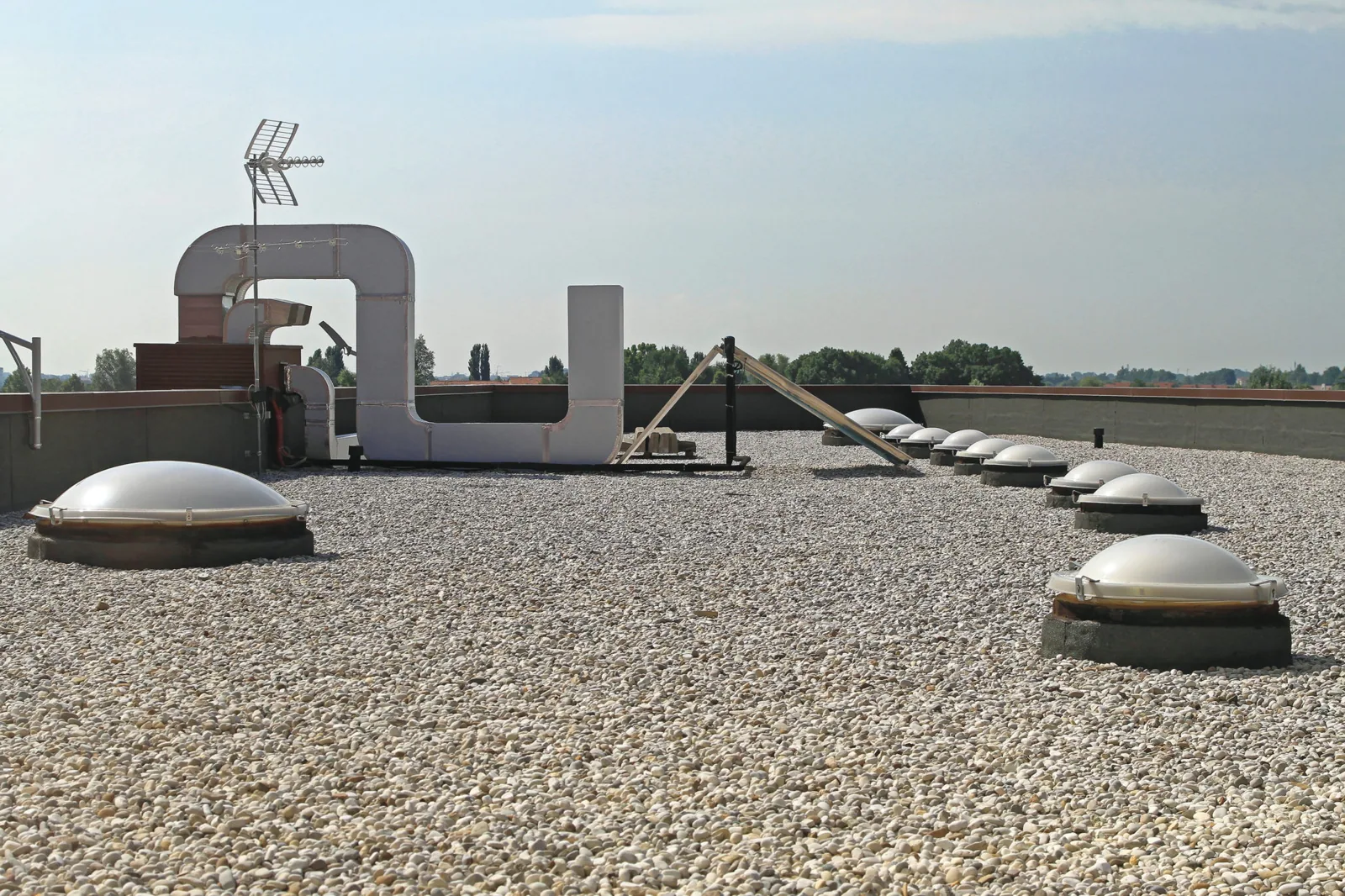
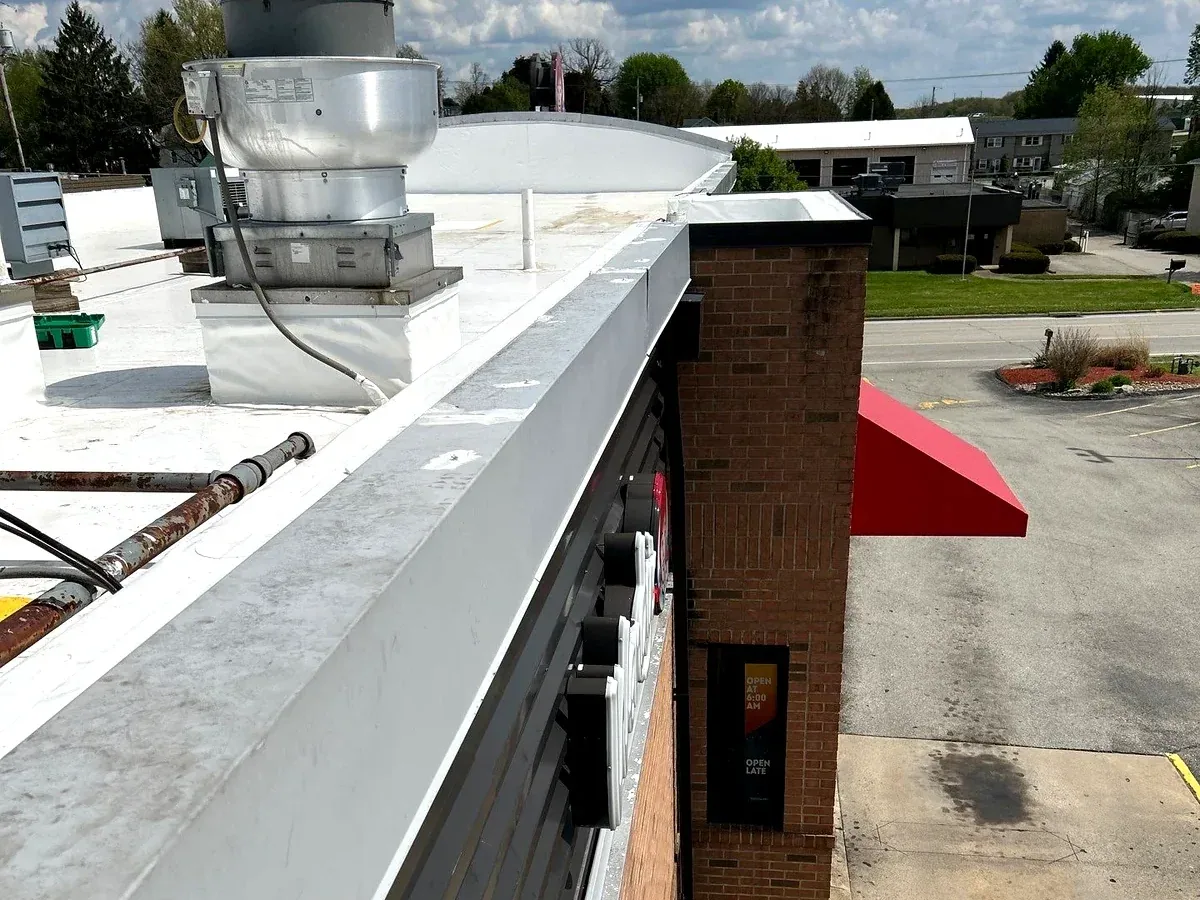
Where does field evidence change the repair?
Thermoplastic seams can be probed for an open edge, but the result is one part of the condition record. We look at the sheet surface, weld width, corners, patches, drains, curbs, and perimeter terminations together. A weak weld beside a sound field may support a focused repair; repeated seam separation, wet insulation, or movement across an area can widen the investigation. A hands-on roof inspection maps the visible conditions and limits of access. Seam findings should identify roof zones and photos so another visit can compare the same places. If water is reported indoors, the stain alone does not identify the entry point. Trace the likely water path from the roof details above and check nearby transitions before selecting a patch. Spring is Columbia's wettest season and may bring hail or tornado-producing storms; after an event, note observed impacts rather than attributing every surface mark to the weather. The University of Missouri's campus facilities team manages maintenance, utilities, and projects across a varied inventory. At any campus facility, the owner-provided building label and roof map matter more than a general institution name when documenting a finding.
What has to match in a new GAF roof assembly?
Membrane selection is only one decision. Review the deck, insulation, cover board, vapor control, attachment method, perimeter zones, drainage, and transition details as a system. A mechanically attached, adhered, or induction-welded assembly has different fastening or bonding requirements, and its design must match the substrate and project criteria. The specification and approved details set sheet orientation, seam placement, and flashing treatment. Insulation and cover-board scope should identify layers and any tapered areas; drainage work should show how water reaches an outlet. Columbia's commercial plan review uses a 2024 code package that includes building, existing-building, and energy provisions. The project team determines which review applies to a roof alteration. East Columbia / East Area Plan and the I-70 Business Loop are local references, not evidence of a particular building's deck, wind design, or permit requirements. Before work starts, reconcile plans with accessible field conditions and flag any mismatch that could alter attachment or insulation. Record the accepted design and any approved field change so the installed assembly can be inspected against the same basis.
When is repair different from a recover or replacement?
A localized defect can be repaired when sound material surrounds it and the correct compatible detail is available. A recover requires a separate check of existing layers, moisture, attachment, deck capacity, and applicable code provisions. Replacement becomes a different comparison when deterioration is widespread, the substrate is compromised, or repeated patches no longer restore a defined boundary. We photograph and mark the included area, identify preparation and tie-ins, and list conditions that could add work. A repair scope should not imply that concealed wet material is included unless it is inspected. For broader work, a recover review and replacement planning can compare their distinct assumptions. Columbia sees frequent days at or below freezing in winter and hot summer periods. Temperature and rain affect access and material handling, but they do not select the project option. LeMone Industrial Park includes office and light-industrial uses; each roof still needs a property-specific inspection. Each proposal needs a current field record, work boundary, disposal or overlay assumptions, and a close-in plan for weather interruption.
Which records keep the GAF roof review useful?
Retain the product information that can be matched to the roof, approved submittals, dated installation photographs, repair details, maintenance notes, and any written warranty document. A warranty's coverage and requirements come from its terms, not the product name by itself. Record who completed each repair, what material was used, and which area was left outside the work. A Carlisle system comparison or Versico system documentation may help when an owner is considering alternatives, but the proposed material still has to fit the assembly and project requirements. A condition report can attach current observations to the history, while the Business Loop area identifies one Columbia service corridor without substituting for a street address. We can review available GAF records, inspect accessible roof areas, and return a decision file that states the observed condition, likely repair boundary, and recommended next check. If the membrane cannot be identified with confidence, leave the product field unresolved until records or testing confirm it. That restraint makes the eventual repair scope more reliable.
Columbia’s freeze-thaw winters make the condition at laps, corners, and perimeter transitions worth comparing across inspection dates. A record should distinguish the membrane surface from the edge and flashing details that complete the assembly. Photograph a representative field seam, then include nearby curbs, drains, and any change in sheet direction so a later repair does not expand from one isolated photo. If snow or meltwater is present, record the visible condition and return when the roof can be safely reviewed; do not infer hidden moisture from the weather alone. The building’s verified system and current condition determine whether a localized repair or a wider assembly review is appropriate. That sequence keeps the product name from substituting for inspection evidence.
Commercial Roofing Questions
Does a GAF label identify the whole roof assembly?
A product label can identify a membrane or component, but it may not describe deck, insulation, attachment, or later repairs. We compare labels with closeout records and field conditions before defining the assembly.
Can an EverGuard seam be repaired without replacing the roof?
A repair may fit when the material is confirmed, the seam can be prepared, and sound membrane remains around the defect. We inspect nearby welds and moisture evidence to set a boundary that matches the condition.
What if the existing GAF product is no longer identifiable?
We record the visible properties and uncertainty, then use retained documents or a suitable material evaluation before specifying a compatible repair. Color or an old invoice alone may not be enough.
Should a recover use the same GAF membrane as the existing roof?
The choice depends on the existing assembly, condition, substrate, project requirements, and approved system design. We document those factors before comparing a recover with tear-off and replacement.