
Johns Manville Commercial Roofing in Columbia, MO
Product labels can refer to membrane, insulation, or one layer within a larger roof assembly. Before a repair is written, we match the document to the roof area and inspect its seams, flashing, drainage, and prior work. JM's commercial offering spans TPO, PVC, EPDM, SBS and APP modified bitumen, built-up roofing, and liquid-applied systems. The materials do not share one installation or repair method. Columbia's wet spring, recurring winter freeze-thaw, and hot summer days provide useful timing context for inspections, but none proves that a JM roof has failed. The University of Missouri campus includes multiple facility types under a facilities department responsible for maintenance and project planning. The I-70 Business Loop contains mixed commercial and institutional activity. A property name helps identify the setting; a marked roof plan, product record, and field observation determine the actual system and work boundary.
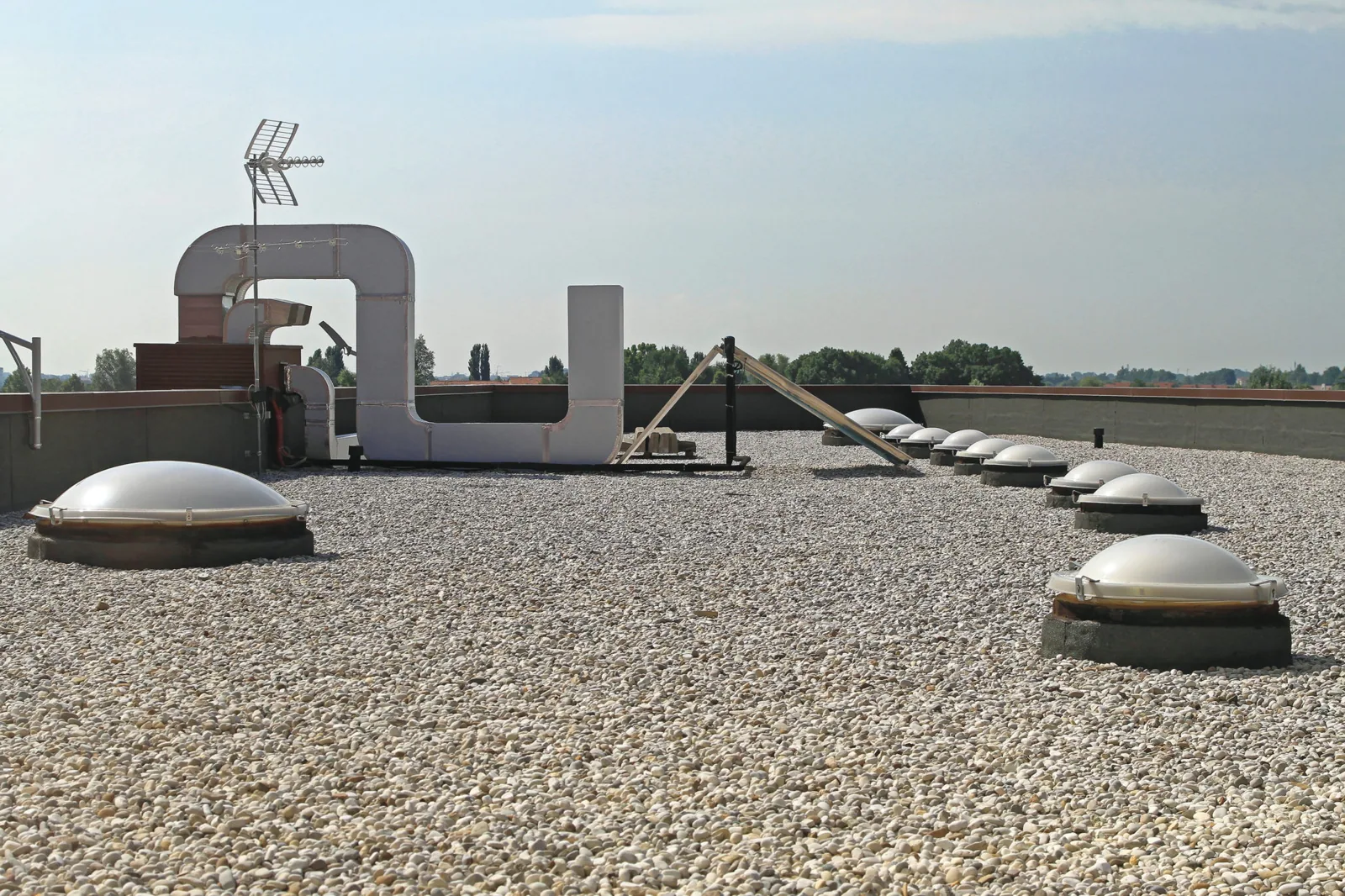
Which JM assembly does the paperwork describe?
Review the submittal, product data, approved assembly, and closeout record for membrane type, attachment, insulation, cover board, and detail references. TPO and PVC rely on heat-welded seams, while EPDM uses its specified seam and flashing materials. SBS and APP modified bitumen assemblies have their own ply configuration and application approach; built-up systems rely on multiple layers rather than a single sheet. A TPO roof and a modified-bitumen assembly cannot be treated as equivalent because both carry a JM label. Check whether the roof has later additions or repairs that differ from the original work. A visible sheet may identify the surfacing, but not the layers beneath it. If the documents do not align with the field, record the mismatch and identify what should be verified before a scope is priced. JM publishes system details and specifications for several assembly types; the approved project documents and actual roof remain the basis for the inspection. Insulation and cover-board records can clarify a system layer without implying the condition of concealed material.
Related Roofing Work
More commercial roofing work connected to Johns Manville Commercial Roofing in Columbia, MO.

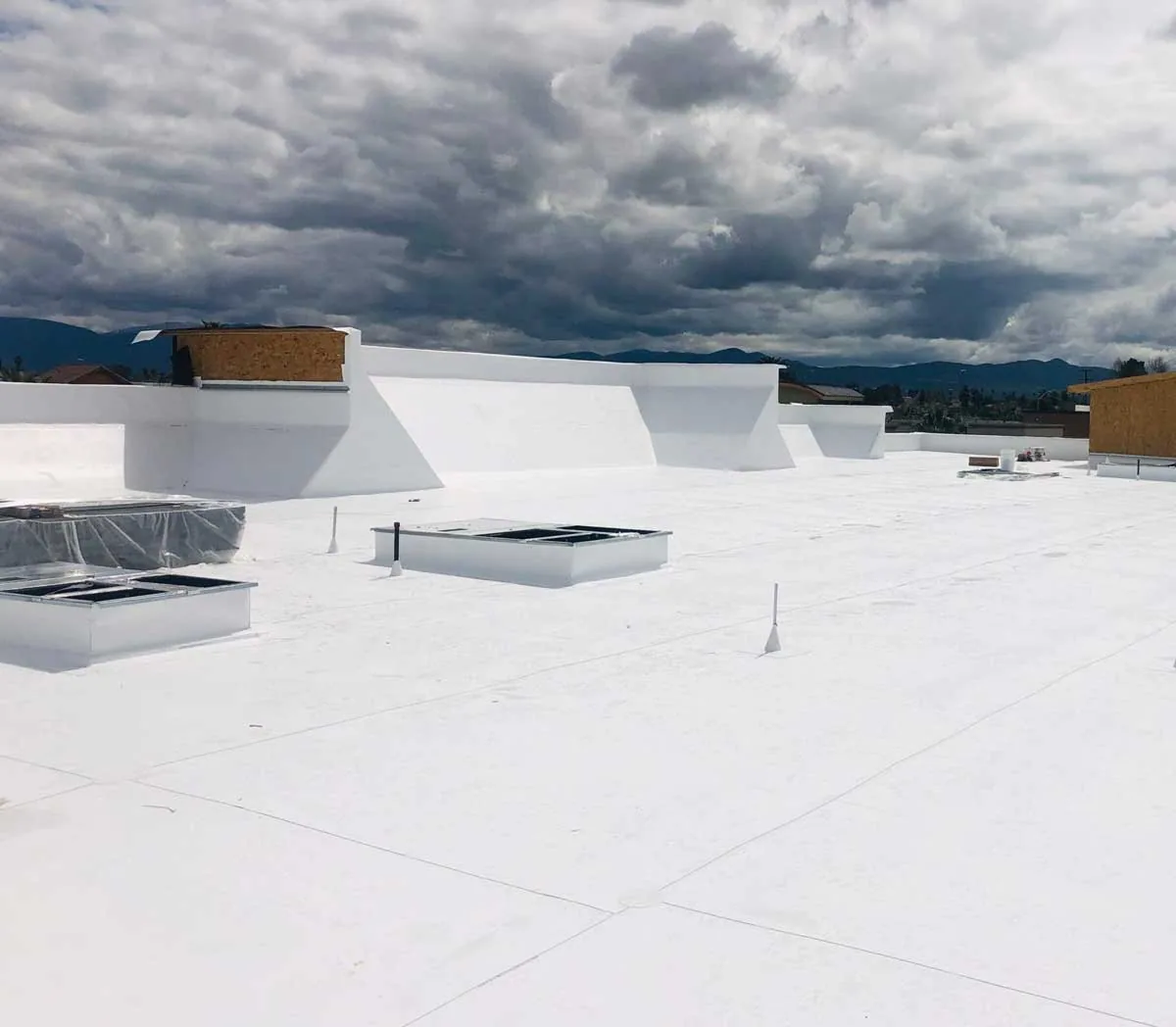
Which details can change the repair boundary?
On single-ply roofs, inspect field seams, patches, terminations, drains, curbs, and changes in plane. For asphaltic systems, look for open laps, blisters, surface deterioration, exposed reinforcement, and flashing that has separated from a wall or penetration. The report should distinguish a local defect from a repeated pattern and should note whether moisture or deck condition was confirmed. Columbia's wettest period is spring, when severe storms with hail or tornadoes are more likely. If an owner reports weather damage, photograph the observed condition and compare it with earlier records where available. A roof inspection maps the visible issue; a flashing review separates the transition detail from the surrounding field. East Columbia / East Area Plan is part of Columbia’s employment network, which includes manufacturing and institutional employers. Neither fact establishes what material is installed at a particular site. Use the address and roof-zone identifier to track each observation, especially when one owner has several properties or additions.
How should installation method affect the scope?
Determine whether the membrane is adhered, mechanically attached, or installed over an approved separation layer, and confirm how the edges and penetrations are detailed. On a bituminous roof, note ply count where it can be verified, surfacing, flashing method, and any areas where water or previous repairs have changed the surface. A repair should use materials compatible with the existing assembly and should identify substrate preparation before the new layer is applied. A defined repair can state whether it addresses one lap or a larger area; a restoration comparison is separate and depends on adhesion, moisture, and the existing surface. Columbia uses a 2024 commercial code set that includes building, existing-building, and energy provisions. Project review determines which requirements apply to a planned alteration. Keep that decision separate from a roof inspection, which records accessible conditions. If a project includes insulation replacement or altered drainage, the work record should show the layer and tie-in changes, not simply say that an approved JM system was installed.
When should the roof be checked again?
Choose the next check from the condition found, the work performed, and the exposure that can test it. A repair beside a drain should be reviewed after the outlet is used during rain; a seam correction can be reinspected after weather and thermal movement; an area with suspected moisture may need confirmation before it is closed. Columbia experiences recurring days at or below freezing in winter and has seasonal snow, followed by periods of high summer temperature. Those broad normals can guide timing, but do not substitute for an inspection date and actual roof evidence. A maintenance visit can recheck drains, transitions, and known repairs. At the University of Missouri, campus Facilities oversees utilities, maintenance, energy, project planning, construction, and space management; that responsibility does not imply any particular roof assembly or inspection practice at an individual building. Central City, Columbia helps identify the service market, while the inspected roof area and owner contact determine what can be checked. Add follow-up photographs to the original report rather than replacing the first set.
What should a JM roof file retain?
Keep approved submittals, assembly descriptions, product data, warranty papers, dated installation images, repair materials, and maintenance entries with the building record. Label documents by the roof area they cover and identify exclusions or later additions. If a report notes concealed moisture, retain the test result and the area opened; if an earlier patch remains in place, photograph it during the next inspection. A photo-backed report connects the current field observation with the recommended action, and a roof history register can retain that information across a portfolio. For product alternatives, Carlisle SynTec and SOPREMA assemblies can be evaluated against project-specific substrate, use, and design conditions. Those links do not make one material interchangeable with another. We can review available JM records, inspect accessible areas, and document confirmed conditions, unknowns, and a next check. A useful closeout file leaves the owner able to see what was installed, where the work ended, and which roof condition remains to be followed.
Spring brings Columbia’s wettest weather and the region’s most likely period for supercell storms with large hail and tornadoes. After a storm, keep roof observations tied to the JM assembly identified in the building records, not to a product name assumed from appearance. Photograph seams, flashings, penetrations, drains, and any impact or displacement before temporary protection changes them. If a test cut or moisture survey is used, mark the location and preserve the result with the roof plan. The closeout should state the system component repaired, preparation performed, material used, and remaining follow-up. When a repair proposal includes more than one roof section, separate the evidence and quantities by zone so the owner can compare the recommendation with the inspection record.
Commercial Roofing Questions
Does a JM product label tell us whether the roof is TPO or PVC?
It can identify a labeled component, but the full assembly may include other membranes, insulation, or later repairs. We compare labels with submittals and field evidence before naming the system.
Can an EPDM repair method be used on JM TPO?
No. The materials use different seam and patch procedures. We confirm the membrane and compatible detail materials before preparing the affected area.
How do you evaluate an older built-up JM roof?
We record visible surfacing, laps, blisters, flashing, drainage, and prior repairs, then note which concealed layers remain unknown. Testing or an opening may be needed before estimating the full scope.
Can the new work use a different manufacturer's membrane?
A system change can be considered after reviewing substrate, compatibility, attachment, transitions, design, and project requirements. The proposal should show how the new assembly ties into material that remains.