
Commercial Roofing for Property Management Companies in Columbia, MO
A tenant report that says "water near the window" gives a manager a starting point, not a repair scope. The roof visit needs to connect that room, date, and weather to a visible condition at the building, then record what remains uncertain. In Columbia, freeze-thaw winters, spring storms that can bring hail, and summer downpours put different details under review at different times. We inspect the roof areas tied to the report and separate active water entry from older stains, condensation, or a condition that needs testing. For a portfolio that includes properties near the I-70 Business Loop or office and light-industrial space at LeMone Industrial Park, each address still needs its own roof history. The local mix helps set context, but it does not show which membrane, drain, or flashing detail is present on a particular building. Our field record gives a property manager a usable repair boundary and a next check rather than a broad portfolio-wide assumption.
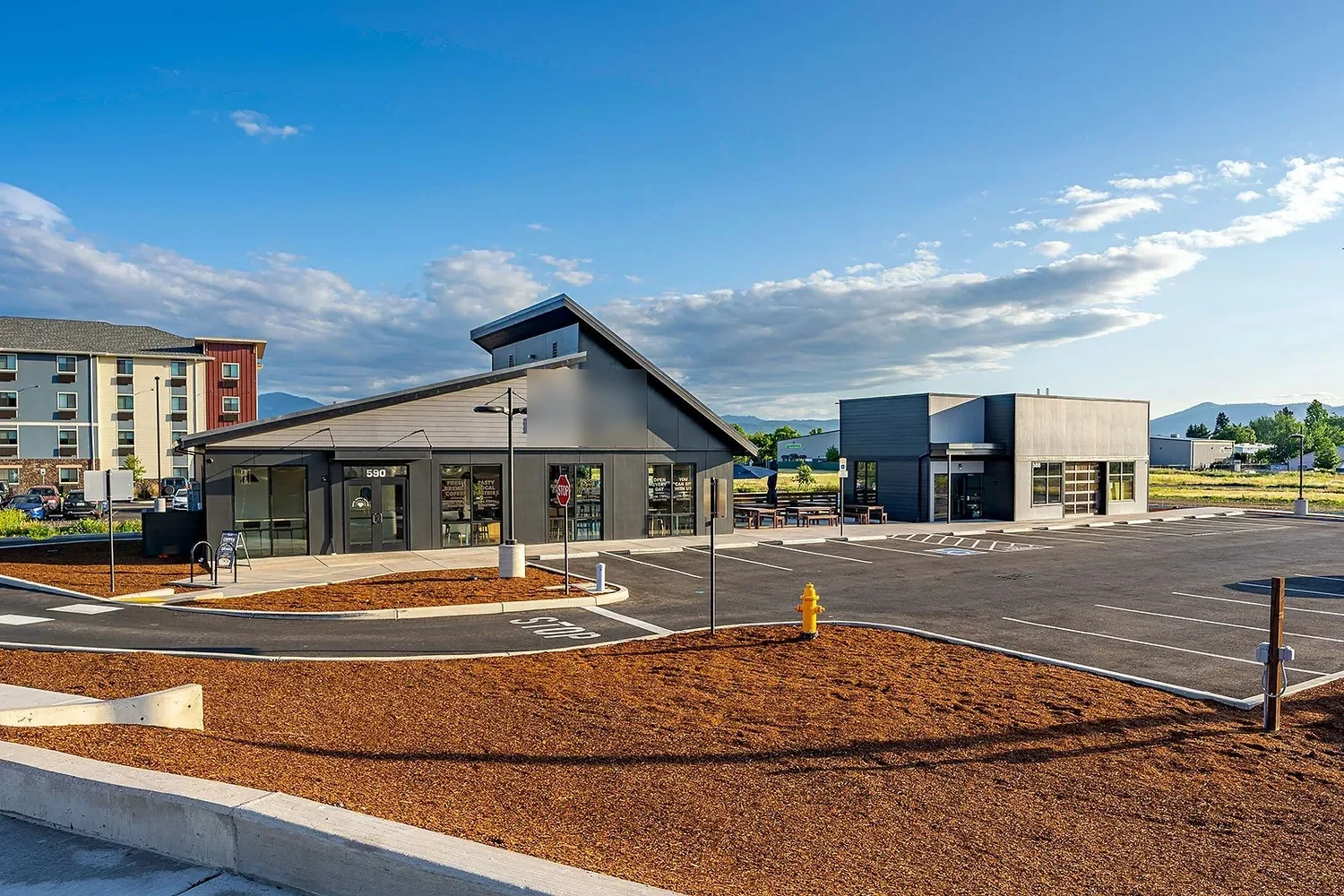
How do you compare a tenant report with the roof?
We begin with the unit, room, ceiling location, date, and any change the tenant noticed. A photograph of the ceiling is useful, but the roof inspection should trace nearby drains, seams, wall transitions, penetrations, and prior patches before assigning a cause. Water can move laterally through insulation or along a deck, so the visible interior point may not align with the exterior opening. We mark the roof location examined, show the path considered, and identify whether testing or a selective opening could change the recommendation. A commercial roof inspection records those observations; infrared moisture review may help focus further investigation when conditions support it. This distinction keeps a service ticket from turning into an unverified repair authorization. The follow-up entry should say who received the finding, whether temporary protection was installed, and which person can approve the next inspection. If the roof visit cannot reach a parapet, mechanical well, or screened area, the report should name that limit rather than implying the entire roof was viewed. Managers can then compare the unresolved item with tenant updates without confusing a ceiling complaint with a confirmed roof defect. For larger portfolios, investment-side roof reporting can preserve the same decision detail while serving a different ownership audience. If the interior is still wet, we can address immediate protection while the permanent scope is evaluated, then preserve the temporary measure and return date in the same file.
Related Roofing Work
More commercial roofing work connected to Property Management Companies in Columbia, MO.
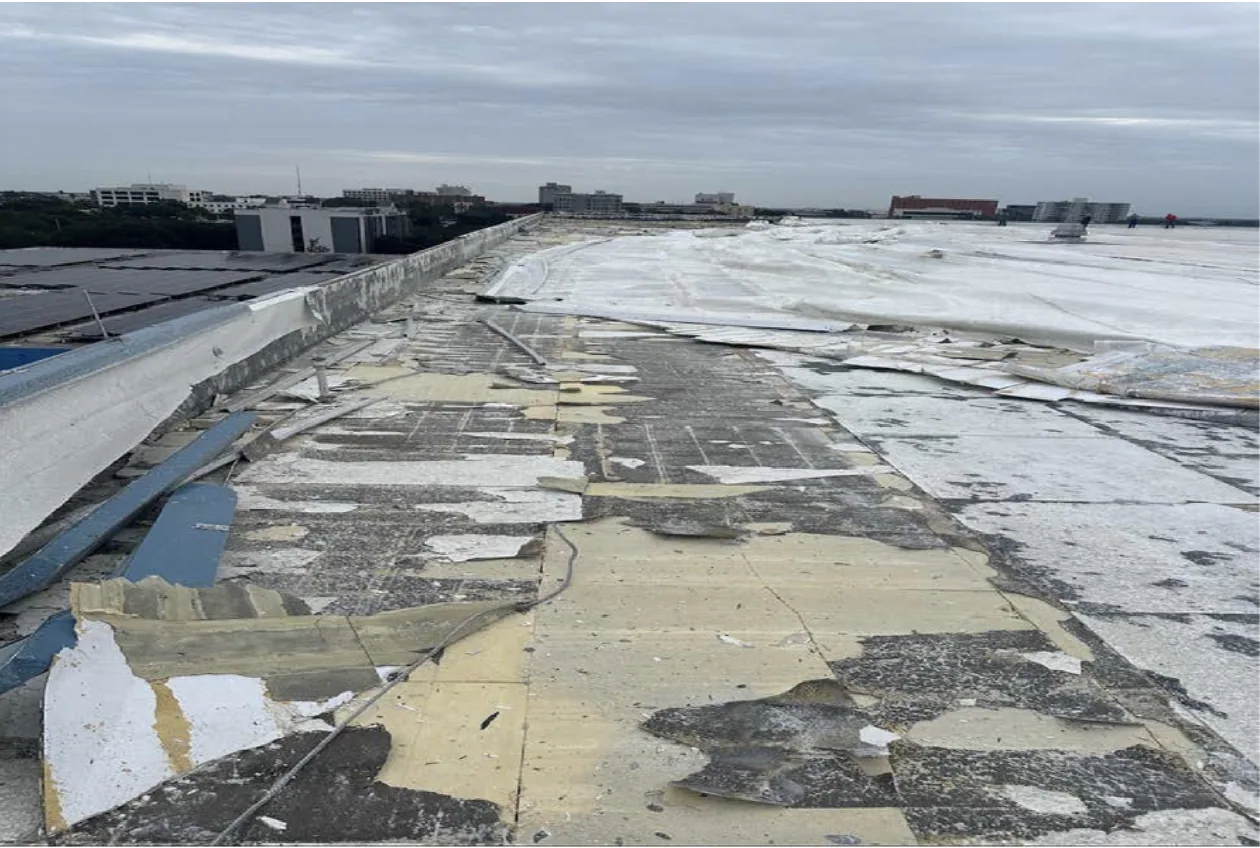
What belongs in a multi-building roof file?
Use a stable property name, roof-zone label, inspection date, and matching photo references for every visit. The record should state which areas were reached, the weather exposure being evaluated, observed conditions, and the limits of the inspection. A portfolio tracker can then sort urgent leaks, recurring repairs, deferred testing, and routine maintenance without suggesting that every roof shares the same assembly. Columbia's I-70 Business Loop study describes commercial and industrial activity between Stadium Boulevard and Eastland Circle; that corridor is a useful geographic label when organizing local assets, not a proxy for their roof condition. LeMone includes office and light-industrial uses, but a manager should confirm each property’s address and building details before assigning a roof history. A multi-site roof program can preserve common record fields while keeping the findings building-specific. A dated photo record also helps a new manager distinguish a recently completed patch from a recommendation that was never authorized. When a property has several tenants or separate wings, label each observation to the part of the roof it concerns and attach the matching interior report. A later visit can use that identifier to check whether water returned at the same transition or appeared at another detail. Healthcare portfolio records may also require service-by-service access notes, while a general office asset file can use a simpler tenant notice and staging record.
When does a repeat repair justify a broader comparison?
A single open seam or failed penetration can support a defined repair if nearby material is dry and secure. Similar leak reports at separate roof zones, recurring patches at one transition, or widespread moisture evidence may call for a comparison with recover or replacement work. We state what the repair includes, which adjacent conditions remain outside the boundary, and what could change after the roof is opened. A targeted repair scope should identify compatible materials, tie-ins, and closeout photographs. A replacement proposal should separately describe removal depth, assembly, drainage details, phasing, and handling of concealed conditions. Commercial alterations in Columbia are reviewed under adopted building, existing-building, and energy provisions; the permit documents identify which requirements apply to this scope. A manager can compare proposals more fairly when each one uses the same roof-zone map and identifies exclusions rather than relying on a single lump-sum description. If one bid includes wet-insulation replacement and another assumes the existing layers remain, place those assumptions side by side before reviewing price. Separate temporary protection from permanent work, and identify whether flashing, drains, curbs, or interior restoration are included. That comparison makes the decision file useful after the original tenant contact has changed.
How can work fit around tenants and staff?
Before mobilization, the building contact confirms occupied areas, loading routes, entrances, quiet periods, and any tenant notice requirements. We divide the roof into workable zones, identify where materials will be staged, and record a close-in point for each shift. If weather compresses the schedule, the daily Diligence Notes should say what was protected, what remains exposed, and when the next inspection is due. Columbia's spring rainfall and later-season wind exposure make those end-of-day details consequential, but a forecast does not establish a condition at the property. Occupied-building sequencing can set the work boundaries and communication points; emergency roof response can address an active opening while a permanent repair is scoped. After completion, we provide photos and note any deferred area so tenants, ownership, and the next manager are working from the same record.
Columbia sits at the crossroads of Interstate 70 and U.S. Highway 63, so a local portfolio can include buildings with very different access patterns and operating calendars. Keep each roof record tied to its own address, assembly, repair history, and tenant contact even when one manager handles several properties. When conditions change after a freeze, heavy rain, or wind event, compare the new photographs with the prior visit by roof section. A shared priority scale helps ownership review the list, but the repair boundary still comes from the evidence at each building. For the next work phase, identify the access window, occupied areas below, staging point, and person who can accept the weather-tight handoff. That gives maintenance staff a usable sequence without treating separate buildings as one system.
Commercial Roofing Questions
Can one inspection cover several properties in Columbia?
A coordinated visit can use one schedule, but each building needs its own observations, roof-zone labels, photographs, and repair boundary. We keep findings separate so a condition at one address is not carried into another property's record.
What should a property manager provide to target a leak inspection?
Send the property address, room or suite, date, ceiling location, access contact, and any prior repair record. Those details help us inspect the relevant roof area and note whether access limits leave a question unresolved.
How should a portfolio prioritize roof work?
Start with active water entry, exposed areas, and conditions that could damage occupied space, then compare the remaining items by scope and follow-up need. A dated report should distinguish urgent protection from planned repair and longer-range replacement.
Can tenants stay in place during reroofing?
The building contact identifies operating hours, routes, and areas that must remain available. We set roof zones and protection points around those instructions, then document the daily tie-in and any area whose access changes.