
Manufacturing Plant Roofing in Columbia, MO
Production-line leaks can affect controls or scheduled work before water reaches the floor. We map the reported concern to the roof area above it, record nearby penetrations and equipment, and identify what can be confirmed before the repair limit is set. Columbia’s employer base includes manufacturers such as 3M, Hubbell Power Systems, Kraft Heinz, Quaker Oats, Dana Light Axle Products, and Watlow. Centralia’s business and industrial area includes manufacturing activity north of Columbia, while Ewing Industrial Park contains mixed commercial and industrial-zoned lots in northeast Columbia. East Columbia / East Area Plan adds another Columbia employment location. These facts describe regional manufacturing activity, not the construction, roof condition, or processes at a particular facility. Each plant needs a direct review that accounts for its actual equipment, access rules, and production schedule.
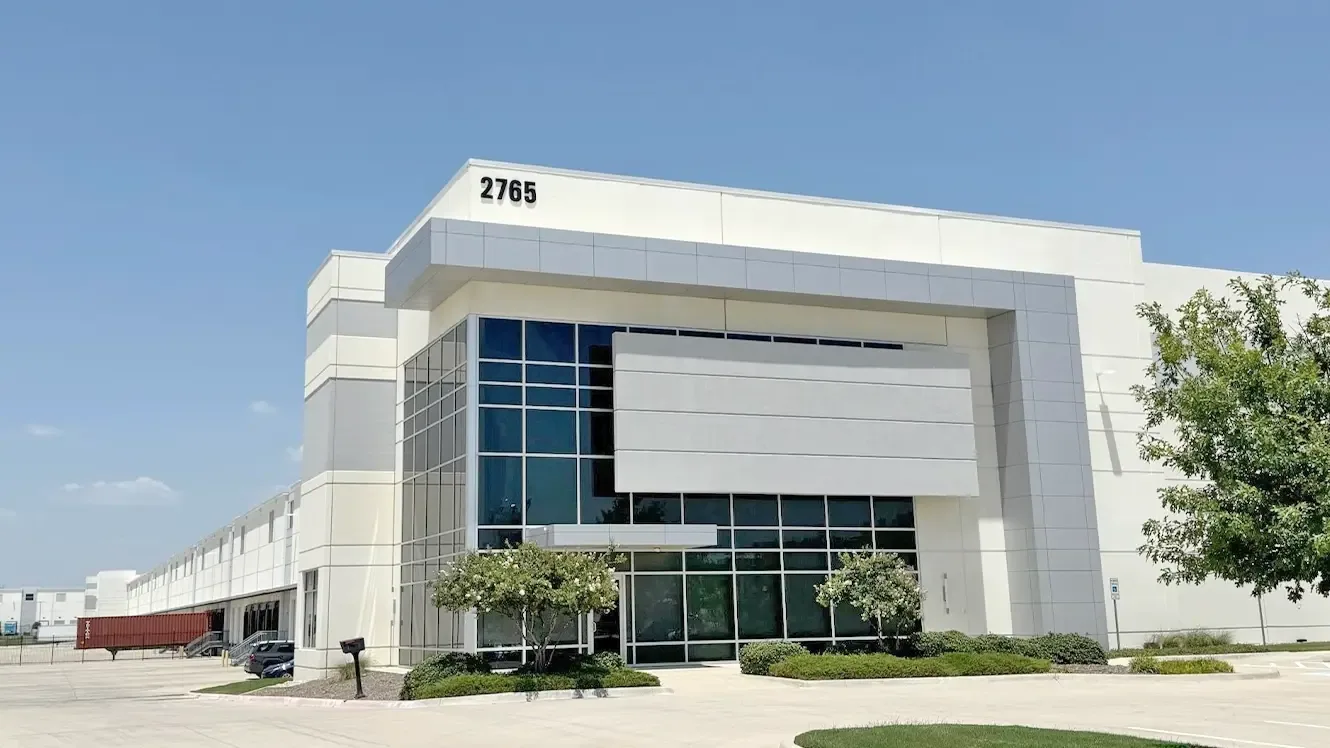
How should roof work relate to production?
A plant may run continuous shifts, scheduled batches, or areas that cannot be interrupted at the same time. The facility contact identifies process-sensitive rooms, equipment routes, ventilation intakes, and work hours that could conflict with tear-off, odors, noise, or roof access. We then divide the project into roof zones and show where material will be staged and where an open section will be closed each day. No production restriction should be inferred from a plant’s name or industry. We confirm it with the people who operate the building. A daily Diligence Notes records the completed work, any tie-in left for review, and changes approved after a production or weather update. Occupied-building reroof planning can coordinate roof phasing with the building’s active use. If an operation requires a shutdown or special protection, that point belongs in the sequence before crews remove the existing assembly.
Related Roofing Work
More commercial roofing work connected to Manufacturing Plant Roofing in Columbia, MO.
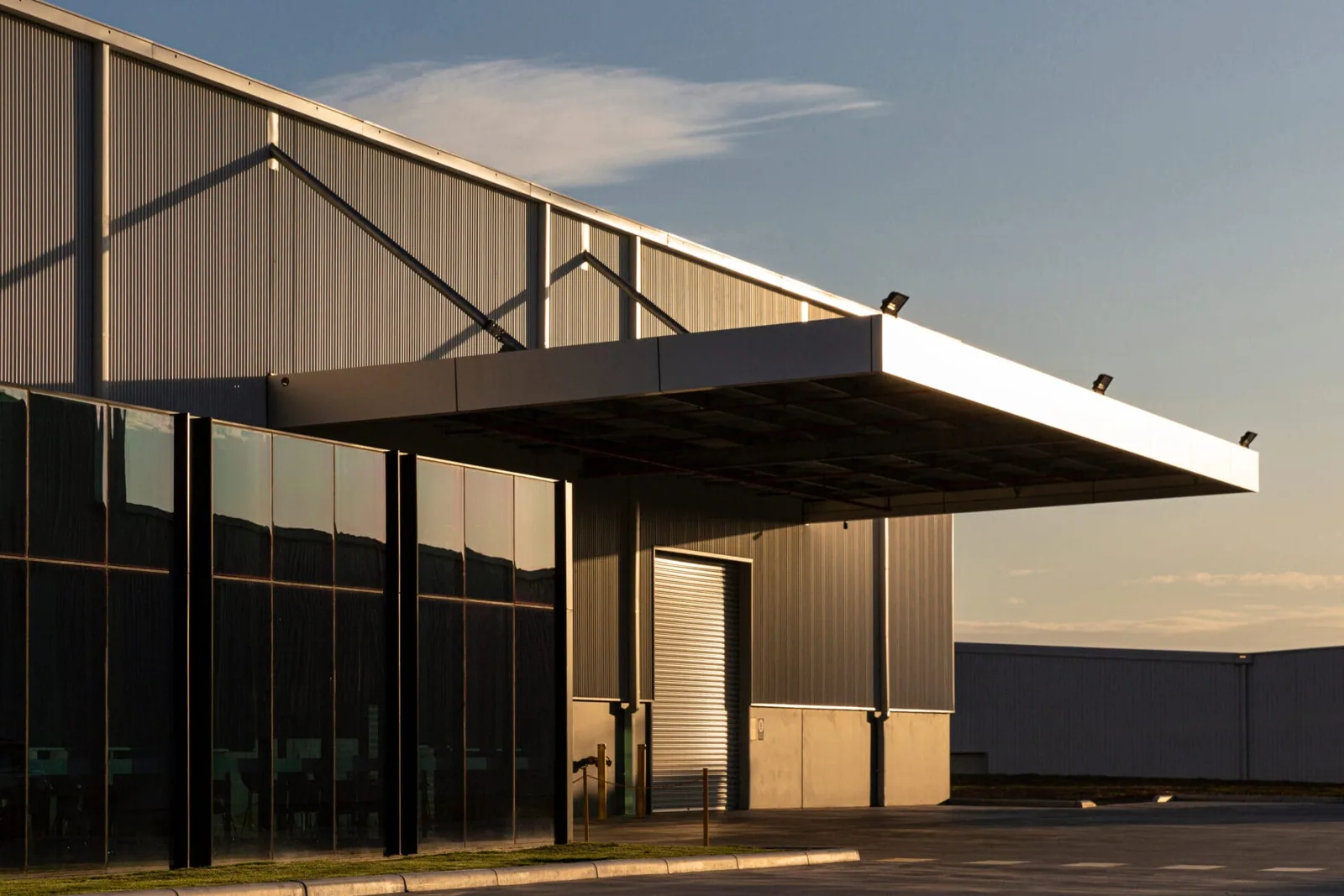
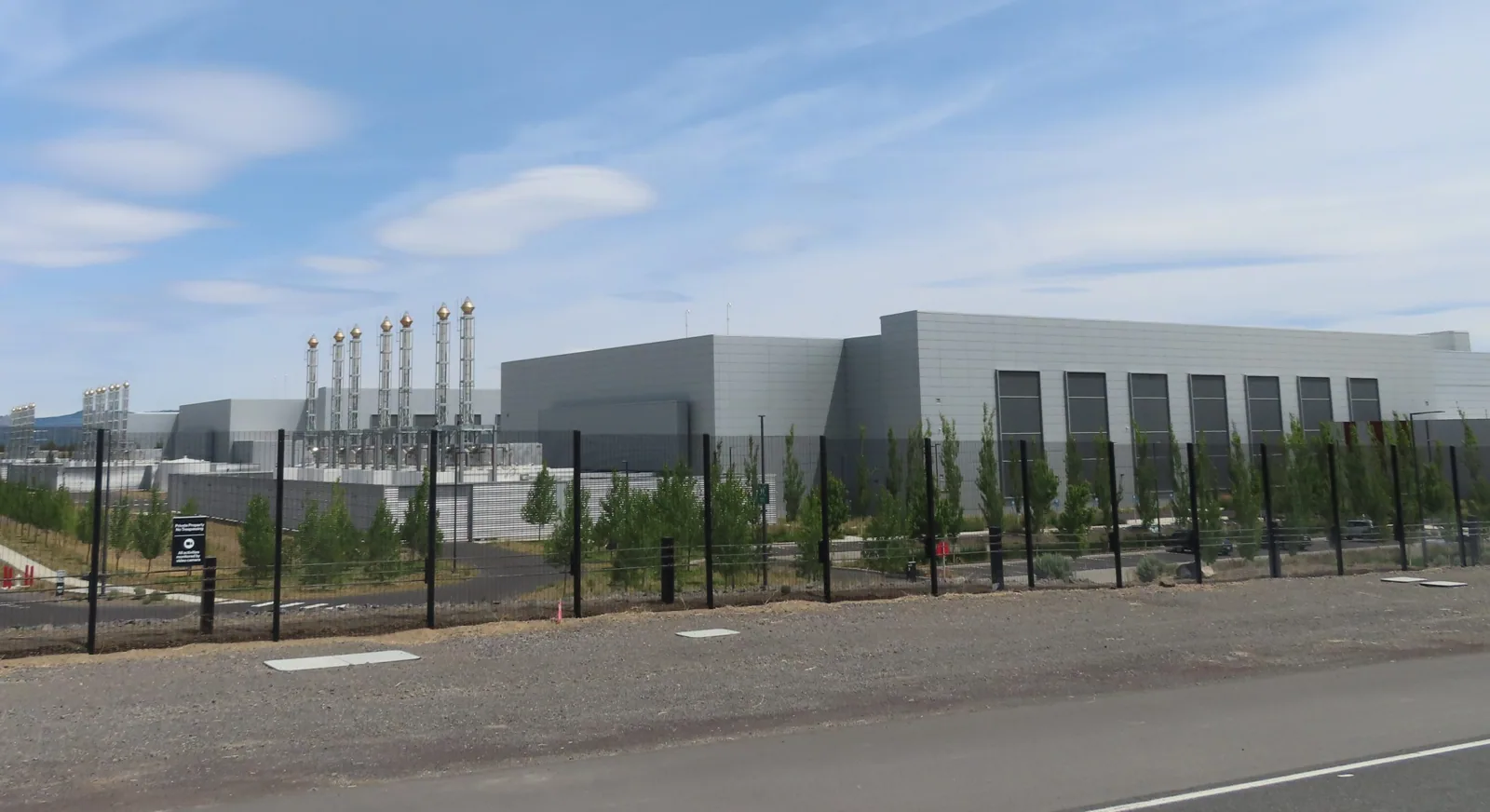
Which rooftop exposures need identification?
Exhaust discharge, process ventilation, grease, oils, vibration, heat, and chemical exposure can affect a roof detail, but the actual materials and locations must be identified at the facility. We review equipment curbs, pipe penetrations, support frames, intake and exhaust clearances, and previous patches. If a product or process may be incompatible with a membrane or coating, we record what is known and verify the system requirements before specifying a repair. We do not choose a coating based only on a stain or the building’s business category. Curb and equipment-support work can address the roof interface while the plant contact verifies the equipment schedule. A photograph should show the detail and its roof location, not disclose protected production information. That record helps distinguish damage from normal service conditions and gives the owner a clear list of details needing a closer assessment.
How can a repair boundary be set?
A ceiling drip over a production space gives the search a starting point, not a complete roof diagnosis. We trace toward seams, penetrations, drains, edge conditions, and prior repair areas. A wet insulation pocket may extend beyond the visible mark, while a roof opening can sit uphill or at a curb. If the result would change the work, testing or a controlled opening may be considered, with its location and closure documented. A roof inspection can map visible and confirmed conditions. Commercial roof repair can then be scoped to a defined assembly and work area. Columbia’s spring storms bring hail and tornado potential, and the later summer season brings localized heavy rain and damaging winds. Those weather patterns inform the inspection timing, but the repair decision comes from the material and moisture evidence on the plant’s roof.
When does the plant need a larger roof scope?
A localized repair may suit one failed penetration, split seam, or damaged flashing when the surrounding assembly remains dry and secure. Repeated trouble across separate production bays, broad moisture, or roof components that have reached different conditions may require a zone-by-zone plan. We compare repair, recover, and removal options using the assembly, deck, insulation, drainage, and operating restrictions documented at the site. Replacement planning can define a phased scope and the conditions that could change it after exposure. A warehouse section attached to the plant can present different loading and access needs; warehouse roofing considers those storage and inventory concerns. A plant that includes a controlled computing room may also need to compare its roof coordination with data-center roofing, where temperature control and continuity priorities can change the planning conversation. The proposal should identify what stays in service, where protection is needed below, and how a shift handoff will be handled. That level of detail lets the plant team compare options by operational effect as well as roof work.
What does a useful plant roof record include?
Keep a marked roof plan, photographs, material and detail information, repair locations, moisture findings, and dates with the facility’s maintenance file. Record which roof sections were accessed, which remained concealed, and where equipment service changed a detail after installation. For an assembly change, the permit review should be checked against Columbia’s adopted 2024 code editions for building, existing-building, and energy work. The relevant permit or review notes can be retained with the roof scope. For each completed zone, a closeout photo should show the restored seam, curb, or penetration and identify the adjacent area outside the work. A later inspection can compare that baseline with new observations after weather or equipment service. For a facility with several connected roof sections, each label should be consistent with the plant’s drawing or asset list. Note if a production unit, exhaust point, or support was moved during the project, because later crews need to know whether a photographed detail still occupies the same place. Record the person who accepted any field change and keep a copy of the relevant product detail. Those small distinctions can prevent a later service call from treating two different roof assemblies as if they were one system. Preventive maintenance can revisit known repair points without implying that an uninspected area received the same treatment.
Keep roof findings connected to the production area they affect, but do not treat an interior drip as proof that the opening sits directly above it. Record the path the evidence supports, the time water appeared, and whether production washdown, process vapor, or another interior source could be involved. If an assembly opening is needed, define its limits and the steps to restore weather protection before work begins. In Columbia, freeze-thaw movement and spring storm exposure make dated photographs valuable for distinguishing a new change from a condition already present at the prior inspection.
Commercial Roofing Questions
Can a plant keep running during roof replacement?
Phasing may let operations continue, but the sequence depends on the roof design, weather, production schedule, equipment, and protection needs below. We coordinate those limits with the facility contact and record each daily close-in area.
How do you protect process equipment beneath the roof?
The facility team identifies sensitive equipment and any required shutdown or covering. We map roof work above those areas, define the opening size and duration, and document the protection and tie-in before each shift ends.
Does a chemical or exhaust stain mean the roof membrane has failed?
A stain is an observation that needs context. We identify the source if the facility can confirm it, review the material compatibility, and inspect the membrane or flashing before defining a repair.
What information helps price a plant roof repair?
A roof plan, assembly history, photos, leak locations, equipment schedule, and access rules can help establish a preliminary scope. Concealed moisture or deck conditions may still require testing or a revised boundary.