
Commercial Roofing for Real Estate Investors and REITs in Columbia, MO
An acquisition review needs more than a roof-age line in a spreadsheet. It needs dated observations, a repair boundary, and a clear account of what still requires testing before ownership assigns capital. We map visible membrane wear, drainage, flashing, prior patches, and access limits to the roof area where each was found. Columbia’s District contains more than 300 individual properties, and the I-70 Business Loop serves established commercial and industrial activity. That is a varied market; the transaction file still needs evidence from the actual asset. We separate immediate repairs from investigation and longer-term planning so an investor can weigh each against occupancy, closing dates, and the intended hold period.
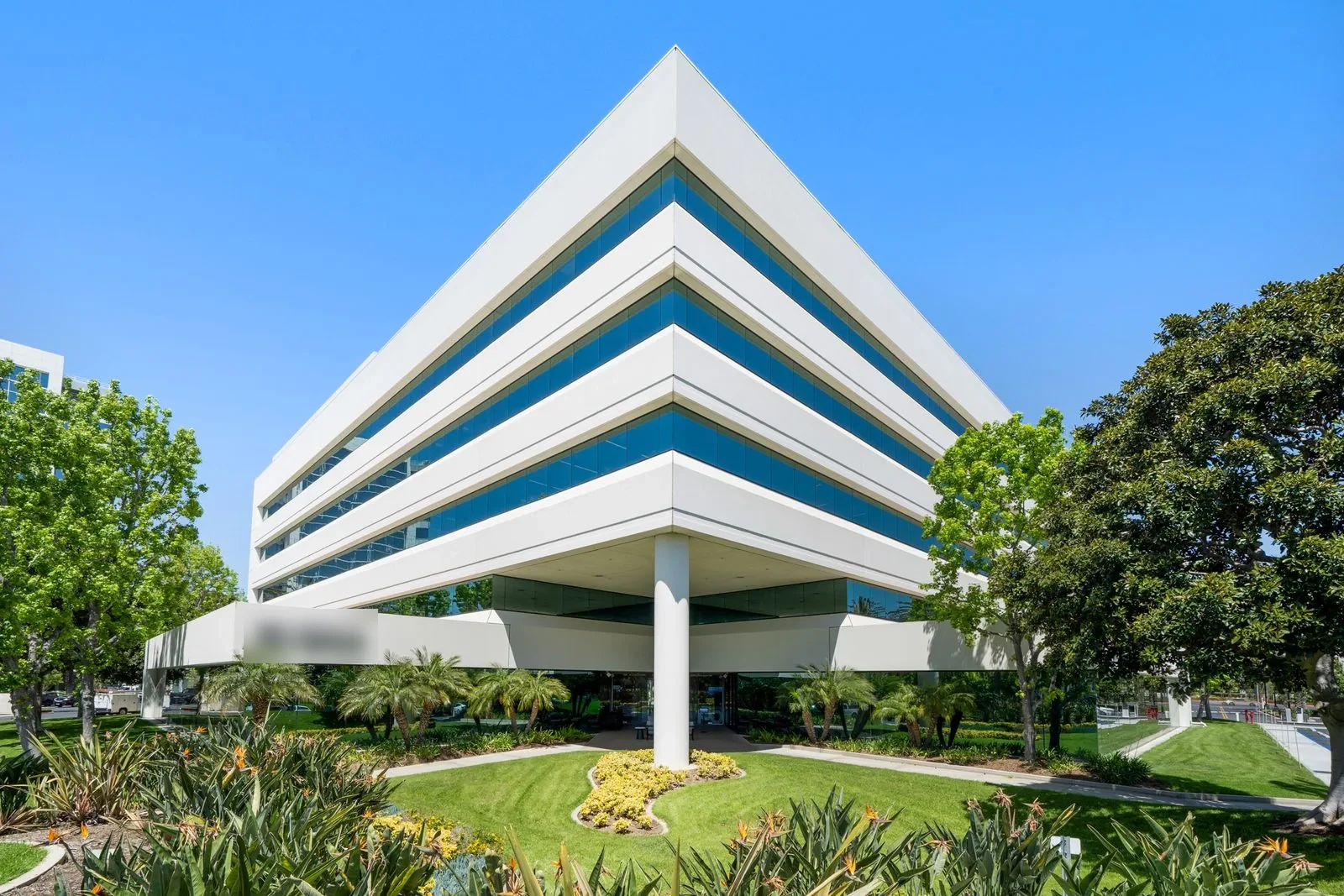
What can a roof survey establish before acquisition?
A survey can describe the conditions visible on the inspection date and identify areas where access or testing was limited. It cannot confirm every concealed layer without openings or other investigation. We review accessible roof fields, seams, perimeter details, penetrations, drains, and interior reports where available; photographs identify the location and direction of each view. If moisture readings or core samples would change the recommendation, we state the proposed test and the question it is meant to answer. Columbia's 2024 building-code package includes existing-building and energy provisions in commercial plan review, so a planned alteration should be evaluated against the project documents rather than assumed from the acquisition itself. A due-diligence roof survey can organize findings for transaction review. Use the property address, roof plan, and inspection photos to keep the survey tied to the asset being acquired. The survey then gives the transaction team a dated record of what was visible and what needs a test or return visit.
Related Roofing Work
More commercial roofing work connected to Real Estate Investors and REITs in Columbia, MO.
How should immediate work be separated from future capital?
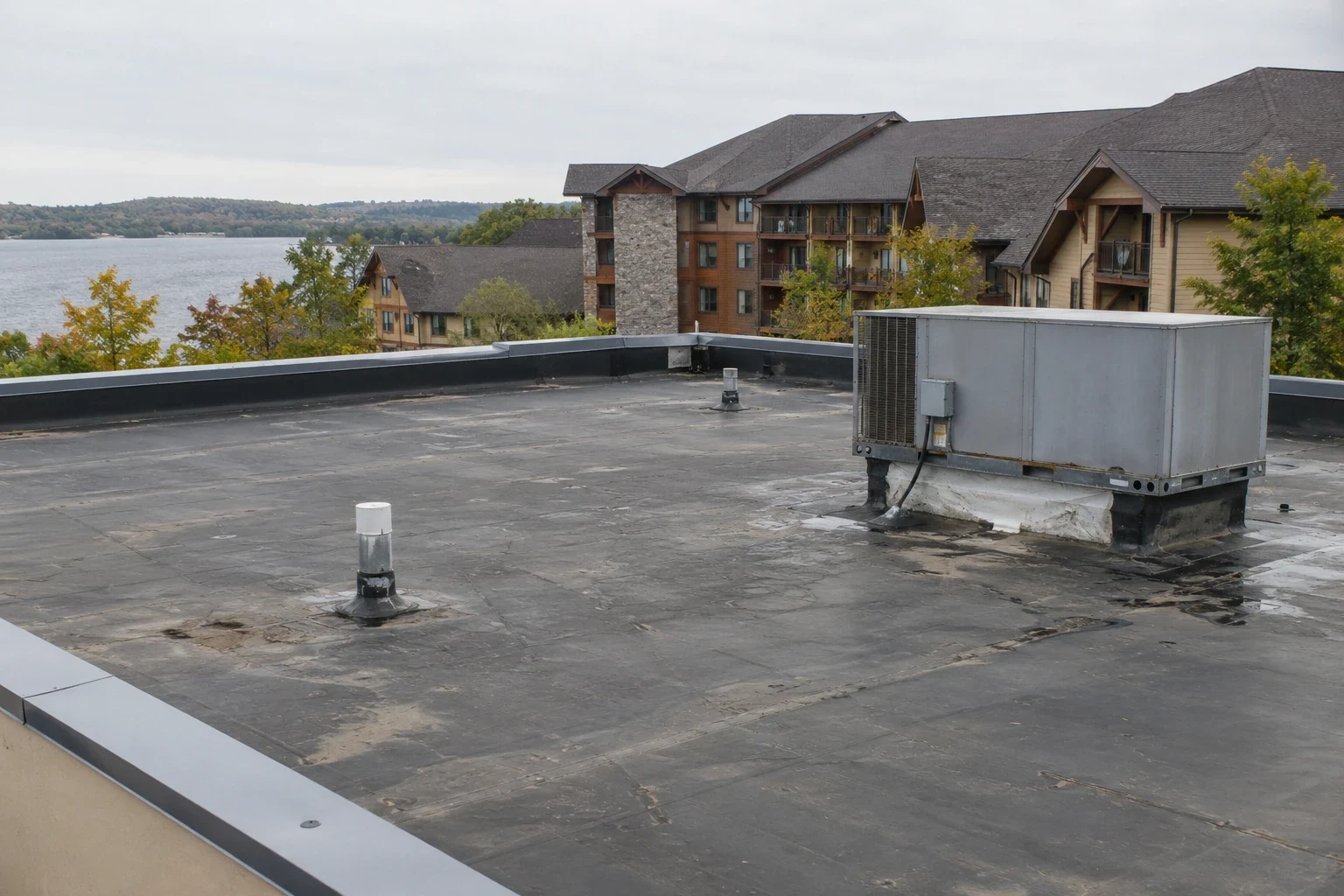
Put active water entry, exposed components, and conditions that could damage occupied space in a different category from longer-range deterioration. A local repair may be appropriate where the surrounding assembly is stable; widespread moisture, repeated failures, or aged details across separate zones may support a replacement comparison. We show the repair boundary and list the assumptions that could change after removal begins. A defined repair scope should include the affected area, tie-ins, and closeout evidence. A replacement option should say what layers are removed, what system is proposed, how drainage and edges are handled, and what protection is provided during construction. A capital table is strongest when every allowance points to an observation, quantity, or stated assumption. Keep untested areas visible as open questions so the acquisition team can decide whether to investigate before closing or carry the item into a future project.
Which records make buildings comparable?
Investors need a consistent set of fields without pretending the buildings are identical. Record the property identifier, inspection date, roof area or zone label, material when confirmed, observed condition, repair history supplied, access limit, and next action. Keep proposal assumptions beside the condition photos so a reviewer can see whether a budget includes removal, insulation, flashing, and temporary dry-in. Roof capital planning can rank work by risk and decision date, while condition reports keep observations separate from recommendations. At The District, city visitor information describes a mix of residences, shops, restaurants, galleries, and public venues; that variety illustrates why portfolio reporting must label each asset rather than infer its use from district context. A clear Downtown Columbia property record should identify the building inspected, not simply cite the district. When ownership changes, dated images and defined repair limits preserve the difference between work completed and work merely proposed. For a portfolio that includes active storefronts, medical uses, or campus-adjacent properties, the file should also note any access windows the owner confirms and any tenant communication completed before work. Those details affect sequencing, not the physical roof diagnosis. A manager can use property manager reporting to preserve the handoff across ownership contacts, while health-system asset records may require additional operational coordination. The building-level entry should carry the address, photographed area, repair boundary, and any open question forward until a later test or inspection resolves it. For underwriting, keep seller-provided repair history separate from conditions observed during the current visit. Note whether a proposal includes tear-off, replacement insulation, edge metal, drain work, and temporary dry-in; those items can change both the capital range and the time a tenant area is affected. If drawings are unavailable, list the field measurements used and label estimated quantities. The buyer can compare proposals on the same assumptions and revisit allowances when access or testing is available.
For a transaction review, identify whether the available record covers every building, roof section, and known addition. A visual survey can describe accessible conditions but cannot confirm concealed layers without testing. The report should separate immediate safety or water-entry concerns from items that need budgeting, further investigation, or monitoring after closing.
What can change a roof project's schedule or scope?
Hidden moisture, deck condition, weather, material lead time, access restrictions, and the number of tie-ins all influence the sequence. Columbia averages 34 summer days at or above 90 degrees, while winter brings recurring freezing conditions and seasonal snow; the crew must protect materials and close exposed areas based on the actual forecast and roof condition. After a spring storm, compare dated photos of the reported area and document any new opening, displaced edge, or change in moisture evidence. Keep temporary protection separate from permanent repair so the transaction file shows what work remains. Claim documentation can preserve photos and observations when a covered event is being evaluated. If occupancy continues, occupied-building phasing sets zones, staging, and daily close-in points. That dated record follows the asset through a change in ownership or property management, preserving completed work and the next decision in one file.
When comparing properties, use consistent labels for roof area, installation records, reported leaks, repair history, and inspection limits. Do not roll one building’s condition into a portfolio average. A decision memo can then show which assumptions are supported, where a new owner should verify access or records, and which scope is most likely to change after testing.
Columbia’s economy is driven in part by education, healthcare, technology, and research, so an investment portfolio may include buildings with very different operating demands. A roof comparison should keep those uses separate from condition scoring. First record the assembly, age only when documented, moisture evidence, drainage, and open repair items. Then identify which finding could change the capital decision, such as wet insulation, failed attachment, or a transition that cannot be restored locally. If access is limited or a test opening is needed, list that as an unresolved item rather than pricing a broader scope as settled. A decision file can show immediate protection, near-term repair, and longer-range replacement as separate choices, each tied to its roof section and the evidence still required.
Commercial Roofing Questions
Can a roof report support an acquisition reserve?
It can describe observed conditions and proposed next steps, but a reserve should reflect the scope and assumptions the owner accepts. We separate confirmed defects, likely work, and areas where testing or access is still needed.
How do you handle a roof with limited access?
The report names the inaccessible area, reason, and inspection limit. We identify whether alternate access, infrared review, or a selective opening could change the decision rather than treating the unseen area as clear.
Should a repeated patch be treated as a replacement trigger?
A repeat repair is a signal to compare the surrounding condition, not an automatic replacement decision. We map the prior patch, check adjacent seams and moisture evidence, and explain whether a larger scope is supported.
What belongs in a multi-property capital file?
Keep a dated roof-zone map, photographs, confirmed assembly details, repair records, proposed scope, exclusions, and the next review date for each address. Consistent fields make portfolio review easier while preserving building-specific findings.