
Commercial Roofing in Mexico, MO
A manufacturing leak in Mexico can interrupt equipment, inventory, or a process area before the roof source is known. We start by locating the reported condition, confirming which building contact can authorize access, and tracing the roof zone that may connect to it. Mexico’s business base includes firms in manufacturing, logistics, healthcare, retail, and agribusiness, with rail service supporting the industrial park and eastern-city sites. That mix of operations makes site access and continuity relevant; the visit plan should identify the process area, receiving route, and person who can release the roof zone. We identify the installed assembly in the field and document its seams, curbs, drains, penetrations, and edge details before recommending work.
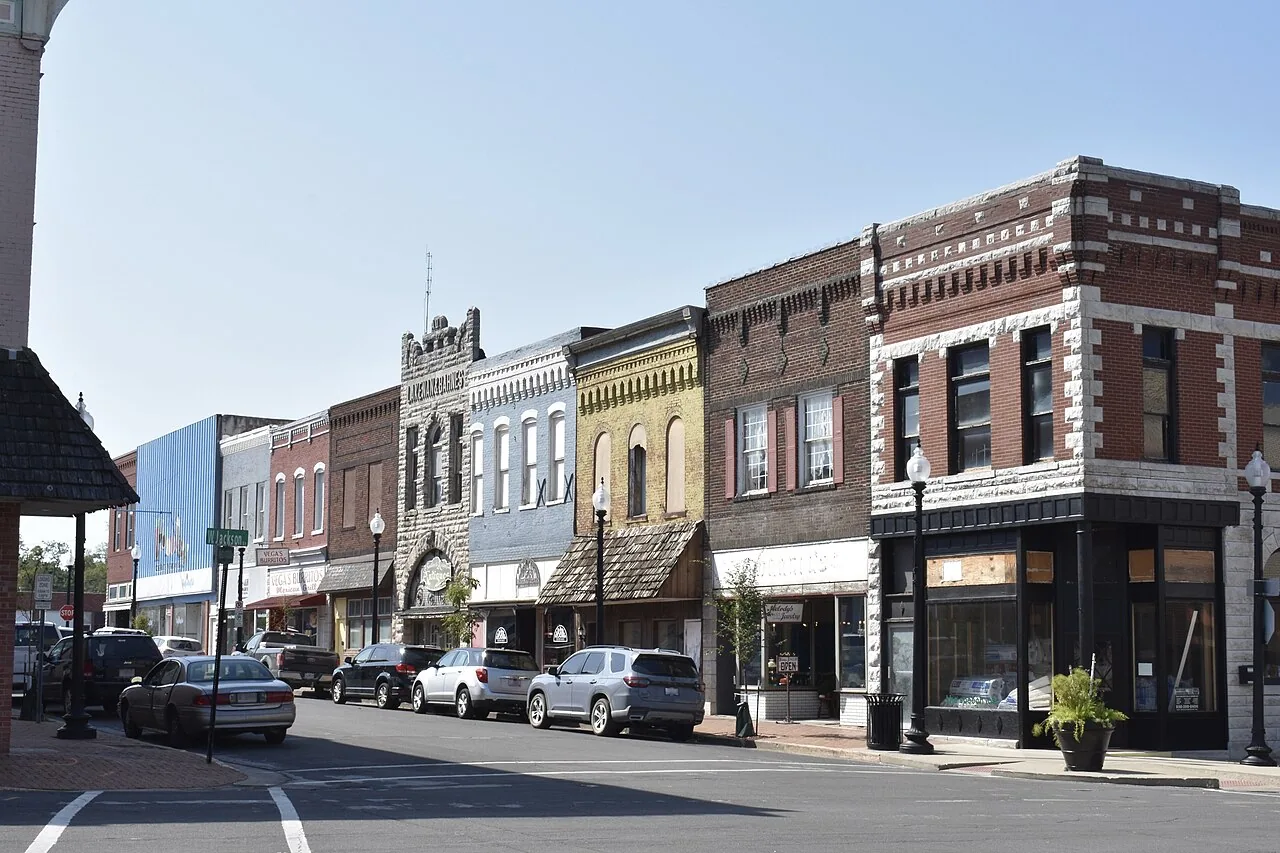
What should the facility contact share before the visit?
Provide the building or process area, interior symptom, date noticed, any production or delivery window that cannot move, and a contact with roof-access authority. Mexico’s business environment includes rail service to the Mexico Industrial Park and industrial sites in the eastern city, so an operator may need to coordinate an inspection around active receiving or equipment use. Before arrival, the facility contact confirms receiving traffic, equipment paths, roof access, and the work restrictions that apply that day. A clear path to the hatch, escort requirements, lift location, and protected area below should be settled before work begins.
The city’s Community Development Department includes planning and zoning, code enforcement, and building and grounds maintenance, while supporting economic and industrial development. For a roof alteration, keep permits, plans, and the roofing scope together so the owner can confirm that each document covers the same building and work area. A commercial roof inspection maps the access route, roof section, visible defects, and any area not reached. The owner then has a location reference that facilities, operations, and a later repair crew can use without relying on an interior description alone.
Related Roofing Work
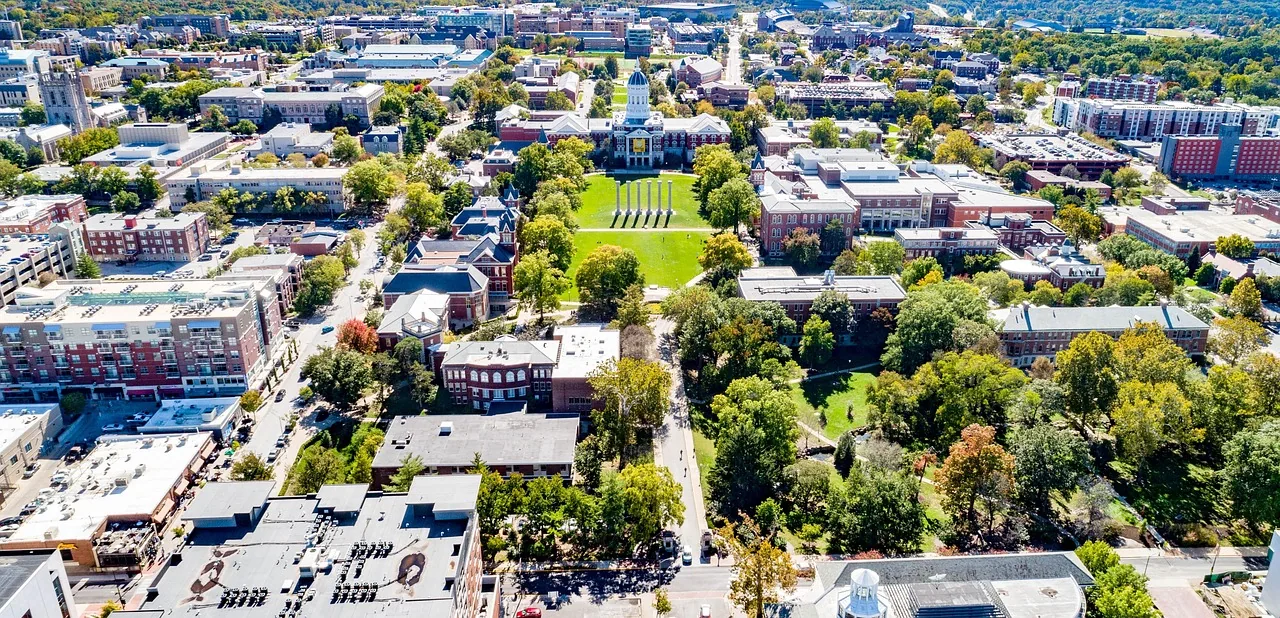
More commercial roofing work connected to Mexico in Columbia, MO.
How do we separate a visible stain from the roof failure?
We compare the interior location with the nearest roof seams, curbs, penetrations, walls, drains, and previous repairs. Water can move sideways before appearing below, while a surface mark may have no connection to the reported leak. The inspection records both the observed defect and the surrounding details that could redirect water. A close photograph should show the seam or flashing condition; a wider view should place it in a roof zone that can be revisited. If machinery or stored materials restrict access, the report marks the uninspected area rather than treating it as clear.
Where the extent of moisture could change the repair boundary, infrared moisture mapping may help identify areas for confirmation. A dated condition report distinguishes a measured pattern from a confirmed wet layer and names the next check. That could be a core sample, controlled opening, or targeted return visit depending on what the result would change. A facility can then compare a repair limited to the visible failure with a larger scope supported by additional evidence.
Which seasonal changes should prompt a roof recheck?
Spring is Columbia’s wettest season and carries the strongest chance of severe thunderstorms with hail or tornadoes. Summer heat can coincide with heavy local downpours, while later-season storms bring a different wind concern. Snow and freeze-thaw movement add cold-weather stress to laps, edges, and drainage details. Use Columbia’s seasonal storm pattern to time checks in Mexico. After a reported event, compare dated photos of accessible roof zones and record what changed before setting the repair boundary.
A production roof can require a staged visit so a crew does not cross an operating route or expose an equipment area without approval. A hail assessment looks for functional damage to the membrane, flashing, or metal detail; a drainage review checks whether outlets and low areas move water as intended. If a weather window closes before the review is complete, record what remains and set a safe return point. The decision file should tie each proposed repair to a photographed roof condition and identify any area that still needs testing.
What makes a repair scope workable for an operating facility?
The scope begins with a bounded defect, sound tie-in material, and a safe route for people and equipment below. We identify the preparation, membrane or metal work, penetrations included, and any adjacent conditions that remain outside the repair. When leaks recur or several separated details fail, testing may clarify whether the repair should extend further. Compare localized work with coating, recover, or replacement after checking drainage, substrate, insulation, attachment, perimeter metal, and the service potential of the full assembly. Timing and cost reflect access, staging, material lead time, weather, and the result of any authorized opening.
Mexico’s Community Development Department handles planning, zoning, code enforcement, building and grounds maintenance, and coordination with economic and industrial development. For an owner, that municipal framework makes it useful to keep permit questions, roof access, and any repair scope in the right project record. For work in a facility with active production or freight movement, phased reroof planning can set work zones, daily close-in checks, and routes that remain open. If discovery changes the boundary, we pause, photograph it, and provide the owner a revised choice before adding the work.
What should a manager preserve for a future roof decision?
Keep the date, roof-zone map, photographs, observed condition, repair boundary, materials, exclusions, and next check together. Roof history tracking lets a manager compare changes across seasons without merging conditions from separate facilities. For properties operating across Boonville and Jefferson City, each roof needs its own access contact and evidence record. The photo set should show what the crew reached, what was completed, and where a follow-up remains necessary. That keeps an old work order from being mistaken for proof that a later report has the same cause.
At closeout, record whether operations below were protected, which paths reopened, and whether any temporary stabilization still needs monitoring. If the owner defers broader renewal, document the current measure and the event or date that should bring the roof back for review. A future facility manager can compare the same seam, drain, or equipment curb against the earlier condition and see what changed. The decision then follows the building’s roof history rather than a general description of the market or the age of another facility.
Rail-served industrial activity and newer development sites make clear handoffs useful when a property has operations, maintenance, and ownership staff involved. The service contact identifies who receives photographs and who can authorize a change if the roof opening reveals additional damage. We record the affected roof zone, the work completed, any material left in place, and what condition should trigger another visit. A production interruption may require temporary protection before the full repair is ready, but that measure should have a defined limit and review date. Separating stabilization from permanent work helps the facility decide whether an immediate return or a wider capital plan is warranted.
Commercial Roofing Questions
Does a production interruption prove the roof is leaking?
It identifies an operating concern, not the cause. We connect the interior report to roof details, document the path that can be inspected, and identify any test needed before assigning a repair.
Can the inspection be scheduled around receiving?
Yes. The facility contact sets the permitted roof route, delivery windows, lift or staging point, and any area that must remain clear. The crew works within those limits and documents the daily close-in.
Does proximity to the industrial park identify the roof system?
No. Mexico has manufacturing and logistics sites, but a citywide business fact does not show what membrane or metal covers a specific property. We identify the assembly from field details or building records.
What if testing finds moisture beyond the visible leak?
We map the tested area, describe the result, and show how it changes the repair boundary. The owner receives a revised scope before concealed conditions are added to the permanent work.