
Commercial Roof Asset Management in Columbia, MO
Portfolio decisions slow when one roof has a repair file and another has only an unlocated leak note. We start by recording each roof area, visible condition, known assembly, repair history, and the date of the observation. Columbia's freeze-thaw winters, snowy periods, wet spring storms, summer heat, and localized heavy rain create different inspection questions through the year; none of those exposures proves damage at a particular property. At the University of Missouri Campus, Facilities manages maintenance, utilities, energy, construction, project planning, and space management across a varied physical campus. LeMone Industrial Park includes office and light-industrial uses. These settings call for separate records, not assumptions about roof type. A useful asset file makes the next decision traceable to what was actually seen.
What belongs in the roof inventory?
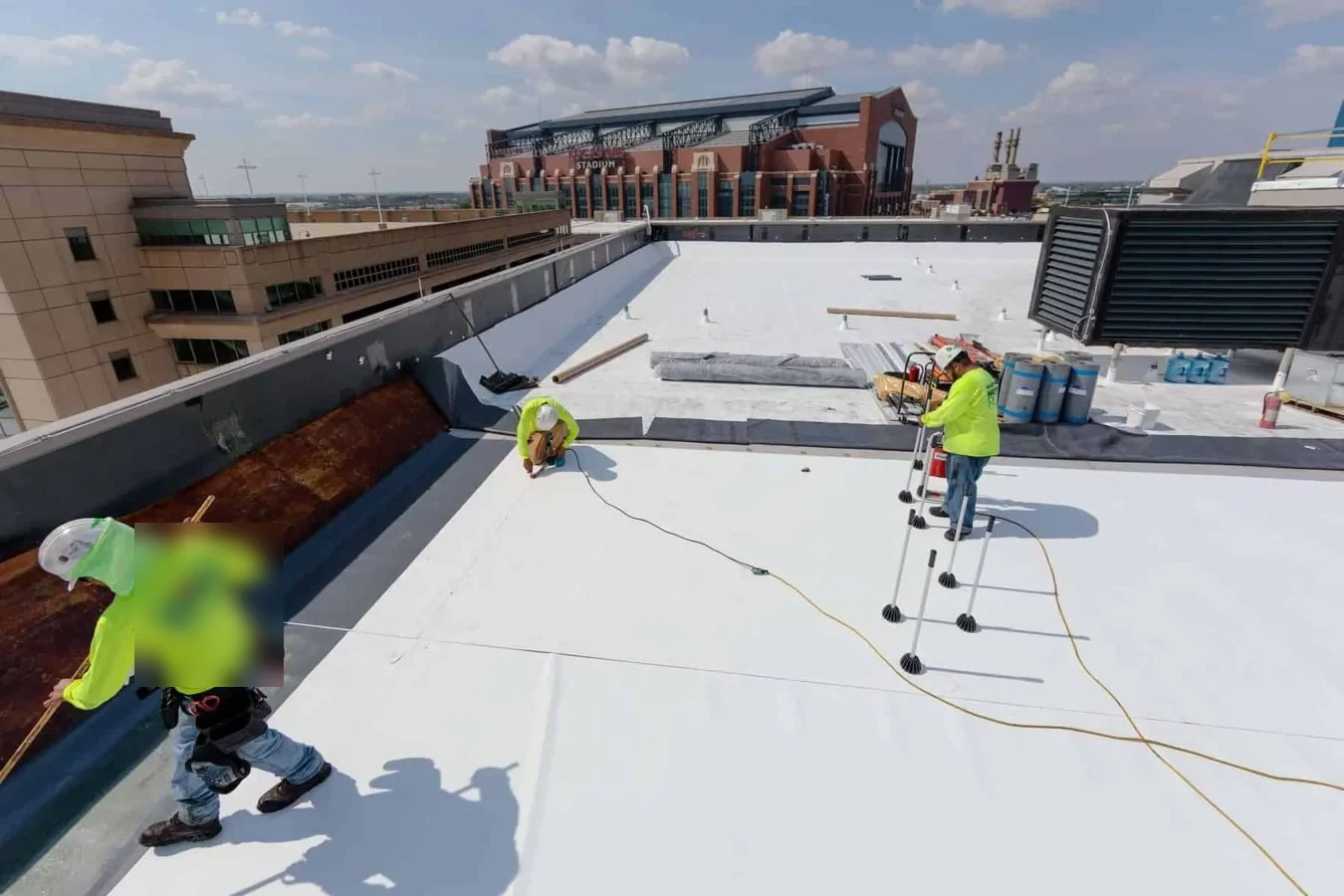
Begin with a building identifier the owner already uses, then divide the roof into practical zones such as a wing, addition, lower roof, or equipment area. Record the system only when it can be identified, plus visible edge conditions, drains, penetrations, access limitations, and any areas that could not be inspected. A roof plan is helpful, but a marked aerial or field sketch can preserve location when drawings are old or incomplete. A photo-supported condition report gives each observation a place in that inventory, with date, image, and repair boundary. Keep unknown items labeled as unknown instead of filling a blank with a guess. That distinction matters when a property changes hands, staff, or contractors. A record that separates verified details from unresolved questions can still support action: schedule a closer look, locate an old invoice, or confirm the roof assembly before comparing proposals. Columbia adopted its 2024 commercial code set, with building, existing-building, and energy provisions in the plan-review framework. The inventory should preserve project approvals and roof records without turning a general code note into a statement that every existing roof complies. The property and the planned work determine what review applies.
Related Roofing Work
More commercial roofing work connected to Commercial Roof Asset Management in Columbia, MO.
How should seasonal exposure shape follow-up?
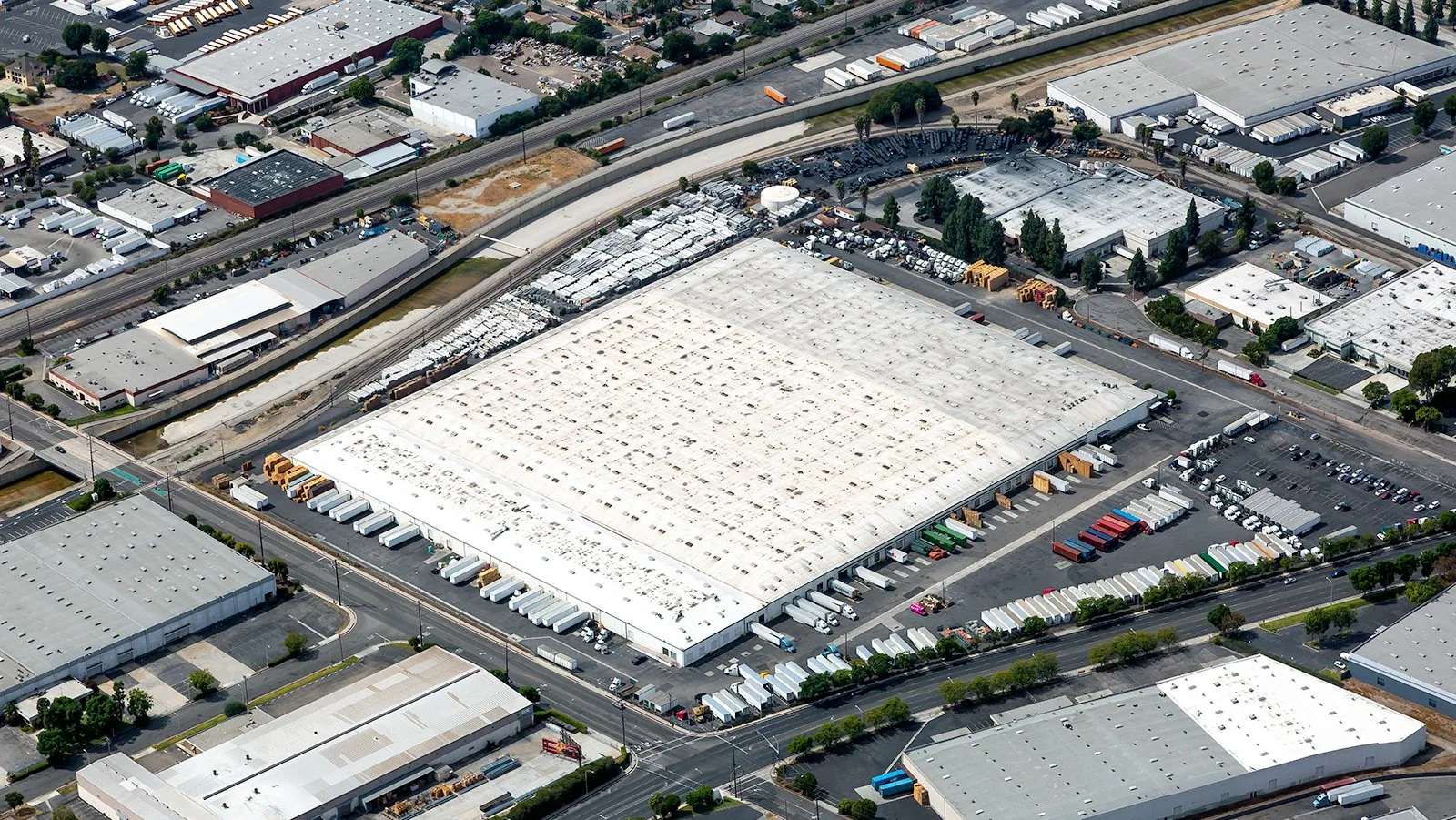
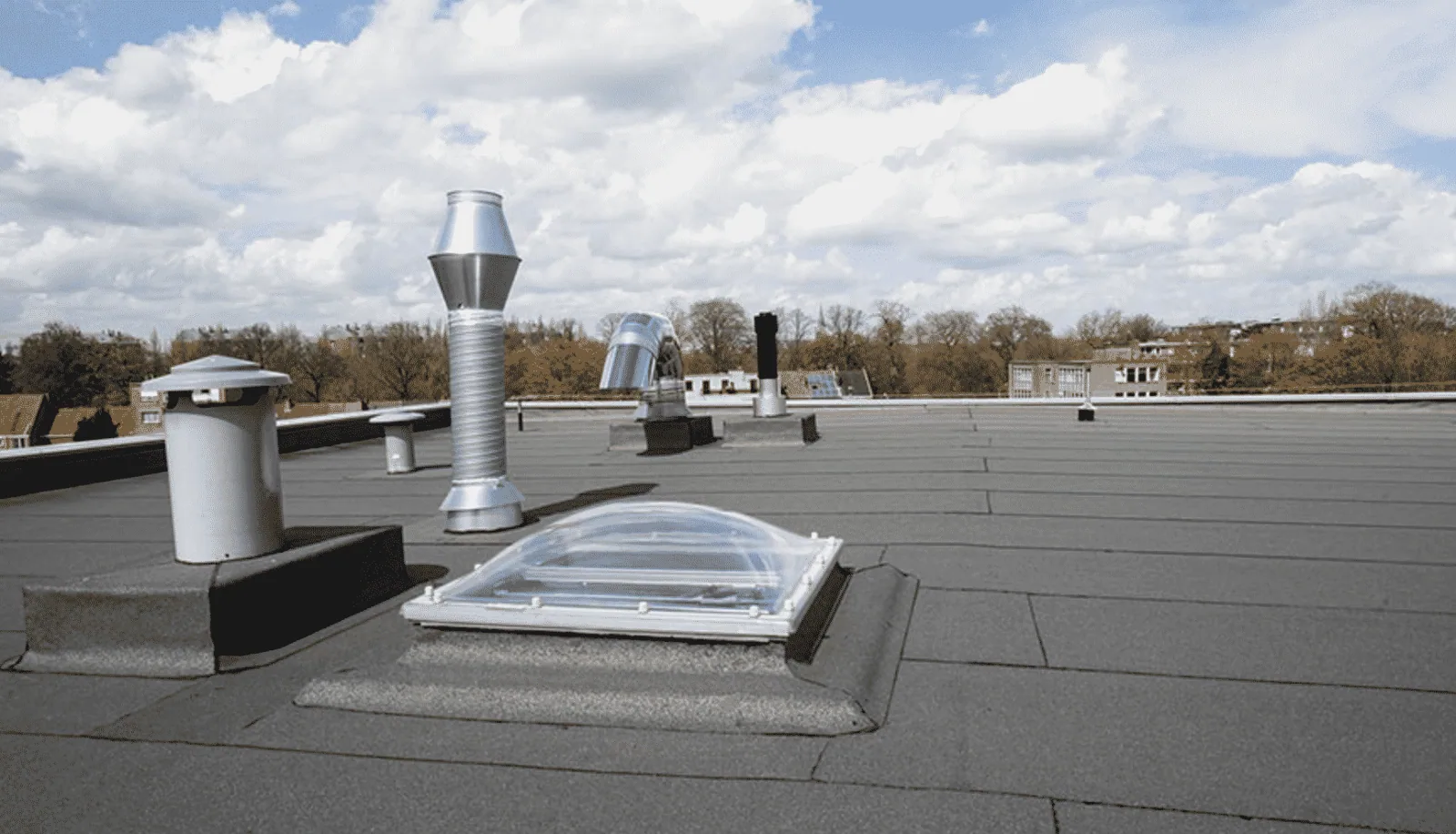
A typical Columbia summer reaches 90 degrees on 34 days, while highs of 100 occur on two days under the 1991 to 2020 normals. Spring is the wettest season and is more likely to bring severe storms with large hail or tornadoes; localized downpours and later-season damaging winds create separate checks. We use those patterns to time observations, not to label a roof damaged without evidence. After a reported storm, a dated walk can compare perimeter metal, membrane seams, rooftop penetrations, and drainage points with the last photo record. During a routine visit, the same locations can show whether a patch remains sound or a moisture path has changed. The I-70 Business Loop spans a Columbia corridor with commercial, industrial, and institutional activity, while East Columbia / East Area Plan is a separate employment area near the I-70 and U.S. 63 network. Their setting does not identify a building's exposure or condition; the address, roof layout, and field evidence do. Where hail is suspected, record impact marks and distinguish them from ordinary surface wear. For wind reports, photograph edges and transitions rather than relying on an interior ceiling mark alone. The file should say what changed, what stayed consistent, and which area needs another look.
Can maintenance history change the next scope?
Yes, when the file connects each repair to a marked location, material, date, and follow-up result. A recurring leak near the same penetration may call for a different investigation than separate leaks on different roof areas. A roof with several coating applications needs a record of preparation and material compatibility before another restoration is considered. We compare invoices, warranty papers, inspection photographs, and current Diligence Notes, then flag missing records that could affect the recommendation. Scheduled maintenance can preserve outlet and detail observations between larger projects, and a hands-on roof inspection can establish a current baseline. Keep the inspection scope and inaccessible areas in the record so a future reader does not mistake a partial view for a complete assessment. The University of Missouri's campus inventory lists varied facilities, including a power plant, student center, residence halls, garages, and research buildings. That range reinforces why a portfolio record should be organized by actual building and roof zone rather than one generic campus label. A single employer or campus name cannot establish how many roofs exist, which systems are installed, or when a roof was last replaced. We record the evidence for each asset separately, then group only where the owner can support that grouping.
How does the record support spending decisions?
A roof list becomes useful when it shows both the observed condition and the consequence of waiting. We note active openings, wet insulation evidence, loose or displaced details, recurring drainage concerns, and repairs that should be checked after the next weather event. We also separate immediate water-control work from a larger replacement or design question. Capital planning can compare those scopes by timing and risk without presenting an unsupported service-life prediction. When a property has limited records, the next cost may be investigation rather than construction. Columbia's major employment base includes education, healthcare, technology, research, and manufacturing, so an owner may manage buildings with different occupants and operating constraints. The District alone contains a mix of businesses, residences, nonprofits, and public entities across its downtown blocks. Such context does not tell us the condition of any particular roof; it makes precise asset identification more important. A property in The District should still have its own access notes and roof-zone map. Keep estimates, approved scopes, completion photos, and unresolved observations together. Then a later reviewer can see whether the recommended work addressed the original condition and whether another inspection is due, instead of rebuilding the decision from scattered email.
What makes the portfolio record dependable?
Use consistent fields, but preserve the differences that matter. Each entry should identify the observer, date, weather context when relevant, roof area, observed condition, photographs, recommended action, and next check. A repair record should also note the material, preparation, boundary, and any limitation that remained after the work. Warranty tracking belongs with the asset file when coverage documents apply, and a multi-site program can set a shared review cadence without making every property's scope identical. If the roof is being considered as part of a purchase or refinance, retain the inspection record alongside the transaction's other property documents. Keep original images when possible, since compressed screenshots can hide seam, flashing, or surface details. When an observation changes, add a new dated entry rather than silently replacing the earlier note. That history helps explain whether an area worsened, stayed stable, or was repaired. We can review the available records, inspect accessible roof areas, and return a file that distinguishes confirmed conditions from items that need another check. The next decision is easier to defend when the owner can trace it from a field observation to a defined scope.
Commercial Roofing Questions
Can one roof asset file cover several buildings?
A portfolio index can group buildings, but each roof needs its own identifier, zones, photographs, condition notes, and work history. We keep the shared summary separate from site-specific evidence.
What if the previous contractor left no closeout records?
We establish a current baseline from accessible conditions and mark the missing history. The file can then show which system details remain unconfirmed and what investigation would answer the next question.
Which events should trigger a roof asset record update?
Update it after inspections, completed repairs, reported storm impacts, and roof work that changes an assembly or detail. The timing between routine visits should reflect observed risk and the owner's operating needs.
Does asset management include replacement forecasts?
It can support a timing discussion, but a forecast depends on current condition, system details, repair history, and the scope being considered. We state the evidence and assumptions instead of assigning a date from age alone.