
Commercial Roof Condition Reports in Columbia, MO
A photograph of a roof detail is only useful later if the report identifies where it was taken and what the observer saw. We prepare condition records with dated images, roof-area references, visible defects, and a clear distinction between confirmed conditions and questions that need further inspection. Columbia's spring is the wettest season and may bring hail or tornado-producing storms; winter freeze-thaw and seasonal snow put other details under stress. The weather context belongs in the file, but it does not prove damage. A report for a building near the I-70 Business Loop needs the same location-specific evidence as one at East Columbia / East Area Plan. Neither corridor activity nor development history tells us how a particular roof is performing. The purpose of the report is to preserve the field condition so an owner can compare it with a repair proposal, a later inspection, or the next storm check.
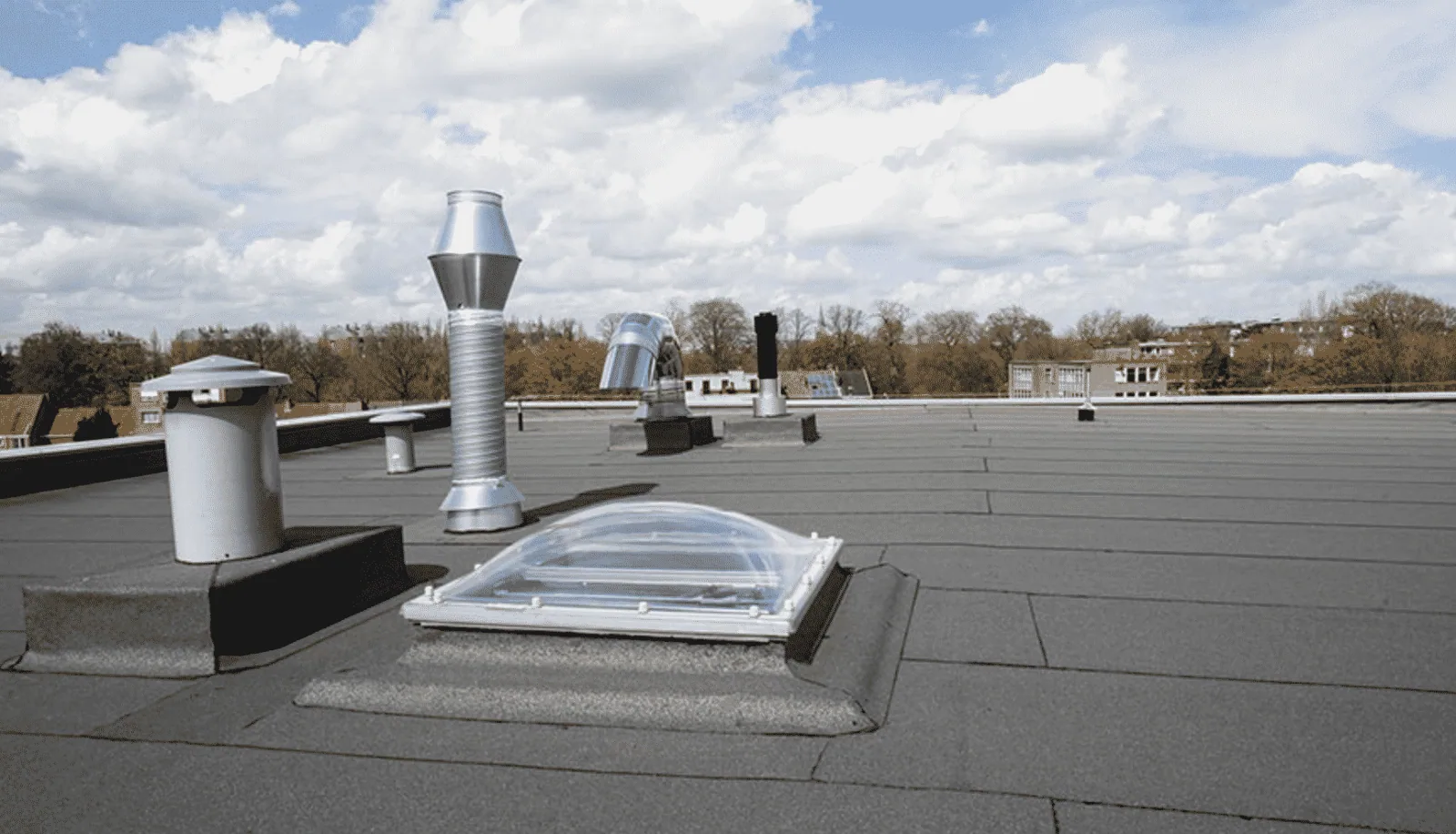
What should each observation show?
Every finding should point to a roof zone, not merely say that flashing is worn or water is present. We photograph the detail with enough surrounding context to find it again, record its relationship to a drain, curb, edge, wall, or seam, and note whether access limited the view. A report can distinguish open laps, displaced metal, surface wear, punctures, debris, or visible moisture evidence without claiming a concealed condition that was not tested. A hands-on inspection supplies the observations; a marked roof sketch or plan makes them usable after the visit. When the site has multiple wings or levels, label each separately. At the University of Missouri, the facilities list spans research buildings, garages, residence halls, a student center, and a power plant. It does not state which roof assemblies are installed. At any campus property, report the building and area that were actually inspected rather than treating a campus name as a single roof. Central City, Columbia can identify the market setting, while the report itself needs the facility identifier supplied for the inspection.
Related Roofing Work
More commercial roofing work connected to Commercial Roof Condition Reports in Columbia, MO.
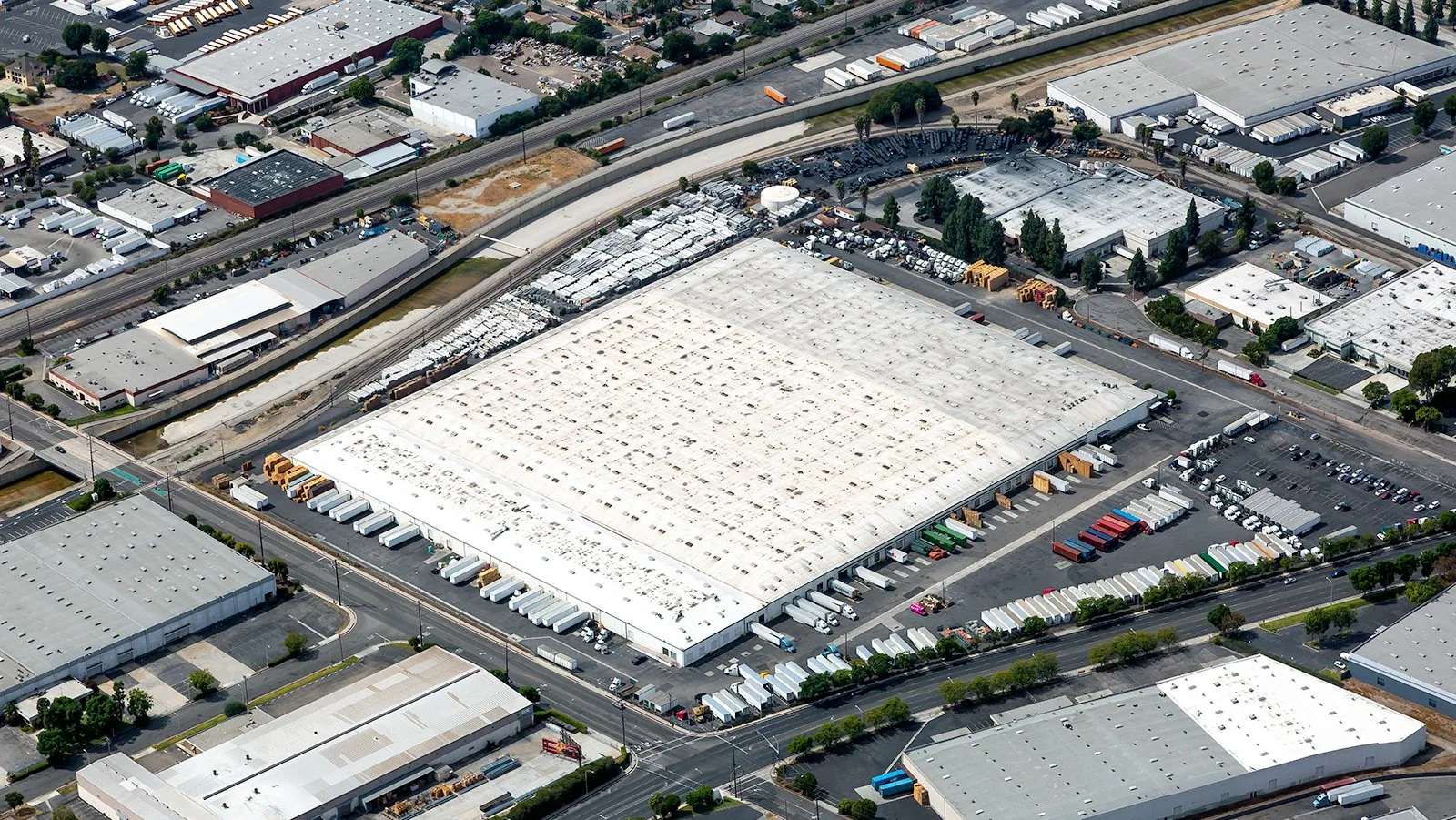
How do we state limits without weakening the report?
Say what was visible, what was inaccessible, and what method was used. A roof walk may not expose conditions beneath membrane or insulation; infrared review may identify a suspect pattern that requires confirmation; a drone image may show a broad surface but not a concealed attachment. We note those limits next to the relevant area, not in a vague disclaimer at the end. An infrared moisture survey can add information when roof and weather conditions support a useful scan, and drone imagery can document areas that are difficult to view from a safe walking route. Neither method should be described as certainty beyond what it can show. If moisture is suspected, mark whether it is confirmed by an opening or remains a reading to investigate. The report can recommend a test opening, closer field review, or monitoring point and explain why that step matters. Columbia's commercial plan review includes existing-building and energy code provisions. Those requirements may inform future work, but the condition report records what the inspection found, not a blanket code-compliance conclusion.
Which findings belong at the top of the list?
Prioritize active water entry, loose or open details, recurring drainage issues, and conditions that can damage insulation or the interior if left exposed. Separate immediate stabilization from permanent corrective work. The report should show whether a temporary patch is present and what area remains outside that repair boundary. A surface condition with no observed opening may require a follow-up check rather than immediate replacement. A flashing review addresses transitions at walls and penetrations, while a drainage finding should identify the low point, outlet, and observed water duration. At The District, where downtown Columbia includes residences, shops, nonprofits, public entities, and restaurants, a property manager may need the record to coordinate roof access with building use. Those land uses do not establish the operating schedule or roof condition of a specific building. We record the contact and access limits provided for the actual inspection, then distinguish them from the physical observations. A concise priority column can state action, timing driver, and the evidence that supports it without disguising an unknown as a high-confidence defect.
Can a report help compare contractor proposals?
Yes, if the report and proposal use the same location markers and repair boundaries. A broad line item such as “repair roof leaks” cannot be compared reliably with a proposal that names seams, perimeter metal, or specific penetrations. We can identify what the inspection observed, then prepare a scope that says which area is included, how the detail will be prepared, and what would trigger added work. A repair scope should separate confirmed defects from allowances for concealed damage. If the inspection suggests a larger assembly issue, capital planning can compare a localized correction with restoration or replacement using the same field record. Site context can help route an inspection, but the dated photos and roof-zone labels determine whether a report applies to the building under review. Keep the original photographs with the proposal so a reviewer can return to the same area before approving a change. Keep the original photographs and date with the proposal so a reviewer can return to the same area before approving a change.
What does the owner receive?
The final record can include a concise condition summary, an annotated roof map, dated photos, findings by area, limits of access, recommended action, and follow-up timing. When the evidence supports it, we indicate whether the next step is maintenance, repair, more investigation, or a larger scope comparison. We do not use a report to assign a remaining-life date unsupported by the inspection. If a building has prior work records, we can place the new observations beside them and note changes. A roof asset file can retain the report with invoices and repair photographs. For transaction reviews, a due-diligence survey can address buyer or lender questions on a defined property. The deliverable should identify who supplied plans or access information when that matters, but the recommendation remains tied to field evidence. An owner should be able to locate a reported detail, understand why it was flagged, and understand when the next inspection is due. That is the standard we use when turning roof observations into a decision file.
A report should be usable by the facilities contact who receives the next call, not only by the person who walked the roof. Keep the building and roof-zone labels consistent, attach an overall image before detail photographs, and date each observation. For an unresolved condition, state the evidence needed to close the question, such as a controlled opening or a check after rain. Columbia's wet spring and freeze-thaw winters create different inspection moments, so note the weather context when it helps explain a change. The report remains a record of what was observed on that date, with a clear next action.
Commercial Roofing Questions
Will the report identify the exact source of a leak?
It can identify visible openings or moisture evidence and map the area that needs investigation. Water may travel within an assembly, so we distinguish a confirmed entry point from a suspected path that needs testing.
Can I use a report to evaluate a contractor's estimate?
Compare each line item with the report's photographs, locations, and repair boundaries. We can clarify when a proposed scope addresses a documented defect and when it includes additional work or an unverified assumption.
Does an aerial inspection replace a roof walk?
Aerial imagery can document broad surface conditions and difficult-to-reach areas, but it cannot show every seam, attachment, or concealed layer. We state the method and any follow-up needed to verify a finding.
How should I handle an area that could not be inspected?
The report should name the roof zone and the access limitation, then explain whether another access method or opening could answer the question. It should not present an unseen area as inspected.