
Commercial Hail Damage Roof Repair in Columbia, MO
A scattered hail mark on metal does not tell an owner whether the roof has lost its water-shedding function. We inspect the exposed surface, seams, flashing, penetrations, and nearby membrane, then record each condition by roof area. Columbia's spring is the season most likely to bring supercell storms with large hail and tornadoes. A post-event inspection uses the reported date and storm route to plan where to look, then records the roof evidence separately. Mexico’s business community includes manufacturing and logistics alongside retail and healthcare, and East Technology Park is a development-ready commercial site. Those facts frame the market but do not describe a roof condition or hail event at the property being inspected. We identify the building under review, photograph impact or puncture evidence, and compare it with prior records when available. The report separates cosmetic marks, functional damage, older wear, and conditions that need testing.
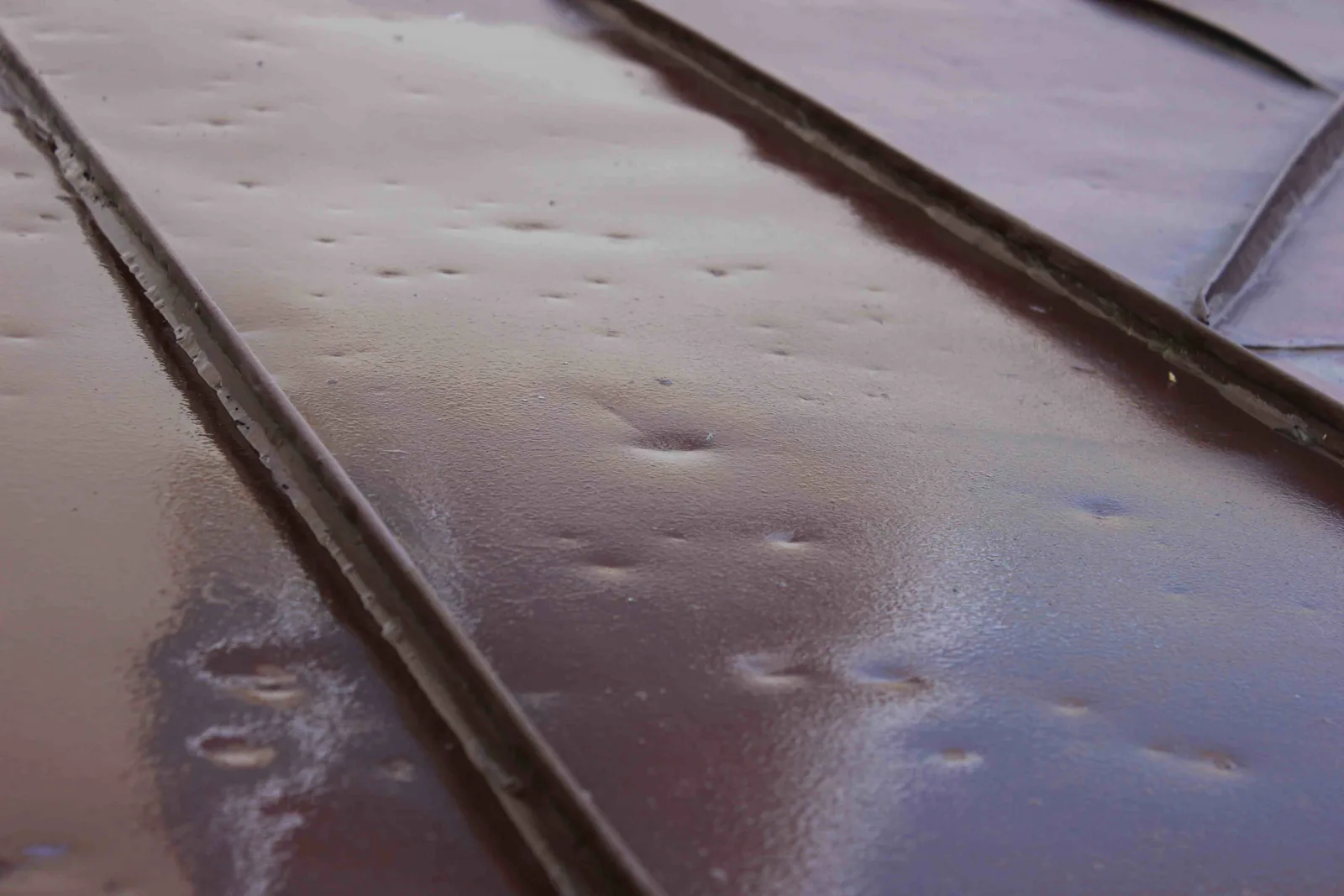
Which hail marks affect the roof assembly?
Mexico’s East Technology Park is a 43-acre development-ready site near U.S. Route 54, while Mexico includes manufacturing and logistics activity. For the inspected building, the report starts with system type and photographed impact locations rather than local business use. On metal, the review considers whether a dent affects a rib, seam, fastener, or water path rather than appearance alone. On a membrane, the question is whether the surface split, punctured, or lost attachment. We photograph the field and detail so the location is clear. If an accessory or curb shows a mark, we record the component and inspect its flashing connection separately. A condition at one unit does not prove the same condition at adjacent roof areas, so we map any area not inspected and keep the damage description within what the images establish.
Look beyond a change in color or a shallow indentation. Check whether an impact fractured a brittle surfacing, split a cap sheet, exposed reinforcement, displaced metal, or compromised a seam or flashing. Record the size, location, and surrounding context of each confirmed condition. If the membrane remains intact and no functional detail is damaged, keep the observation distinct from a repair item. Where there is uncertainty, identify the test or closer inspection needed instead of treating every visible mark as a roof opening. That separation makes the scope more specific and prevents cosmetic observations from being confused with water-entry conditions.
Related Roofing Work
More commercial roofing work connected to Commercial Hail Damage Roof Repair in Columbia, MO.
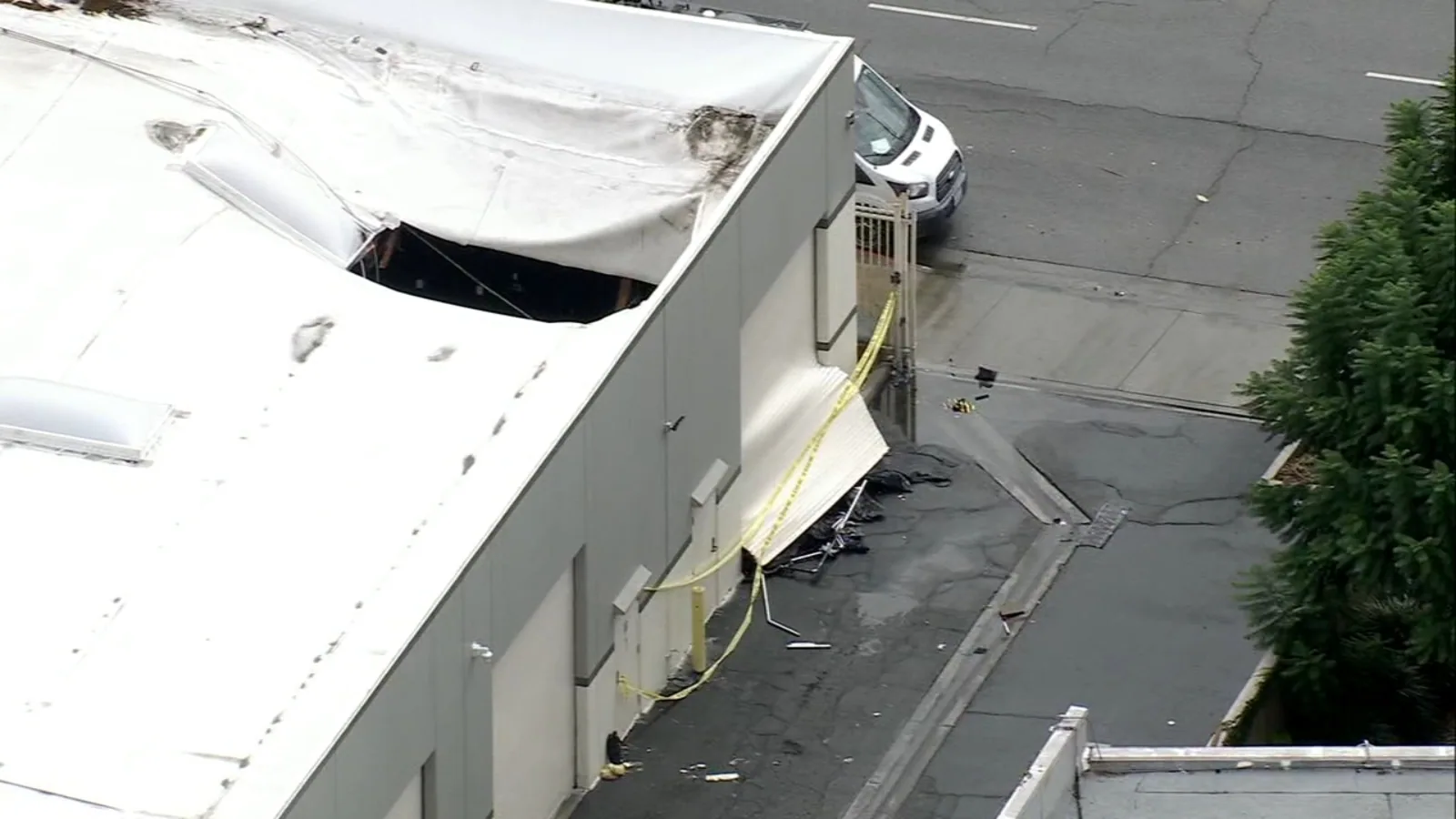
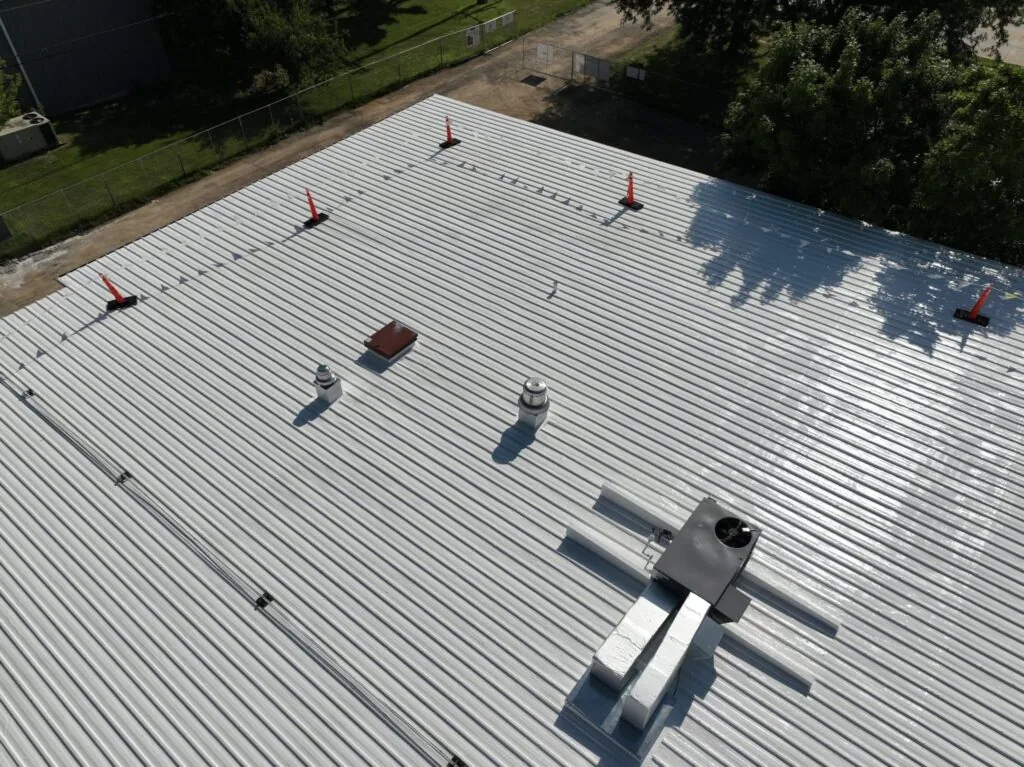
How can new impact be separated from earlier wear?
Compare the reported date with earlier photos, maintenance records, and current material condition. A new puncture may have an identifiable opening, while weathered membrane or a prior patch may predate the event. When timing remains uncertain, label the condition as observed, compare it with dated maintenance images, and leave the causal connection open. Record the storm date supplied by the owner and the inspection date so later photographs can be compared against the same roof area. Claim documentation can organize the image set and repair boundary. East Broadway / Route WW Corridor is a major arterial in eastern Columbia; a claim must remain tied to the insured property under review. We identify the roof area reached, test limits, and any condition that could not be classified during the visit.
What repair follows confirmed hail damage?
A puncture or split may be repaired when the surrounding membrane can accept a compatible patch. If a metal detail is damaged, the scope may need to restore the seam, flashing, or drainage profile rather than cover the dent alone. Where several areas are affected, we mark each roof zone and identify any wet insulation or deck that requires evaluation. Puncture repair and wind-related repair can be distinct scopes even when the same storm produced both. A proposal should state material, preparation, tie-in, temporary protection, and any adjacent work excluded. Columbia's adopted building-code review includes existing-building and energy provisions for commercial projects; permit requirements depend on the actual scope. A repair proposal should connect each item to a photograph rather than use one broad description for the whole roof. Access, material availability, preparation, and the amount of wet insulation or damaged substrate can affect timing. If the roof is open, temporary dry-in may come before the permanent repair, and the two steps should be documented separately. A photo record should show the repair at completion and identify its perimeter, particularly where the patch meets a seam or curb. If a second damaged area is found after removal, pause that portion for direction and preserve the new photograph with the revised scope. That gives the owner a clear basis to approve additional work rather than treating a field discovery as already included.
Hail review should distinguish a dent in exposed metal from a puncture, fractured coating, displaced component, or damage to the membrane below. We map representative locations by roof area and photograph the surface with a scale or reference when useful. Weather exposure guides the inspection route, while physical evidence determines which details belong in a repair scope.
What should the file show after repair?
Keep before-and-after photographs, the event date supplied, roof-zone map, repair method, and unresolved questions together. If temporary cover was installed, record its limits and the return inspection. Columbia's summer storms can bring localized heavy rainfall, so a follow-up after rain can check whether the repaired area remains dry. The rainfall pattern does not prove a new leak; the interior report and roof detail need to be compared. Scheduled maintenance can revisit the repaired seam or edge. If the owner later receives another hail report, a consistent set of photographs lets the new inspection compare the same surface rather than start from an unlocated description. The closeout should state whether the work addressed all documented impact areas or only the approved subset.
Where a roof has older wear, maintenance patches, or prior storm work, compare those records with the current photographs before describing a new condition. A sample opening or material test may be appropriate if it changes the repair decision. The final report should identify areas inspected, inaccessible locations, and any test recommended rather than imply complete certainty from a visual walk.
Keep pre-event and post-event photographs in dated groups, with the same roof-zone labels and camera views when possible. Record impact marks, displaced materials, open seams, or damaged flashing only where the inspection confirms them. The final repair record should show what was repaired, what remained under observation, and which locations need another review. A dated photo set, repair authorization, and final detail images give facilities and claim reviewers one sequence from inspection through closeout. A clear comparison helps the owner distinguish hail-related damage from older surface wear and gives an insurer or facilities contact a traceable basis for discussing the completed scope.
Commercial Roofing Questions
Does a dent in roof metal require replacement?
Not necessarily. We inspect whether the dent affects a seam, fastening, flashing, drainage, or weather barrier, then document what function is affected. A surface impression without a functional defect may not support the same scope as a split or opening.
What timing makes a post-hail commercial roof inspection useful?
The owner should consider access, safety, active leaks, and forecast conditions. We schedule an inspection when the roof can be reached safely and preserve the date and conditions observed.
Can hail damage be distinguished from ordinary wear?
Sometimes. We compare prior photographs and maintenance records with current impact evidence, but the report should preserve uncertainty when the timing cannot be established.
Will every roof section be included in the repair?
The proposal lists the inspected and authorized areas. Any inaccessible or excluded section remains identified separately so closeout does not suggest the entire roof was repaired.