
Infrared Roof Moisture Survey in Columbia, MO
A warm area on an evening roof image can direct attention to a possible moisture pocket, but it does not settle the question by itself. In Columbia, spring rain, localized summer downpours, and freeze-thaw seasons make it useful to know whether insulation may be holding moisture before an owner selects a repair, recover, or replacement. We map thermal patterns, compare them with roof details and interior reports, and identify locations where a test cut could confirm the assembly. The survey record states the date, conditions, roof area, and limitations that affected the reading. LeMone Industrial Park contains office and light-industrial uses, where a test map should stay tied to the roof areas actually sampled. Mexico has rail-served industrial areas, another regional setting where a mapped survey can help owners decide which roof zones need confirmation. These market details guide planning, while image interpretation still comes from the actual roof surface and test results. Infrared work adds evidence to a hands-on roof review; it is not a substitute for inspecting seams, flashings, drains, and penetrations up close.
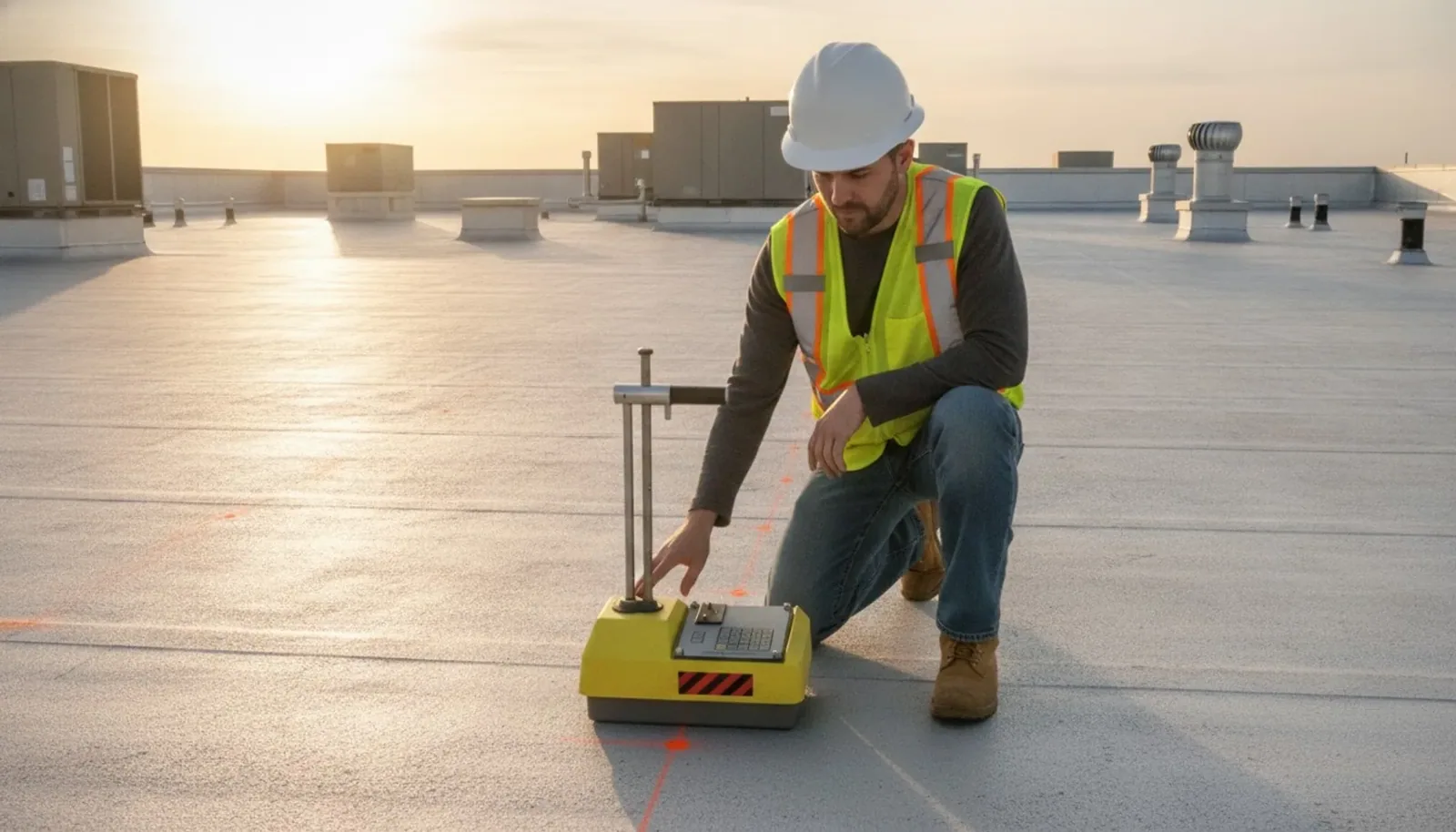
What does an infrared survey measure?
The camera records surface temperature patterns. Under suitable conditions, a roof area with retained moisture may release heat differently from adjacent dry areas, creating a pattern that warrants closer evaluation. The image is influenced by the roof assembly, recent sun, wind, cloud cover, surface materials, and the timing of the scan. We identify the conditions around capture and compare the pattern with roof transitions, drainage, reported leaks, and interior evidence. A temperature difference is a screening observation, not a direct measurement of moisture content. We label each area and preserve the thermal image with a corresponding visible-light photograph so the owner can locate the observation later. A broad reading should not be converted into a repair quantity until the selected areas are confirmed. The scan plan can prioritize accessible samples near reported leaks while retaining a few comparison points in areas without visible symptoms. The report identifies suspected zones and recommends whether a closer visual inspection, test cut, or other review is appropriate.
Related Roofing Work
More commercial roofing work connected to Infrared Roof Moisture Survey in Columbia, MO.
When will the roof conditions support a useful scan?
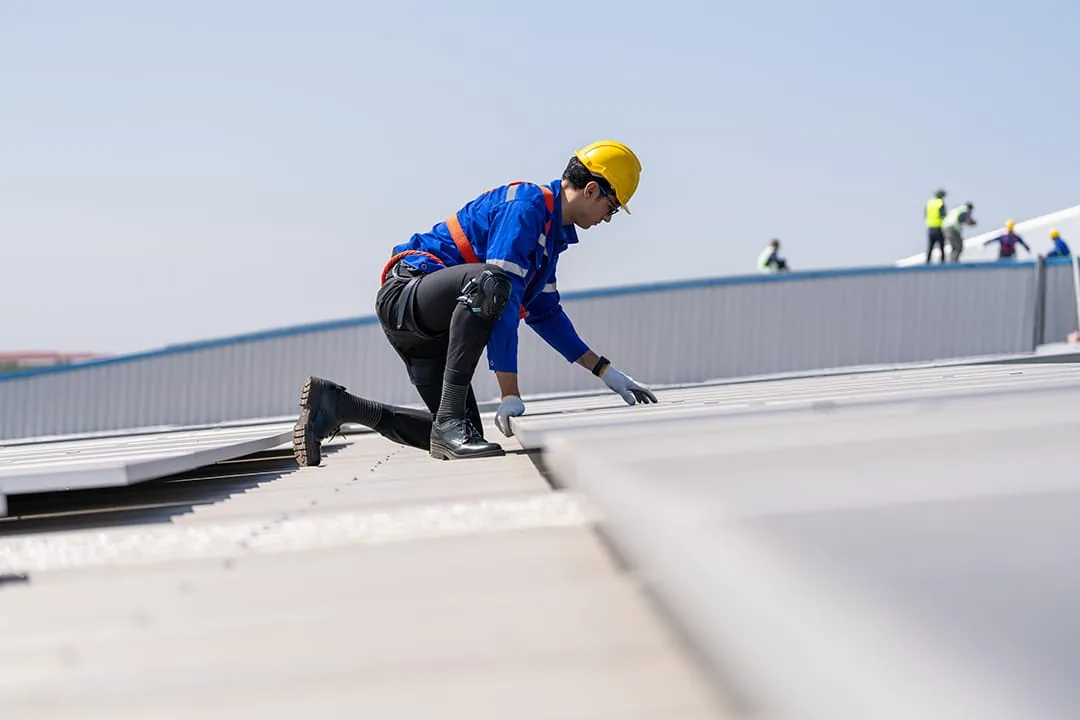
Timing matters because the camera needs a meaningful temperature contrast across the roof. We consider recent sunlight, cloud cover, wind, rain, roof color, surface material, and the time elapsed after sunset or other suitable conditions. If the weather has not created a useful contrast, a scan may need to be rescheduled or paired with another method. Columbia's hot summer days and humid storm periods can leave a roof surface with changing thermal behavior; winter freeze and thaw also affect the timing of follow-up observations. The survey notes the conditions so a later reviewer understands why a pattern appeared and what the image can support. A scan after a localized downpour may help identify a zone for testing, but it should not be treated as proof that the full area is wet. We discuss access and weather constraints before mobilization and do not force a conclusion from an inconclusive image.
How are suspected wet areas confirmed?
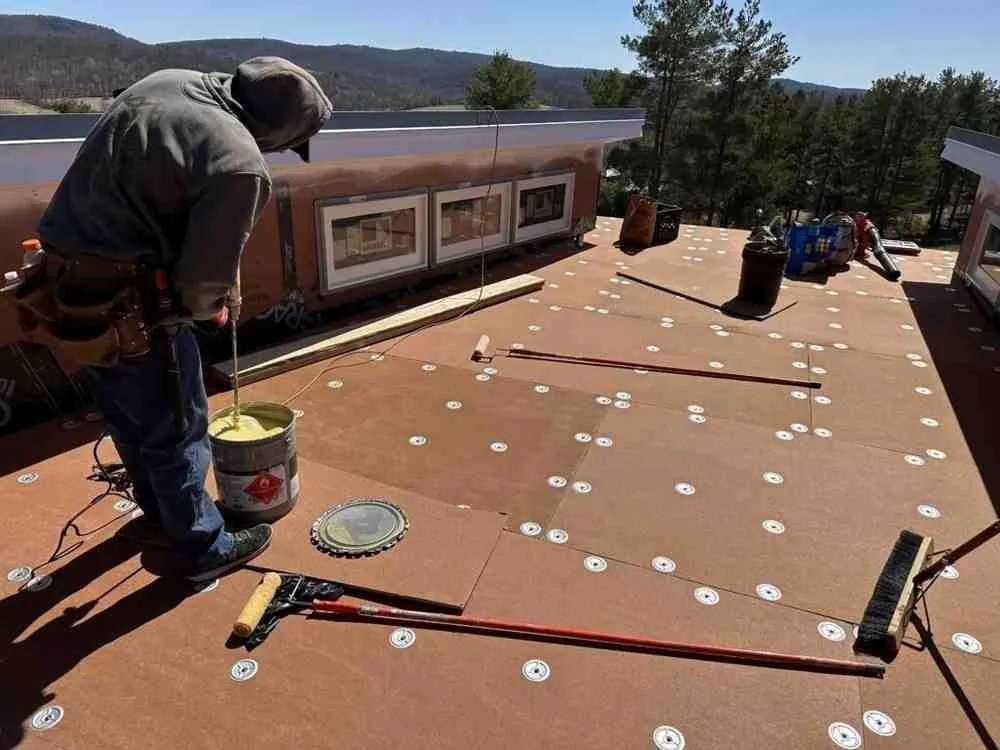
We compare the thermal pattern with the roof's visible condition and the building's leak history, then select test locations with the owner's authorization. A core cut can expose the membrane, insulation, and deck at that point, showing whether material is wet and how the assembly is layered. The opening is patched and recorded after inspection. A result at one location does not automatically describe the entire thermal area, so additional samples may be useful when the pattern changes across the roof. We mark confirmed wet material separately from a thermal anomaly that was not opened. Columbia's commercial plan review uses the 2024 building-code package, including existing-building and energy requirements; if testing leads to a larger assembly change, applicable project requirements should be checked as scope is developed. For leak conditions, water-entry tracing can be coordinated with the survey, and drainage corrections may address a separate condition that keeps portions of the roof wet.
How can survey results change the roof decision?
If testing finds isolated wet insulation with sound surrounding material, a localized repair or selective replacement may remain in view. If multiple samples confirm widespread moisture, covering the assembly with another layer may trap the condition and leave the owner with unresolved damage. The report links each confirmed point to the relevant roof area and explains the limits between tested and untested locations. We can compare selective removal with a broader tear-off, or show what remains uncertain before a final commitment. A recover review should address existing layers, attachment, drainage, and code requirements; a replacement scope should describe removal and deck review. A recover assessment and replacement planning can use the same sample map. For a large campus with varied facilities, these distinctions help avoid treating one test result as a conclusion about every roof section.
What belongs in the survey deliverable?
The owner receives a roof-area map, thermal and visible images, capture conditions, suspected zones, test locations, and confirmation results where testing was performed. Each note distinguishes what the camera showed from what the sample exposed. The record also states surfaces or areas that could not be scanned and why. Those boundaries matter if the owner later compares a repair estimate, an insurance question, or another survey. We keep an observation tied to its roof area and date so a future inspection can check for change. A written condition report can combine this survey with hands-on observations, while recurring roof maintenance can revisit confirmed repairs and drainage after later weather. If the owner is reviewing a reported storm condition, storm documentation can preserve the event date separately from the moisture test findings.
Provide the scan date, weather and surface conditions relevant to interpretation, roof-zone map, thermal images, reference photographs, suspected areas, and the confirmation method used. Mark each finding as confirmed, unconfirmed, or outside the survey limits. An owner should be able to match a thermal pattern to a location on the roof and see which next step would resolve it. Columbia's summer can include localized heavy rain, so a wet-area pattern should be compared with known water paths and recent conditions rather than assumed to show a failed membrane. If a test opening confirms wet insulation, record its exact zone and limits before repair or replacement is scoped.
Commercial Roofing Questions
Does a thermal image prove that insulation is wet?
No. It identifies temperature patterns that may be consistent with retained moisture under suitable conditions. We compare the image with roof details and confirm selected areas with a test cut when authorized. The report keeps suspected and confirmed conditions separate.
Will the survey need test cuts?
A test cut is useful when the owner needs to know what is inside a suspected area. We select points based on the thermal map and visible evidence, receive authorization, inspect the layers, and patch each opening. The number and location of samples depend on how the pattern varies across the roof.
Can infrared testing be completed after rain?
Recent rain can affect surface temperatures and interpretation. We review recent weather and the roof conditions before scanning, and may adjust timing if the thermal contrast is not useful. The date and conditions are part of the record so the result can be interpreted in context.
How does moisture testing affect a recover decision?
Confirmed wet material, its extent, the existing layers, deck condition, drainage, and attachment all matter. We map tested points and do not assume that one sample represents the whole roof. The owner can compare selective removal, broader replacement, or further testing against the documented evidence.