
Commercial Roofing in Jefferson City, MO
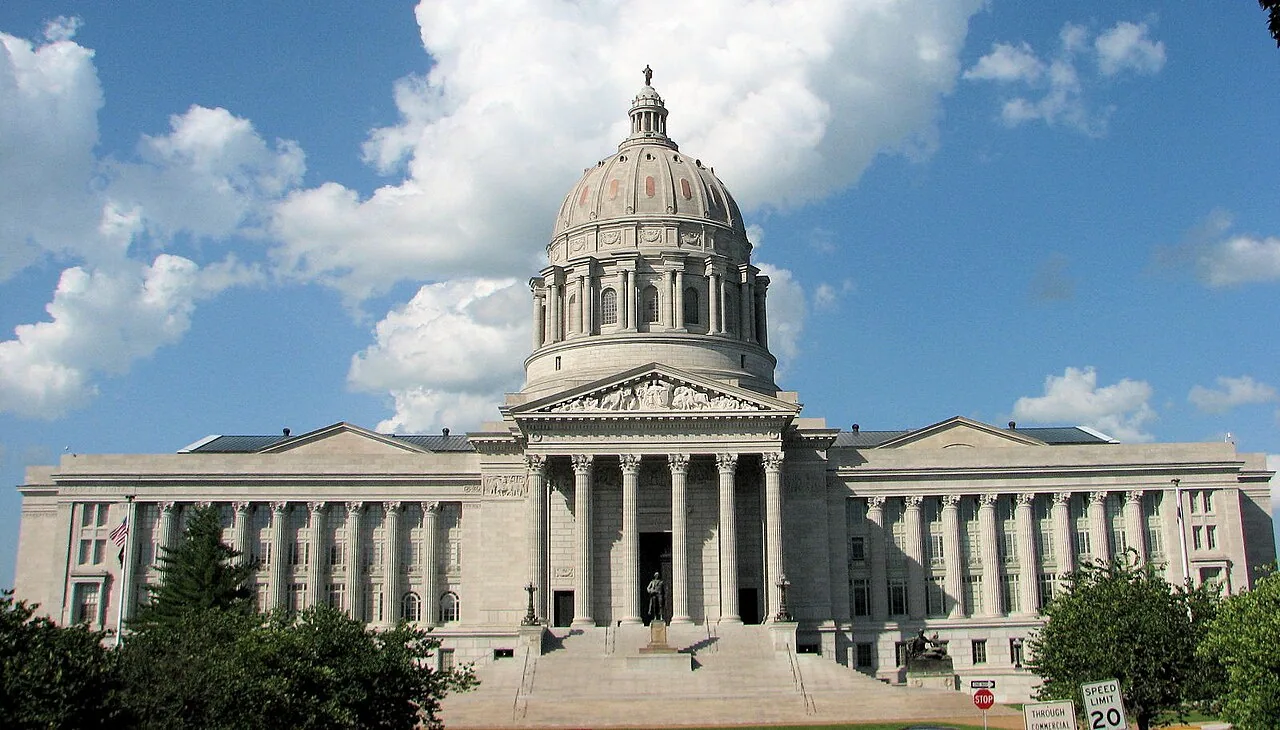
A roof project in Jefferson City can touch a working office, clinic, school, or production space, so the first useful record is the building area and the access window. Commercial redevelopment is occurring along Missouri Boulevard and in the central part of the city, while state agencies and healthcare, education, distribution, financial, and manufacturing employers form part of the local workday. When public service, healthcare, education, and production share the local market, the property contact should identify operating limits and roof access before inspection begins. We inspect the actual membrane, seams, curbs, drains, and perimeter details, then tie each finding to a photographed zone. In the Columbia market, seasonal storms, heat, and freeze-thaw shifts inform timing; only the roof establishes condition.
What should a property contact provide before an inspection?
Give us the building name used by facilities staff, the affected room or work area, the date the symptom appeared, and a contact who can authorize roof access. The city’s public permit portal supports construction applications, review documents, and inspection-result lookup. A roofing assessment remains a separate field task, but a clean project record helps connect proposed work with the building documents and approvals that apply. Before climbing, we confirm the roof entry, protective equipment, equipment zones, and areas that must stay open below.
Missouri Boulevard and the central city have commercial redevelopment activity, so projects may involve existing occupied structures alongside new work. Our first walk identifies daily access paths, staging constraints, and the close-in point before any repair begins. A roof inspection maps each inspected zone and reports anything blocked or deferred. The manager receives photographs tied to a roof sketch, not a vague label such as “main building.” That reference lets a later crew return to the same seam or drain and compare the condition against the original visit.
Related Roofing Work
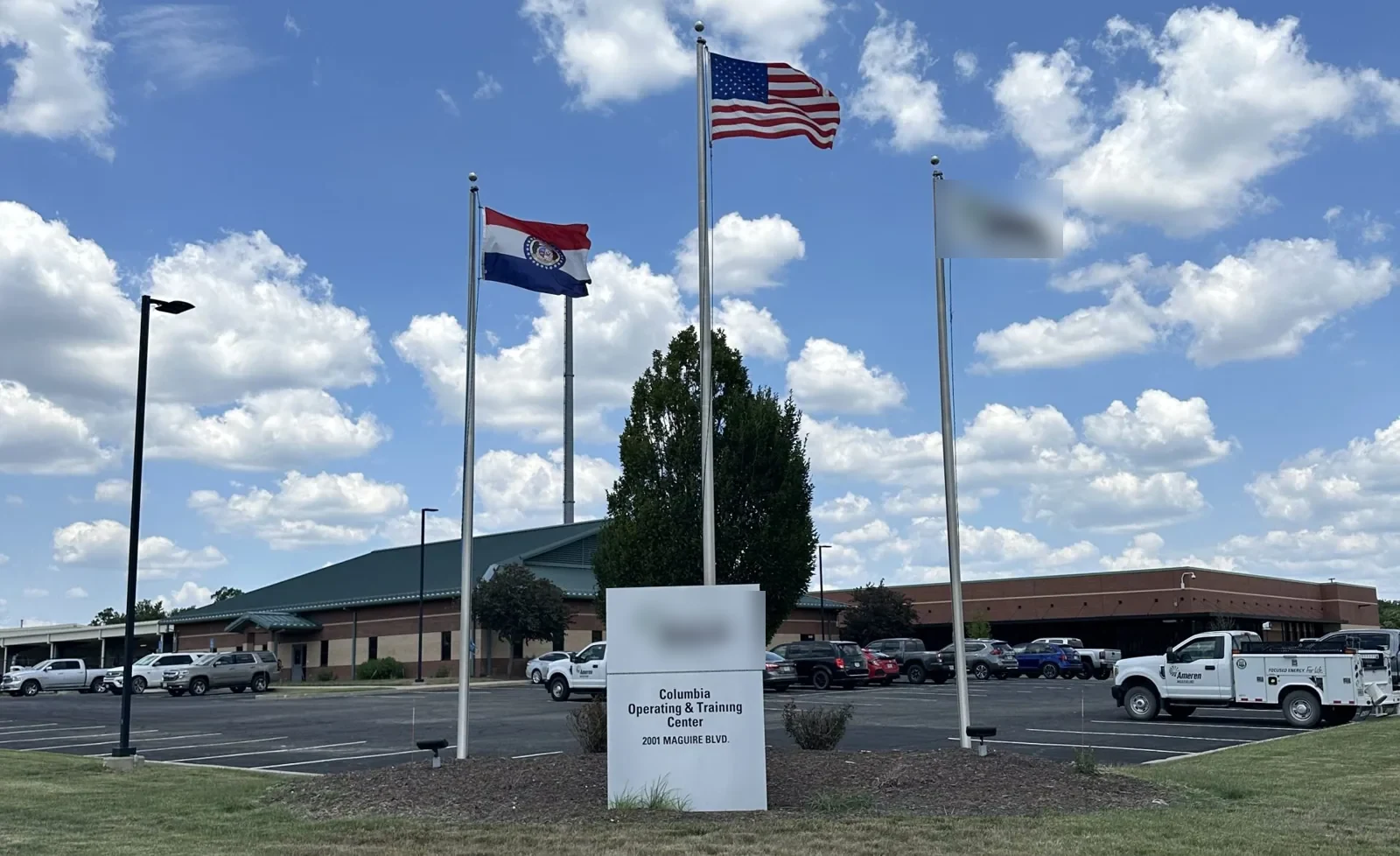
More commercial roofing work connected to Jefferson City in Columbia, MO.
Which roof details help locate the moisture path?
Start with the interior report and work outward across the drainage path. Check the nearest seams, curb flashings, pipe penetrations, wall transitions, drains, and any earlier patch that may redirect water. A ceiling stain can sit away from the opening, so we keep the reported room and the roof observation linked without assuming they line up vertically. Photograph a close view of each suspect detail plus enough roof context to find it again. If the surface is wet, record the conditions that limited inspection and return when the area can be evaluated safely.
When moisture below the membrane would change the proposed repair, infrared moisture mapping can point to patterns that need confirmation. A condition report records what was directly visible, which areas were tested, and what remains unresolved. The result may support a limited patch, a controlled opening, or a broader review, but the decision should follow the evidence. This distinction matters across offices, public facilities, healthcare settings, and other occupied properties where an owner must coordinate roof work with the people using the building.
When does a post-storm inspection add useful evidence?
Spring is the wettest period in the Columbia market and can produce hail- or tornado-capable thunderstorms. Summer combines high temperatures with localized heavy rain; later-season damaging winds deserve a separate perimeter check. Winter brings seasonal snow and freeze-thaw movement. Use Columbia’s seasonal storm pattern to plan checks in Jefferson City. After a reported event, compare dated photos of the inspected zones and record any visible change before setting the repair boundary.
At a public-facing building, the visit plan should address safe access and service continuity before a repair is selected. A hail review looks for functional impact rather than ordinary surface wear; a wind review records edge, attachment, and flashing conditions. If a roof section cannot be reached, the report names the limit and sets a follow-up point instead of extending a conclusion beyond what was observed. The manager can then decide whether to authorize testing, a localized repair, or another inspection after conditions allow.
How do we define a repair boundary that can be reviewed?
A sound repair scope ties the visible failure to a roof zone, names the preparation and compatible material, and describes the tie-in and adjacent areas excluded. Recurring leaks, separated defects, or suspected wet insulation can justify testing before estimating permanent work. When multiple areas show deterioration, compare patching with coating, recover, or replacement after reviewing drainage, substrate, insulation, attachment, penetrations, and edge metal. Cost and schedule depend on access, staging, weather windows, material lead time, and conditions discovered after opening, not on a generic citywide assumption.
Redevelopment activity along Missouri Boulevard and central Jefferson City means project conditions can differ from one building to the next. We keep approved work separate from conditions found outside the boundary. Phased reroof planning can divide work into daily zones where operations continue below. For a property spanning Boonville and Mexico, each location needs its own photos, contact, access plan, and scope record. A city name or another facility’s roof history cannot substitute for the actual assembly and findings.
How can records support the next capital or maintenance decision?
Save dated roof maps, photographs, observed conditions, repairs, exclusions, and follow-up items in the property’s maintenance file. The city portal makes permit and inspection records available for review; the roof file should give facilities staff a separate, readable history of what was inspected and what work was authorized. Roof history tracking helps compare condition changes across visits while preserving each building’s own evidence. A later reviewer can see whether a seam was repaired, a drain remained obstructed, or a test was deferred.
Jefferson City’s state offices, healthcare, education, distribution, and manufacturing settings can have different operating windows, so the closeout should identify who received the report and which area returned to normal use. If a larger renewal is deferred, write the interim measure, its limits, and the date or condition that should prompt another review. The owner can then weigh a current repair against a documented longer-term plan instead of treating an old estimate as proof that nothing has changed. For each property, the next check should revisit the same mapped zones and note any new exposure.
A roof decision may also need to fit a permit review, an annual capital cycle, or a tenant improvement schedule. The City of Jefferson portal supports permit applications, document review, and inspection-result lookup; facility records should preserve the roofing scope and the approved construction documents together. We can describe the system, repair boundary, and any test result in a format that is straightforward to compare with the project file. When a property manager is tracking several addresses, we keep the roof-zone map for each structure distinct. That protects the next budget decision from carrying assumptions across buildings with different assemblies, access limits, or condition histories.
Commercial Roofing Questions
Can a city permit record replace a roof inspection?
No. Permit history helps identify project documents, while a field inspection records the roof condition that can be seen now. We connect the two only when the property records identify the same building and work.
What happens if an occupied office cannot close?
We agree on the roof route, staging location, interior protection, and daily close-in point with the facility contact. The schedule follows the building’s operating limits and the approved work zone.
Should every post-storm roof area be repaired?
No. We document visible changes and compare them with earlier records. A repair is scoped where the evidence supports it; an inaccessible or uncertain area is identified for testing or a later visit.
How can an owner compare repair and replacement?
Compare the condition map, repair boundaries, remaining assembly, drainage, access, and follow-up needs. We show what a local repair resolves and what broader deterioration remains outside that scope.