
Wind Damage Roof Repair in Columbia, MO
A strip of metal beside a rooftop drain can shift after a strong gust while the membrane field still appears flat. We inspect the affected edge, nearby seams, penetrations, and drainage details, then photograph what moved and what remains attached. Columbia experiences damaging winds as a prominent severe-weather threat later in summer, while spring storms can also bring hail and tornadoes. That pattern helps set inspection timing; it does not establish wind damage at a specific building. The I-70 Business Loop supports commercial and industrial uses, and East Columbia / East Area Plan is part of the city's employment-area network, but each property's roof needs its own condition record. We identify the address, inspection date, roof zone, visible movement, interior reports, and access limits before recommending protection or repair. A dated comparison with earlier photographs can help distinguish a new displacement from older wear.
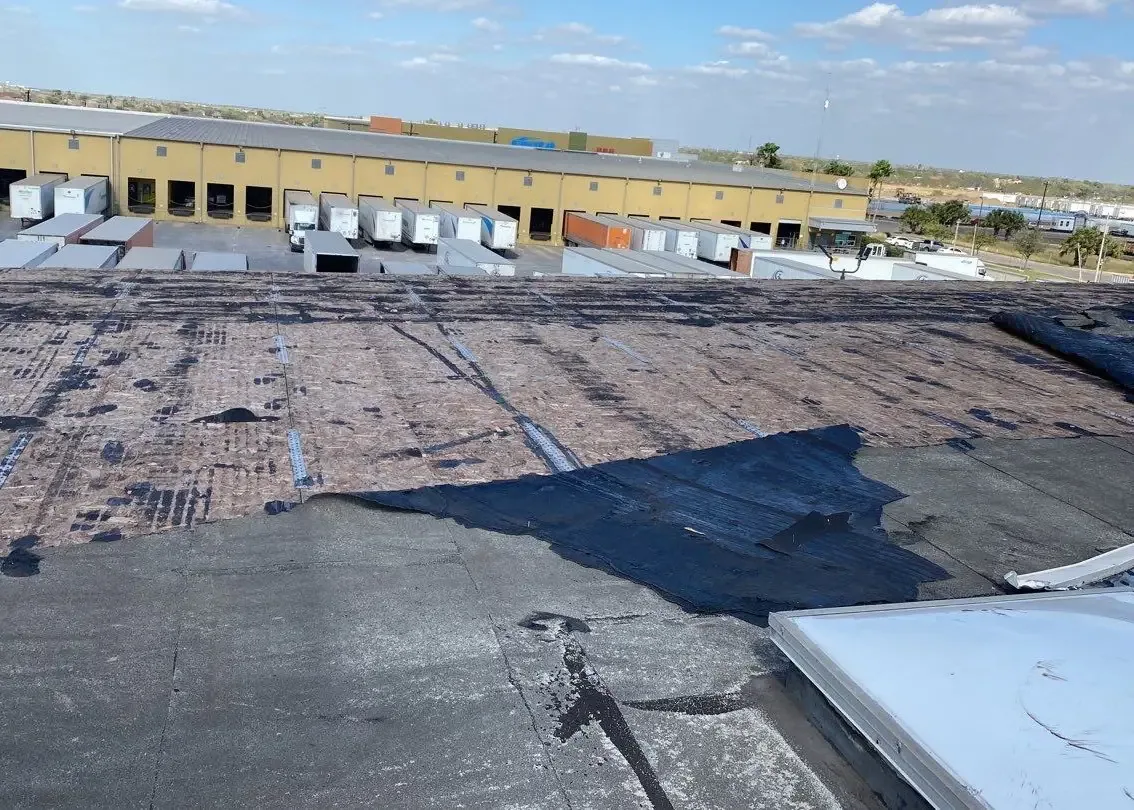
Where should an inspection look after high winds?
Wind effects can appear at corners, perimeters, terminations, metal edges, and transitions where the roof changes height or material. We check whether a seam is open, a coping section has shifted, a flashing termination has lifted, or a fastener line has changed. Each observation should be tied to a roof location and compared with adjacent material; one loose piece does not prove that the whole field has lost attachment. A roof inspection records accessible details, while drone imagery can help map an expansive surface where ground access is limited. If water entered below, the interior report is traced against nearby roof transitions instead of assuming the point directly overhead is the opening. The Business Loop corridor gives a Columbia location reference, but a corridor address is no substitute for inspecting the actual building. We also inspect the underside of accessible edge metal and the termination where the roof meets a wall or curb, because movement can break continuity without opening a large membrane area. Any loose fastener, displaced cleat, or detached sealant is recorded separately from damage to the field membrane. If a mechanical screen or rooftop unit blocks a view, we note what could not be examined and whether a safer access method would change the scope. A photo with a clear roof-zone label gives a later crew a precise point of comparison, especially after the next storm has passed and the surface has dried.
Related Roofing Work
More commercial roofing work connected to Wind Damage Roof Repair in Columbia, MO.
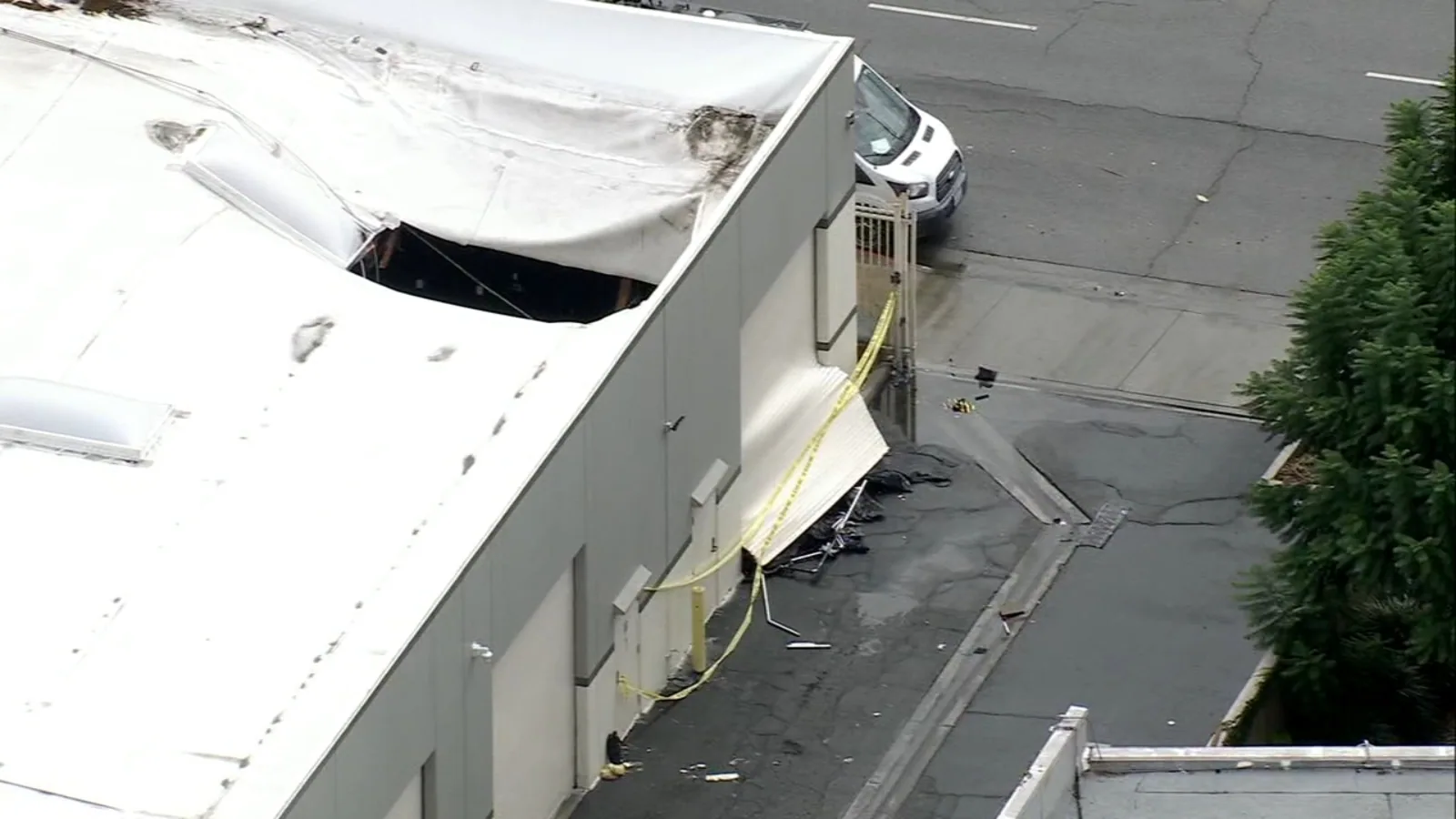
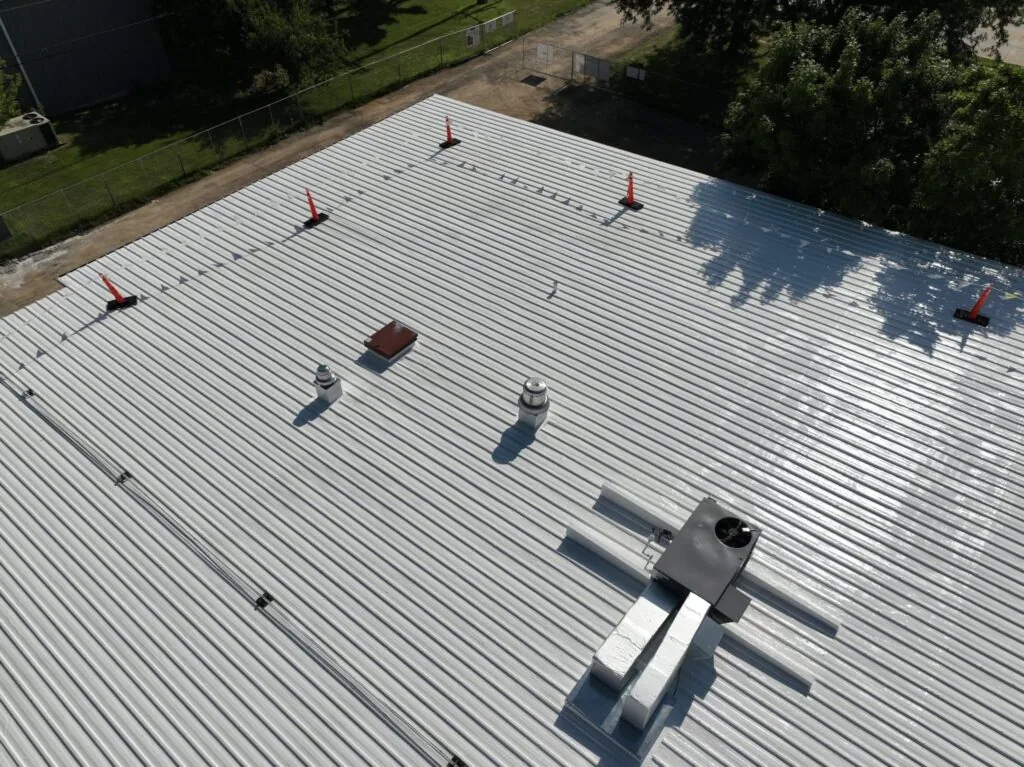
What should happen before the next rain?
An opening exposed to rain may need temporary cover before a full repair can be specified. We evaluate safe access, wind at roof level, the condition of the surrounding material, and how water can be kept from entering the building. The Diligence Notes identifies the temporary boundary, how it was secured, and when it should be checked. If the weather or roof surface makes access unsafe, the visit should record that limit and the next safe opportunity. Emergency roof response can address active exposure, while hail-related roof findings require their own inspection of impact evidence. Do not treat a temporary sheet or seal as permanent correction; the lasting detail may require securement, compatible flashing, membrane repair, or replacement of a displaced component. We keep emergency stabilization separate from the approved scope so a later reviewer can see what remains.
How far should wind repair extend?
The boundary should include material that can be prepared and tied into a sound assembly. We inspect adjacent fasteners, seams, edge metal, and flashing for movement, then identify any area where the attachment remains uncertain. If the displaced component is isolated, a focused repair may restore the detail. If several edges or seams show movement, a wider review may be needed before repair limits are set. Flashing repair and seam repair address different failure points, so the proposal names which detail is included. Columbia's commercial permit review uses adopted building and existing-building provisions; a larger alteration should be reviewed against its project documents. The scope also states whether insulation or deck will be evaluated if removed material reveals a concealed concern. This prevents a visible metal edge from becoming an unsupported allowance for the entire roof. Scope timing depends on safe roof access, material compatibility, preparation, and a suitable weather window. If the edge meets a different membrane or wall construction, identify that interface before work begins. Where multiple details move, a second roof zone may need inspection even if no leak has been reported there. We can list that observation as a follow-up rather than expanding an approved repair without direction. The owner can then decide whether to authorize a broader review using the same marked plan and photographs.
The selected repair boundary should connect each affected edge, attachment, or transition to a compatible repair sequence. Record nearby undisturbed material as a comparison point, and state which related detail remains outside scope.
What should the owner keep for follow-up?
Keep the event date reported by the owner, the first safe inspection date, roof-zone images, interior reports, temporary protection details, repair authorization, and closeout photographs together. Mark which areas were reviewed and which could not be reached safely. The report should describe lifted, displaced, or loosened components only where observed and distinguish a confirmed roof path from an interior condition still under investigation. Columbia can see severe-weather periods in spring and later in the warm season, but regional timing cannot establish what happened to a particular roof.
For any item left open, name the next action, the access or test needed, and the person responsible for arranging it. Link that follow-up to the original map and explain what evidence would close the question. After permanent work, compare the same edge or seam and update the record with what is resolved and what remains uncertain. If another storm occurs before the next visit, retain a new set of dated images rather than blending the conditions into the original event record. A condition report preserves the sequence, while scheduled maintenance can provide a planned opportunity to revisit repaired details.
When a roof supports mechanical equipment or regular service access, include those operating constraints in the follow-up plan. Record whether units, screens, edge metal, or nearby penetrations were within the inspected zone, and identify any area that needs another trade or a controlled shutdown. This helps the building team schedule the next visit without implying that a roofing repair includes unrelated equipment work. Keep the original and updated map together so a new reviewer can see the exact boundary that was assessed.
Use one named contact to collect the repair record, photographs, and any later leak report. That small handoff step keeps separate vendors from working from different versions of the roof history.
Commercial Roofing Questions
Does a wind advisory mean my roof needs repair?
An advisory describes regional conditions, not a building defect. We inspect the roof for displaced metal, open seams, damaged flashing, or water entry and identify what the physical evidence supports.
Can one shifted edge require a roof replacement?
Not automatically. We check nearby attachment and membrane conditions, then define whether the movement is isolated or part of a wider pattern. The report states any area that remains untested.
What if rain is expected before a permanent repair?
We evaluate safe access and the roof surface, then document temporary protection if conditions allow. The record should show where it ends and when it needs a return check.
How do you separate new movement from an old repair?
We compare dated photographs and repair records with the current detail. If the available evidence cannot date the condition, the report says so rather than assigning a cause.