
Commercial Roofing at Ewing Industrial Park, Columbia, MO
Ewing Industrial Park is a multi-lot employment area, so a roofing record needs to point to the exact parcel and building. Its Phase II plat created 37 lots with mixed commercial and industrial zoning off Route B in northeast Columbia. A later plat shows lots beside Brown Station Road and Peabody Road, with the Colt Railroad right-of-way alongside; the City approved another plat at Bollard Road and Cartman Road in 2024. The park spans several phases and road frontages, so identify the actual parcel, building, and roof section before reviewing conditions. We verify the property reference with the owner, confirm access, then document the roof area and condition actually inspected. Columbia’s weather adds seasonal reasons to review edges, drainage, seams, and penetrations. A dated record connects that context to the specific asset instead of treating the whole park as one roof.
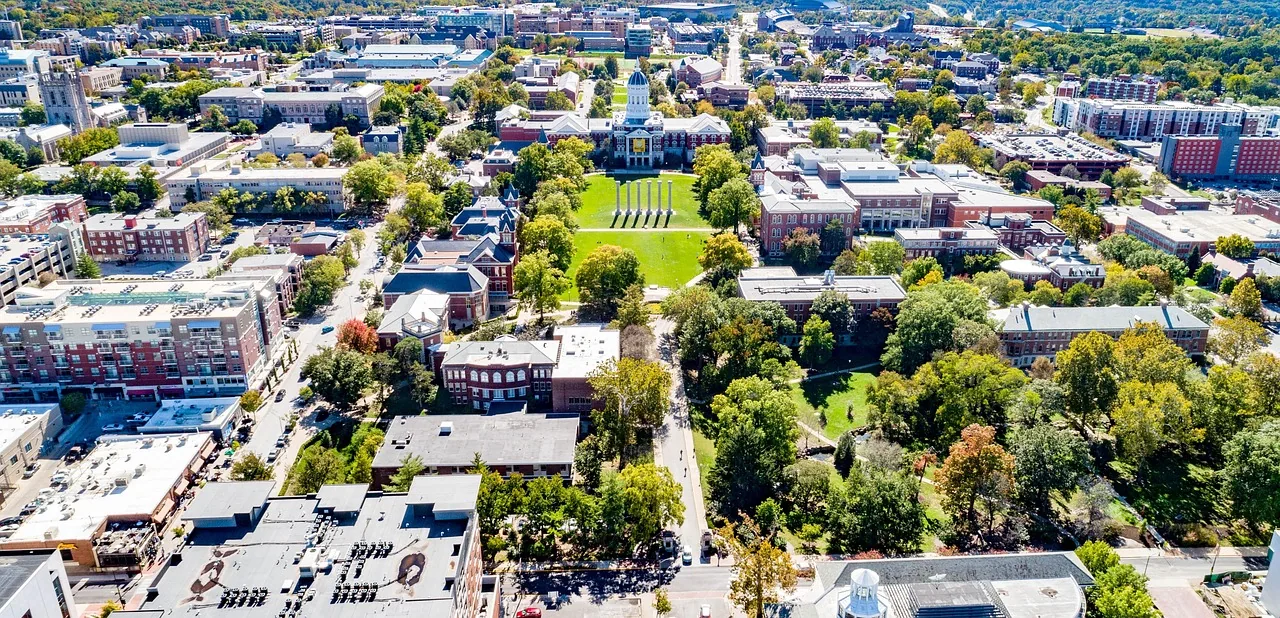
How do we keep the correct parcel in scope?
Use a street address or parcel reference, building identifier, owner contact, roof zone, and inspection date on the work order. The park’s platted lots span Route B, Brown Station Road, Peabody Road, Bollard Road, and Cartman Road. That geography makes a general “Ewing” label too broad for dispatch, access, and photo indexing. We confirm the exact property and the authorized roof route before the visit. On site, note visible roof material only when the details support it, then photograph seams, flashing, drains, curbs, edges, equipment supports, and prior repairs. An inspection record should state which areas were accessible and which were outside the approved boundary. A close image paired with a wider context view helps staff find the same detail later, especially when maintenance responsibility changes between tenants or property managers.
Related Roofing Work
More commercial roofing work connected to Ewing Industrial Park in Columbia, MO.
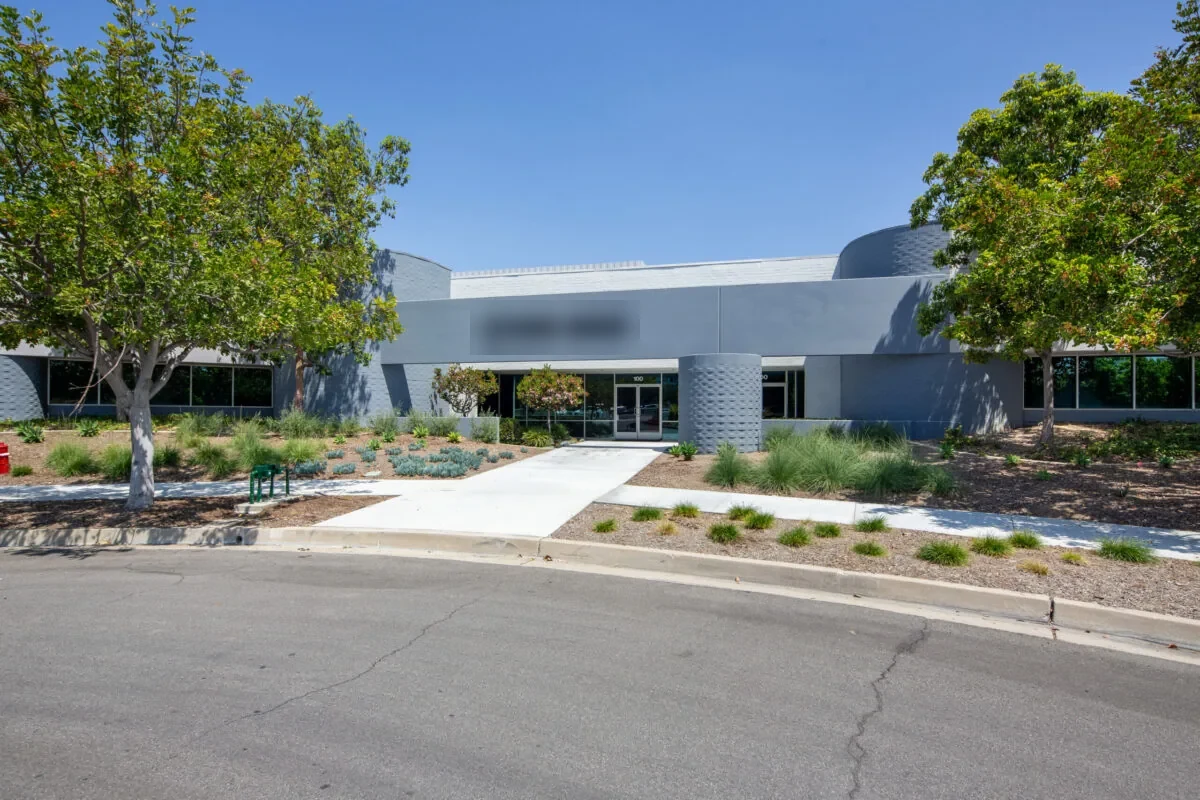
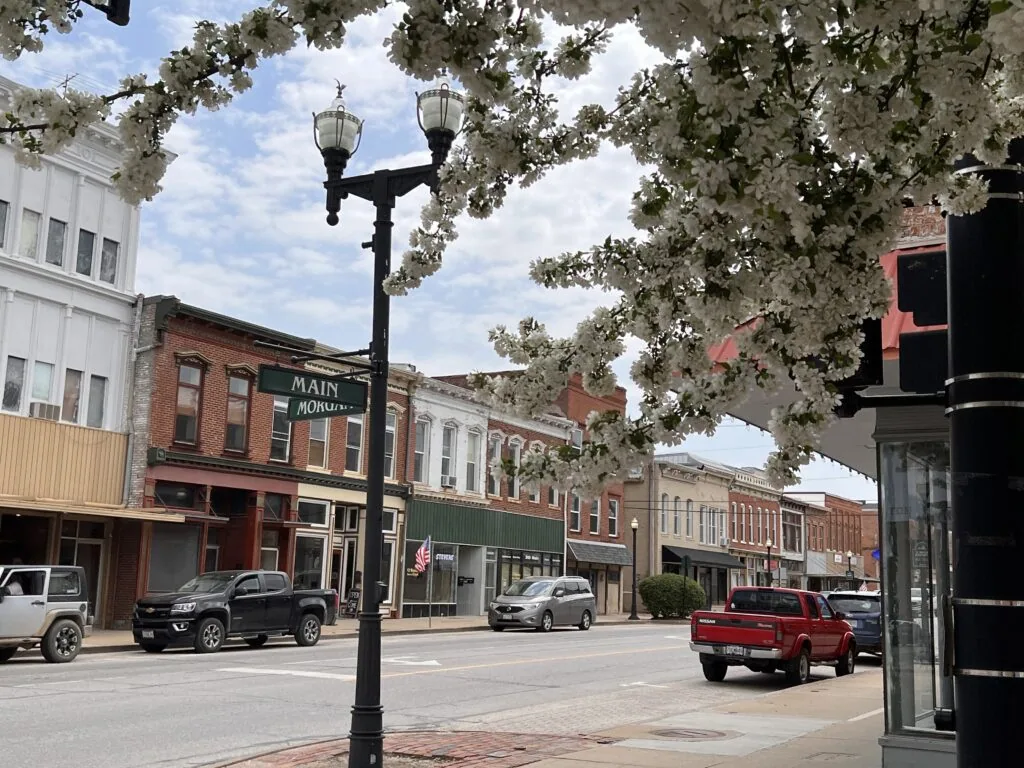
What should be reviewed on a commercial roof?
For a roof serving a commercial or industrial building, the first walk looks at how the assembly handles water and movement: seams, laps, terminations, transitions, penetrations, drains, and the path toward each outlet. We also record soft or damaged surface areas, ponding where visible, and prior patch edges without assuming concealed conditions. If the roof contains equipment supports or service paths, note whether foot traffic or curb details intersect the reported leak. The site contact can identify installed equipment and any operating limits; the roof walk verifies the assembly, drainage path, and condition at the building in scope. Equipment-curb details and drain and scupper review can be included where present. If a roof plan is missing, we label inspection points clearly and avoid presenting a sketch as a surveyed measurement or as-built record.
Which seasonal observations are worth preserving?
Columbia’s wettest season is spring, when strong storms can bring hail and tornadoes. Summer heat and localized heavy rain can affect surface and drainage conditions; later in the warm season, damaging wind becomes the more prominent severe-weather threat. Winter repeats movement around freezing and brings seasonal snow. A dated baseline lets the owner compare seams, edges, drains, and flashing after an event and decide whether the observed condition calls for repair or another check. If the owner reports a leak, compare the indoor location with roof details around it; water may travel before it appears. Hail documentation should record what is visibly impacted, and wind assessment should state which perimeter findings support the scope. When evidence is incomplete, record what needs another visit or a controlled test instead of assigning damage based on the weather report.
What makes a repair scope complete?
Describe the defect, its roof-zone location, preparation, compatible repair material, and the tie-in that completes the work. Say which adjacent condition is excluded and whether concealed moisture remains unverified. A single open seam or failed flashing may allow a bounded repair; multiple leak reports or recurring moisture may require testing before limiting the scope. Infrared survey work can help flag thermal patterns for confirmation, while an inspection opening may reveal the assembly below. The repair-versus-renewal comparison should consider substrate, insulation, drainage, attachment, perimeter condition, and the remaining service potential of the roof. Timing and price also depend on access, staging, material lead time, and work limits set by the property. We keep confirmed quantities separate from assumptions and identify any contingency for concealed conditions, so the owner can compare proposals on the same work boundary. A follow-up may also need a moisture check after rain or a repair review after materials cure, depending on the assembly. We record the reason for that return visit and what result would close the open question. If a broader project is deferred, temporary protection and a monitoring point should remain explicit in the owner’s decision file.
When a property name or lot changes, retain the owner’s current address and building identifier alongside any historic parcel reference. That prevents a prior roof photo or proposal from being applied to a different structure. The field sketch should mark entrances, roof levels, and the area authorized for inspection.
How should lot changes affect the roof file?
Keep each parcel’s roof history separate as leases, ownership, and improvements change. Save plans when supplied, dated photos, observed conditions, repairs, exclusions, and the next check. A condition report can turn field observations into a decision file; asset tracking can make recurring issues and follow-up dates visible across a portfolio. The plats at Brown Station Road and Peabody Road, and the later approval at Bollard Road and Cartman Road, refer to development areas in the park, not interchangeable building identities. The 763 Industrial Park and Mid-Missouri Industrial Park also require their own property records. A recommendation should be retraceable to the roof observed, the detail repaired, and the reason for any later change in scope.
For buildings with several tenants or additions, confirm who controls rooftop equipment and shared drains. The work proposal names those interfaces and states what access is included. If another party must provide access or isolate equipment, record that dependency and the follow-up needed before describing the roof area as fully inspected.
Ewing’s recorded plats cover multiple mixed-commercial and industrial lots, with activity documented beside Brown Station and Peabody roads and in later subdivisions. A park name alone therefore cannot tie a roof history to the right property. Confirm the parcel, building, and roof section with the property contact, especially when a service request mentions only Route B or a nearby road. Match each image to that location and record which part of the roof was reached. If ownership, lot lines, or building names have changed, preserve the current identifier alongside any older label found in maintenance records.
For a repair across a multi-lot property, state whether the work applies to one roof, a connected assembly, or more than one building. Show the included tie-in and any excluded edge or adjacent section, then photograph the completed boundary. If a roof opening exposes wet or deteriorated material beyond the allowance, pause the affected work long enough for the owner to review the added condition and scope. A change note should identify the evidence and approval. Clear boundaries keep a repair on one lot from being assumed to cover another roof elsewhere in the industrial park.
Commercial Roofing Questions
Does the 37-lot plat mean there are 37 commercial roofs?
No. The plat records lots and zoning, not completed buildings or roof systems. We confirm the property and building before assigning inspection findings or quantities.
Which address should I use when requesting roof service?
Provide the building’s current street address or parcel identifier, a site contact, and the reported roof area. We verify that reference before setting the access plan.
Can one repair quote cover several Ewing properties?
A portfolio quote can coordinate visits, but each property needs a separate condition, access boundary, repair scope, and price basis. Findings do not transfer between roofs.
What if the roof problem returns after repair?
We compare the new report with the dated repair record and inspect the same roof zone plus connected details. If the water path or moisture extent is still unclear, the follow-up scope should specify a test.