
Commercial Roofing at 763 Industrial Park, Columbia, MO
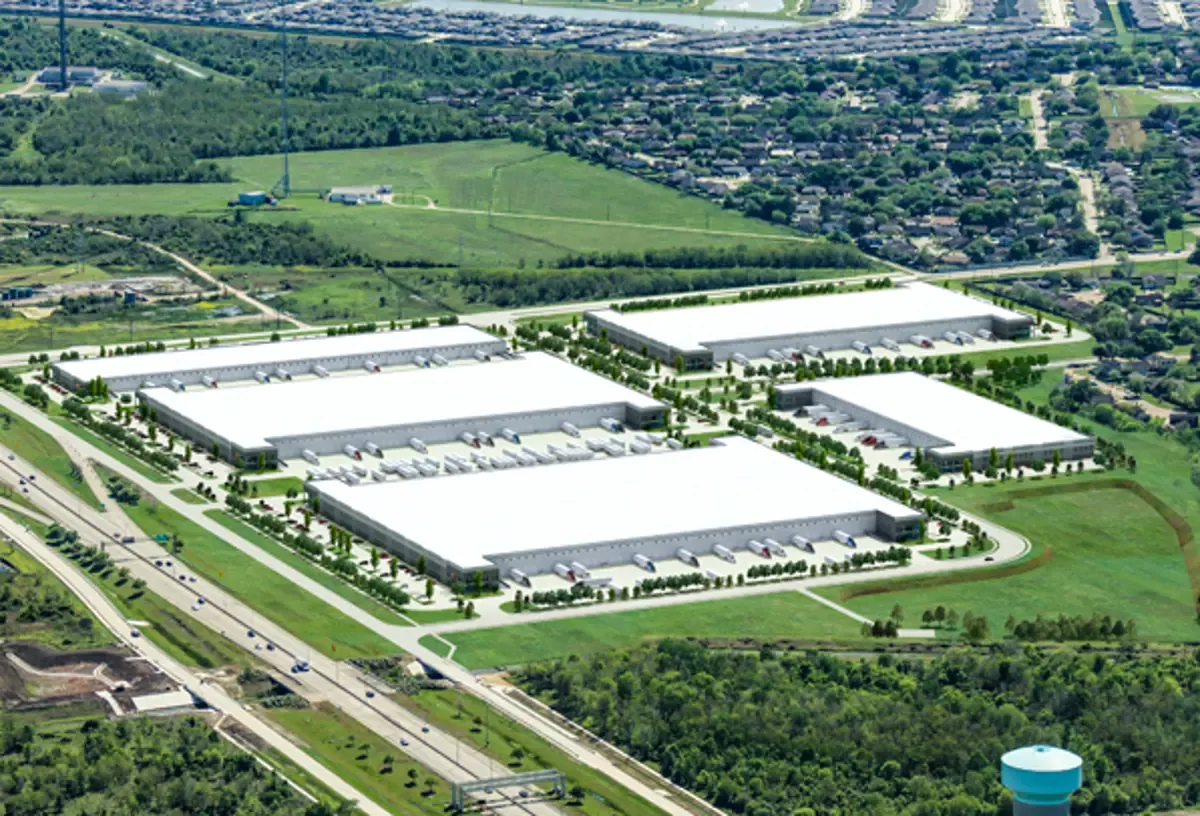
North Columbia’s 763 employment area includes separately mapped business and industrial development parcels. 763 Industrial Park follows the east side of Highway 763 near Harvester Road. 763 Business Park is a separate development, so use the property’s parcel and building name when requesting an inspection or assigning a repair history. We confirm the property, inspect only authorized roof areas, and document the visible assembly and conditions. Columbia weather supplies the exposure context: spring storms, freeze-thaw winters, and summer heat make drainage and transitions worth recording, while field evidence determines the repair scope.
Which property and roof area are included?
Before a visit, identify the street address or parcel, building, responsible contact, and roof zone. The park sits along Highway 763 and Harvester Road, while 763 Business Park is a separate development. A general reference to “763” is not enough to assign a leak report or work order. The owner provides access and current site instructions; we record them with the inspection limits. On the roof, we document seams, edge metal, flashing, drains, curbs, patches, and surface conditions that can be observed. A commercial roof inspection should not claim to cover sections that could not be safely accessed. When existing plans are available, compare their building reference with the field location; otherwise, use clear photo context and a field sketch labeled as an inspection reference rather than a surveyed drawing.
Related Roofing Work
More commercial roofing work connected to 763 Industrial Park in Columbia, MO.
What can a roof review establish before a project?
For an owner planning a new building, addition, or roof replacement, a review can organize the questions that affect the roof scope: drainage path, insulation, attachment, penetrations, perimeter details, equipment supports, access, and future maintenance. A development name does not define a building’s design. Confirm the planned or installed roof system, construction phase, and current condition from project drawings and field observation. If a structure is present, verify its use and roof assembly through owner records and field observation. If construction is planned, coordinate roof design with the project’s structural, energy, and drainage requirements. For new construction or alteration, the City’s current plan-review rules guide the design path; the owner’s architect can confirm which provisions apply. A roof insulation review or a drainage assessment can be part of that planning when the actual building conditions call for it.
Which Columbia conditions belong in the maintenance plan?
Spring is the region’s wettest season, with a greater chance of strong thunderstorms that can bring hail or tornadoes. Summer can bring hot periods and localized heavy rain; later-season severe weather more often centers on damaging winds. Winter freeze-thaw cycles and seasonal snow add movement and drainage exposure. Use these seasonal patterns to choose inspection timing and the details to revisit at 763 Industrial Park. After a dated event, photograph any visible displacement, puncture, open seam, or drainage obstruction and compare it with prior records where possible. A wind review should identify observed edge or attachment conditions; hail documentation should separate confirmed impact from ordinary aging. A dated record makes a later repair decision more defensible than a general statement that the area experienced severe weather.
How is the repair boundary documented?
A repair recommendation should tie each proposed action to an observed condition. We identify the roof zone, preparation, compatible materials, tie-in, and adjacent features included, then list any limitations. If interior water appears away from the suspected opening or moisture may extend below the surface, testing can help determine whether a small patch is sufficient. Infrared moisture mapping can flag patterns for confirmation but does not prove wet insulation by itself. Where several roof areas show wear, compare repair, coating, recover, and replacement using the assembly, substrate, drainage, attachment, and remaining service potential. Cost and timing can change with access, staging, material lead time, testing, and any hidden conditions found after opening. For a property still moving through development, drawings and field conditions may change; the scope record should identify the specific revision or inspection date it reflects. If a repair estimate uses a field quantity before drawings are finalized, show how that quantity was measured and what was excluded. That gives the owner a clean basis for reconciling later revisions. We can also schedule a follow-up after the next weather exposure when the initial finding calls for monitoring rather than immediate replacement.
If a parcel has more than one structure or a changing site plan, assign each building a stable field label before documenting conditions. Use the address or owner’s identifier in photographs and proposals, and keep preliminary drawings distinct from verified field references. That makes it easier to reconcile a later inspection when construction or ownership records are updated.
How can the site record stay clear over time?
Keep property names, parcel references, building identifiers, and roof-zone descriptions consistent across inspections. Save dated photos, conditions observed, repairs completed, exclusions, and the recommended follow-up point. A condition report connects the image to the location and decision; roof history tracking can organize changes as ownership, projects, or maintenance staff evolve. Because 763 Industrial Park and 763 Business Park are separate developments, preserve that distinction in work orders and proposals. Ewing Industrial Park, off Route B in northeast Columbia, is another separate employment area, as is Lemone Industrial Park. Keep each site’s findings with its own work order and roof map. If a later assessment changes the recommendation, document which new finding changed the repair boundary, whether testing was completed, and what remains for a future visit.
Where the scope is preliminary, state which quantities come from drawings and which were confirmed on the roof. A change in footprint, access, or equipment can alter drainage and perimeter work. The estimate should identify its plan date and exclusions, then be revised when a field observation or approved design changes the boundary.
763 Industrial Park and 763 Business Park are separate properties, even where a service request mentions only “Highway 763” or “Harvester.” Identify the owner’s parcel and building before assigning photographs, prior repairs, or access notes. A useful field record labels each roof zone against the correct property, then records which details were visible from the approved route. If the parcel boundary or building label is uncertain, resolve it with the property contact before work is priced. This keeps a repair history from crossing between neighboring lots.
For a multi-tenant or newly occupied building, the first scope should separate what is observable from what still needs confirmation. Record the roof assembly if known, drain and edge locations, penetrations, prior patches, and any interior report that can be matched to a roof area. Note whether equipment, stored materials, or access limits prevented a close view. A repair proposal can then identify preparation, tie-in, temporary protection, and closeout photos without implying that an untested area is dry. The owner can use those same references to compare later inspections and decide whether a localized repair remains appropriate.
Commercial Roofing Questions
Can the industrial-park name identify an existing roof system?
No. It identifies the approved subdivision and location. We confirm the building, roof assembly, and current condition through owner records and an authorized field inspection.
Are 763 Industrial Park and 763 Business Park the same development?
They are separate developments. We use the parcel and building reference on the work order so the inspection and recommendation apply to the correct property.
What should be checked after a spring storm?
Photograph the reported area and inspect accessible seams, flashings, edges, and drains for visible changes. We distinguish observations from any moisture question that requires testing.
What can change the cost of a repair?
Access, staging, roof assembly, material compatibility, testing, and concealed conditions can change the boundary. We state those assumptions and document any field finding before expanding the work.