
Commercial Roofing in Rocheport, MO
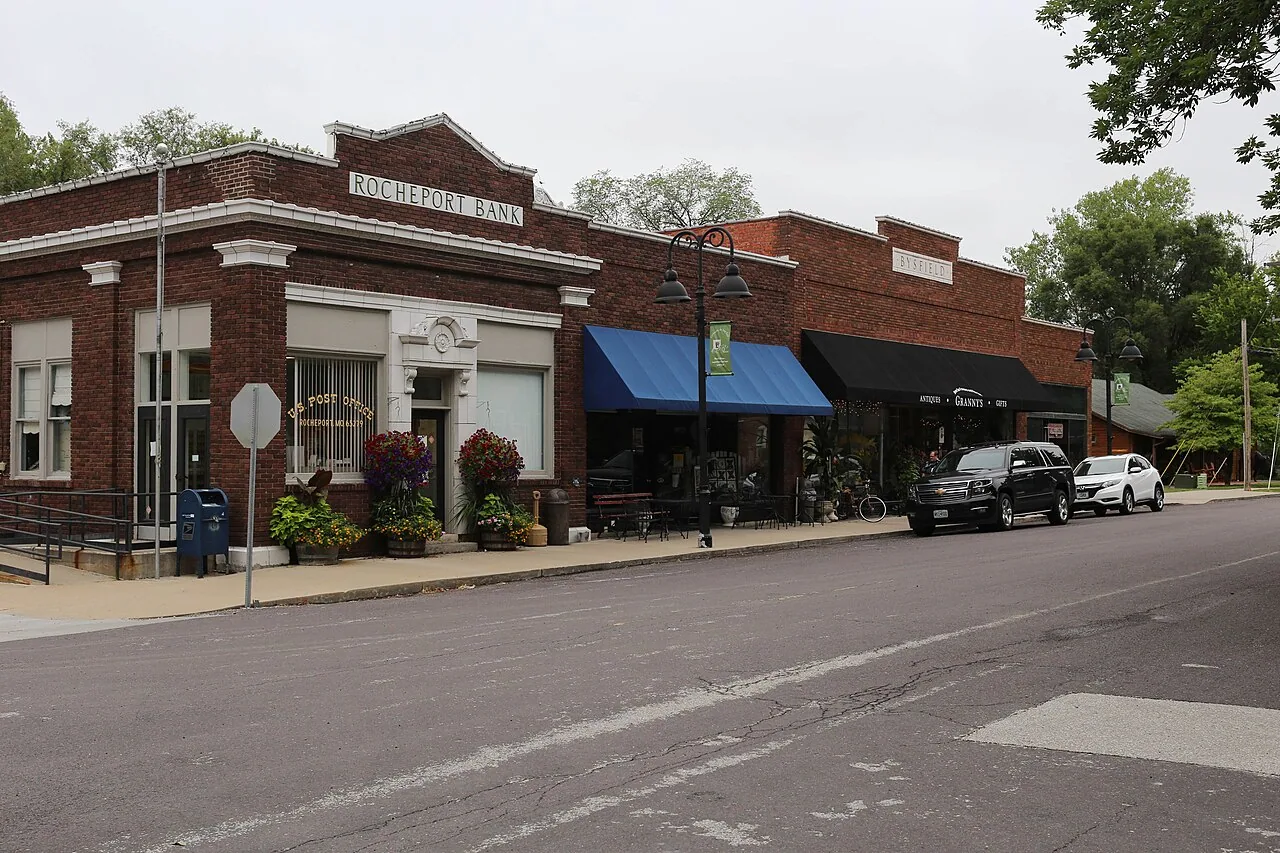
Rocheport is a Boone County municipality west of Columbia, with local businesses and visitor-serving uses connected to its historic town setting and the Katy Trail. Those community details do not establish the roof condition at an individual property. We confirm the responsible property contact, access authorization, and reported interior location before inspecting. Then we record visible seams, drains, penetrations, flashing, and repair history in the roof area reviewed. Columbia’s wet springs, freeze-thaw winters, and summer storms create reasons to compare roof conditions over time. A dated report ties the repair decision to the specific building and evidence observed.
How should an interior leak be located?
Give the property contact the business or building name, room or ceiling area affected, date observed, and whether the condition changes during rain. When water appears inside, the occupant can identify the room, while the property contact confirms corresponding roof access and building section. Water can travel through a building assembly before it becomes visible. We map the reported point, inspect nearby roof transitions, penetrations, drainage, and prior patches, and state any areas not accessible. A roof inspection should not infer a source directly above the stain. Clear photos with a wider location view make it easier for the owner to coordinate follow-up with occupants and maintenance staff. The property representative confirms current access and whether interior protection or notice is needed before work begins.
Related Roofing Work
More commercial roofing work connected to Rocheport in Columbia, MO.

What details belong in the condition file?
Record the roof assembly when it can be verified, then photograph seams, lap edges, penetrations, curbs, drains, wall transitions, perimeter metal, and visible patches connected to the report. Note whether water is standing, moving toward an outlet, or blocked by a visible obstruction. A photograph can document the surface, but cannot establish the insulation or deck condition beneath it. If concealed moisture would change the repair area, infrared moisture mapping or a controlled opening may help answer that question. A written condition report can separate what is known from what still needs testing. Rocheport’s location in Boone County and connection to the Katy Trail provide community context, not roof measurements or an as-built plan. We use available drawings or field measurements to define quantity and identify the basis used in a proposal. Where the report includes an interior symptom, mark that information as owner-reported, then keep it distinct from the roofer’s surface observations. This separation helps the manager assess the moisture path without overstating what a visual inspection can establish.
Which Columbia weather events belong in a follow-up?
Spring is Columbia’s wettest season and a common period for severe storms that may bring hail or tornadoes. Localized downpours can occur in summer, and damaging winds become a more prominent threat later in the warm season. Winter brings recurring freeze-thaw conditions and seasonal snow; summer heat creates another exposure for aged materials. A storm report is not proof of roof damage at any Rocheport property. If an owner asks for a post-event review, note the date, roof zone, reported interior area, observed changes, and any earlier comparison photos. Hail inspection records impact evidence; wind review documents edges and terminations where visible. If a leak persists but the exterior evidence does not show its route, identify the test or revisit needed rather than assign a cause from the weather alone.
What repair detail should a proposal explain?
State the roof zone, visible defect, preparation, compatible material, tie-in, and adjacent conditions that are excluded. A bounded flashing or seam failure may support a local repair; a recurring leak, multiple separated defects, or uncertain moisture extent may require testing first. An interior complaint does not by itself define the repair boundary. We compare the interior report with roof evidence and mark what remains open. When deterioration appears broader, assess repair against coating, recover, or replacement after reviewing substrate, drainage, insulation, attachment, penetrations, and edge conditions. Timing and cost depend on access, staging, material lead time, work hours, and any concealed condition found after opening. Phased work planning can coordinate open areas and close-in checks. The final scope should distinguish confirmed repair from investigation or allowance, so the owner knows what will be completed and what decision remains. If the proposal includes emergency stabilization, state how long the temporary protection is intended to remain and what follow-up inspection is needed. At completion, provide dated images of the repaired detail and any nearby condition left for monitoring. These closeout notes help property staff distinguish a completed leak repair from a temporary measure or an investigation that remains underway.
When a report comes from an interior suite, note the room, ceiling condition, and timing before tracing nearby roof areas. Water can follow framing or insulation, so the nearest roof penetration may not be the source. We compare the report with accessible seams, drains, walls, and previous repairs, then preserve unresolved paths for follow-up.
How can the next visit use the same reference?
Keep the building or area reference, address, roof-zone description, inspection date, photos, work performed, exclusions, and next check together. A property manager can then compare another report with the exact location rather than a generic building note. Roof history tracking can organize repeated service, but each finding remains tied to the asset and roof area inspected. Rocheport is a Boone County municipality west of Columbia; the Katy Trail passes through town and Interstate 70 is about two miles away; nearby Broadway Business Park and East Broadway / Route WW Corridor are distinct locations with separate records. If a field test changes the recommendation, note what was confirmed and how the scope changed. If a condition is deferred, list the protective measure and a follow-up date. That gives the next facilities contact a clear account of completed work, pending questions, and the evidence that should be reviewed on return.
At any commercial property, distinguish shared roof components from occupant equipment and interior finishes. The proposal identifies the work boundary and any service coordination needed from the occupant or property manager. Closeout photographs should include the roof detail and a broader reference so a future visit can return to the same location.
At a commercial property, a ceiling report is most useful when it includes the room and business-area reference. Ask the occupant to identify the location and when water appeared, then have the property contact confirm the relevant roof access and building section. Do not treat the interior layout as proof of a leak path. Use the roof walk to compare drains, penetrations, seams, and prior repairs above or near the reported area, and record which observations remain uncertain.
Because occupants and property staff may describe an area differently, use the room or business label and a stable roof-zone reference in the file. A photo should include a detail view and context that lets the next technician orient themselves. At closeout, note whether the repair was limited to the roof, whether any ceiling follow-up is still expected, and who will report a recurrence. This distinction prevents an interior stain that has not yet faded from being confused with a failed roof repair, while keeping the next check tied to the same building and location.
Commercial Roofing Questions
Does a suite without exterior walls have a separate roof?
The agenda describes a sign-variance request, not a roof layout. We confirm the actual building and roof zone with property plans and an authorized inspection.
What should I report when water appears in an interior suite?
Send the suite, room location, date, weather conditions, and prior repair details if available. We use them to orient the inspection, then verify the roof evidence.
Can roof work be coordinated across multiple tenants?
The property contact sets access and notice requirements. We can define zones and sequence work, while keeping each reported condition and affected area identified.
When is a test needed before a repair?
Use a test when its result could change the repair boundary or renewal decision. We name the uncertainty, test location, and possible scope effect before proceeding.