
Commercial Roofing along East Broadway in Columbia, MO
East Broadway, also known as Route WW, is a major arterial extending from Garth Avenue toward Columbia’s eastern metropolitan boundary. City transportation plans describe roadway, sidewalk, and bicycle-route improvements along the corridor. This context helps orient a service request, but it does not identify a particular property’s roof system or condition. We confirm the building area, approved access, and reported interior location before inspecting. Columbia’s wet spring storms, summer heat and localized rain, and winter freeze-thaw conditions help set inspection timing. A dated roof record then ties the recommendation to seams, drains, flashings, and other visible details at the specific property.

How should a leak request identify the location?
Give the property representative the full address, affected suite or shared area, time the symptom appeared, and any earlier repair reference. Water may travel across a roof assembly before it shows indoors, so the stain is not always directly below the entry point. The manager confirms whether the work is in common space or tied to a particular tenant and approves roof access. We map that area, photograph visible details, and list any section that could not be reached. A commercial roof inspection can compare the interior report with nearby seams, penetrations, wall transitions, curbs, and drainage. Tenant schedules vary; we confirm current hours and protection requirements instead of assuming all stores or restaurants operate alike. An address-specific record makes it easier to route the report to the right manager and compare it with any prior service.
Related Roofing Work
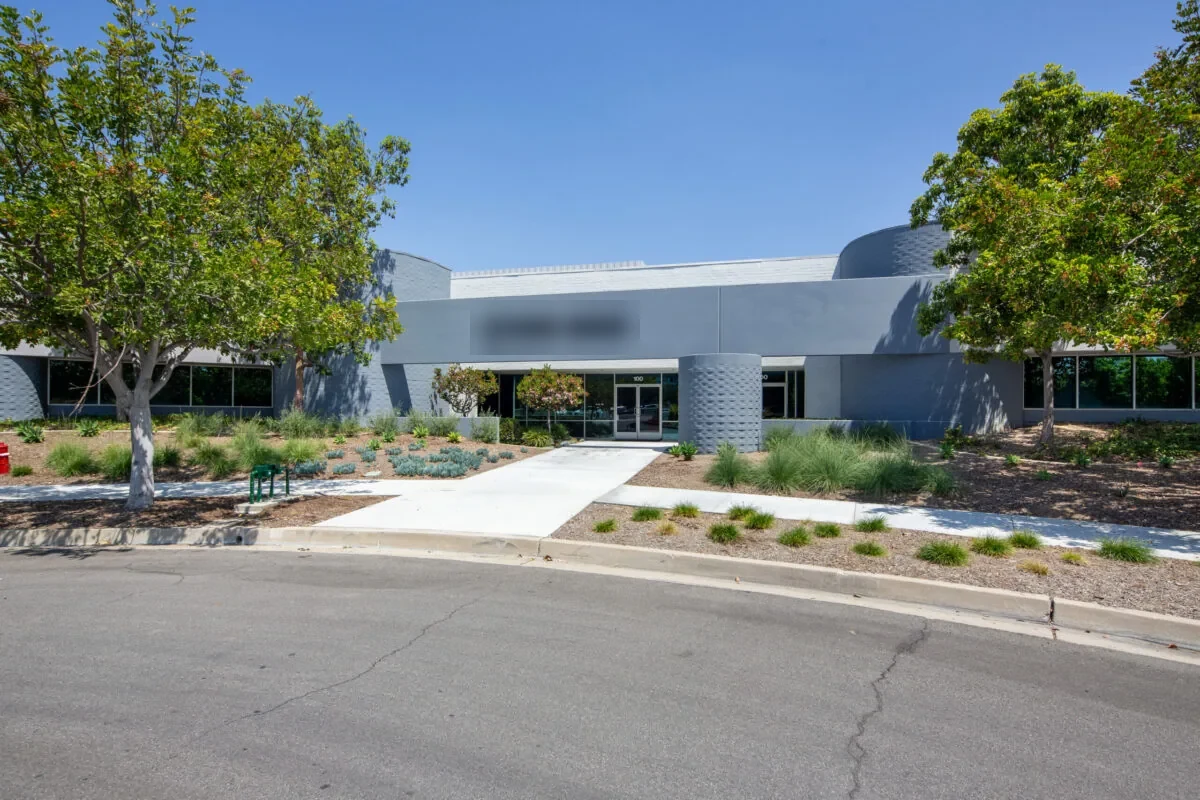
More commercial roofing work connected to East Broadway in Columbia, MO.
Which roof details help trace water?
Follow drainage from the reported zone toward its outlet and inspect the related laps, terminations, penetrations, flashing, and edge metal. Note visible patches and whether the surrounding material appears suitable for another tie-in. A surface view cannot confirm moisture inside the assembly. If the wet area may extend beyond a visible defect, infrared mapping can identify patterns that need confirmation, while a condition report records the question and next step. Photograph each finding with context so the same roof area can be revisited. The corridor’s mix of road users and adjacent commercial activity is not evidence about a particular property’s roof type, structure, or ownership boundaries. The property representative identifies those details and any access restrictions. If a reported leak is near a sign, rooftop unit, or wall transition, the inspection checks the detail when it is within the approved route.
When should an owner schedule the next check?
Columbia’s spring brings the most regular rainfall and the higher likelihood of strong storms with hail or tornadoes. Summer heat and scattered heavy downpours create another inspection period; damaging winds become more prominent later in the season. Winter temperatures cycle above and below freezing, and seasonal snow can affect drainage. Those regional conditions guide timing but do not prove that a roof along East Broadway was damaged. After a weather event, note the date, tenant or common area reporting the issue, roof zone examined, and any visible change from earlier photos. A hail check should describe observed impact, while wind review documents edge, seam, and attachment evidence. If weather data and roof findings do not align clearly, the report states what additional testing or revisit could resolve the difference instead of claiming a cause.
What should a tenant-area repair scope contain?
State the exact roof zone, observed defect, preparation, compatible material, tie-in, and nearby conditions outside the work. The owner should see whether the proposal covers only a leak point or includes connected details that could affect durability. If multiple areas are failing or moisture remains uncertain, testing may be a better first step than extending a patch without evidence. Compare repair, coating, recover, and replacement against the assembly, insulation, substrate, drainage, attachment, edge conditions, material lead time, and active tenant requirements. A larger reroof can be sequenced by work area and end-of-day close-in point. Occupied-property phasing helps define the daily opening limit and protection. Cost and timing may change with staging, schedule restrictions, and conditions found after opening; document any revised boundary before adding work. Columbia’s project review rules depend on the planned alteration, so design and code questions should be confirmed with the project team. A short-term stabilization should be labeled as such, with its limits and the event or date that will trigger another review. Permanent correction should be described separately, so the closeout record does not suggest that temporary protection resolved a concealed or broader condition. The property team can then make the next decision from a clear account of completed work and remaining risk.
At a commercial property along a busy corridor, the business area, interior symptom, and report time help narrow the first roof zone to examine. Confirm the affected room or operational area and the person authorizing roof access. The roof plan and property contact can then identify nearby drains, curbs, and transitions without treating separate buildings as one water path.
How can follow-up help tenants and property staff?
Properties along East Broadway / Route WW have separate access arrangements and roof histories. The Boonville and Jefferson City service areas are separate municipal markets, each with its own property contacts and inspection records. A condition observed on one roof does not set the repair boundary for another. If repair work leaves an item to monitor, name the roof zone and the date or weather event for another look. Closeout photographs should show the completed boundary and any excluded condition. This record helps the manager answer what work occurred, which building area was affected, and what remains unresolved.
If customer access remains open during service, agree on the staging point, overhead protection, delivery window, and route that stays clear. A short repair can still affect a storefront entrance or shared service lane. Record the work zone and the time it is returned to normal use, then attach that note to the exact property record.
Before approving work, confirm whether the repair crosses a tenant boundary or addresses a shared roof component. The written scope should identify staging, pedestrian protection, the flashing or membrane detail included, and any interior work excluded. At completion, the property contact receives dated photographs and a note describing what remains for a later visit.
Commercial properties along East Broadway can have different operating hours, access routes, and work constraints. The corridor location does not determine which building section is involved. Identify the business or property, interior reference, and roof-access contact, then mark the nearby roof details that could relate to the report. Keep scheduling notes in the work plan and roof observations in the condition record so neither is mistaken for the other.
Before a repair is closed, confirm that the agreed roof area has been completed and photograph the finished tie-in from a location that can be found again. If the repair requires opening the assembly, record what was exposed and what remained beyond the opening. A ceiling stain may take time to dry, so its appearance alone is not a reliable confirmation of continuing entry. Note any follow-up date or observation agreed with the owner, and compare the same interior and exterior references. That gives property staff a practical way to determine whether the repair resolved the reported path or whether another investigation is needed.
Commercial Roofing Questions
Do the nearby national retailers share the same roof?
The fact that those stores are nearby does not define parcel or roof ownership. The property manager confirms which building and roof area are included in a particular request.
Should a tenant report a ceiling stain or wait for water to recur?
Send the location, date, and any available photo when the condition is noticed. We can inspect the related roof area and determine whether the evidence supports repair or further testing.
Can roof work be done during business hours?
The property representative sets approved hours, access, staging, and any tenant protection requirements. We plan the work area and close-in around those instructions.
What happens if hidden damage is found?
We photograph the exposed condition, explain how it changes the proposed boundary, and provide the revised scope for approval before proceeding with added work.