
Commercial Roofing at Discovery Ridge Research Park, Columbia, MO
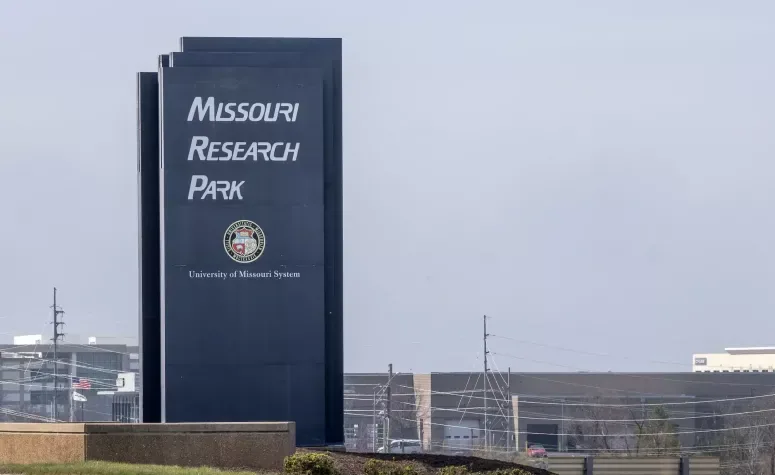
Research and technology buildings at Discovery Ridge call for roof decisions tied to the actual facility, not a park-wide assumption. The University of Missouri Research Park supports technology development, and its described research areas include agriculture, health, engineering, and biology. A roof review should identify the building and zone, record the membrane or metal details that are visible, and connect each condition to the space it protects. Columbia's weather adds distinct checks: spring storms can bring hail and tornadoes, while winter freeze-thaw cycles and summer heat test seams, penetrations, and drainage in different ways. A dated photo record can separate what the inspection found from what the forecast suggested. It also gives a facilities contact a basis for deciding whether to repair, test, or monitor a specific roof area.
What should a research-facility roof review record?
Start with the facility name, roof zone, inspection date, access limits, and the reason for the visit. At a research site, the occupant or facilities manager may need the work area, interior adjacency, and any operational restriction identified before the crew arrives. We confirm these conditions with the property contact rather than infer them from the park's research mission. On the roof, we document seams, perimeter terminations, penetrations, equipment supports, drains, and previous patches that fall within the authorized route. A useful condition report with photographs captions each image by roof area and says what it does and does not establish. Where a surface observation cannot reveal insulation moisture or attachment below the membrane, the report should identify an appropriate follow-up test instead of converting suspicion into a finding. That distinction protects the decision file when another reviewer uses it months later.
Related Roofing Work
More commercial roofing work connected to Discovery Ridge Research Park in Columbia, MO.
How do seasons change the inspection questions?
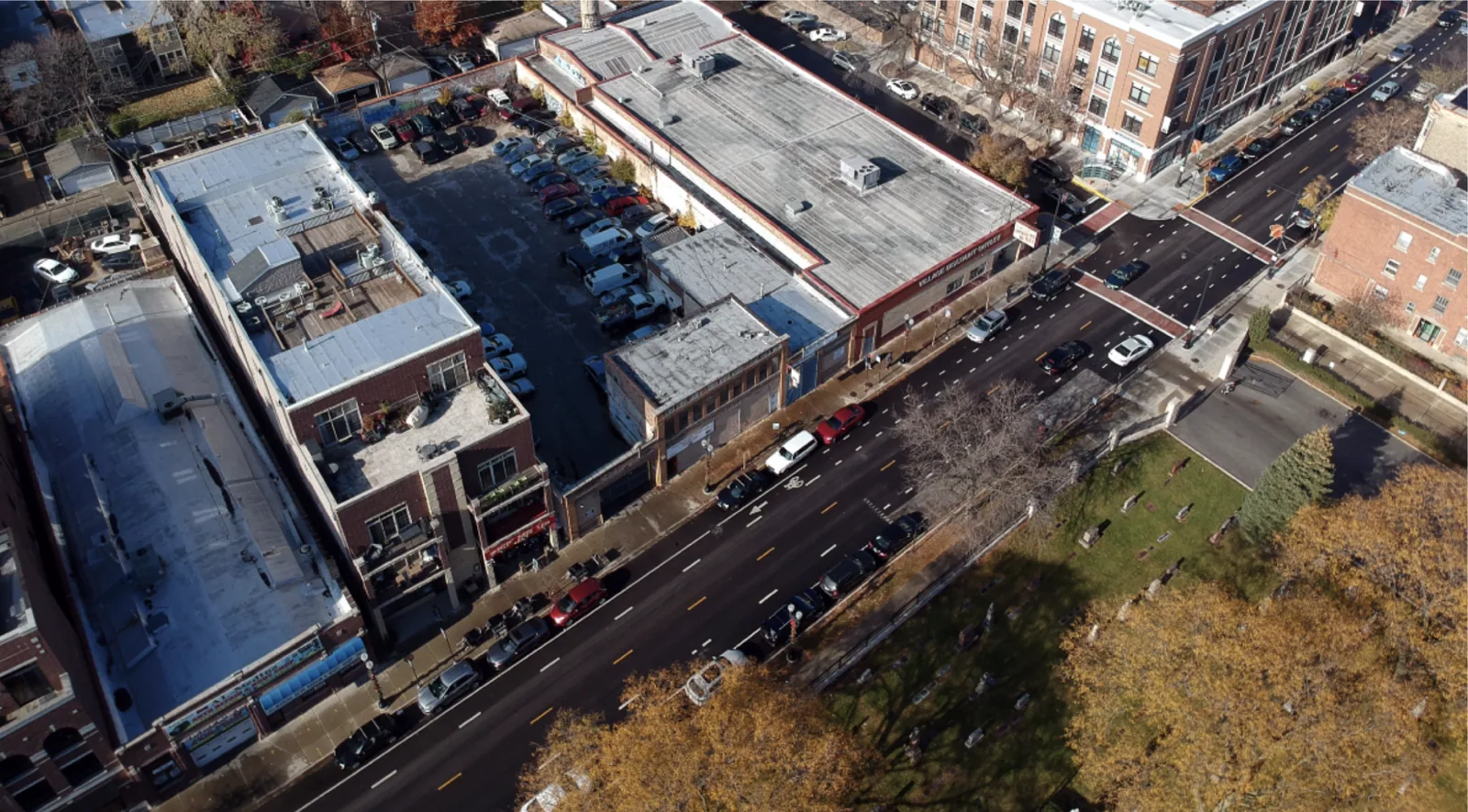
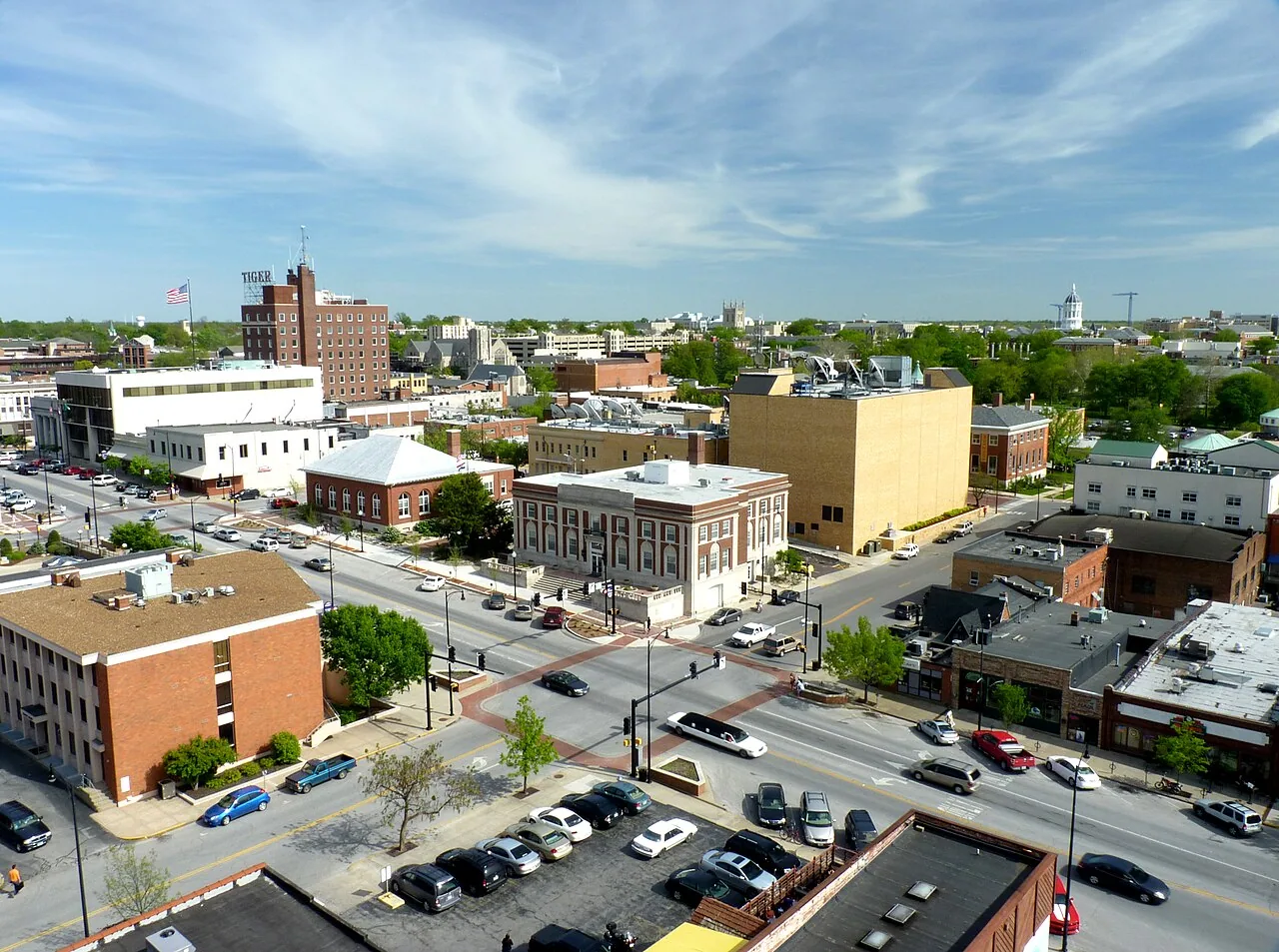
Weather exposure matters here as a reason to examine details, not proof that the roof has damage. Columbia's spring is its wettest season and the period most associated with severe storms capable of large hail or tornadoes. After a dated event, we compare the reported area with visible edge metal, seams, flashings, and rooftop penetrations; we note fresh displacement only when the evidence supports that description. Winter brings repeated movement around freezing and seasonal snowfall, so drainage, low points, and water paths deserve attention before and after the cold period. Summer heat can affect aged materials and make a weathered surface look different from a newly damaged one. A hail-related roof assessment should preserve that distinction, while a scheduled inspection can establish the baseline against which later photographs are compared.
Which next step fits the evidence?
A repair is a reasonable candidate when the defect is visible, bounded, and surrounded by material that can accept a compatible tie-in. We identify the preparation, repair area, and adjacent conditions included, then state what remains outside the boundary. If staining has recurred or moisture may extend beyond the visible symptom, infrared survey or a controlled opening could change the scope. Infrared moisture mapping helps locate thermal patterns for confirmation; it does not by itself identify the source or prove wet insulation. If multiple areas show age-related wear, compare targeted repair with coating, recover, or replacement based on substrate condition, drainage, insulation, attachment, and remaining service potential. The actual assembly and project design determine which option fits. Columbia's current plan-review package includes existing-building and energy codes, so a planned alteration needs a project-specific review path. The field record should keep code questions separate from the condition observed on the roof.
How can roof history help facilities planning?
Research operations can change while the roof remains in place, which makes a consistent roof history useful for handoffs. We can organize dated observations by building and roof zone, retain photographs, list completed repairs, and set a follow-up point for areas that need another look. A roof asset record lets a facilities team compare condition and scope over time without treating every mark as a new failure. Discovery Ridge is described alongside Bond Life Sciences Center and the Missouri Innovation Center in the regional research network. Those names establish a university-linked research setting, not the roof assembly or access rules at any one address. If the work is near another property such as the Central City, Columbia or Forum Boulevard Corridor, we still identify that building separately. The file should record who authorized access, what was viewed, what was repaired, and which condition remains open. That gives the next inspection a verifiable starting point rather than a memory of the last visit.
A research property can have access controls or operational limits that differ by building and tenant. The facilities contact identifies the route, interior areas below, and any work window that could affect operations. We record those limits with the inspected roof zone rather than infer them from the research use of the park.
What can affect timing and cost?
Price and schedule depend on conditions that can be checked before a scope is finalized: roof access, travel and staging requirements, repair area, material compatibility, moisture extent, tie-in complexity, and whether the building can remain in normal use during work. For research facilities, the property contact also defines any access or work-window restrictions specific to the facility. We note those requirements without assuming that every tenant or laboratory operates alike. Wet insulation or concealed deck damage can widen the repair boundary after opening; a condition report should state how that possibility will be handled. A repair can often be planned around a limited area, while coating or replacement requires a broader review of drainage, edge details, penetrations, and temporary protection. Occupied-building sequencing can define daily work limits and close-in checks. When the scope changes, we document the added finding and proposed work before proceeding, so the final record reflects the decision made on the building.
When a test cut or other opening is considered, state the question it will answer, who approves the location, and how the assembly will be restored. A test is useful only if the result can alter the repair boundary or selected system. Preserve the test location, findings, and patch detail in the building record.
Discovery Ridge supports technology development and research connected with agriculture, health, engineering, and biology. Those fields do not establish special roof requirements for every tenant, but they make it useful to ask the facility contact about sensitive rooms, equipment, and access limits before work begins. Identify the building and roof zone, then record whether nearby penetrations, exhausts, or service routes are part of the reported condition. Keep operational constraints in the work plan and visible roof findings in the inspection record.
If the facility team is tracking several buildings or roof sections, use a stable naming convention and repeat it on the photo record, repair scope, and follow-up inspection. A dated observation should state what was seen, what could not be accessed, and whether any testing confirmed moisture below the membrane. Avoid treating a research use label as evidence of a leak or of a particular assembly. The value of the roof file is continuity: a new facilities contact can see which detail was inspected, what repair boundary was approved, and what question remains open without reconstructing the project from memory.
Commercial Roofing Questions
Does a storm report establish damage at Discovery Ridge?
No. A regional storm report describes weather exposure, not a condition at a particular roof. We inspect the identified building, photograph relevant details, and state whether the evidence supports a repair or another test.
When is infrared useful on a research building?
It can help identify thermal patterns that deserve confirmation when moisture extent is uncertain. We interpret the scan with roof observations and verify suspect areas before including wet material in the scope.
Can a repair be planned without interrupting the facility?
The facility contact sets access and work limits. We can plan a defined repair around those constraints, then confirm whether the roof condition or required tie-in changes the work window.
What records should be kept after a repair?
Keep the dated photos, roof-zone reference, materials and repair boundary, plus any exclusions or follow-up recommendation. Those details let the next inspection compare the same location and avoid treating old work as a new condition.