
Commercial Roofing in the Forum Boulevard Corridor, Columbia, MO
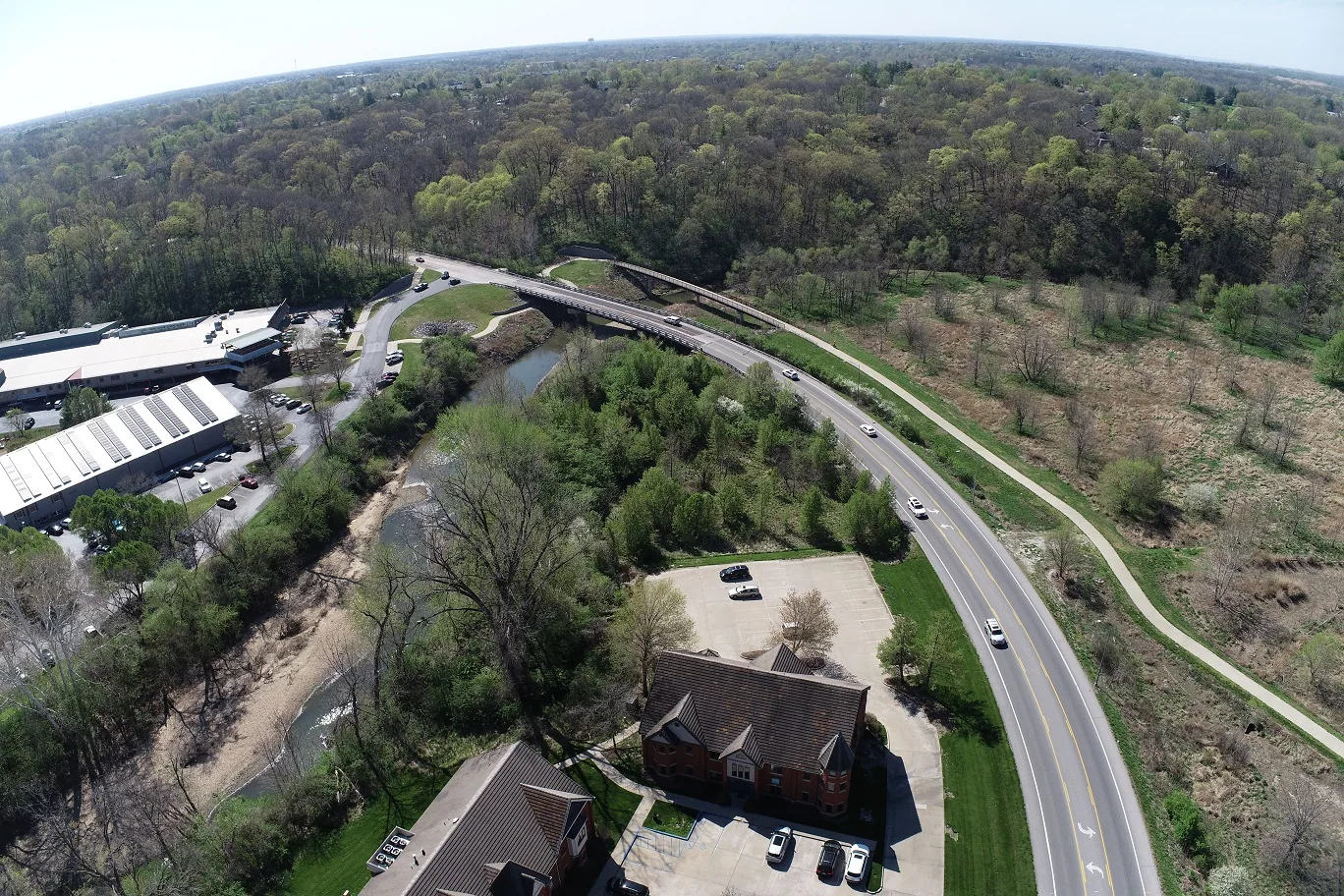
A commercial roof along Forum Boulevard may have separate access, tenant hours, and roof zones within one property. The corridor connects south Columbia to Nifong Boulevard, and commercial development has grown along that segment. We confirm each building’s operating schedule with its owner, then photograph the roof sections reached and record any seam, drain, flashing, or curb that relates to the reported issue. Columbia’s spring storms and winter freeze-thaw cycles provide useful comparison points, while the dated inspection identifies what the roof actually shows. The repair boundary follows that evidence and the owner’s confirmed access limits.
How should work be planned along Forum Boulevard?
Begin with the property and roof zone. Commercial sites along Forum Boulevard may have separate entrances, delivery schedules, and tenants, so the owner or manager confirms the contact, access route, and operating limits before inspection. A roof inspection identifies the system when it can be verified, then records seams, penetrations, curbs, drains, edges, and prior patches by location. We mark the areas reached and any section left outside the visit. If repair is requested, that boundary carries into the scope so the owner can compare price, sequence, and exclusions against the same roof area.
Related Roofing Work
More commercial roofing work connected to Forum Boulevard Corridor in Columbia, MO.
How should suspected moisture be handled?
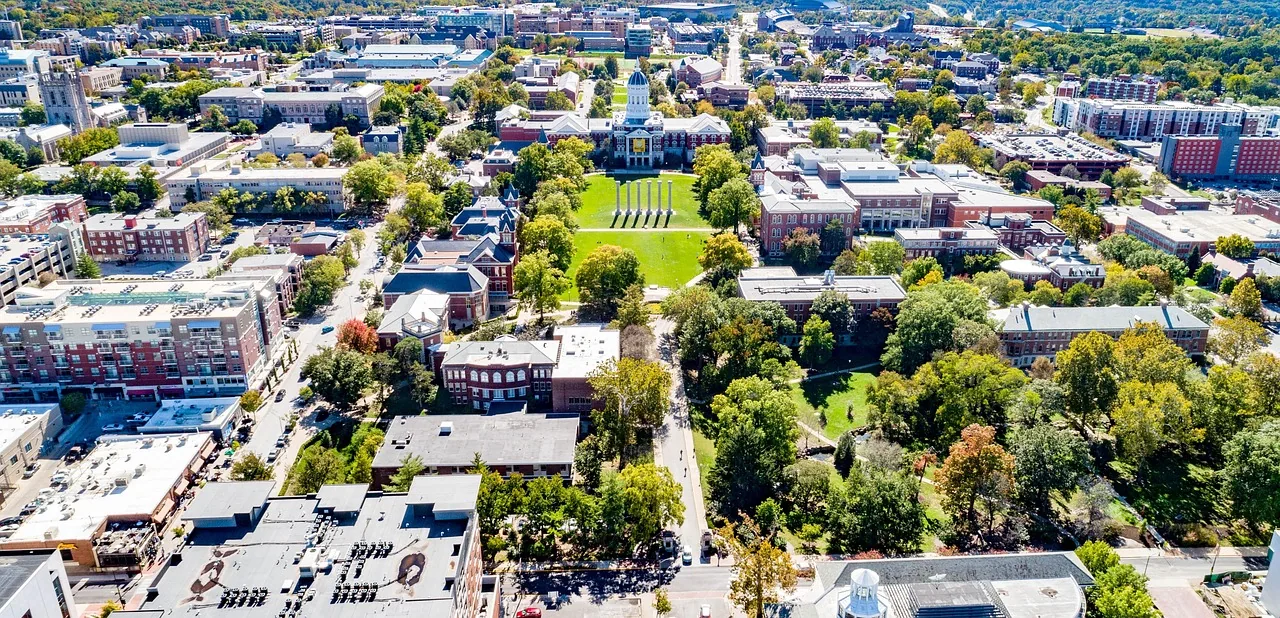
A ceiling mark or equipment-room report identifies where someone noticed a symptom, not necessarily the roof opening. We trace the likely water path through nearby transitions, drainage points, penetrations, and changes in roof height, then state which evidence is visible. If the extent remains uncertain, infrared moisture mapping can flag areas for field review; we compare those patterns with interior reports and roof details before deciding whether insulation is affected. A controlled opening may be warranted when its result would alter the scope. We record the test area, findings, and repair boundary so a project manager can distinguish confirmed material removal from an allowance for concealed conditions. When one owner manages several commercial properties, each building keeps its own observations instead of inheriting conclusions from a neighboring roof.
Where access is shared with customers, deliveries, or neighboring tenants, the work plan should show when materials arrive, which entrance remains open, and how debris leaves the roof. For a repair, the crew can often isolate a smaller area, but the opening still needs a temporary weather seal and a close-in check. A larger recover or replacement may require staged work zones and daily protection. Confirm the building’s current operating constraints with its owner before setting the schedule. We build confirmed restrictions into the schedule and keep unverified conditions out of the work commitment.
South Columbia’s commercial growth makes phasing a practical question on occupied sites. Before mobilization, the owner confirms tenant hours, delivery periods, roof access, and who can approve each daily close-in. We set the sequence around those limits and identify how an open assembly will be protected. If weather interrupts the work, the scope should show how the exposed area will be secured and who checks it before the crew leaves. The plan is specific to the building, even when several properties use the same corridor.
On a roof with two elevations, label each level separately and note where flashing or drainage carries across the transition. If the reported leak appears away from that connection, compare photographs of the intervening roof before assigning a repair to the nearest tenant space. That keeps investigation tied to a traceable path.
Which seasonal checks deserve a dated comparison?
In Columbia, heavy rain is concentrated in spring, with strong storm cells possible. Hot months bring isolated intense showers; later summer can shift attention to wind. Winter snow and alternating temperatures across freezing create a separate review period. A pre-season inspection can document current seams, flashings, outlets, perimeter details, and patches; after a storm, the same roof-zone photographs can help distinguish a new condition from existing wear. A maintenance record gives the owner a consistent point of comparison, while a storm review should identify exactly what was seen and what remains unresolved. Weather patterns guide timing. After a storm, inspect the roof and document visible conditions before defining repairs. Roof records can also capture drains before and after rainfall, edge metal after wind events, and any repair that changes a future inspection route. This yields a practical maintenance baseline without assuming that weather alone caused a defect. When the inspection cannot reach a suspect section, note its boundary and arrange access or a test that resolves the question.
What makes the repair or renewal choice defensible?
A sound scope connects the observed defect to the proposed work. For a local failure, we identify the preparation, compatible repair material, tie-in limits, and any nearby condition excluded. If moisture is widespread, seams are failing across separate areas, or the substrate is uncertain, testing may be more valuable than expanding a patch by guesswork. Compare repair, coating, recover, and replacement against the existing assembly, drainage, insulation, attachment, edge details, penetrations, and future access to equipment. TPO roofing or another system is appropriate only when the roof and project requirements support it. Columbia commercial projects are reviewed under the 2024 building, existing-building, and energy code package. Project designers determine which requirements apply to each alteration, while an inspection record documents the existing condition and work boundary for that review.
When one owner manages multiple properties, label each building, addition, and roof level separately. The property contact confirms occupancy, access, and any limits on equipment or photography. Keep those requirements with the inspection limits for that visit.
How can a roof file help between project teams?
Forum Boulevard serves a growing commercial area in south Columbia, where roof work needs to fit the specific property and the owner’s operating schedule. Keep photos grouped by roof zone, show the repair tie-in, and note any tenant or delivery constraint confirmed for that job. A portfolio that also includes Central City or the wider Columbia area benefits from separate roof records. Compare documented conditions, not assumptions that nearby buildings share a system or exposure. The closeout should show what was completed, what remains open, and the next check tied to a weather event or maintenance interval.
Before a larger reroof, we check whether drains, overflow paths, and edge details align with the work sequence. The proposal separates confirmed work from investigation and states how the roof will be protected at the end of each shift. If a section remains inaccessible, the closeout identifies it and sets a return visit when access is available.
Commercial Roofing Questions
How should south Columbia roof work handle access constraints?
The property owner confirms operating hours, deliveries, and which entrances must remain available. We divide work into zones, set daily close-in points, and identify how an opened area will be protected if weather interrupts the work.
How do you keep customer access available during a roof repair?
We divide work into zones, agree on material handling and debris paths, and identify the area that can be opened and closed during each shift. The owner confirms which entrances and operating hours must remain clear.
Can a storm report define which Forum property needs repair?
A regional report can help choose an inspection date, but it cannot diagnose a particular roof. We photograph observed displacement, punctures, open laps, flashing changes, and drainage conditions before defining repairs.
When should testing be added to a repair?
Testing helps when the answer affects the repair boundary, such as whether moisture extends past a visible opening or insulation is compromised. We state the question the test will resolve before including it.