
Commercial Roof Insulation and Cover Board in Columbia, MO
Insulation selection starts with the condition of the existing roof, not a board thickness chosen in isolation. We check for wet or compressed material, gaps, slope changes, attachment issues, and the surface that will receive the new membrane. A cover board can provide a stable layer for an assembly, but it cannot make a saturated or unsound substrate acceptable without addressing that condition. Columbia's climate brings hot summer periods, recurring freeze-thaw conditions, and seasonal rainfall. Those changes place different demands on a roof over time, while the correct insulation and cover board still depend on the building and project design. The I-70 Business Loop study describes commercial and industrial activity along the corridor, and the LeMone Industrial Park is a named Columbia employment area. Their land uses provide local context, not evidence about a specific roof's layers, loading, or condition. We inspect the actual assembly and document what can be verified before recommending tapered insulation, cover board, or replacement. That process also shows when more investigation is needed before materials are specified.
How do you assess existing insulation?
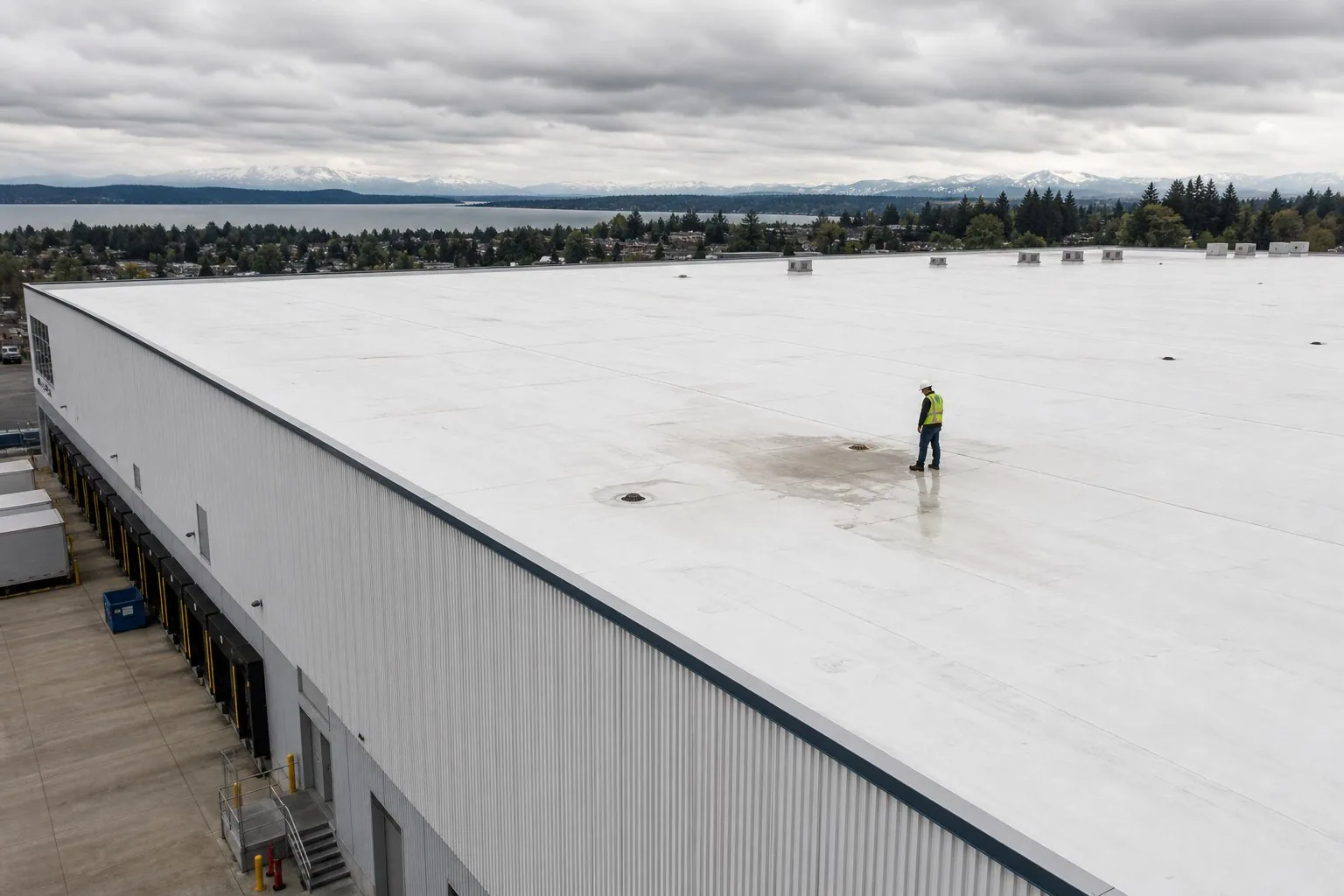
We review available drawings and repair history, then inspect representative roof areas for soft spots, open seams, ponding, damaged penetrations, and transitions where layers change. A surface observation can identify a concern, but it cannot confirm the full condition of insulation beneath a membrane. Infrared imaging, core samples, or selective openings may be considered when the result would change the repair decision. The inspection report distinguishes confirmed wet material from areas that need testing. It also notes the deck type where known, existing roof layers, attachment, and any condition that affects installation. When a roof contains more than one membrane or insulation layer, the record should identify where that change occurs and whether it affects removal or fastening. We also note visible deflection, loose boards, and previous patch areas without treating them as proof of a deck problem. A roof inspection can map visible conditions and access limits. If wet areas are suspected, infrared moisture review may help direct further investigation. A planned replacement scope should identify what will be removed, what may remain, and how hidden damage will be addressed if exposed.
Related Roofing Work
More commercial roofing work connected to Commercial Roof Insulation and Cover Board in Columbia, MO.
When is tapered insulation or cover board useful?
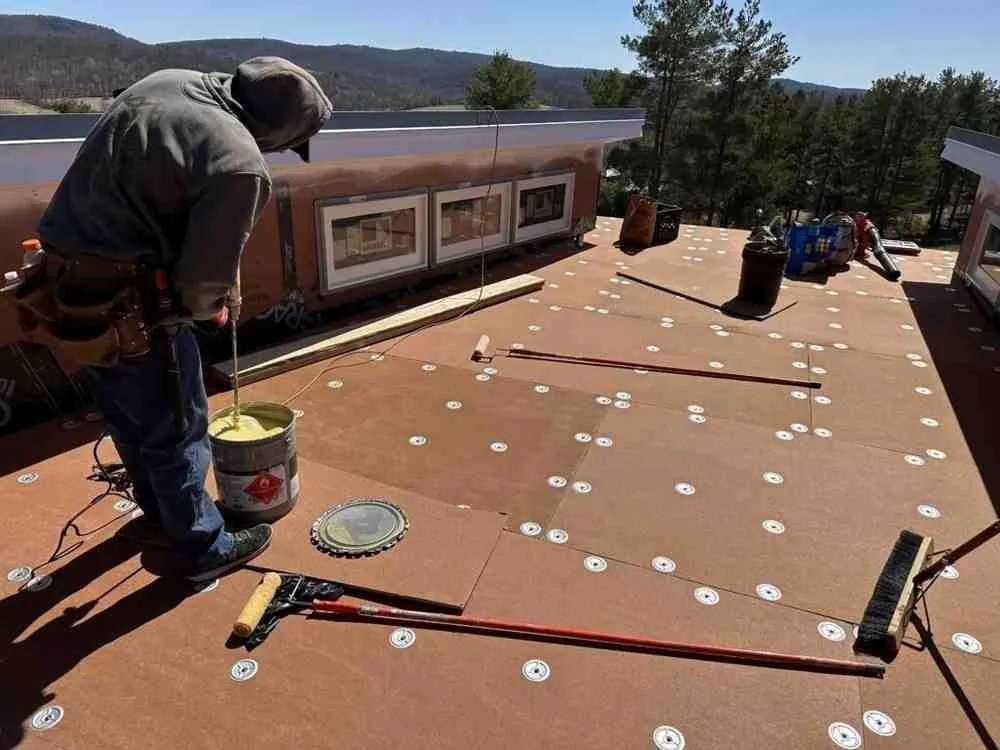
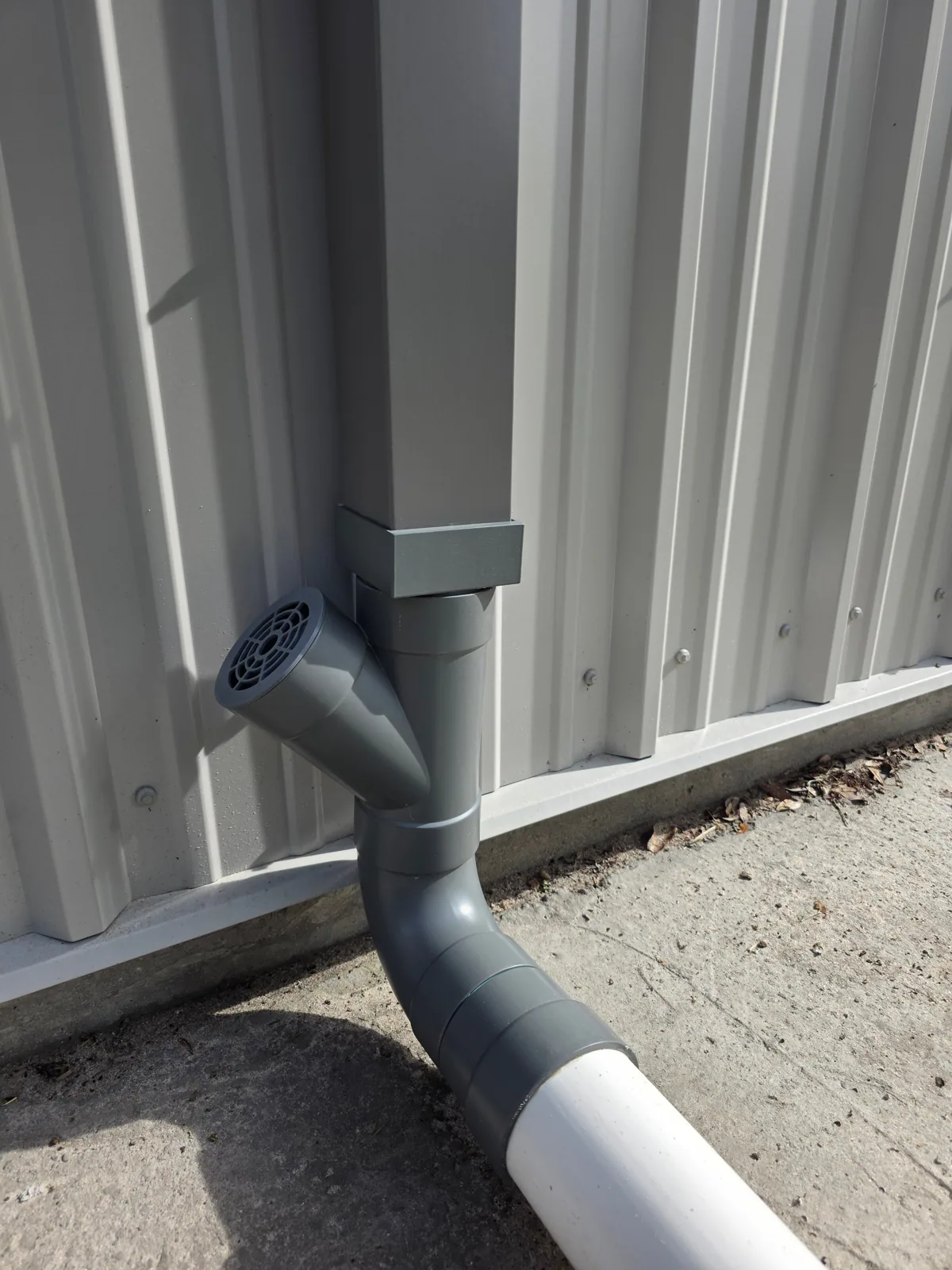
Tapered insulation is one way to create slope toward drains or scuppers when the design, deck, and elevations support that approach. The layout should identify high and low points, drain locations, crickets, and transitions at curbs or roof edges. It should not be described as a cure for every ponding area until the underlying roof and drainage path are understood. A cover board may add a durable surface for membrane attachment or help distribute service loads, depending on the selected system and manufacturer requirements. The proposal should state board type, thickness, attachment, stagger pattern, and how edges and penetrations will be handled. We should also show the intended board direction and taper sequence around equipment or other fixed features, where those are part of the project. That makes it easier to review how water is directed without assuming every low area can be removed through a tapered package. A drainage review can coordinate slope intent with the outlet. TPO assembly details and modified-bitumen systems have system-specific attachment and substrate requirements. We identify those conditions before pricing the assembly so the owner can compare options on the same basis.
What controls installation quality?
The crew needs to keep insulation dry, maintain the designed board layout, and secure each layer with the attachment method specified for the roof and deck. We verify fastener pattern or adhesive application, board joints, perimeter securement, and the fit around drains, curbs, equipment, and roof edges. Gaps or stacked joints can telegraph through later layers or create inconsistent support. Materials are staged to protect them from moisture, and exposed insulation is covered before a work pause. The daily plan identifies roof zones and the expected tie-in at each shift end. When the roof is exposed, the foreperson records what is complete before the next weather window and confirms that the temporary edge is protected. If board installation differs from the approved layout, the change should be reviewed before the membrane covers it. The City's adopted 2024 code package governs commercial plan review, including energy and existing-building provisions; project-specific requirements should be checked when an assembly changes. If work occurs on an occupied property, occupied-building sequencing can clarify access and protection by zone. We confirm the building contact's restrictions instead of inferring them from location or use. For mechanically attached work, the specified fastener length and pattern must suit the substrate and assembly; adhesive applications require appropriate coverage and cure conditions. These checks should be recorded by roof section, especially where deck or existing layers change.
What should be documented before the membrane covers it?
Photographs before membrane installation can show the insulation layout, tapered crickets, cover-board joints, attachment, and transitions. The closeout record identifies the products and installed thicknesses, roof areas, and any deviations approved in the field. It should also note the substrate condition and whether wet or damaged areas were removed. If a drain or curb required a modified detail, record that before it disappears below the finished roof. Columbia averages many summer days above 90 degrees, and winter includes recurring freezing conditions; future inspections should track the same roof areas through seasonal changes rather than rely on a single final photograph. Preventive maintenance can monitor drains, seams, and traffic paths after the project. The record should distinguish what was installed from what remains outside scope, including adjacent older roof sections or unresolved moisture questions. It can list areas where testing was not performed and identify who accepted the field change, preserving the installation decision for later review. That gives the owner a practical basis for future repairs, warranty discussions, and capital planning without suggesting that a new insulation layer removes every roof risk.
Photograph the deck, insulation layers, tapered crickets, cover board joints, attachment, and any material removed from the roof before the new membrane hides them. Identify wet or damaged areas by grid or roof-zone label, record their removal limits, and show the substrate after it is exposed. Keep thickness and layout information with the final roof plan when it is part of the approved scope. A record should also show where existing materials remain, so a future leak investigation does not assume the whole roof was rebuilt. Columbia's 2024 commercial code review includes energy provisions; the design team should account for those requirements when an alteration changes the assembly.
Commercial Roofing Questions
What must be verified before adding insulation over an existing roof?
Wet material should be located and evaluated before it is covered. The appropriate removal boundary depends on inspection or testing, roof assembly, and the project design. The scope should explain what is confirmed and what remains uncertain.
Does tapered insulation ensure that ponding will disappear?
No. Tapered boards can shape slope when the deck, elevations, and drainage outlets support the design. The roof must be evaluated as a complete water path, and the report should identify limits or low areas that remain.
What does a cover board do?
A cover board can provide a suitable substrate or added surface protection within a specified roof assembly. Its type, thickness, attachment, and compatibility depend on the membrane system and project requirements.
Can the insulation scope be priced before opening the roof?
A preliminary scope can use available drawings and visible conditions, but concealed layers may change the work. The proposal should identify investigation assumptions and explain how newly exposed conditions will be documented and handled.