
Shopping Center Roofing in Columbia, MO
Retail and service activity in Mexico sits alongside manufacturing, logistics, healthcare, and agribusiness, while Jefferson City reports commercial redevelopment along Missouri Boulevard and in the city center. Mexico and Jefferson City are broader municipal references for this market. Their business mix does not establish either property’s roof assembly or condition. The useful record connects each tenant report to the actual building section, observed detail, and repair boundary.
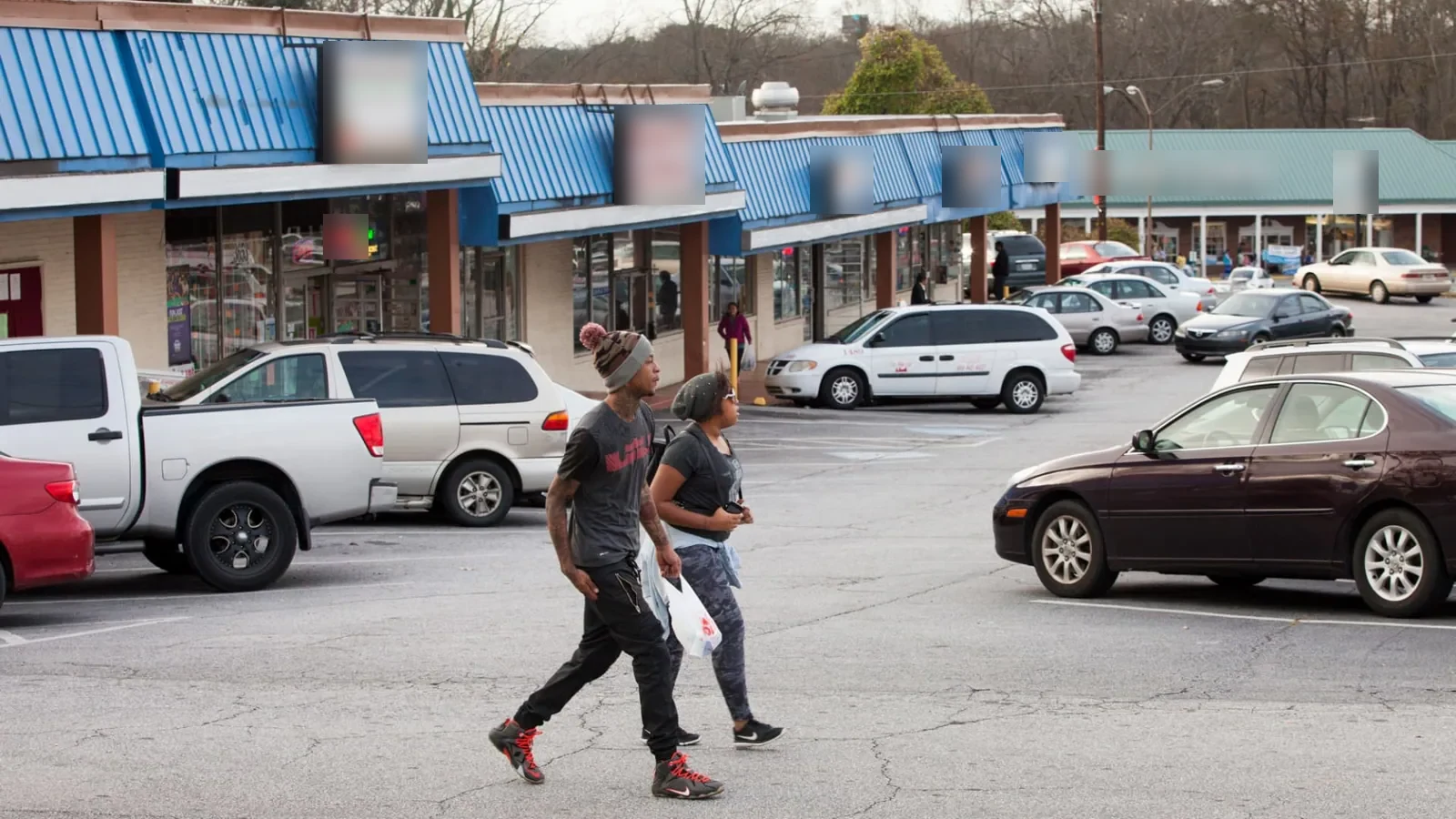
How should tenant reports be matched to roof areas?
Record the suite, date, weather, and visible interior symptom before water is cleaned up or ceiling materials are moved. If several tenants report moisture, we map each location and compare it with roof seams, drains, curb flashings, and earlier repairs. One leak may travel from a neighboring bay, while two similar reports may have different causes. The report should preserve that distinction rather than assign a single explanation to the entire center. A commercial roof inspection can document observed conditions and access limits. Property staff can attach each roof finding to the tenant or common-area work order without putting confidential lease information in the roofing record. This makes it possible to review repeat calls and prioritize confirmed defects while leaving uncertain areas marked for follow-up.
Related Roofing Work
More commercial roofing work connected to Shopping Center Roofing in Columbia, MO.
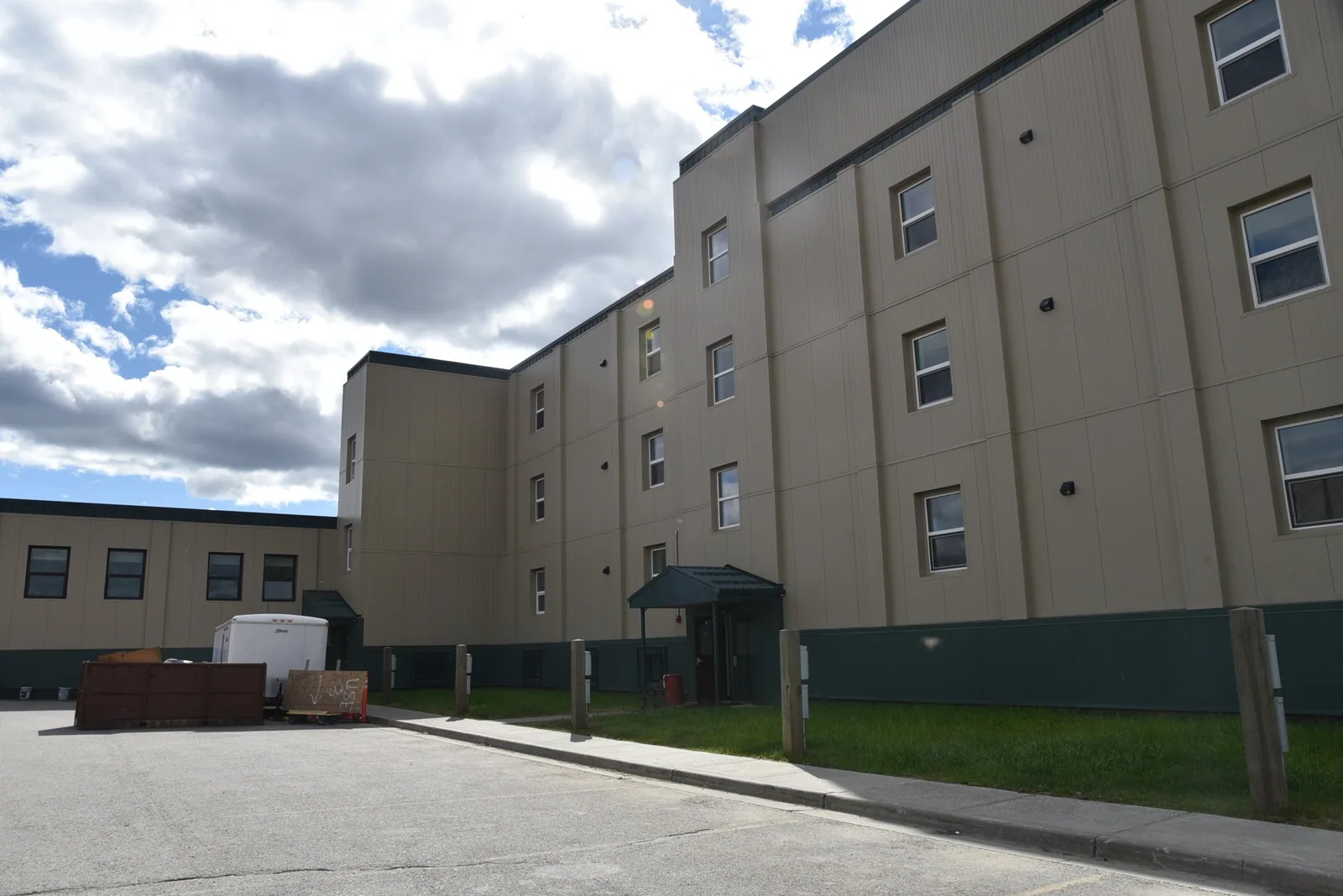
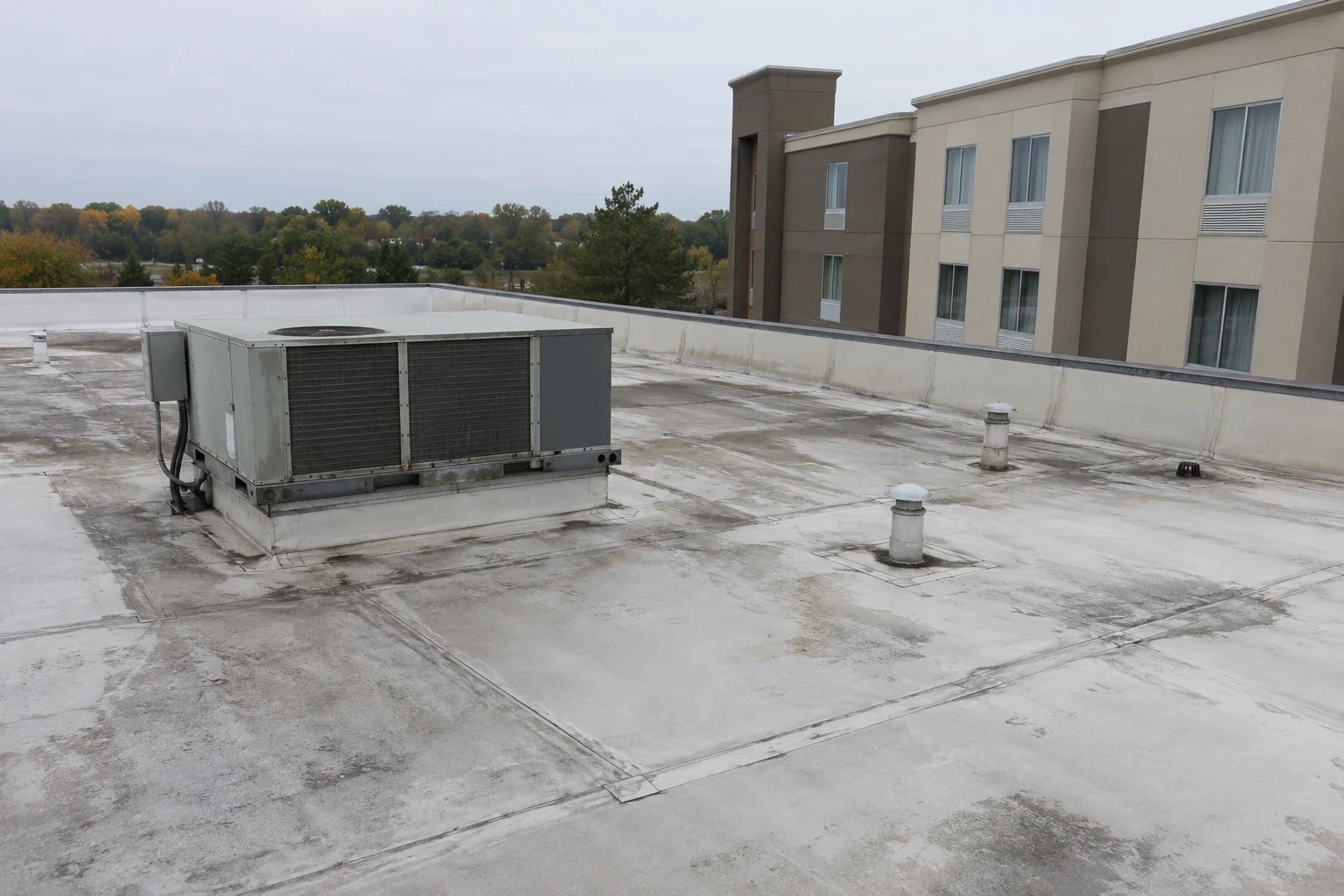
Which roof elements cross tenant boundaries?
Drains, expansion joints, roof edges, shared mechanical areas, and long membrane seams may serve several retail spaces. We identify which roof section includes the reported area and check how water moves toward the outlet. Rooftop units or exhaust can belong to separate tenants, so the property contact confirms access and service responsibility before crews approach them. A leak repair should state whether it addresses a common roof detail or a tenant-specific penetration. Drain and scupper work can correct an outlet issue, while equipment-curb service can focus on a roof-to-unit transition. The roof plan can show each detail without implying that all suites share the same equipment, lease, or maintenance obligation. Clear ownership boundaries help avoid leaving a repair unresolved between property staff and tenant vendors. If a unit cannot be accessed during the first visit, mark that limitation and identify the person who can arrange another inspection. Where several units connect to one roof area, we distinguish the shared membrane from an individual curb or equipment connection. A repair proposal can then state which party’s access or service work is needed, what portion is included, and what remains untested. That distinction matters when a leak is reported from a tenant suite but the roof detail serves a larger common area.
How can roof work protect customer access?
Material staging, lifts, service doors, and temporary walkway changes can affect customer routes even when the repair is overhead. We confirm delivery timing and the ground area beneath the work zone, then identify any entrance that must remain open. If a repair or reroof crosses a busy retail period, the manager can choose a phase that limits interaction with customers and tenant deliveries. No schedule should be inferred from a center’s name or public hours alone; the property contact supplies the operating details. Spring work in Columbia needs a close-in plan that accounts for possible heavy rain and hail, with each exposed zone limited to what can be protected before weather changes. The daily Diligence Notes records the section completed and the location returned to normal access. That information lets the manager update tenants with a specific roof zone and date rather than a vague notice about construction.
When should a center compare repair with replacement?
A single open seam, damaged flashing, or failed curb may support a localized repair when the surrounding assembly is dry and secure. Repeated leaks in different suites, broad wet insulation, or widespread membrane wear can change the cost and sequence enough to warrant a larger comparison. We document the condition by roof zone and describe the work included in each option. Commercial roof repair can address a mapped defect; a planned replacement may be phased by building section when access and tenant needs allow. A large-format retailer presents different loading and staging needs; big-box retail roofing considers that operating profile, while restaurant roofing accounts for kitchen exhaust and service-related roof details. The property owner should receive clear assumptions about concealed conditions and approval for any added work. A center with separate buildings may need a different phase order for each roof, even when the material looks similar. We identify whether removal would cross a tenant boundary, how open areas will be protected, and which transitions can be completed before the next shift. If the condition changes after opening, photographs and a marked plan support a quick scope review before material is installed. The written comparison should separate roof work from storefront repairs, interior finishes, or tenant equipment work unless those items are explicitly included.
What should a retail property manager retain?
Keep a roof plan, tenant report dates, inspection photos, repair materials, work approvals, and the portions of the center left outside scope. Record whether the crew inspected a common area, a tenant-associated penetration, or an inaccessible roof section. When a retail roof scope changes an assembly, verify the applicable Columbia 2024 building, existing-building, and energy-code provisions against the submitted project. Preventive maintenance can track drainage paths, prior patch boundaries, and seams through recurring inspections, with each visit saved in the center’s record. If a later tenant reports water, the property team can compare the suite and roof-zone label with earlier work rather than assume the last repair covered the whole building. The closeout file should also identify who received each update and what next observation would trigger a follow-up check. For a property manager, retaining the original report with the vendor work order makes it easier to resolve a later question about whether a repair was completed or only proposed. Keep before-and-after photographs in sequence and label the roof direction or nearby storefront so the detail can be relocated. If a tenant has its own roof service vendor, note whether that party altered the repaired area after closeout. The file should state the date of that change when known, without assigning cause until the roof is inspected again.
Keep tenant reports separate, then link each one to the roof zone and any shared drainage or wall detail it may affect. A center roof plan should identify parapets, expansion joints, valleys, drains, and common equipment areas that cross lease lines. Record which tenant space was protected during the work and who confirmed it could reopen. If a repair leaves a monitored area, set a date or weather trigger for the next check. These details help the property manager tell a new leak from a repeat symptom and avoid assigning a shared roof condition to the first tenant who reported it.
Commercial Roofing Questions
Who should report a leak in a multi-tenant center?
The tenant can report the suite and timing through the property’s normal service channel. We use that information to map the roof area and keep tenant observations separate from confirmed roof findings.
Can roofing work proceed while shops stay open?
The manager sets customer routes, delivery windows, and temporary access limits. We plan work zones and ground staging around those requirements, then record what was completed and protected each day.
What if two tenants report leaks in different suites?
We map both reports and compare their roof locations, dates, and nearby details. The inspection may show one shared water path or separate defects, and the repair scope should reflect the evidence.
How are tenant equipment penetrations handled?
The property contact confirms service responsibility and access for each unit. We inspect the curb and surrounding roof, coordinate any equipment work, and document the flashing condition after the repair.