
Restaurant Roofing in Columbia, MO
Grease-darkened residue around an exhaust curb is a roof observation to document, not a complete leak diagnosis. We photograph the detail, check the flashing and nearby membrane, and compare it with any interior report or recent kitchen service. Columbia’s dining settings include the Stockyards District, where breweries and food businesses operate, and the Arcade District, a mixed-use area with restaurants, storefronts, tasting rooms, and entertainment venues. Those local facts describe business activity, not the roof system or condition at any establishment. We inspect the actual roof and coordinate access with the property contact before proposing work that could affect kitchen service, customer routes, or a shared building.
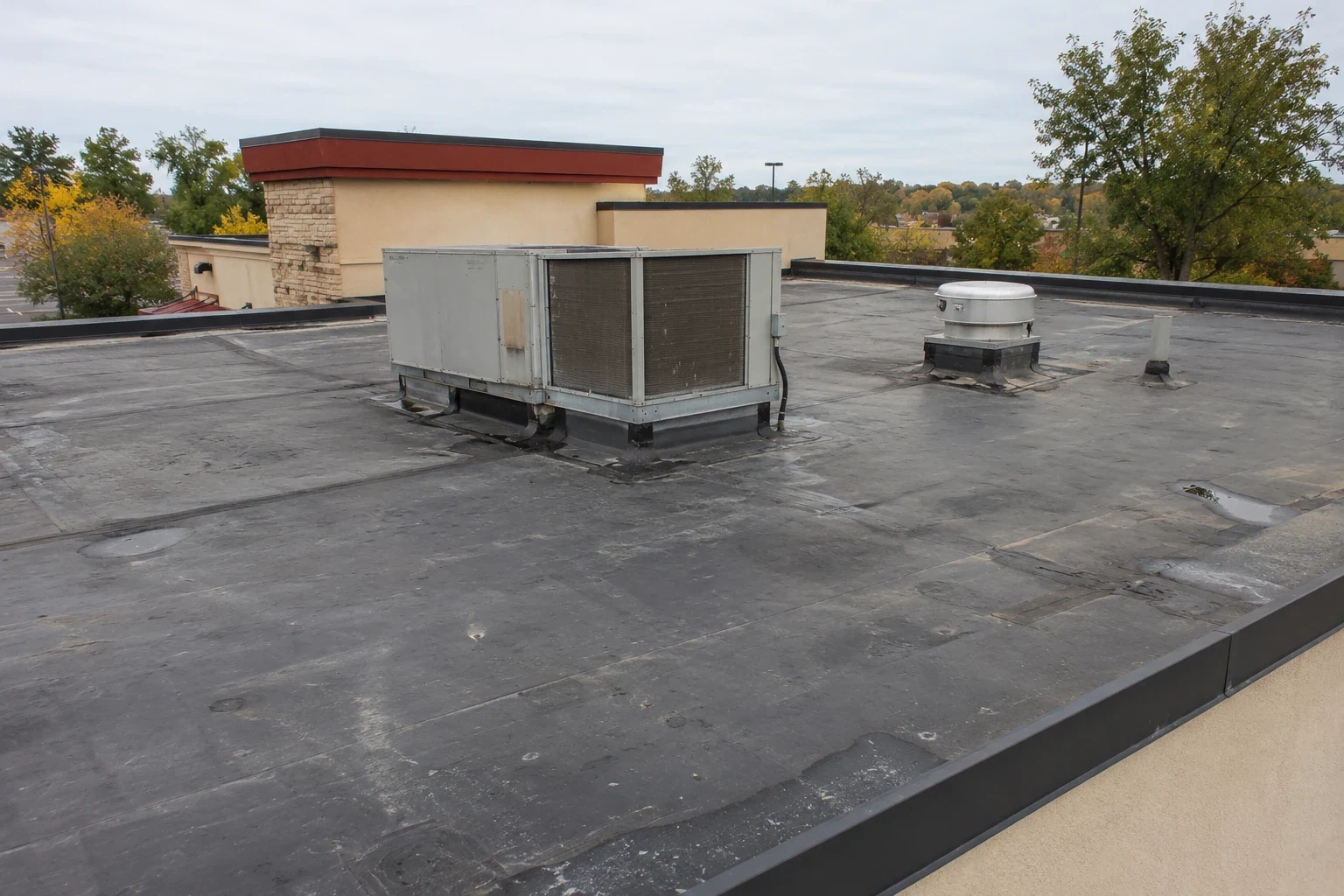
What should be checked around kitchen exhaust?
Where a restaurant has a hood, exhaust fan, duct curb, or grease containment detail, the roof interface needs regular attention. We inspect the flashing, curb, fasteners, sealant, membrane, and any surface buildup around the unit. Grease or cleaning residue can affect coating adhesion and should be addressed using a method compatible with the roof system. A service contractor may have changed the fan, curb, or duct since the last roof visit, so the facilities contact should provide available work records. Equipment curb and support work can address the roof connection. If an exhaust unit must remain available, the restaurant operator confirms the operating and shutdown limits before the roofing crew starts. A photo record should distinguish the equipment from the membrane detail so a later repair can be matched to what was present.
Related Roofing Work
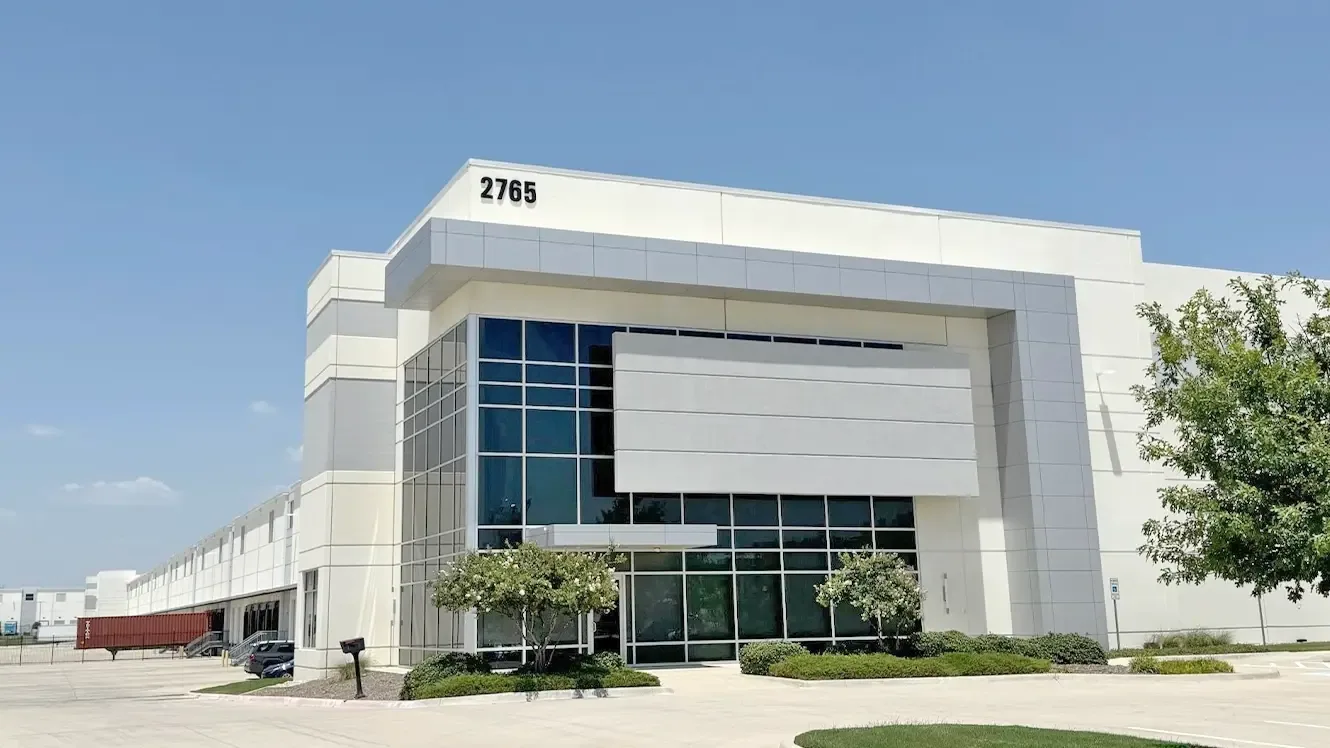
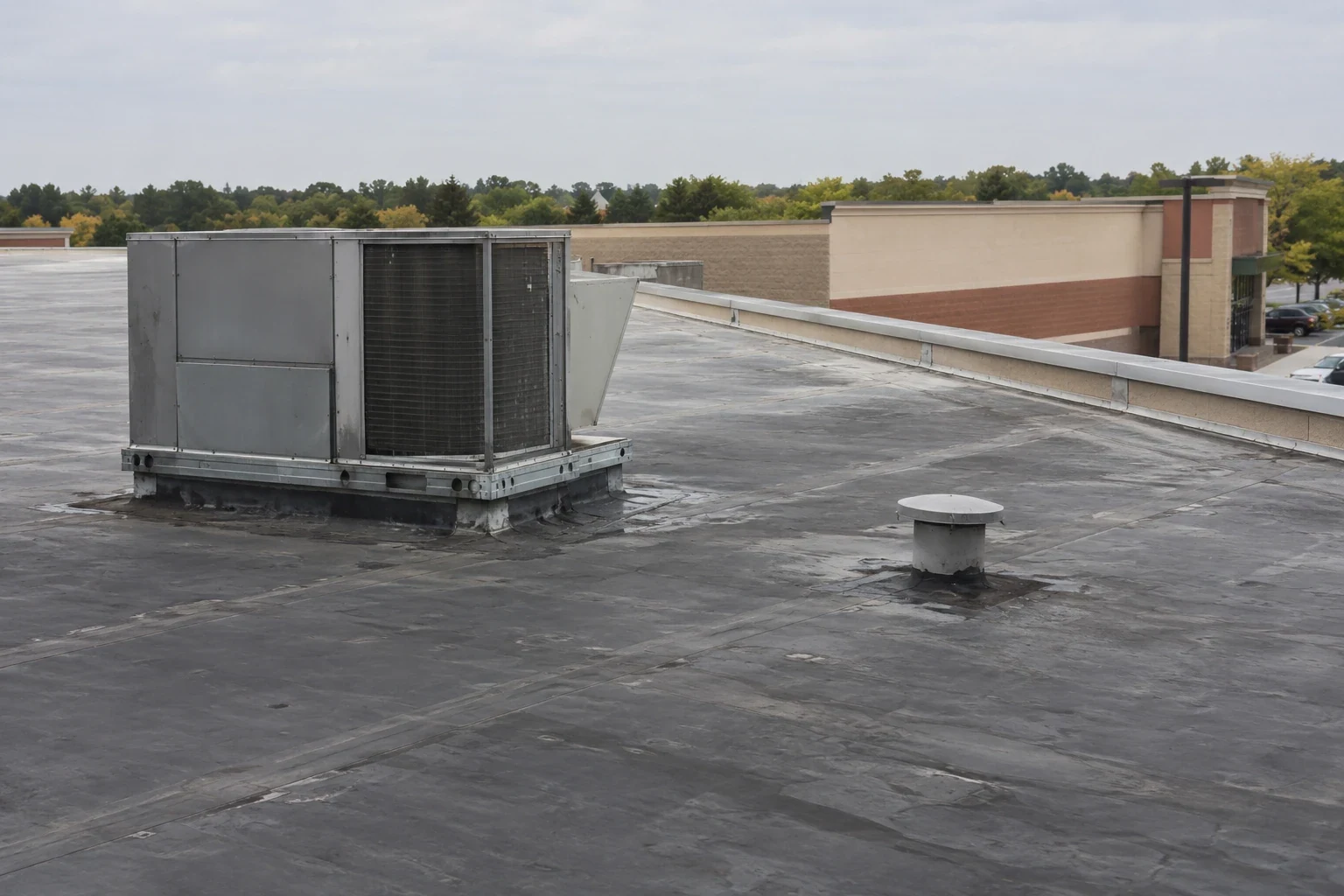
More commercial roofing work connected to Restaurant Roofing in Columbia, MO.
How can a repair fit meal and delivery periods?
Food deliveries, waste pickup, customer arrivals, and staff shifts can use the same areas needed for ladders or material staging. The owner or manager identifies service windows and the route that must remain open. We choose a roof zone that can be prepared, repaired, and closed within a weather-safe shift, then note any temporary access limit below. If service continues during work, the property contact can coordinate an alternate entrance or delivery point. Because Columbia can see intense rain and hail during spring storms, crews should limit each shift to the area they can dry in or protect before conditions change. The daily note records the affected entrance, the roof area completed, and what remains for the next visit. That supports an update to staff without assuming the dining room or kitchen follows a standard schedule. We also confirm where roofing debris will be contained and how the crew will move between roof access and the work area. If a temporary barrier affects a delivery door, the manager can identify an alternate path before the lift arrives. When kitchen equipment service is scheduled during the same week, the roof plan should identify which trade has access to the curb and how the finished flashing will be checked after the unit is serviced. A short daily handoff keeps those activities from colliding.
How do water, grease, and drainage interact?
Runoff can carry rooftop residue toward a drain or scupper, while grease near a fan may hide a seam or weaken an existing coating. We inspect the visible membrane and flashing, check whether outlets are clear, and note where residue collects. A leaking curb and a blocked drain require different work, even if water appears in the same ceiling area. Drain and scupper service can address outlet conditions; the exhaust curb still needs its own compatible repair. A local inspection may include a close view of the unit base and a wider image showing where water moves across the roof. We identify any area that could not be cleaned or inspected and avoid applying a coating until the substrate is suitable. A useful report explains which condition was corrected and which issue requires another trade.
When is a restaurant roof repair enough?
A localized flashing or seam repair may be appropriate when the surrounding membrane remains secure and dry. Several leaking penetrations, wet insulation, recurring drain problems, or coating damage across a roof zone can call for a broader comparison. We document the evidence and name the repair boundary before material is applied. Commercial roof repair can address a confirmed detail, while replacement planning can compare removal or a phased project if the assembly has widespread problems. A grocery property may include refrigeration equipment and different service windows; grocery-store roofing considers that profile. Shopping-center roofing addresses shared tenant and common-area boundaries when a restaurant is part of a larger retail center. The scope should distinguish building-owner work from tenant equipment service and state how the transition will be protected during a pause. If a curb must be rebuilt, list who will disconnect and restore the unit, what roof layer will be opened, and when the restaurant contact can confirm service status. If the observation is limited to a coating surface, show the cleaned boundary and test area before application. The owner can then approve a defined detail rather than a broad treatment whose limits are unclear.
What should be captured after roof service?
Keep the inspection date, roof-zone label, photographs, equipment work, cleaning or coating products, and repair details together. Note whether a hood or fan contractor changed the curb and who reviewed the restored flashing. For a restaurant reroof that alters an assembly, verify which Columbia 2024 building, existing-building, and energy-code requirements govern the permit. A commercial roof inspection can record the completed detail and any remaining concern. Preventive maintenance can revisit drains and exhaust bases after routine service. A later leak report can then be compared with the same curb or seam rather than treated as an unrelated problem with no roof history. The record should show what the crew saw and what was outside its access or scope. It can identify the date of hood cleaning or fan replacement when supplied by the operator, then distinguish that service record from a roofing observation. Store the before image beside the completed repair image and mark the view direction. If a later contractor cleans, seals, or changes the same curb, the next inspection can compare the details and record the date of the change. This protects the roof history from becoming a collection of photographs with no building or work-area reference.
Keep a dated roof plan, photographs of the exhaust curb and nearby seams, the repair material, and a note about any grease or condensate observed outside the kitchen system. Identify the interior ceiling or kitchen zone where water was reported, but preserve the distinction between roof evidence and mechanical evidence. If another service company adjusted a fan or duct, record that work date so a later condition can be compared accurately. Columbia's wet spring can bring intense rain, so a follow-up check after a meaningful storm helps confirm whether the repair boundary controlled the water path without leaving an open question for the next manager.
Commercial Roofing Questions
Can roofing work happen during restaurant service?
Service hours, deliveries, and customer routes are set by the restaurant contact. We plan the roof zone and material staging around those limits and identify what must be closed before the crew leaves.
Can grease residue be coated over?
Not without checking whether the surface can be cleaned and will accept the specified system. We document residue, preparation, and any membrane damage before selecting a coating or repair material.
Does an exhaust fan leak mean the roof membrane failed?
The curb, fan service, flashing, and nearby membrane all need review. The timing of a service visit can guide inspection, but the roof evidence determines the repair boundary.
Who handles the fan if it must be shut down?
A restaurant operator or equipment contractor confirms shutdown authority and operating limits. The roofing scope identifies how the curb and flashing will be handled while that coordination takes place.