
Commercial Roof Maintenance in Columbia, MO
A clear drain after a storm is useful evidence, but it does not show whether nearby seams, edges, or penetrations have changed since the last visit. A maintenance program gives Columbia building owners dated observations they can compare over time. We inspect accessible roof areas, remove ordinary debris from drains where included, note open laps or damaged flashing, and record repairs already made. Columbia moves from freezing winter nights and seasonal snow into a wet spring with hail and tornado potential, then through hot summers when localized downpours can load one roof area quickly. Those are inspection conditions, not proof that a particular building has damage. A useful maintenance file connects weather exposure to an observed detail and an assigned next step. The District in Downtown Columbia includes a mix of businesses, residences, public uses, and venues; those different property uses make roof-area labels valuable when facilities staff compare records. We can pair recurring visits with a condition inspection and drainage review.

When should the roof history be updated?
A schedule works best when it follows the roof's exposure and use rather than an arbitrary calendar alone. Columbia's climate normals include recurring freeze-thaw conditions and seasonal snowfall, while spring is the wettest period and summer can bring both high heat and concentrated rain. We can set a review before winter, after a significant storm, or at another interval that fits the assembly and site. The exact frequency depends on system condition, tree or rooftop debris, previous leaks, drainage layout, and access. During each visit, we compare the same roof sections where possible, mark any newly open seam or loose termination, and record whether a prior repair remains intact. If a condition changes, the photo record shows the date and location instead of relying on a general note that the roof was checked. Columbia's I-70 Business Loop serves mixed commercial and industrial properties; a roof at one address still needs its own inspection history. Winter condition checks and wind-related observations can be entered as focused follow-ups.
Related Roofing Work
More commercial roofing work connected to Commercial Roof Maintenance in Columbia, MO.
Which details belong on each visit?
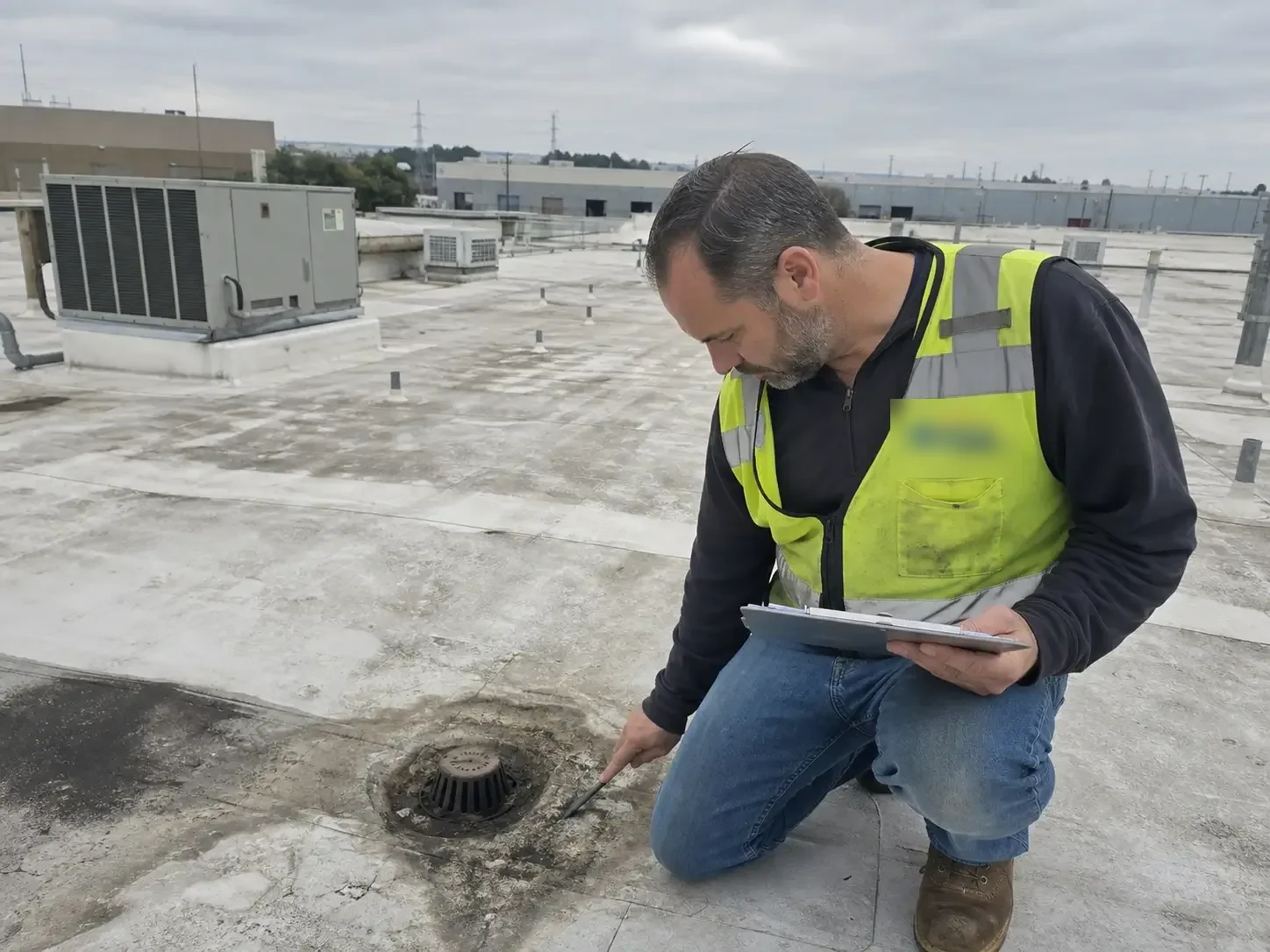
We inspect the membrane or metal field, seams, perimeter flashing, wall terminations, curbs, pipe penetrations, skylights, and visible fasteners. Drains and scuppers are checked for debris or a restricted path, and we note ponding where it remains after the surface has had time to drain. The visit also records any puncture, patch edge, displaced coping, or sealant separation that may need repair. We do not call a surface mark a leak without evidence of a path or related moisture. Where the owner reports an interior stain, we document its room and compare it with the roof area above without assuming the two locations line up. A building contact can identify roof access limits, equipment that should not be disturbed, and areas scheduled for other work. In a mixed-use area such as North Village Arts District, use of the building is a reason to coordinate inspection details with the site contact, not a basis for assuming a particular roof assembly. Perimeter metal review and penetration checks can be included when those details are within the maintenance scope.
How are maintenance findings prioritized?
An opening with active water entry needs a different response from a loose sealant edge that remains dry. We sort findings by observed condition, consequence if left open, and the time available to complete a durable repair. The Diligence Notes describes the location, photograph, material condition, and recommended action, then separates repair work from monitoring or testing. If insulation may be wet, a survey or test cut can answer a different question than a visual walk. A clogged drain can be cleared where the agreed scope permits, but damaged drain flashing or a low area may need additional work. If a repair is time-sensitive, our emergency response is available around the clock, including weekends and holidays, while permanent work can follow after safe access and suitable conditions return. Planned repair work can address a defined seam, flashing, or puncture; a broader pattern may call for a written roof condition record before the owner selects a larger scope.
What changes the maintenance scope and timing?
Roof height, system type, access, amount of debris, equipment density, and the number of roof areas affect how long a visit takes and what can be completed in one mobilization. Weather matters as well: wet surfaces, high winds, lightning, or an approaching storm may limit safe access or prevent a repair from curing as intended. We identify work that fits the maintenance visit and list anything requiring separate materials, testing, or approval. Columbia uses the 2024 building-code package for plan review, including existing-building and energy provisions; routine maintenance and a larger alteration are not the same scope, so requirements should be checked when proposed work changes the assembly. Owners can reduce uncertainty by keeping prior repair records, roof plans, and reported leak dates with the property file. The University of Missouri campus inventory lists residences, research buildings, garages, and utility facilities, a reminder that building use and roof history should remain tied to the individual roof section, not generalized across a campus portfolio.
What should the next facilities contact be able to verify?
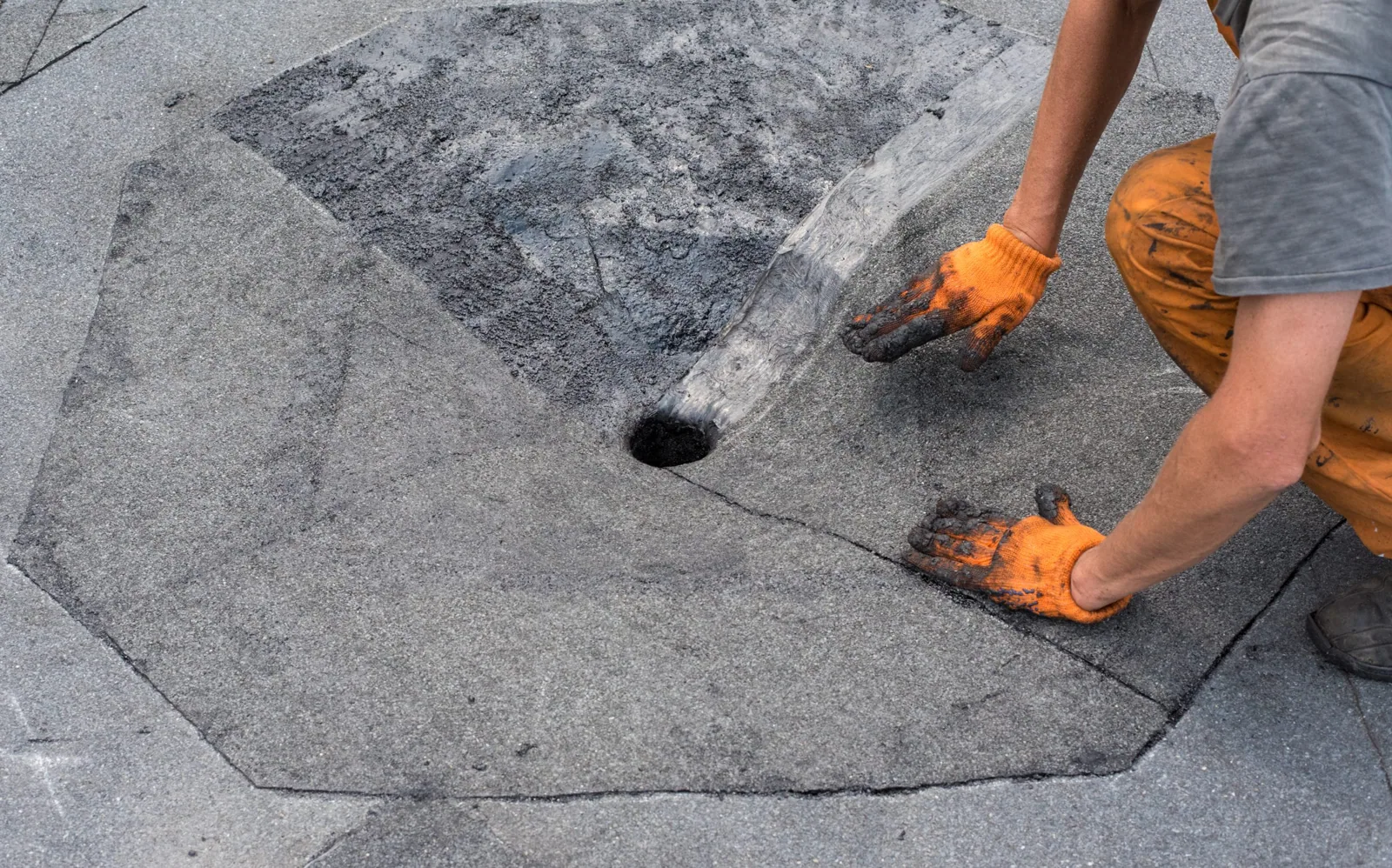
After each visit, we provide dated observations, roof-area references, and photographs that show both the condition and its context. The record lists completed maintenance, open repairs, items being monitored, and the date or event that should prompt another check. If a seam was patched or a drain corrected, we photograph the finished detail and preserve its location so a later visit can compare change over time. That becomes useful when a building changes hands or when an owner must review several roof decisions at once. A recurring file should also distinguish areas not inspected because of access limits from areas that were checked and found serviceable. We can connect maintenance findings with claim documentation when weather damage is reported, or with replacement planning when repeated repairs point to a wider decision. The purpose is a roof history that supports the next action, not a checklist without a repair boundary.
The maintenance file should show which drains were checked, what debris was removed, which seams or flashings were reviewed, and what changed since the prior visit. Include dated photographs from repeat locations so a future contact can compare condition rather than depend on a summary word such as good. Keep deferred items visible with a recommended action and review date. Columbia's recurring winter freeze-thaw conditions and wet spring create separate inspection moments; owners can use those points to compare edges, drains, and repaired details. The plan should still follow the building's roof history and observed condition, with urgent water-control work separated from routine maintenance.
Commercial Roofing Questions
What does a preventive maintenance visit include?
The agreed scope can include accessible roof surfaces, seams, flashings, penetrations, drains, visible debris, prior repair areas, photographs, and a written list of findings. We identify completed work separately from items that need another visit, testing, or owner direction.
Can a maintenance plan prevent every leak?
No inspection schedule can establish that a roof will never develop a leak. A recurring record can identify visible changes, keep drainage and details on the review list, and shorten the time between a reported problem and a documented response. Concealed conditions may still require testing.
Should maintenance happen after a hail or wind event?
A focused review can document conditions after the event, especially where the owner reports displacement, impact, or water entry. We photograph observed damage and distinguish it from older wear when the evidence allows. The inspection date and roof areas reached belong in the file.
How do we use maintenance records when planning replacement?
We compare repair locations and dated observations to see whether defects remain limited or recur across the assembly. That history can support a repair-versus-replacement discussion, but the current roof still needs inspection. The record should show both the work already completed and the areas that remain uncertain.