
Auto Dealership Roofing in Columbia, MO
Commercial businesses in Columbia connect with the I-70 and U.S. 63 network, while Boonville’s Route B and Americana Drive area supports hotels, restaurants, fuel, and interstate travelers. East Broadway / Route WW Corridor and Boonville are examples of different commercial access settings, not evidence about a dealership’s roof. We inspect the actual showroom, service, and storage areas, identify the reported zone, and coordinate the work sequence with the facility contact.
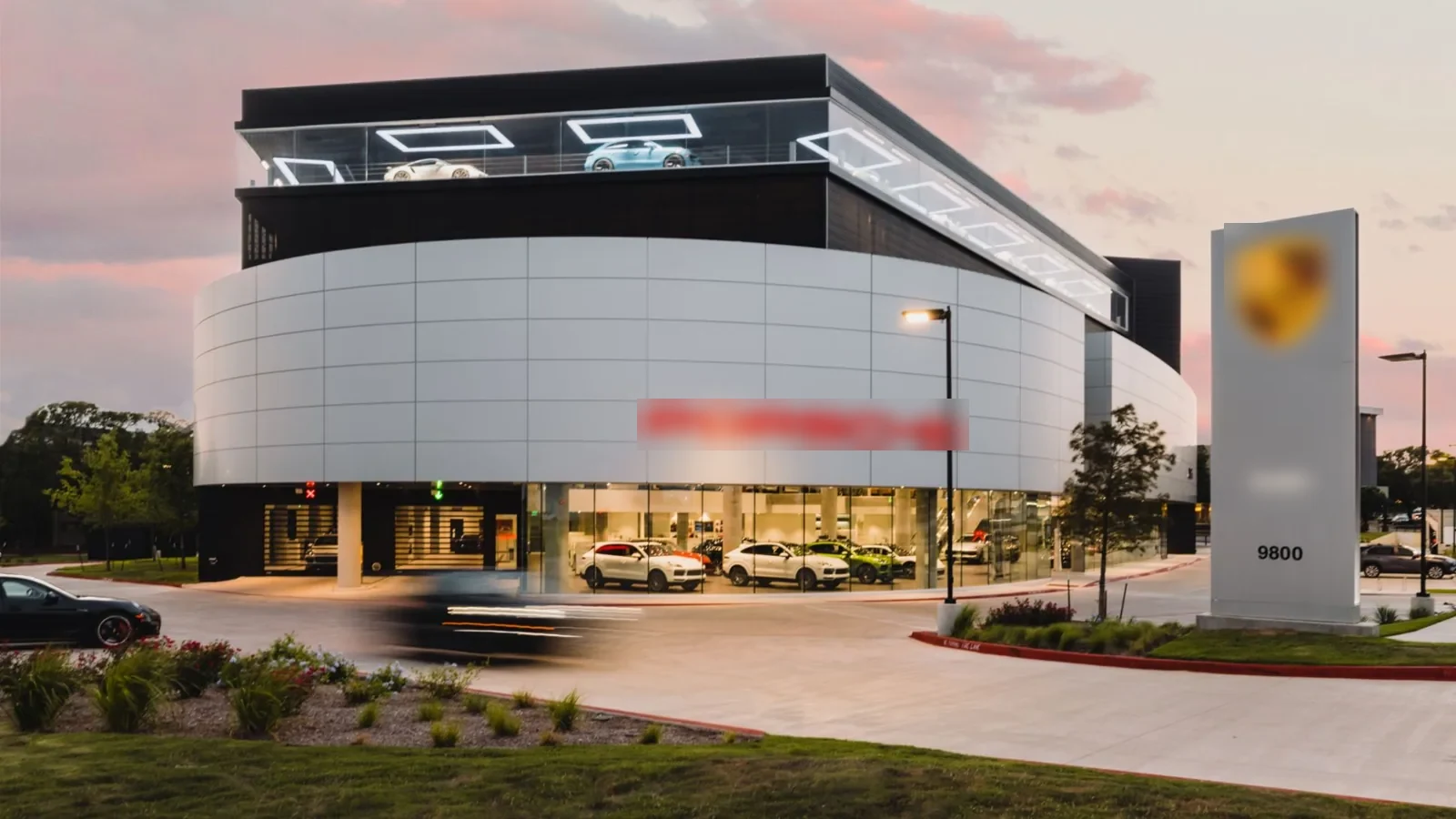
What changes around service-bay roof details?
Where present, exhaust fans, makeup-air units, unit heaters, skylights, or support frames interrupt the roof surface above a service area. Each curb and penetration needs inspection for open flashing, loose fasteners, movement, or a seam that no longer closes. We also note whether another trade recently serviced the equipment, since that date can help compare before-and-after photographs without deciding cause by timing alone. If the bay must remain in operation, the manager identifies shutdown authority, vehicle routes, and the hours when lift or ladder access is workable. Roof curb and equipment-support repair can address a confirmed interface. A daily work note should identify the area opened, how it was protected, and when vehicles or staff can use the space below again. If conditions require a longer closure, that needs to be communicated before the work zone is set. Record the alternate customer route and the expected time before normal access returns.
Related Roofing Work
More commercial roofing work connected to Auto Dealership Roofing in Columbia, MO.
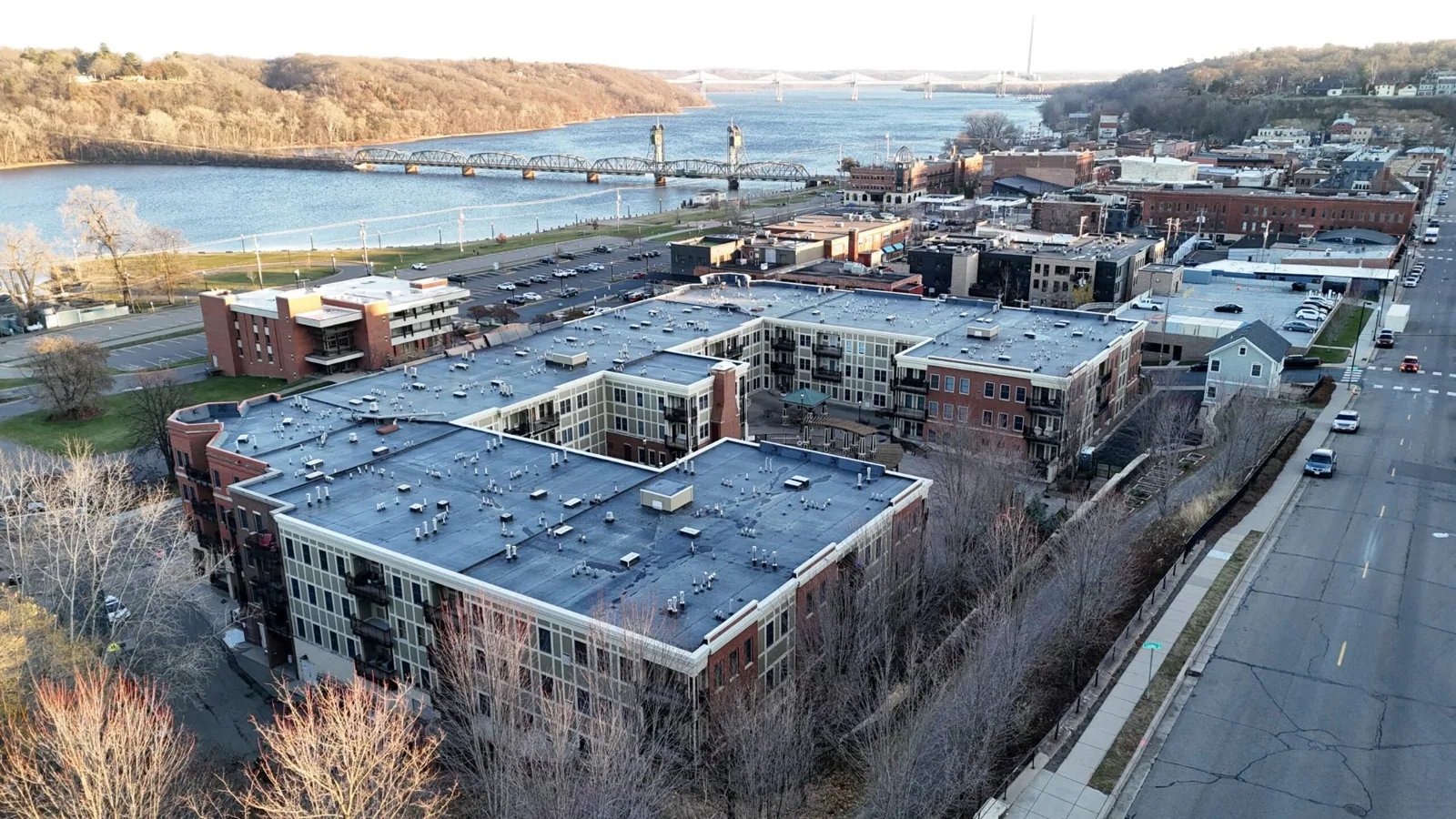
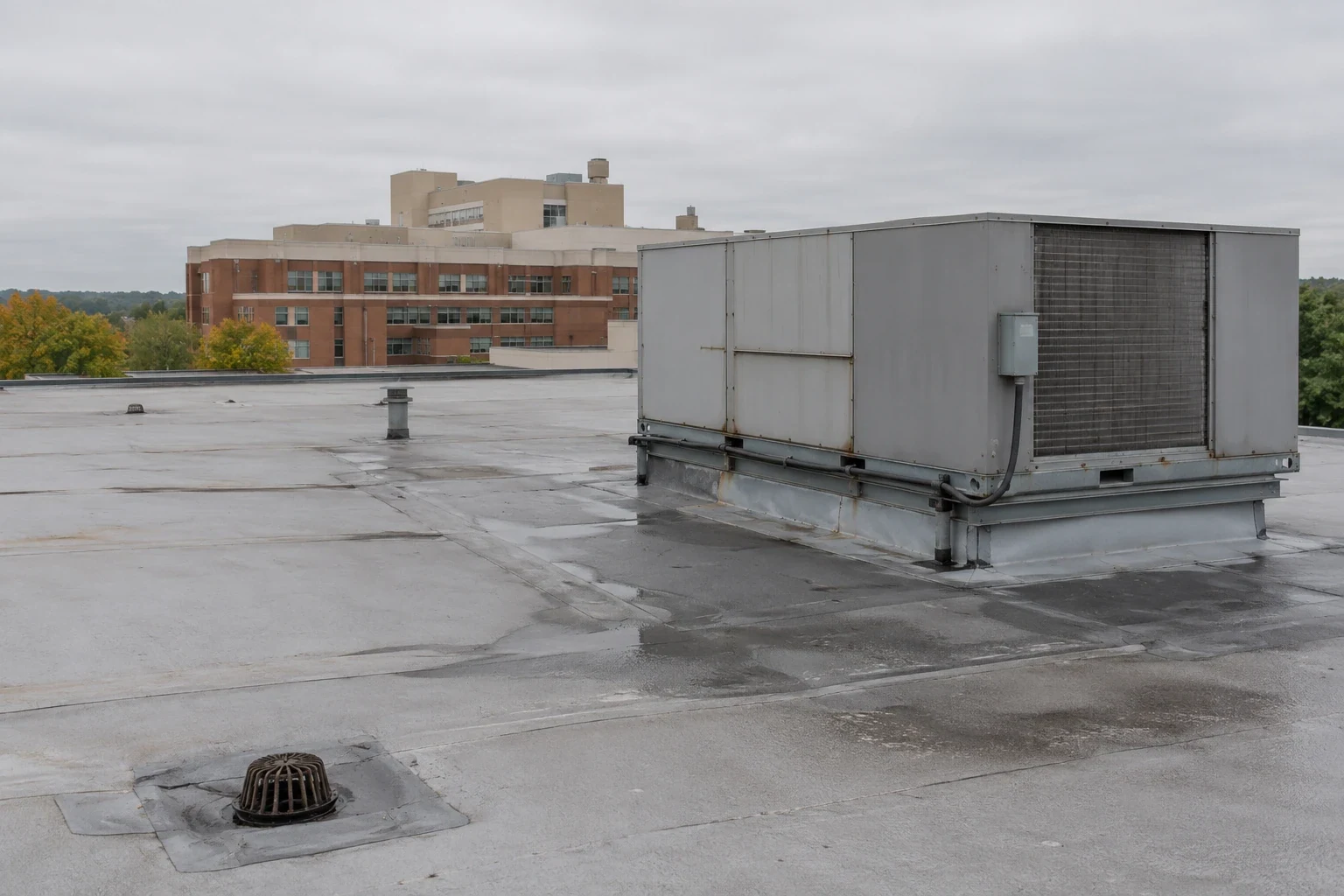
How should a showroom leak be traced?
Water near a window wall may enter at a roof edge, parapet, skylight, or transition and travel before reaching the visible stain. We compare the reported location and timing with roof details above and beside it, then record the path the evidence supports. A ceiling mark is not a roof diagnosis by itself. Photograph the interior condition and the suspected roof detail with enough context to relocate both. A written commercial roof inspection can connect those observations and identify any area that needs moisture testing. If the roof includes both metal panels and low-slope membrane, the report should identify the material at the transition rather than call the whole surface one system. We can inspect the edge, panel fasteners, sealant, and flashing, then specify whether a localized repair or a larger tie-in is needed. Any skylight or curb outside the accessible roof area should be listed as uninspected rather than assumed clear.
Which seasonal conditions belong in the roof history?
The annual cycle in Columbia includes repeated winter freezing and thawing, seasonal snow, a wet spring with a greater chance of severe hail and tornado storms, and summer downpours that can affect limited areas. Later in the year, damaging wind becomes a more prominent severe-weather threat. These exposures make a dated roof record useful; none establishes damage at a dealership without a building inspection. We note displaced edge metal, hail impacts, punctures, open laps, wet insulation, and drainage conditions when observed. Storm-related roof inspection and repair should describe the evidence and distinguish recent impact from older wear where possible. If rain interrupts an open work area, the crew records its temporary protection and what must be inspected before work resumes. Maintaining that record can help the facilities contact compare a new interior report with the actual roof zone rather than relying on a general weather summary.
When is a repair enough for the dealership?
A failed flashing or isolated puncture may be repairable when surrounding insulation and attachment remain suitable. Several wet areas, recurring reports in different departments, or widespread seam wear can justify a broader scope comparison. We map visible conditions and note any material that remains concealed. A defined repair scope can correct a supported defect, while a replacement estimate can compare removal, recover eligibility, transitions, daily protection, and sequencing around service operations. A shopping center has shared tenant and common-area boundaries; retail-center roof planning handles that different ownership profile. A grocery building can also have distinct refrigeration and service interfaces; grocery roof work evaluates those conditions. If the dealership has a combination of offices and production space, a flex industrial building has another operating profile; its roof may call for a different access plan. The estimate should name what is included, how concealed conditions will be priced or approved, and whether a shutdown or equipment trade is excluded. Any assembly alteration should be checked against the Columbia 2024 codes for that project.
One open curb or puncture may be a contained repair when adjacent membrane, insulation, and attachment remain sound. A series of reports above the service lanes, showroom, and parts area deserves a zone-by-zone comparison before separate patches are approved. If the evidence points to multiple failures, map them and distinguish defects that are confirmed from locations that need moisture investigation. The estimate should show how work affects lifts, vehicle movement, deliveries, and customer access. That gives management a basis to choose a small repair window or a larger phased scope while keeping each department's operating constraints visible.
What should a service manager keep after roof work?
Retain the roof plan, leak locations, dated photos, repair materials, equipment work orders, authorizations, and closeout images under separate showroom, service, and parts-area identifiers. Record which bays or interior areas were unavailable and when they can be checked. A later contact can then compare a new leak report with the original repair rather than assume that all adjacent roof sections received work. Preventive roof maintenance can revisit known curbs, seams, and drainage paths on a documented schedule. For a property portfolio, roof asset records can keep multiple building histories distinct. A completed repair should be labeled as completed, while a recommendation awaiting approval stays in the open-items list. If a service trade changes a curb or fan after roofing work, add its date and inspect the roof interface again. Those records help the manager decide whether a future observation needs a return visit, a moisture test, or a separate capital comparison. Keep any temporary cover in the open-items list until the permanent detail is installed and photographed. Include the approval date and the person who confirmed access for the follow-up.
Connect the roof record to the department below it, such as showroom, service, parts, or customer delivery, while retaining a single roof-zone map for the whole property. A repair above one bay should list the curb or seam repaired, the material, and the limits of the inspection. Record the work order for any rooftop unit or exhaust service so later water reports can be compared with the trade activity. In Columbia, localized summer rain and spring severe storms can create different roof stresses; dated photos help show whether a later opening follows a weather event or an equipment change.
Commercial Roofing Questions
How can a dealership maintain service-bay access during roof work?
The facility contact identifies work hours, vehicle routes, and any equipment shutdown requirements. We use those limits to select the roof zone, set ground protection, and document when the area can return to normal use.
What should be checked above a repair bay?
Where equipment, skylights, or penetrations are present, inspect the curb, flashing, fasteners, adjacent seams, and drainage. The report should show the detail and note any access or testing limitation.
Does a showroom ceiling stain identify the roof opening?
Not by itself. Water may travel along a transition or framing before it becomes visible, so we compare the room location with nearby roof features and record the path supported by inspection.
What records help when different dealership areas report leaks?
Use separate labels for the showroom, service bays, and parts areas, then attach dates, photographs, repair boundaries, and closeout notes. That history helps compare the next report with work already completed.