
Grocery Store Roofing in Columbia, MO
Mexico’s business mix includes retail and service firms alongside manufacturing, logistics, healthcare, and agribusiness. Mexico provides a broader municipal reference, while East Broadway / Route WW Corridor includes a transit-served arterial route in Columbia. Neither identifies a grocery store’s roof assembly or condition. We coordinate the review with the property contact and define the repair area from evidence at the subject building.
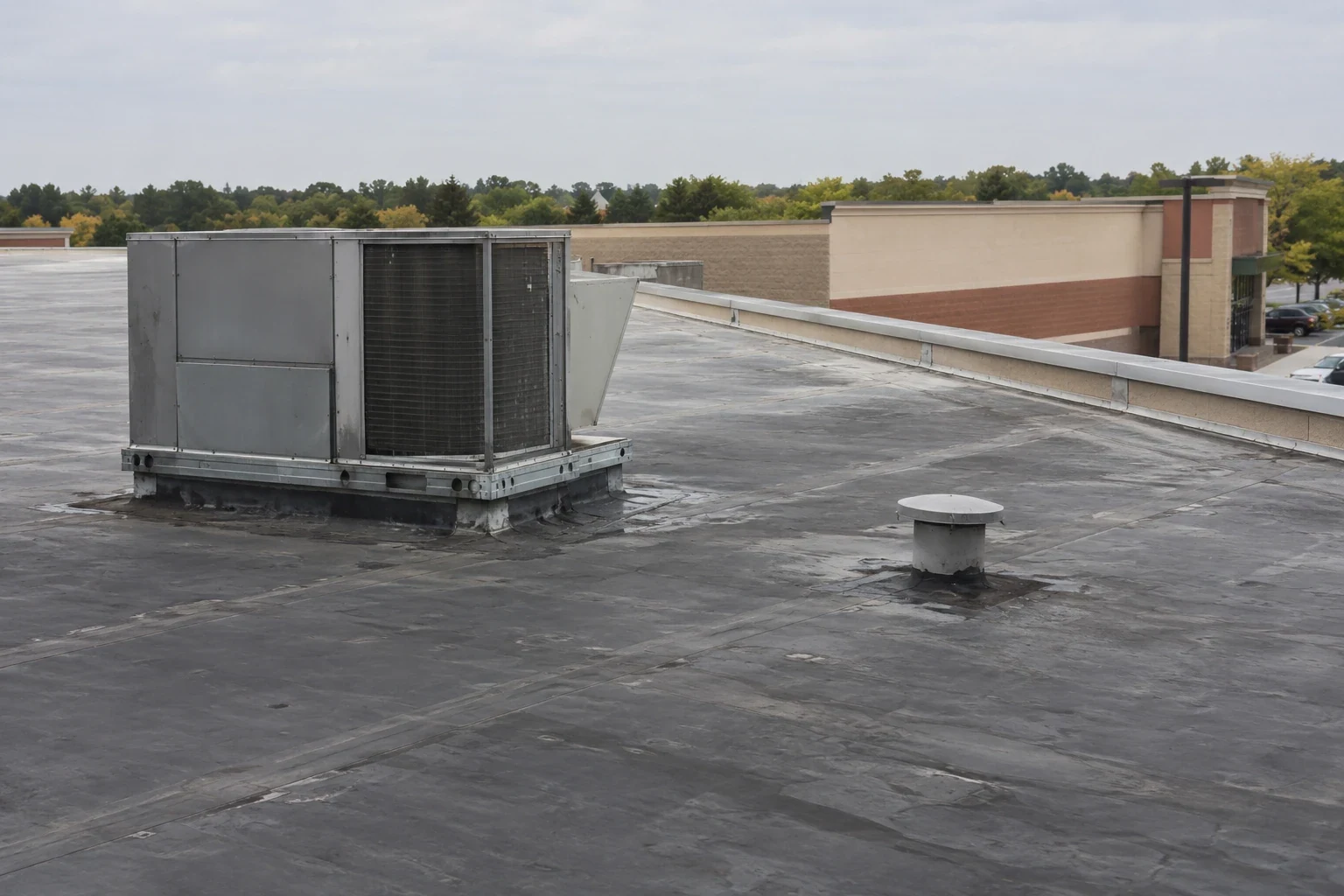
What should be checked around refrigeration equipment?
Where rooftop condensers, piping, supports, or exhaust are present, each curb and penetration needs its own inspection. We look for flashing separation, movement, open sealant, damaged membrane, and signs that a service visit changed the roof detail. The store operator or refrigeration contractor confirms equipment schedules, shutdown restrictions, and access windows; we document those limits beside the roof scope. Equipment curb and support work can address the roof interface after responsibilities are coordinated. If the interior symptom aligns with a refrigerated room, we note it as context and trace the roof path separately. That prevents a surface patch from being treated as a fix for equipment operation or a temperature-control issue that requires another trade.
Related Roofing Work
More commercial roofing work connected to Grocery Store Roofing in Columbia, MO.
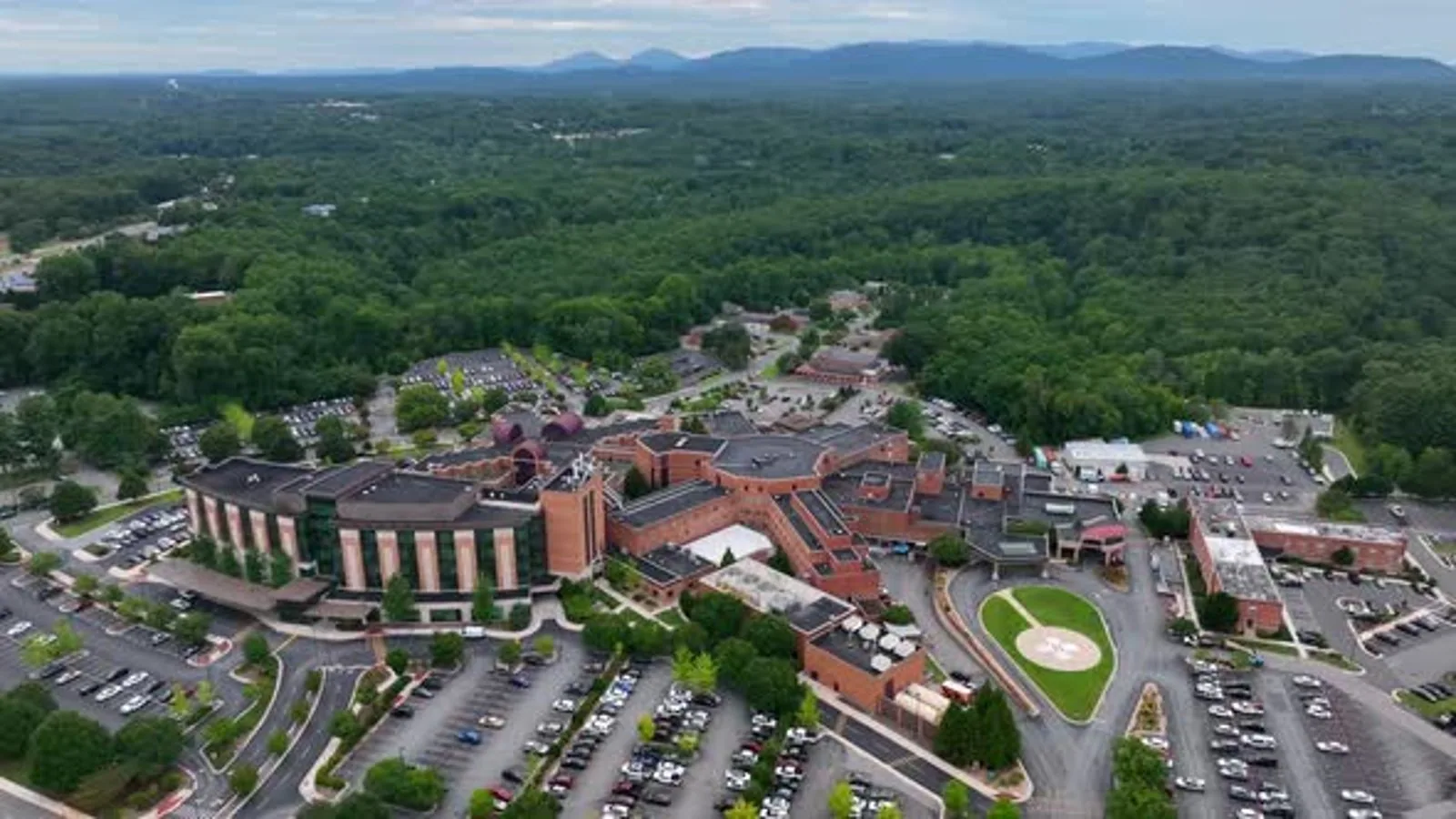
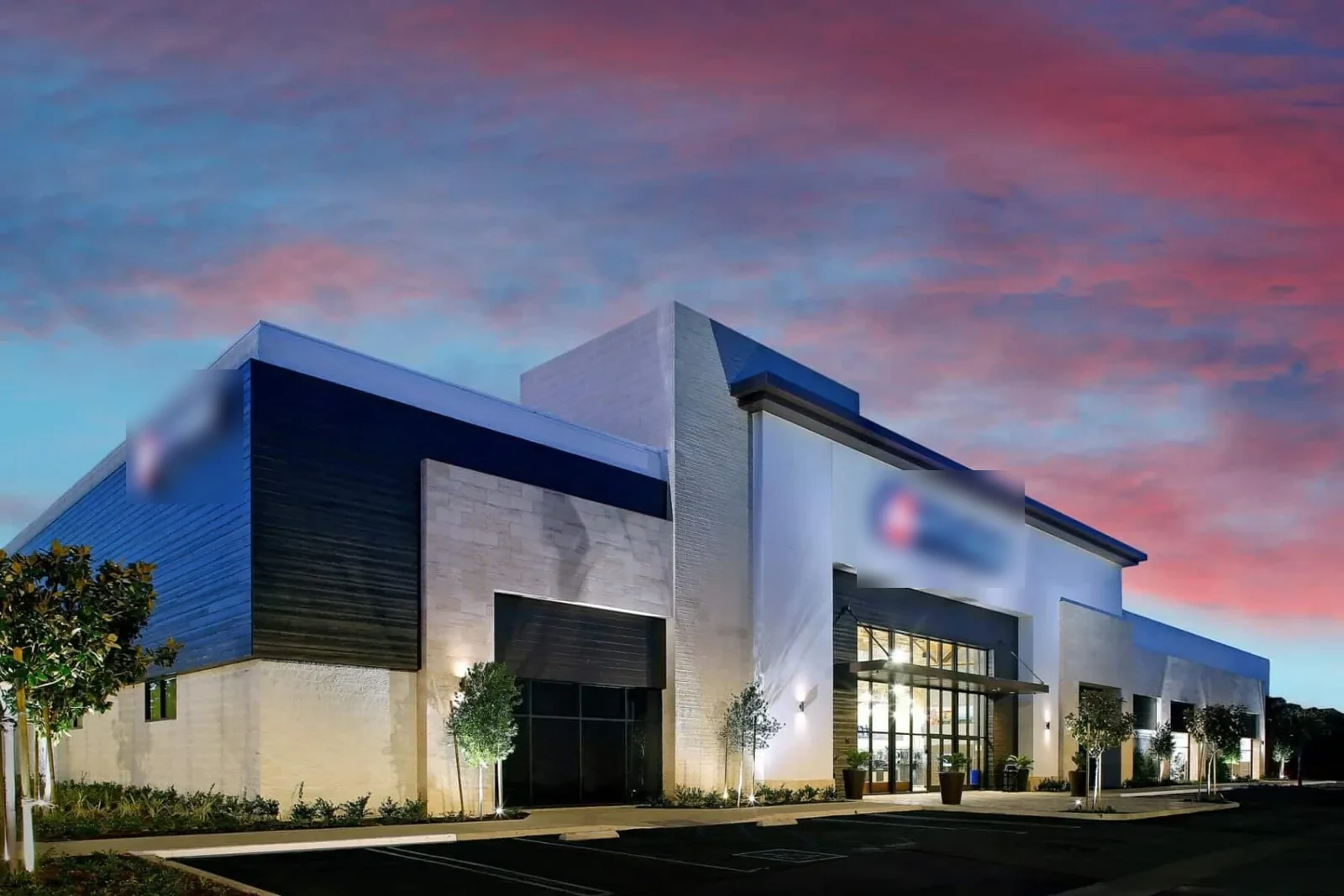
How can roof work fit deliveries and store traffic?
Receiving windows, customer entrances, cart routes, and produce or freezer deliveries can share the same exterior area as a lift or material drop. The property contact identifies where crews can stage and which routes must remain open. We map the roof section above the active work area, then set a daily removal limit that can be closed and protected before the shift ends. If a delivery delay shifts the work window, the next zone should be reviewed before material is brought up. Columbia’s spring storm season can change a planned workday, so the schedule should leave room to secure the roof if rain approaches. A dated Diligence Notes records the section completed and any entrance or lane affected. This gives store staff a usable update without exposing unrelated inventory or sales information in the contractor’s work file. If an entry, parking row, or receiving lane will be temporarily restricted, identify the alternate route and the time it is expected to return to service. The work plan should also say where debris and unused materials will be contained so they do not mix with delivery or waste paths. A delayed shipment or refrigeration service call may change where a lift can operate, so the designated contact should be able to update the crew before a new roof zone is opened.
How do roof leaks and drain problems differ?
A floor mark may sit below a seam, but water can travel from a curb or drain before it appears in the store. We record the reported aisle and time, then inspect the likely roof zone, transitions, and drainage path. If water remains near a drain after rainfall, note whether the bowl is clear and whether a nearby membrane detail is also open. Columbia receives heavy spring rainfall, and summer downpours can be localized; one roof section may show a different runoff pattern from another. A roof inspection can document surface findings, while drain and scupper service can address an outlet issue. A new drain detail or a membrane repair should be recorded as separate work when both are needed. That helps the owner understand what was corrected and what still needs a follow-up after the next rain.
When is a store roof repair enough?
A localized repair may fit one failed flashing, seam, or puncture if the surrounding assembly remains dry and attached. Recurrent reports near different departments, a pattern of wet insulation, or multiple failing details may require a larger review. We compare roof history, moisture evidence, drainage, and operating restrictions before defining the work. Commercial roof repair may fit one verified failure; broader deterioration calls for comparing replacement zones and the access each phase requires. A freezer building has additional thermal and vapor-control questions; cold-storage roofing evaluates those conditions. A kitchen roof has exhaust and cleaning details; restaurant roofing considers that use. The estimate should state what materials are included and how any concealed condition will be handled if removal reveals more than the inspection could see. It should note whether refrigeration equipment or tenant fixtures need separate trade coordination and who will approve that work. For each phase, show the area to be removed, the planned tie-in, and how the opening will be protected if work stops. The manager can then compare a focused repair with broader work by roof zone, access effect, and amount of concealed material still uncertain.
A repair is easier to defend when the affected seam or flashing is defined and the insulation around it remains dry and secure. If water appears in several departments, compare the report locations with drainage paths and roof zones before treating them as separate defects. Repeated wet areas or deteriorated insulation can justify targeted openings to establish the repair limit. Keep the proposed scope clear about what is confirmed and what remains concealed. For a store that runs through daily deliveries and customer traffic, the work sequence should also show when staging changes, which entrances remain clear, and how temporary protection will be checked before reopening the affected area.
What should the store manager retain?
The roof file should include inspection dates, labeled photos, repair materials, service-related changes, and drain observations. Link the roof zone to the interior report without storing customer or inventory details that do not affect the repair. A store alteration in Columbia should be reviewed under the applicable 2024 building, existing-building, and energy-code provisions for its submitted scope. Keep any permit or plan-review outcome with closeout materials. A follow-up visit can compare the same curb, seam, or drain after seasonal weather. The record should state what was inspected, what was tested, and which area remained inaccessible. Those limits matter when the next leak report is in a different aisle or after another contractor has serviced refrigeration equipment. Keep each roof image paired with a building label and a reference to the corresponding service ticket. If a temporary repair remains in place, identify what observation or date calls for another visit. This makes the next inspection more focused and gives the facilities team a clear way to distinguish completed work from a location that still needs assessment.
Include the refrigeration service date, unit identifier, reported work, and any altered support or flashing detail. Identify the trade responsible for each component so later roof work does not assume the mechanical scope included membrane repair. Record the protected receiving or product area and when it returned to service. If moisture is reported later, compare its timing with equipment service and roof-zone observations before assigning a cause.
Commercial Roofing Questions
What protections keep a grocery operation accessible during roofing?
The store contact identifies customer routes, delivery windows, and any area that must remain clear. We plan a roof zone and ground staging location around those limits, then document the daily tie-in.
Does a leak above a freezer always come from the roof?
No. The reported location guides the investigation, but equipment, condensation, and roof openings can produce different symptoms. We record what the operator reports and inspect the roof details before assigning a cause.
How should refrigeration service be coordinated with roofing?
The refrigeration team confirms operating and access limits. We inspect the curb and nearby membrane, define which trade handles each component, and document the roof detail after service or repair.
What information helps decide between repair and replacement?
The useful record includes leak dates, roof-zone photos, prior repair locations, moisture findings, drainage, and any assembly history. We compare confirmed conditions and identify concealed areas that may require testing.