
Commercial Roofing in Ashland, MO
A repair boundary should follow the actual leak path, not a municipal label or a street name. In Ashland, commercial growth extends along U.S. 63 and Broadway, with business development on the highway’s east side and a downtown corridor along Broadway. The mix includes separate properties and roof histories, so we identify the owner, building, and roof zone before work is scoped. We photograph drainage, seams, penetrations, edges, and any prior repairs, then compare localized repair with broader restoration or replacement only when the observed condition supports that choice. The report states which evidence remains open and when a follow-up check would resolve it.
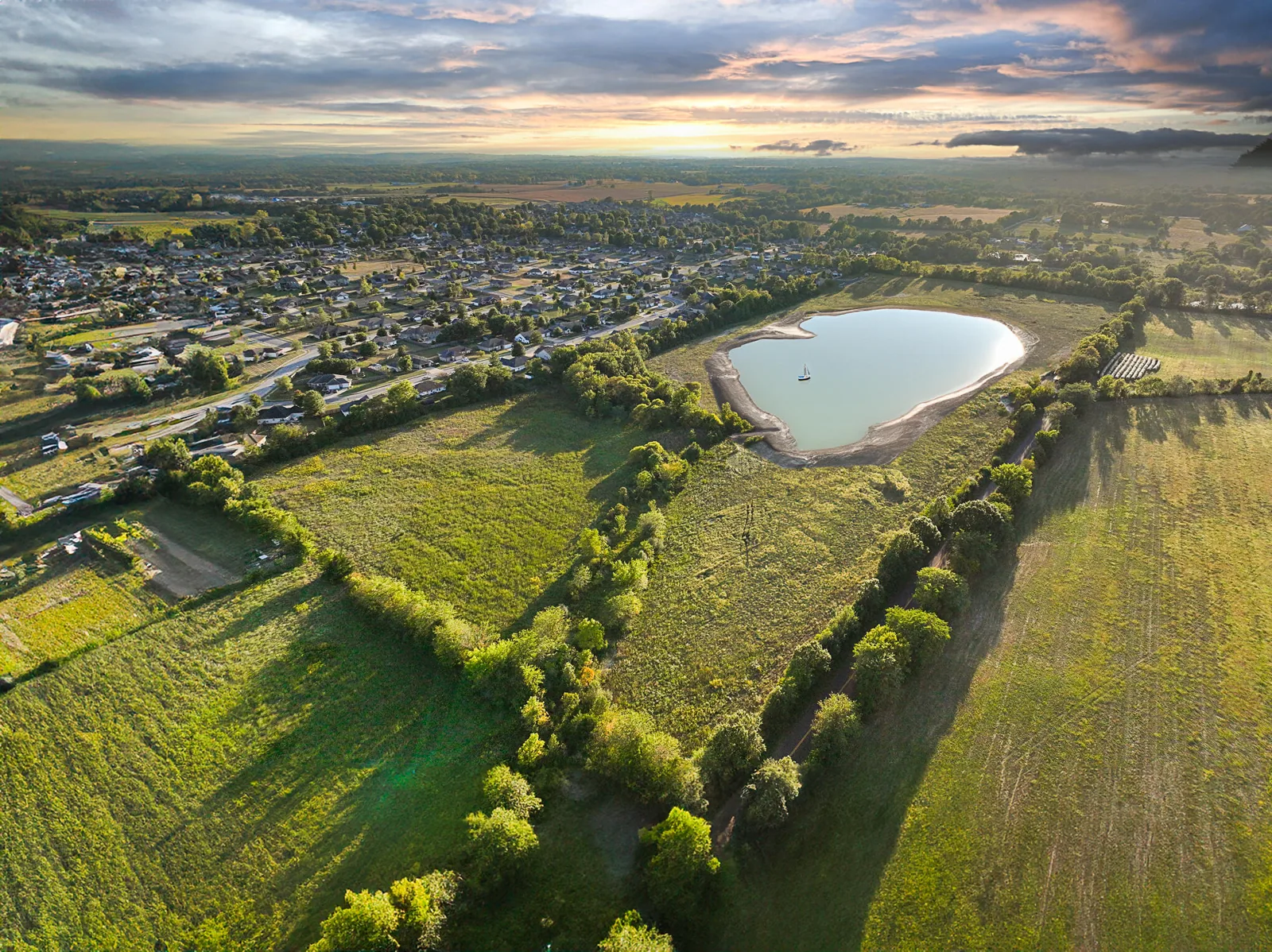
What should be checked on an Ashland commercial roof?
Start with the building’s use, roof access, and the reported symptom. A property on a commercial corridor may have a small office roof, a retail roof, or a larger service building; the street itself does not determine its assembly. A roof inspection identifies membrane or metal only when field evidence supports that description, then records drains, laps, flashing, curbs, and prior patches by zone. The report separates the location reported indoors from the roof opening that can be confirmed outside. If the likely water path crosses an addition or wall transition, we record the point where the tie-in should stop and whether more testing would change the scope. That gives the owner a clear basis for deciding between a local repair and a broader review.
Related Roofing Work
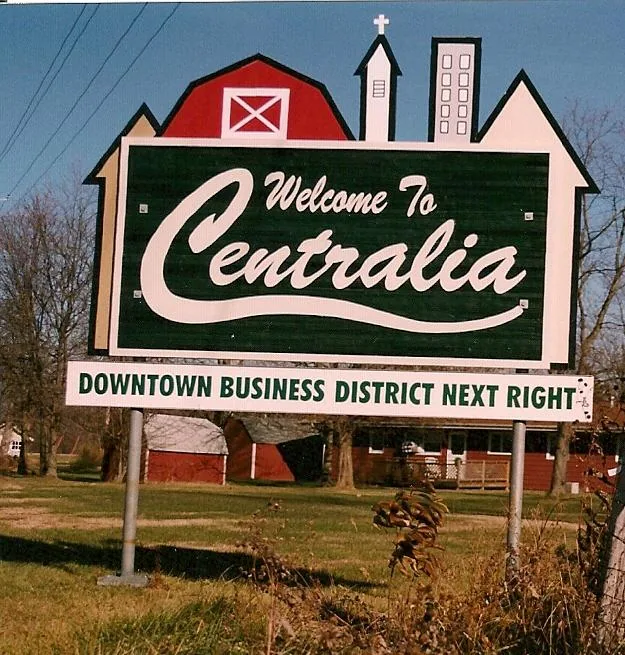
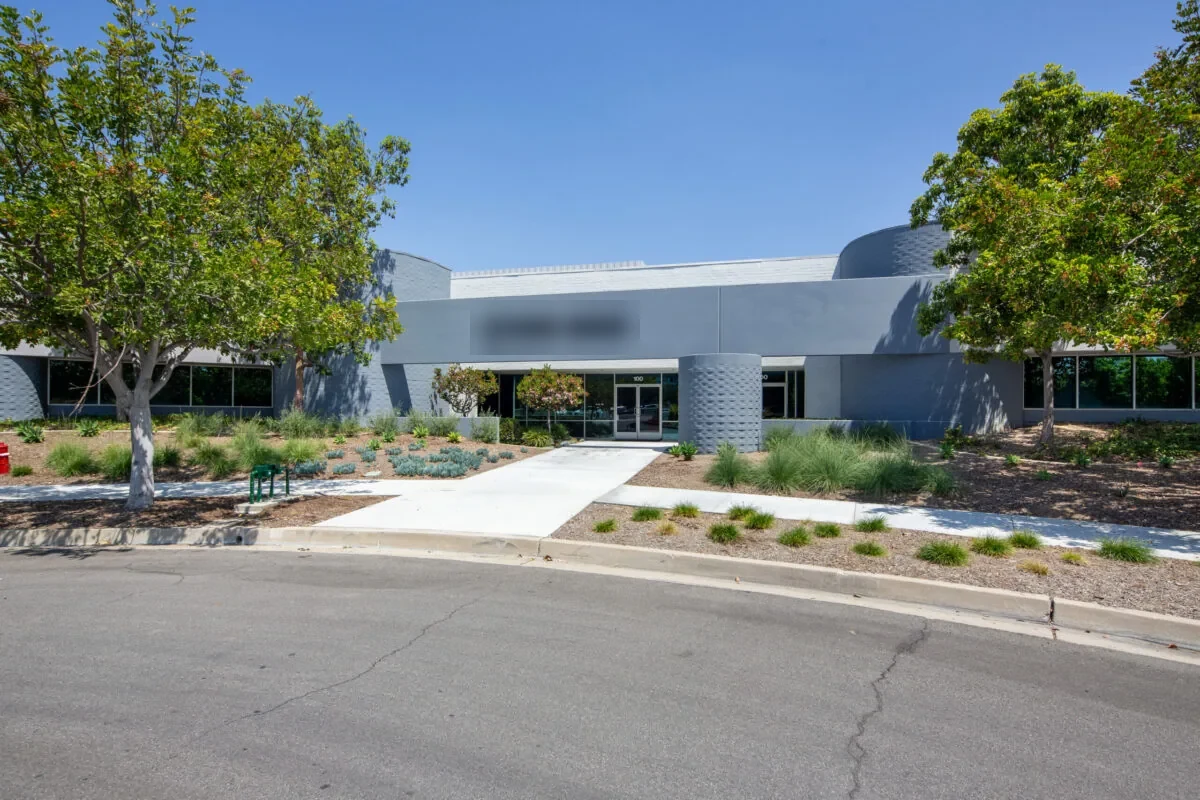
More commercial roofing work connected to Ashland in Columbia, MO.
Which roof details deserve a weather comparison?
After a reported hail or wind event, start with the roof details most likely to affect water entry: perimeter metal, seams, flashing, penetrations, drains, and prior repair edges. We photograph each observed condition with enough surrounding roof to identify its location, then compare those images with earlier records if available. A mark or opened lap needs a repair boundary based on the material around it, not a guess from the event report. A wind-damage review can document lifted or displaced components, while hail documentation records observed impact and the roof area that needs closer review. If moisture may extend below the surface, testing should answer a specific question about the scope.
For an Ashland property, the building contact confirms any access or operating requirements before the work date. A repair needs a compatible material, sound tie-in surface, and a temporary weather plan if the assembly is opened. The written recommendation distinguishes a contained defect from a condition that calls for testing or broader renewal. Keep the same roof-zone references in the inspection, proposal, and closeout so a later visit can compare the exact transition or drain.
How do we set repair and investigation limits?
A suitable repair boundary follows the confirmed defect and the material that can accept a durable tie-in. The scope states preparation, compatible material, roof zone, and adjacent conditions that remain outside the repair. Where a leak recurs or moisture may extend under the visible surface, testing can establish whether the boundary needs to widen. Infrared survey work can find thermal patterns for confirmation but cannot independently prove wet insulation or the water source. If the result could change a choice between repair and broader renewal, a controlled opening may be appropriate. U.S. 63 and Broadway identify Ashland’s commercial areas; the owner’s records and a field inspection establish an individual roof’s dimensions and construction. We identify roof type and quantity from building records or field measurement. Field measurement, available plans, and the authorized inspection determine the assembly and quantity to include in a proposal. The estimate should separate confirmed repair work from exploratory testing and any possible concealed-condition allowance. We identify what each line covers, which roof zone it applies to, and the evidence needed before expanding that boundary. If the owner chooses to defer a larger renewal, record interim protection and a follow-up point so the unresolved condition is not mistaken for completed work.
What can affect timing on a commercial property?
Schedule and price depend on roof access, staging, the size of the measured repair area, material availability, tie-in details, concealed conditions, and the approved work window. The property contact confirms site-specific operating and vehicle requirements. Confirm those requirements and the authorized access route with the property contact before mobilization. A repair plan identifies the work zone, temporary cover if an assembly is opened, and the close-in check. Larger restoration or replacement requires a broader review of drainage, penetrations, edge details, substrate, insulation, and phasing. Occupied-building sequencing can describe daily limits and close-in points when the facility remains in use. Our inspection records the existing condition and access constraints for that review. If rooftop units, exhausts, or communications equipment are present, the facility contact identifies service clearances and any unit that must remain available. We photograph each curb or support before repair and keep equipment work with the responsible trade. Material lifts and debris handling also need a defined path that avoids the approved travel area. Before opening a roof section, the crew should confirm the forecast window, protection material, and person authorized to accept the close-in check. These details prevent a small repair from becoming an open item at shift end.
At an occupied commercial property, the site contact defines roof entry, staging, vehicle movement, photography, and any limits around active operations. We include those access instructions in the work plan and confirm them again before mobilization. Confirm the designated roof entry and staging route directly with the property contact before mobilization.
For a property with more than one tenant or roof section, the sequence should show which area is completed first and where the crew can stage materials. The owner confirms access hours and any delivery period that cannot be interrupted. We identify how much of the roof can be opened during the shift, how it will be protected if work pauses, and who signs off on close-in. Material availability, concealed deck or insulation conditions, and coordination around rooftop equipment can affect the duration or price. A proposal should state which assumptions are confirmed and which would require a written change if field conditions differ.
How should roof history be kept?
Ashland’s U.S. 63 growth area and downtown Broadway corridor serve different commercial settings. For either, use the actual building and roof zone as the record’s organizing reference. Confirm the responsible contact, access method, operating limits, and any shared equipment before setting a work sequence. If the same ownership group has Columbia properties, the Columbia service area and Ashland Industrial Park can help sort the portfolio geographically, but each asset needs its own dated findings. Closeout photos should show the repair boundary, tie-in, and any item left for another trade. Add a follow-up trigger when seasonal weather or recurring moisture could change the condition.
Commercial Roofing Questions
Which Ashland locations does this service area cover?
It covers commercial properties across Ashland, including the U.S. 63 and Broadway areas. Ashland’s U.S. 63 and Broadway corridors serve different commercial settings; individual buildings are inspected on their own merits.
Do the U.S. 63 and Broadway corridors identify my roof type?
Those corridors locate Ashland’s commercial areas. Building records or field measurements establish a property’s roof type and quantity before a proposal is prepared.
What should be documented after high wind?
We record visible changes at perimeter metal, seams, penetrations, rooftop equipment curbs, and drainage. The inspection links each item to a photograph and repair boundary rather than assuming every roof saw damage.
How do you decide whether moisture needs testing?
Testing is useful when it can change the repair boundary or determine whether insulation is affected. We identify the question first, then describe the method and what result would alter the scope.