
Commercial Snow and Ice Roof Damage Repair in Columbia, MO
A winter melt line inside a building may reflect a blocked drain, a seam opening, or water held at an edge, so the roof needs a measured inspection before a repair is chosen. Columbia's 1991-2020 normals include about 16.5 inches of seasonal snowfall and 102 days with freezing or colder minimum temperatures. Those figures describe climate exposure, not a snow-load reading for any particular building. We inspect the roof surface, outlets, eaves, parapets, transitions, and interior report, then record where water or ice was observed. The University of Missouri campus includes residences, research buildings, garages, and utility facilities; Hallsville's plan describes separate pedestrian and auto-oriented commercial areas. Those named settings help place the region's building mix, but an individual roof's design, drainage, and condition must be confirmed at the property.
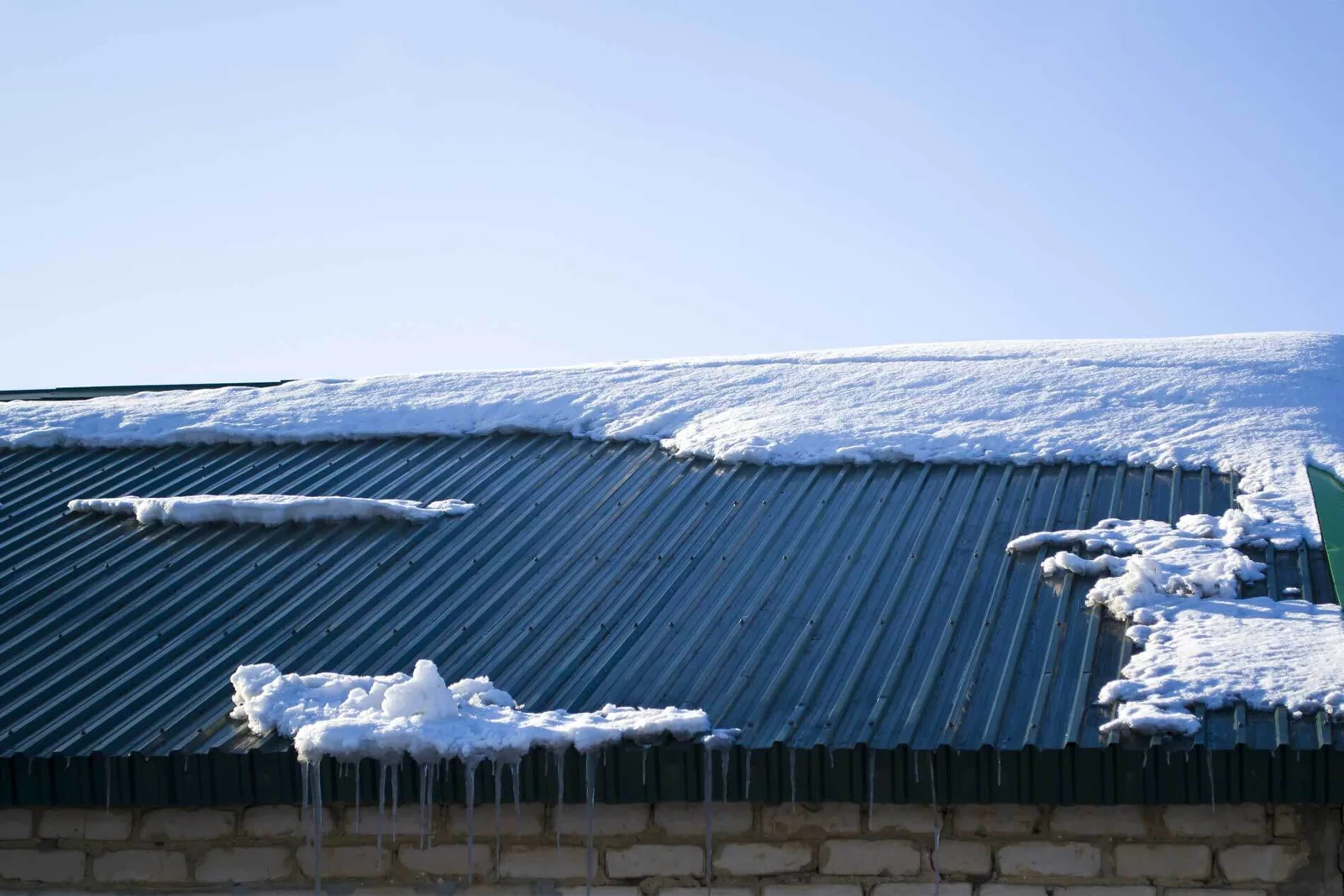
Where can meltwater collect or refreeze?
We inspect drains, scuppers, gutters, edge metal, wall transitions, and low areas for blockage, movement, or retained moisture. Ice at an edge does not by itself establish the point of entry. A leak may follow an insulation joint or deck path before appearing indoors, while meltwater can refreeze at a separate cold detail. The inspection record maps the observed ice or water and notes weather conditions and time. Drainage review can check outlet and attachment details; edge and gutter inspection addresses perimeter components. Even on a roof at Central City, Columbia, slope and winter maintenance practices must be verified at the building. The inspection should include the outlet throat, the path leading to it, and any nearby curb or parapet that could redirect meltwater. We note whether debris or an ice obstruction was present and avoid assuming a roof drain is the sole cause of water retention. If more than one discharge point serves the area, the plan should label each one so maintenance can revisit the same outlet after cleanup. An interior report is matched to the roof zone where possible, but the water path may travel before becoming visible. Those observations help distinguish an immediate drain concern from a membrane or flashing failure.
Related Roofing Work
More commercial roofing work connected to Commercial Snow and Ice Roof Damage Repair in Columbia, MO.
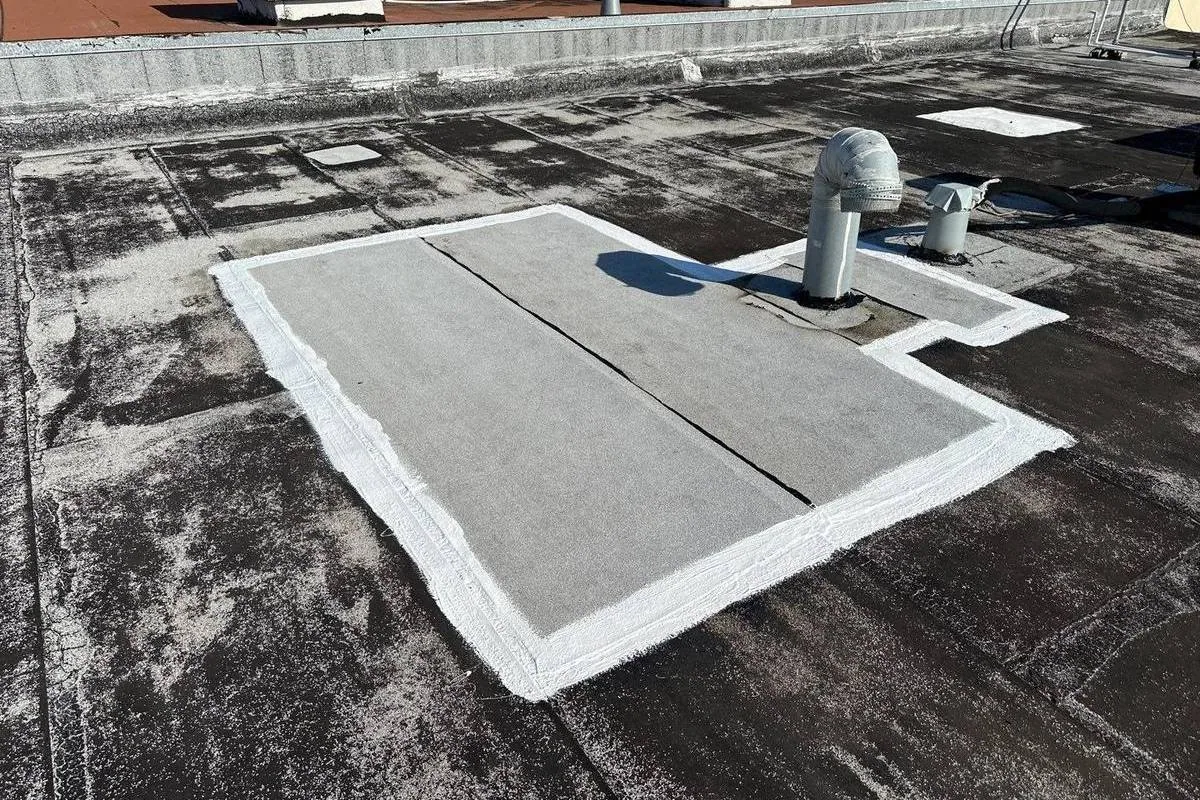
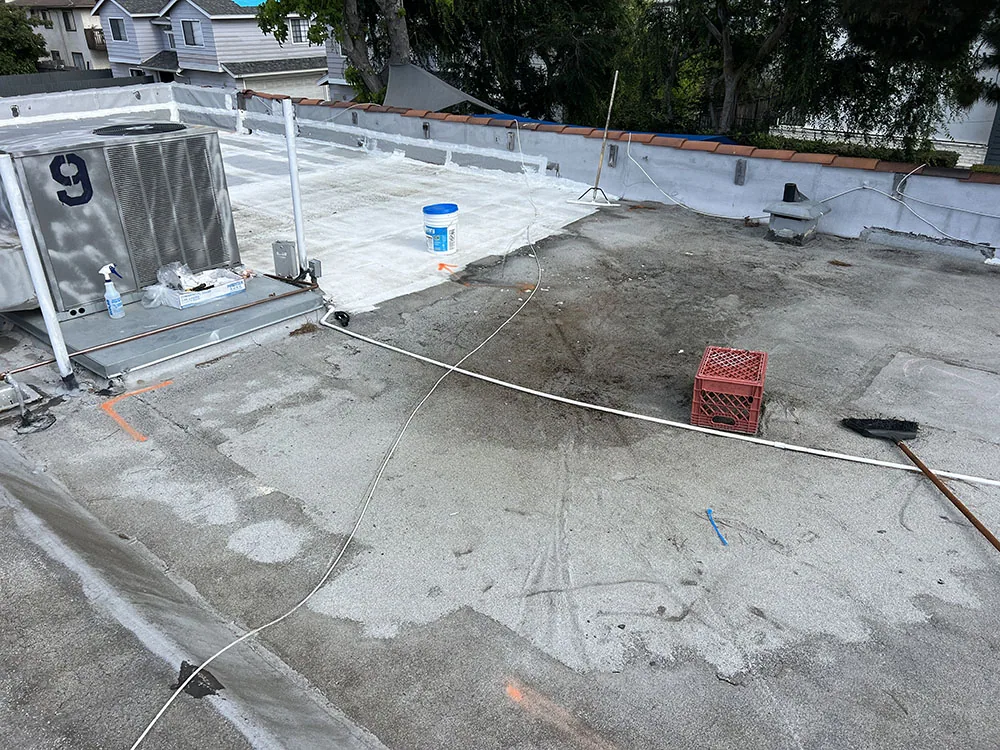
How should a winter roof visit be planned?
Cold surfaces, ice, wind, and changing weather can make access unsafe. The building contact confirms roof entry, snow-removal activity, occupied areas, and any restricted zone before a visit. We do not infer a safe route from a building map. The Diligence Notes identifies what could be inspected and what requires another visit after conditions improve. If water is actively entering, immediate interior protection may be needed while roof access is evaluated. Emergency response can address active exposure when it is safe to work. A temporary cover or interior containment is recorded by location and inspection date. If snow is present, the inspection does not convert a weather-normal into a measured roof load; a qualified structural review may be needed when load concerns arise. That distinction keeps a roof repair assessment within its evidence. The plan should identify who can authorize a return visit and who receives the Diligence Notes if roof access remains closed. When the weather changes quickly, the contact should know whether the area is temporarily protected, still exposed, or awaiting a safe inspection. Record each status with a date and roof-zone label.
When does freeze-thaw movement warrant repair?
Recurring expansion and contraction can stress seams, flashing, fasteners, sealant, and drainage details. We look for an open lap, lifted termination, split transition, or other visible condition and compare it with earlier repairs where records exist. Columbia has varied employment places, including the I-70 Business Loop and LeMone Industrial Park; these local facts do not show whether a roof has experienced winter damage. LeMone Industrial Park is a local location reference, while the property inspection identifies the seam or edge involved. Seam repair or flashing repair may address a confirmed failure. If moisture extends beyond the detail or the same area repeatedly opens, a broader assembly evaluation may be appropriate. We state the repair boundary and unresolved conditions.
Where meltwater refreezes, look for repeated wetting near drains, scuppers, parapets, and low points, then compare those observations with the interior report. Do not chip or pull ice from a membrane without an approved safe method. The record should note whether the condition was observed during thaw, active precipitation, or after the roof had drained.
What should be checked when ice clears?
After snow and ice clear, inspect whether drains are open, edge components remain secure, and previously wet interior areas have dried. Photograph the same roof zone and compare it with the winter record. The report should separate the weather event from any defect found and name any area that was inaccessible during the first visit. Preventive maintenance can revisit drainage and transitions, while a follow-up inspection can establish whether the original issue persists. Columbia averages recurring winter freezes; the seasonal pattern supports continued observation but does not prove failure. Keep temporary measures, completed repair, and open testing in separate entries so a later facilities contact knows which work has been completed and which question still needs attention. If water returns during the next thaw, date the report and compare its location with the first inspection. A repeated wet area may indicate an unresolved path, a separate defect, or a temporary condition that has not cleared. We can recheck the roof when safe access is available and update the record rather than treating the earlier recommendation as completed work. If the owner has removed snow or ice, note the time and area so photographs are interpreted with that maintenance action in view. This creates a practical before-and-after record without assigning roof damage based on the seasonal snowfall total alone.
Once surfaces are clear and safe to inspect, revisit any temporary protection and check whether seams, edge details, or drains changed. A winter leak may involve ice, but it can also expose an unrelated flashing or drainage defect. Keep the weather sequence and the roof finding distinct, and schedule testing if water extent remains concealed.
Once safe access is available, inspect drains and scuppers, perimeter transitions, seams, metal edges, and areas where meltwater may have refrozen. Record the date and conditions, then compare any interior report with roof details and prior photographs. Avoid scraping or applying heat in a way that can damage membrane or metal. If the owner reports a ceiling mark, determine whether new water is present or the area is drying from an earlier event. Columbia averages seasonal snowfall and recurring winter freeze-thaw conditions; a spring follow-up can reveal movement or drainage changes that were not visible while ice remained.
Commercial Roofing Questions
Does seasonal snowfall show how much load is on my roof?
No. Climate normals describe regional snowfall, not the accumulation or structural capacity at a particular building. We document roof conditions, and a structural concern should be evaluated by a qualified professional.
Can ice at the edge be the source of an interior leak?
It may be related, but the visible ice and the roof entry point are not always the same location. We inspect the surrounding edge, drainage, and membrane details and record what remains uncertain.
Should snow be removed before a roofing inspection?
The owner should follow its safety and snow-management procedures. We coordinate access with the facility contact and inspect only where conditions allow a safe, useful assessment.
When should a winter leak be checked again?
The return timing depends on access, weather, and whether temporary protection is in place. We record the agreed revisit date and compare the same roof zone after snow or ice clears.